Action
Adventure
Animation
Comedy
Crime
Documentary
Drama
Family
Fantasy
History
Horror
Music
Mystery
Romance
Science Fiction
Thriller
War
Western
Explore all movies appearances
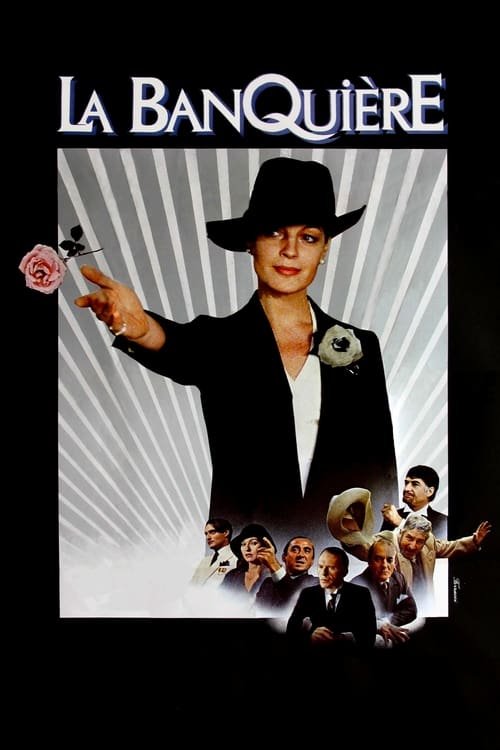
Ambitious Emma Eckhert successfully makes her way into a world previously reserved for men: that of high finance. She quickly becomes popular with small savers, but leads a scandalous life that will cost her.
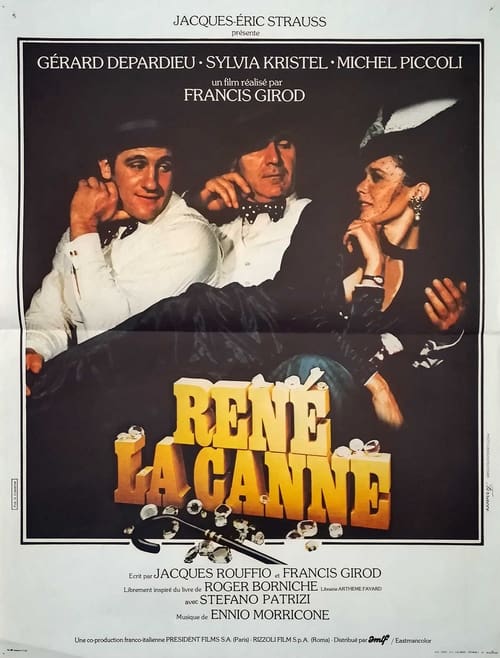
"René la Canne" was the second collaboration between Francis Girod and Ennio Morricone, coming after "Le Trio Infernal" (1974) and before "La Banquière" (1980). His film is an adaptation of a story by Roger Borniche about the gangster René Girier and relates the fantastic adventures of a flamboyant mobster (René/Gérard Depardieu) and a maverick police inspector (Fernand la Sournoise/Michel Piccoli), through the 1940s.
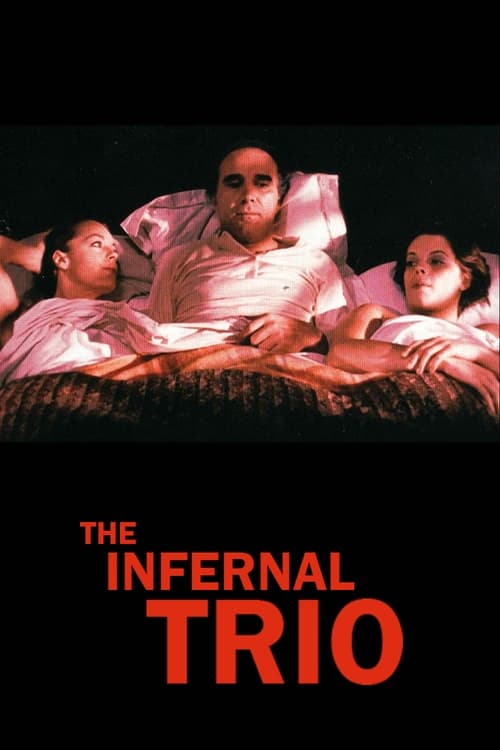
Marseilles, 1919. Georges Sarret is a distinguished and respected lawyer, recently honoured for his services in the First World War. He takes as his lover Philomène Schmidt, a young German woman, who has just lost her job and home. To enable Philomène to remain in France, Georges finds her a husband – who dies conveniently of natural causes a month after the wedding. Georges repeats the trick with Philomène's sister, Catherine – marrying her off to an old man who dies suddenly so that the scheming trio can profit from his life insurance. When an accomplice in the scheme, Marcel Chambon, threatens to blackmail them, Georges and his two lovers have no option but to kill him and his mistress...

Jojo’s ambition is to become a gangster, but to be admitted into a gang he has to prove himself by committing a daring act. To that end, he kills someone in broad daylight, not knowing that his victim is an actor who is playing a scene in a film directed by a cranky film-maker (Darry Cowl). The murder is caught on film, leading Commissaire Bernard (Michel Simon) to think that the killer will be easy to find. Sure enough, Bernard soon makes his arrest, a clown from a circus, but then he faces an almost insurmountable problem. The clown has an identical twin, who is also a clown with the same circus. Both men claim to be innocent…
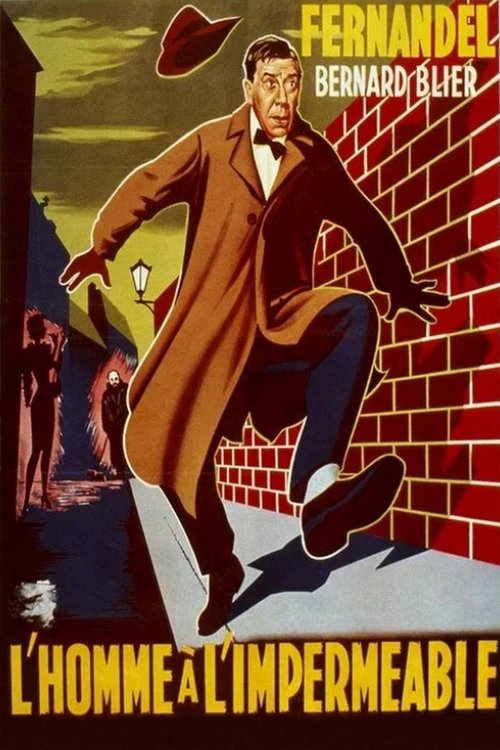
In the absence of his wife, a clarinet player is induced by a friend to meet a call girl, but arrived after a crime. Perceived by some people leaving the scene of the crime covered by his raincoat, he became the only suspect for the police. His only hope is to discover the murderer before is name is mentionned publicly, specially in front of his wife.

Jean-François Robignac, a teacher, arrives at a provincial college to teach literature to ninth-graders. He quickly wins over the children with his youthful way with words. But his parents want to have him expelled when they learn that Jean-François uses slang words to rejuvenate writers' texts.
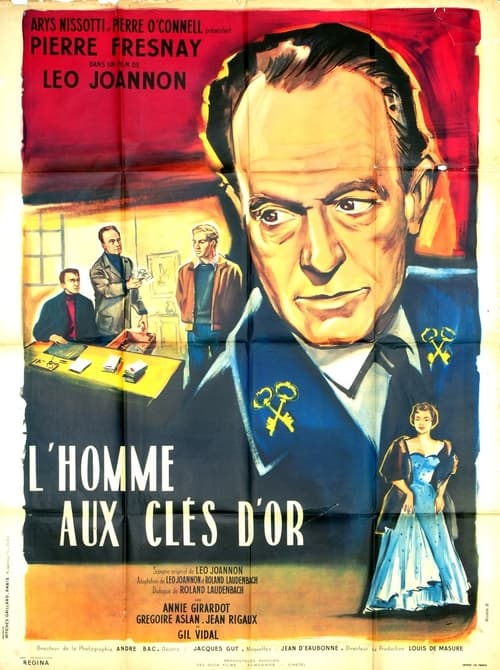
Antoine Fournier, a language teacher at a secondary school in Lille, was disgraced by four young men he had caught stealing money from a charity collection. Dismissed from the teaching profession, Fournier found a job as a porter in a Monte Carlo palace through his wartime friend Ansaldi. A few years later, when he became the first concierge, the "man with the golden keys", chance brought him into the presence of the young men, married but as Machiavellian as ever. He won't take revenge on them, but their baser instincts will.
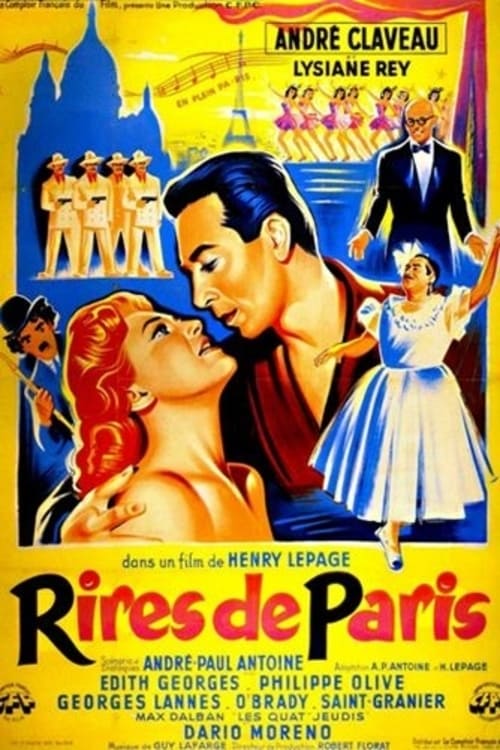
Madeleine Lebeau, a woman who charges for her easy virtue, has a plan that has some of her customers paying more than others; she tells them she is pregnant and, to avoid complications, the men pay her money and don't hang around for the birth. Yves Furet, a shiftless gambler, who not only encourages her in her business ventures but is also her fiancée, shares the fruit of her non-labor. She latches onto a wealthy widower, Henri Vilbert, who throws her a curve-ball when, after she tells him she is pregnant, he is overjoyed as he has fallen in love with her and is looking forward to becoming a father. She plays along for a while, but becomes ashamed when she sees how Vilbert is devoting his whole life to a child that she isn't carrying. She fakes a miscarriage and his kindness makes her feel guilty and she confesses, but he doesn't believe her. So she tries another plan.

Documentary short subject preserved by the Academy Film Archive, from the Marshall Plan Collection, in 2003.
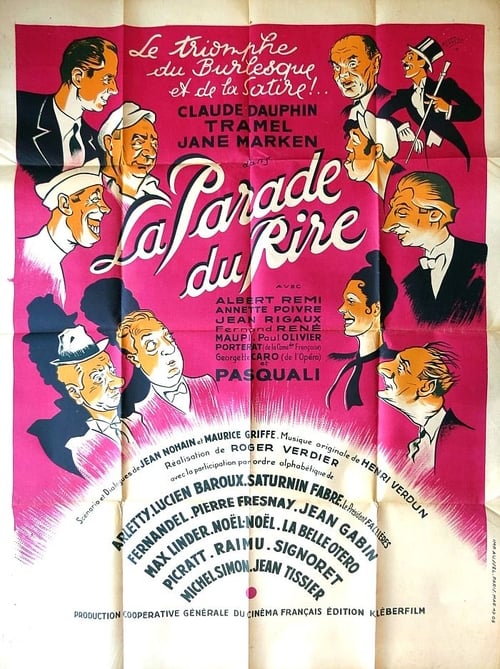
A debate on the definition of the word laughter, organized by Madame de Saint-Jules and two academicians, illustrated by film extracts, turns into a huge battle of cream pies.
Subscribe for exclusive insights on movies, TV shows, and games! Get top picks, fascinating facts, in-depth analysis, and more delivered straight to your inbox.