
Action
Adventure
Animation
Comedy
Crime
Documentary
Drama
Family
Fantasy
History
Horror
Music
Mystery
Romance
Science Fiction
Thriller
War
Western
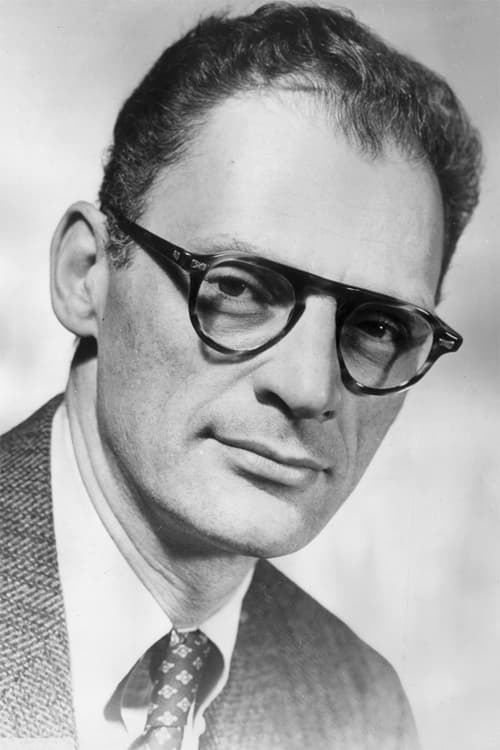
Arthur Asher Miller (October 17, 1915 – February 10, 2005) was an American actor and writer of plays in the 20th-century American theater. Among his most popular plays are All My Sons (1947), Death of a Salesman (1949), The Crucible (1953), and A View from the Bridge (1955). He wrote several screenplays, including The Misfits (1961). The drama Death of a Salesman is considered one of the best Amer...
Explore all movies appearances

No plot available for this movie.
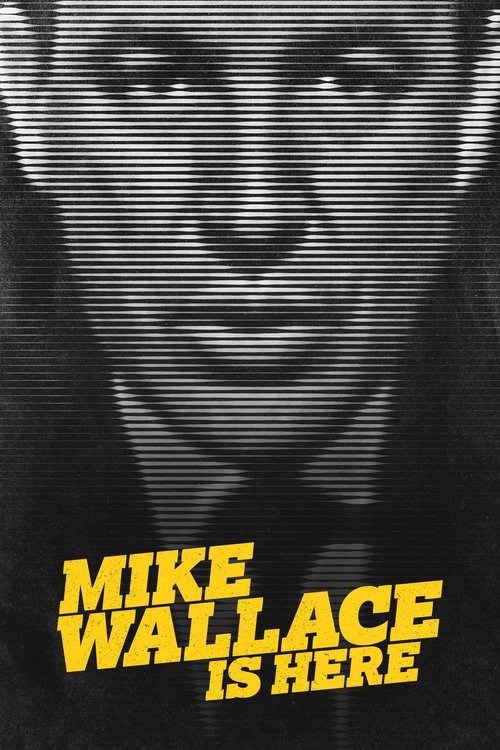
For over half a century, 60 Minutes' fearsome newsman Mike Wallace went head-to-head with the world's most influential figures. Relying exclusively on archival footage, the film interrogates the interrogator, tracking Wallace's storied career and troubled personal life while unpacking how broadcast journalism evolved to today’s precarious tipping point.
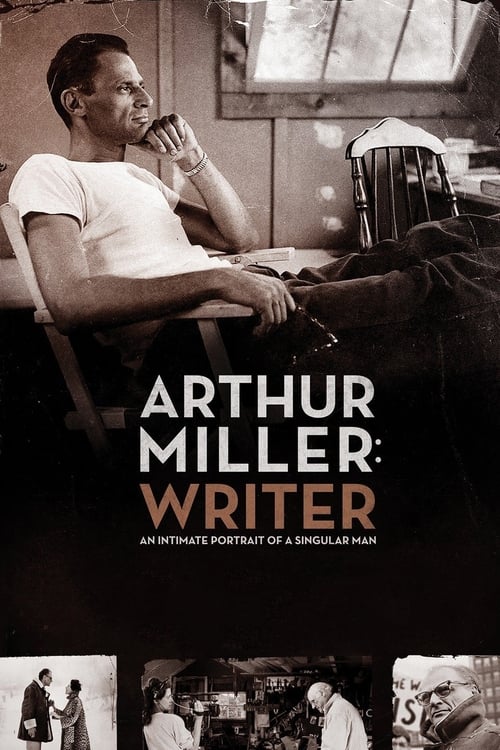
One of the greatest playwrights of the 20th century, Arthur Miller created such celebrated works as Death of a Salesman and The Crucible, which continue to move audiences around the world today. He also made headlines for being targeted by the House Un-American Activities Committee at the height of the McCarthy Era and entering into a tumultuous marriage with Hollywood icon Marilyn Monroe. Told from the unique perspective of his daughter, filmmaker Rebecca Miller, Arthur Miller: Writer is an illuminating portrait that combines interviews spanning decades and a wealth of personal archival material, and provides new insights into Miller’s life as an artist and exploring his character in all its complexity.

An unparalleled portrait of Arthur Miller (1915-2005), a major writer who left an indelible mark on the world. Miller's life is intimately connected with the great themes that marked the 20th century. Glamour, fame, social criticism and Marilyn Monroe.
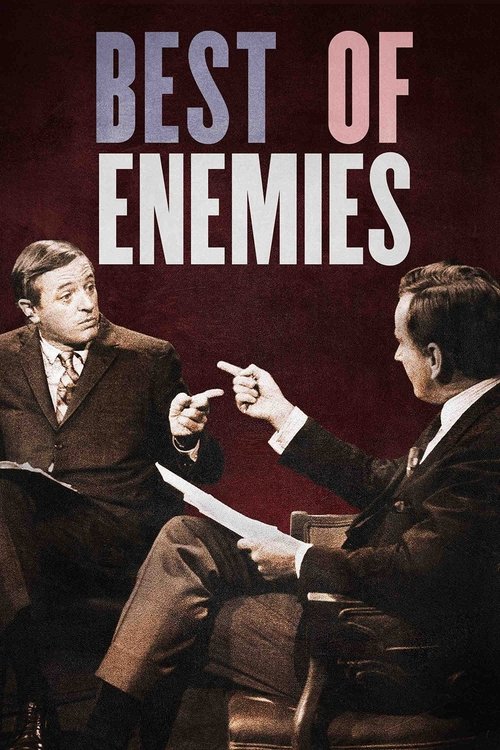
A documentary about the legendary series of nationally televised debates in 1968 between two great public intellectuals, the liberal Gore Vidal and the conservative William F. Buckley Jr. Intended as commentary on the issues of their day, these vitriolic and explosive encounters came to define the modern era of public discourse in the media, marking the big bang moment of our contemporary media landscape when spectacle trumped content and argument replaced substance. Best of Enemies delves into the entangled biographies of these two great thinkers, and luxuriates in the language and the theater of their debates, begging the question, "What has television done to the way we discuss politics in our democracy today?"
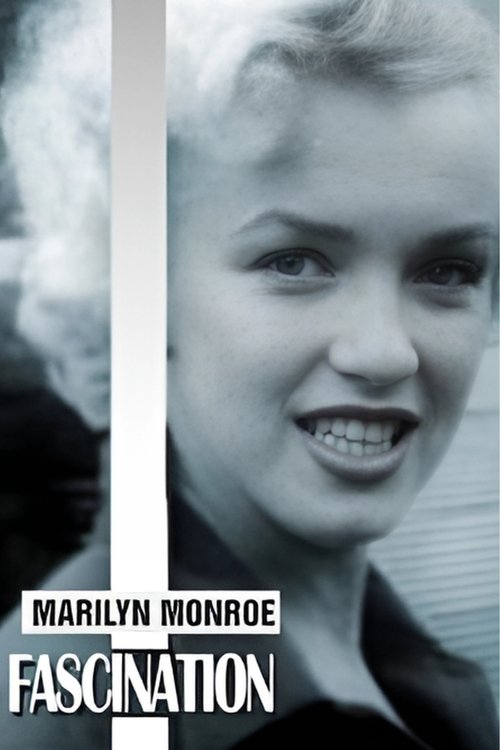
Marilyn Monroe is one of the most famous and adored icons of the 20th century. Like no other Hollywood star, she won the hearts of millions around the world. It's been said that: "Monroe played the best game with the worst hand." Her journey to stardom stemmed from a childhood of poverty, neglect, and loneliness. 'Fascination' tells the remarkable story of Marilyn's life. From birth to her premature death she endured criticism, insecurities, drug dependence, numerous miscarriages, and three broken marriages. Despite all her demons, her unprecedented beauty, talent and quick wit amazed all that came before her.
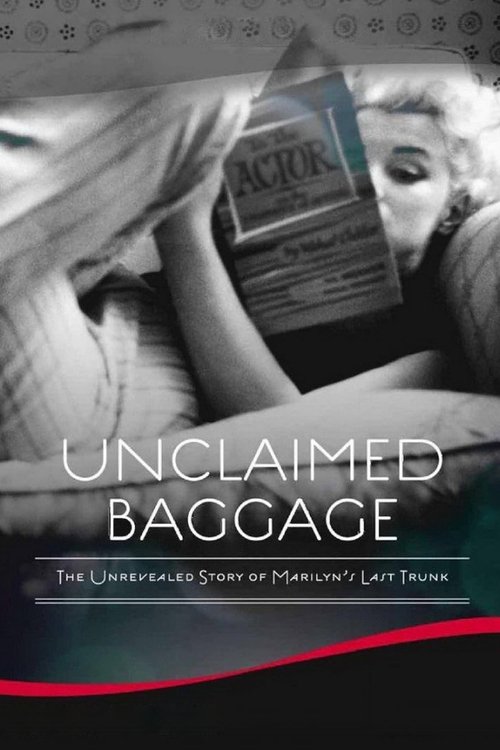
We think we know everything about Marilyn Monroe. But the filmmakers aim to dispel this notion and try to unravel a new mystery from the star's life. Forty years after Marilyn Monroe's death, a suitcase belonging to the famous actress was auctioned in Los Angeles. It had been stored for all these years among unclaimed items in a New York storage facility. The suitcase was purchased by an eccentric and passionate collector—Princess Tenko, a Japanese magician. A well-known and popular figure in Japan, she is willing to spend vast sums to buy items such as a toothbrush, underwear, or a dress that once belonged to Norma Jean Baker.
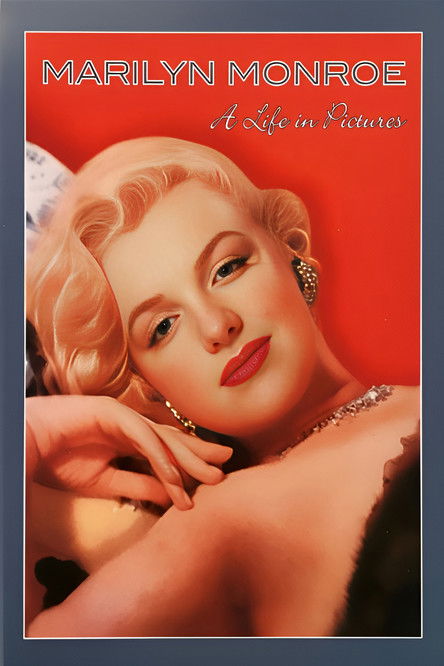
A vivid portrait of Marilyn Monroe's dazzling yet vulnerable life, captured through rare newsreels, iconic film moments, signature songs, and unforgettable public appearances of the eternal Hollywood legend.

Renowned American playwright Arthur Miller discusses his life and work with Alan Yentob.
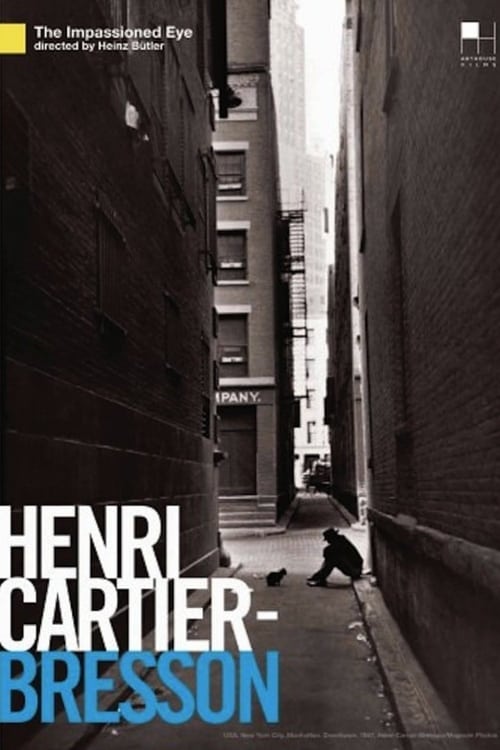
Heinz Bütler interviews Henri Cartier-Bresson (1908-2004) late in life. Cartier-Bresson pulls out photographs, comments briefly, and holds them up to Bütler's camera. A few others share observations, including Isabelle Huppert, Arthur Miller, and Josef Koudelka. Cartier-Bresson talks about his travels, including Mexico in the 1930s, imprisonment during World War II, being with Gandhi moments before his assassination, and returning to sketching late in life. He shows us examples. He talks about becoming and being a photographer, about composition, and about some of his secrets to capture the moment.
Subscribe for exclusive insights on movies, TV shows, and games! Get top picks, fascinating facts, in-depth analysis, and more delivered straight to your inbox.