
Action
Adventure
Animation
Comedy
Crime
Documentary
Drama
Family
Fantasy
History
Horror
Music
Mystery
Romance
Science Fiction
Thriller
War
Western
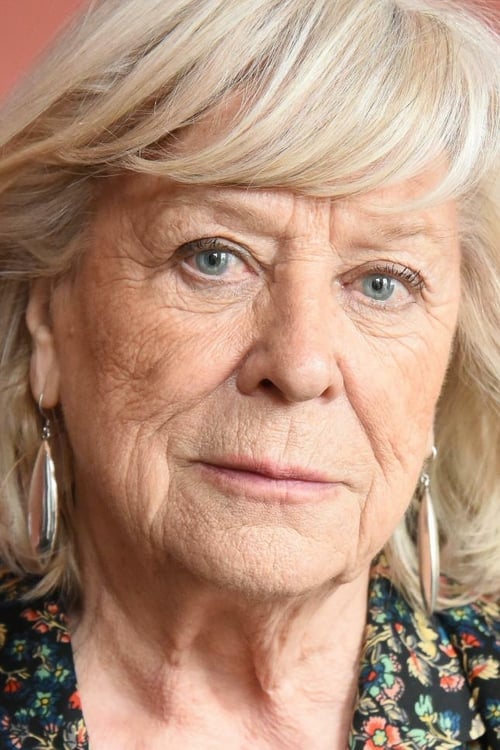
Margarethe von Trotta (born 21 February 1942) is a German film director, screenwriter, and actress. She has been referred to as a "leading force" of the New German Cinema movement. Description above from the Wikipedia article Margarethe von Trotta, licensed under CC-BY-SA, full list of contributors on Wikipedia.
Explore all movies appearances

A documentary exploring the life and legacy of renowned Italian actor Gian Maria Volonté, featuring insights from his colleagues, family, and never-before-seen footage, highlighting his artistic journey and political activism.
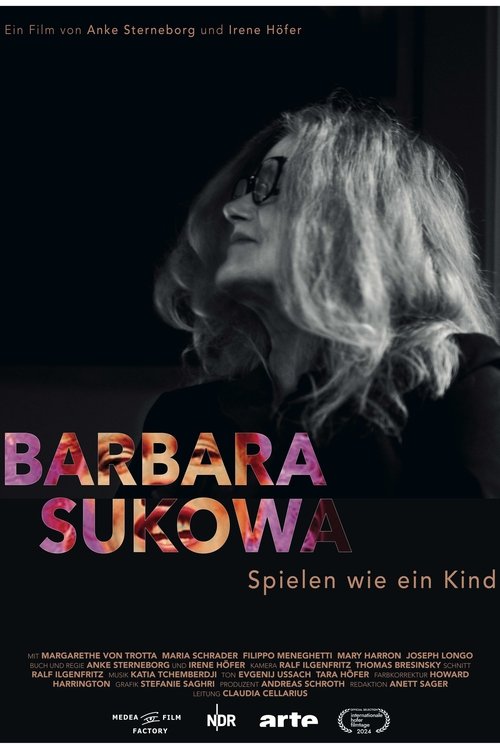
“Acting is something anyone can do,” says Barbara Sukowa. “It’s completely intuitive and instinctual, much like a child dressing up.” Those who have worked with her say that what she does is true artistry. Barbara Sukowa, a star of Fassbinder’s films, an icon, and a role model. Who says there are hardly any interesting roles for women beyond forty? New challenges continually come her way. A few years past normal retirement age, she is launching into a remarkable new chapter. The film chronicles the path of an internationally successful actress to this day.
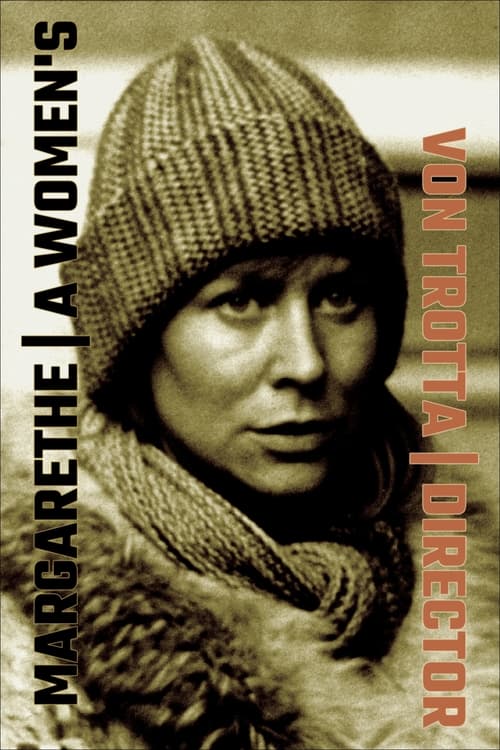
Margarethe von Trotta, one of the few icons of German directing, internationally revered as a star director, celebrates her 80th birthday: her works are among the most important in German cinema of all time.

From the 1950s onwards, Erika and Ulrich Gregor brought countless film historical milestones to Berlin and shaped cinema discourse in post-war Germany. A look at the life and work of the couple without whom Arsenal and the Forum wouldn’t exist.
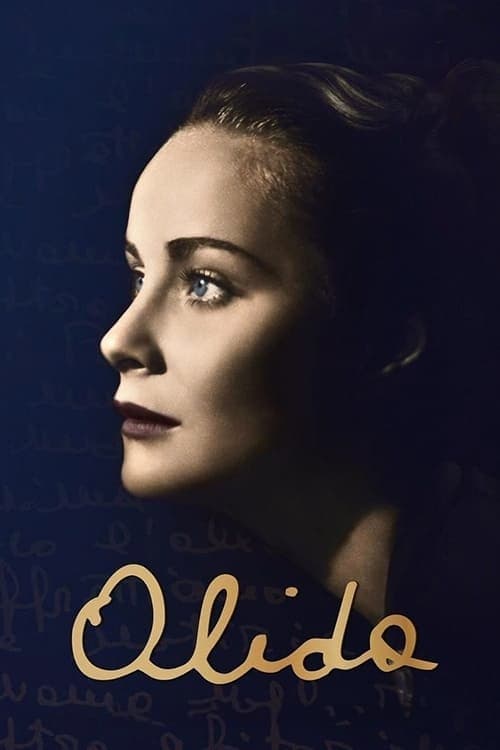
A complete and never-before-seen portrait of the life of a young girl from Pula (Istria) who quickly became one of the most famous and beloved actresses of Italian and international cinema, told through the words of her unpublished letters and diaries, photographs, homemade films in 8 mm, and new interviews with her relatives, friends, and collaborators.
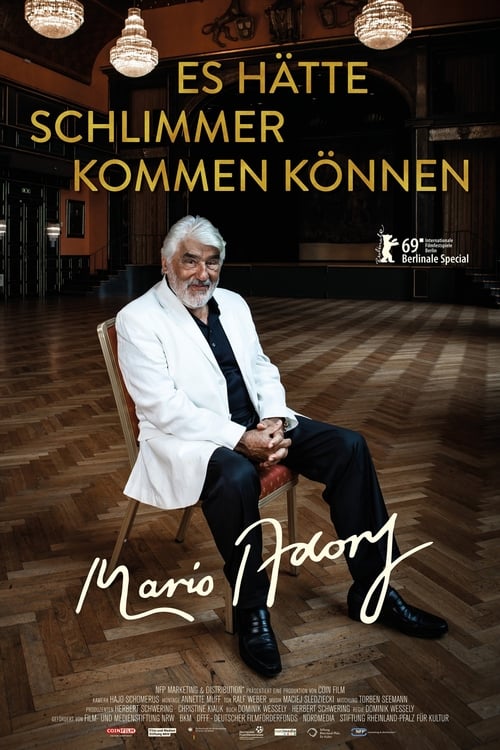
Portrays the film star Mario Adorf and his passion for acting, the stage, the cinema, singing and writing. Together with the director Dominik Wessely, the film comes closer to Mario Adorf as a person and highlights important stations of his private life and his international career. When Mario Adorf begins to talk about his life, over 60 years of theatre and film history come to life. A dialogue with him is not only a retrospective, but also an intensive exchange of ideas about film and theatre and his view of the world, love and ageing.
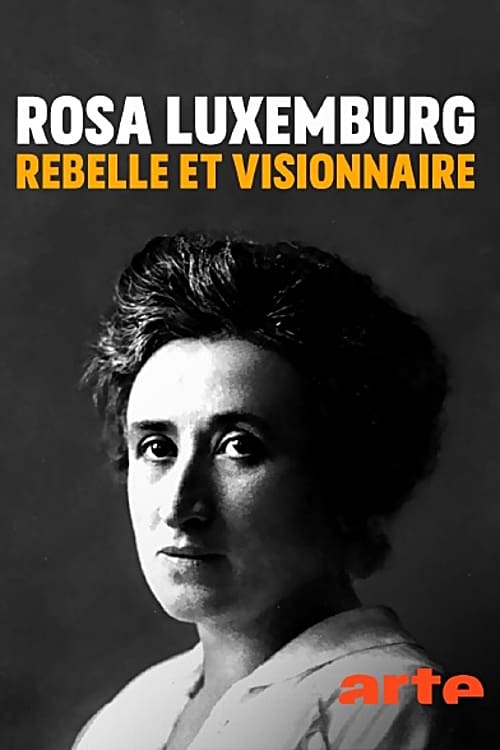
One hundred years after the assassination of German revolutionary Rosa Luxemburg (1871-1919), we look back at the struggles of this pioneer of the Workers' International.
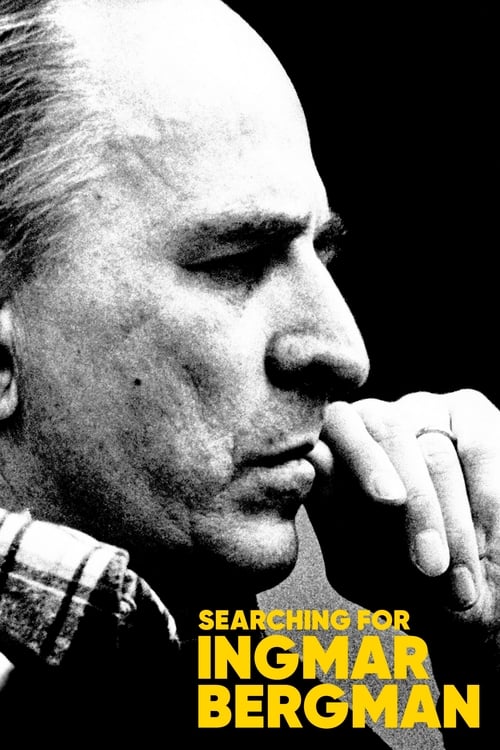
A meaningful account of the personal and professional life of the great Swedish filmmaker Ingmar Bergman (1918-2007) that explores his film legacy, with interviews with his closest collaborators and a new generation of filmmakers.
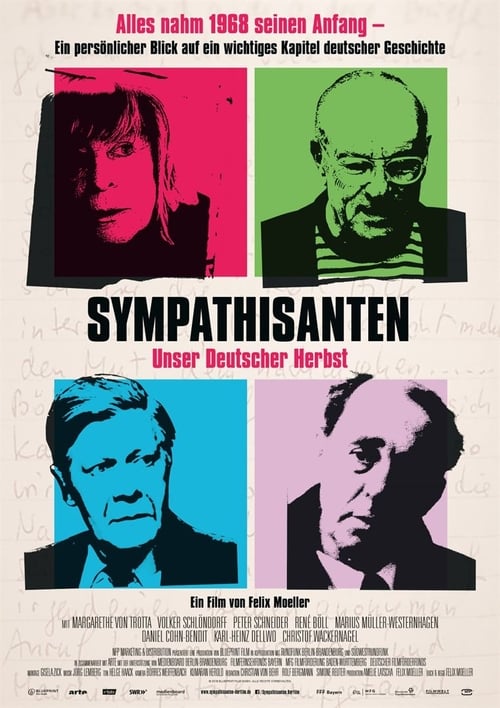
West Germany in the 1970s. Many artists, journalists and intellectuals were branded as sympathizers of Baader-Meinhof's left-wing terrorism. The parents of the director, too: Margarethe von Trotta and his stepfather, Volker Schlöndorff. With extensive archive materials and film clips as well as Margarethe von Trotta's private diaries the film portrays one German family and the society of the time.

Right at the heart of the debates on the discrimination of women in the film industry, this documentary raises questions, while offering a voice to women and their cinema. Catherine Breillat, Claire Denis, Mira Nair, Margarethe Von Trotta, Ulrike Ottinger, Micheline Lanctot, Rakshnan Bani-Etemad, María Novaro but also the names of the less visible directors of the general public. Joining the filmmakers are the voices and comments of producers, film specialists and archivists through whom our images are meticulously preserved.
Subscribe for exclusive insights on movies, TV shows, and games! Get top picks, fascinating facts, in-depth analysis, and more delivered straight to your inbox.