Action
Adventure
Animation
Comedy
Crime
Documentary
Drama
Family
Fantasy
History
Horror
Music
Mystery
Romance
Science Fiction
Thriller
War
Western
Explore all movies appearances
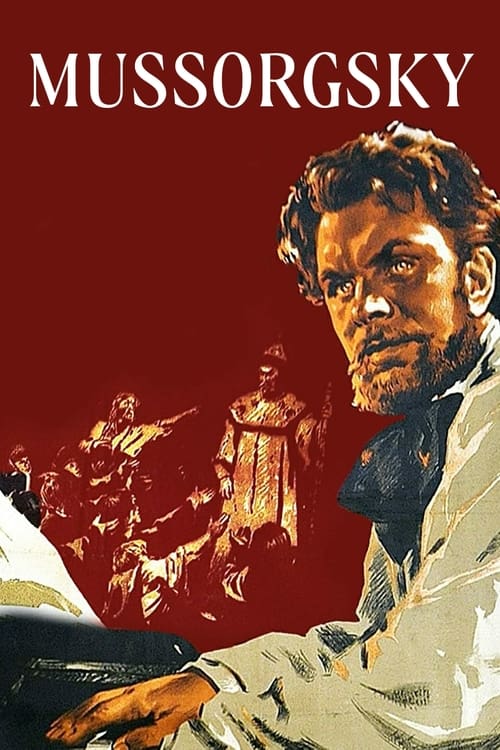
Saint Petersburg, 1858. A group of composers known as The Five meet at Balakirev's. Young Modest Mussorgsky, both a civil servant and a musician, has become a fixture there. He tells about the first opera he plans to compose. Then he goes to the country where he discovers the lowly conditions of the peasants and the bloody conflicts with the rich land owners. He works on Gogol's 'The Marriage', trying to render into music the natural accents of the play's naturalistic dialogue. But his efforts do not pan out. On the other hand, he starts writing his opera on the story of Boris Godunov. The Marinsky Theatre refuses to stage the work. The Five, and Mussorgsky among them, are libeled and the group starts disintegrating. When 'Boris Godunov' is finally performed in 1874, it is a popular success.
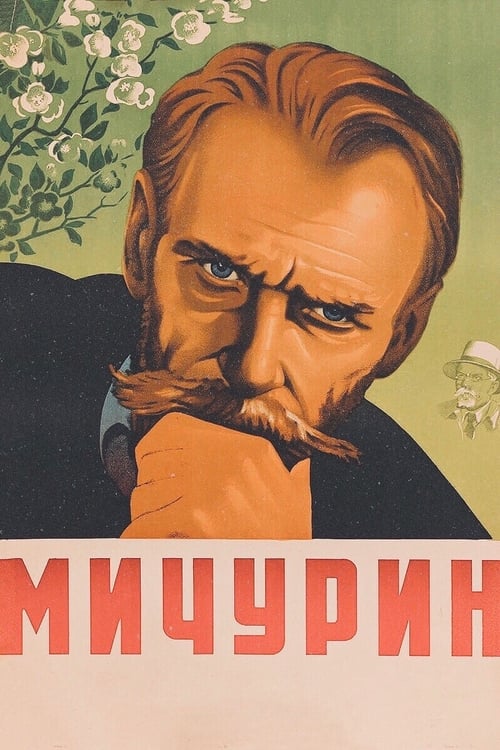
About the life of the Russian biologist Ivan Michurin. 1912 year. Having rejected American offers to work abroad, Michurin continues his research in the Russian Empire, despite the fact that his ideas are not perceived by the tsarist government, the church and idealistic science. Michurin is supported by prominent scientists of the country and he continues to work hard. After the October Revolution, a small Michurin garden in the city of Kozlov (the biologist's homeland) becomes a large state nursery.
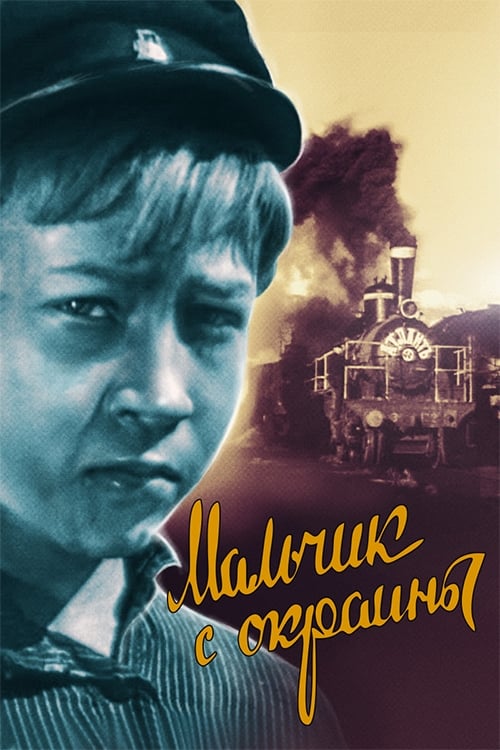
In the family of the driver Skvortsov on one of the outskirts of Moscow growing son Andrew, the future designer of high-speed firearms, but for now — inquisitive and hard-working boy, dreaming of studying. Ahead of the revolution and the Great Patriotic war…
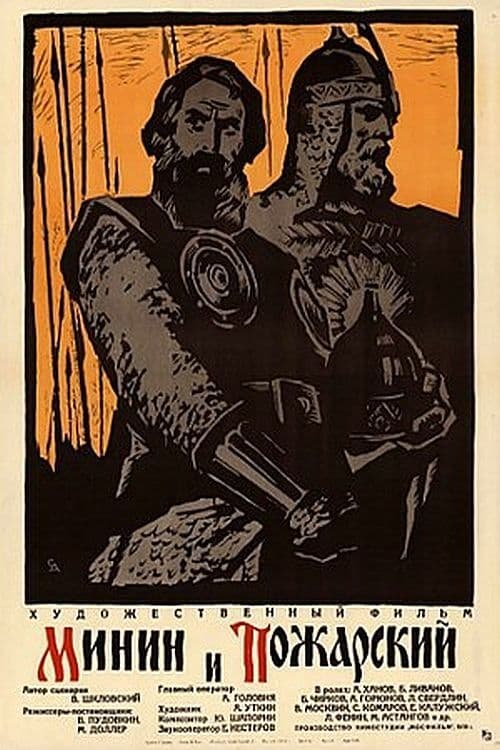
Historical film about the invasion of the Poles in the Moscow Empire (1611), the creation of Minin and Pozharsky people's militia. The beginning of the XVII century. Already the sixth year the Muscovite land under the yoke of intervention. In the fall of 1610 Polish pans in deceitfully seized the Kremlin and tried to break through to the north. Everywhere rebellions broke out, but well-armed interventionists smashed the scattered peasant detachments. The liberation movement was led by Nizhny Novgorod merchant Kuzma and Prince Dmitry Pozharsky.
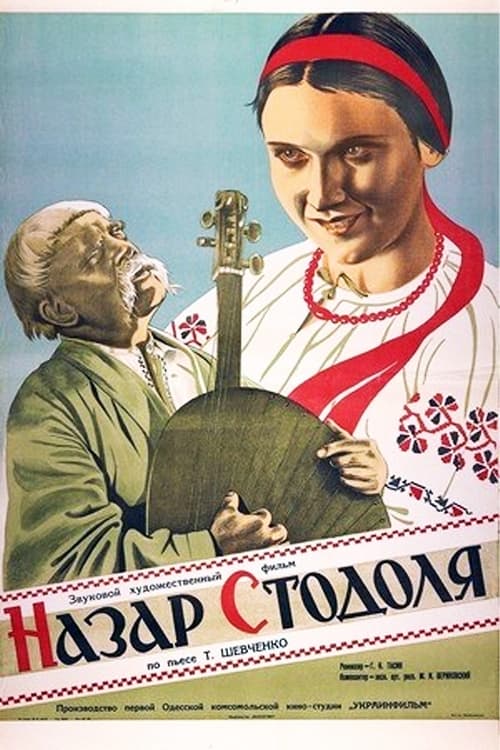
In the first half of the 17th century, the peasant Nazar Stodolya, sentenced to death by the Polish magnate Haletsky, is rescued by his friend Hnat. Later, Nazar and Hnat find themselves in the estate of the Ukrainian centurion Kichaty. The centurion, having invited a priest, persuades the fugitives to sign a paper stating that they have voluntarily been assigned to Kichaty's estate. Hnat does not sign the paper, and Nazar, falling in love with the owner's daughter Halia, easily puts his signature and thus falls into another bondage. Soon, Hnat leads the people's struggle against the oppressors, and Nazar and Halya join the rebels.
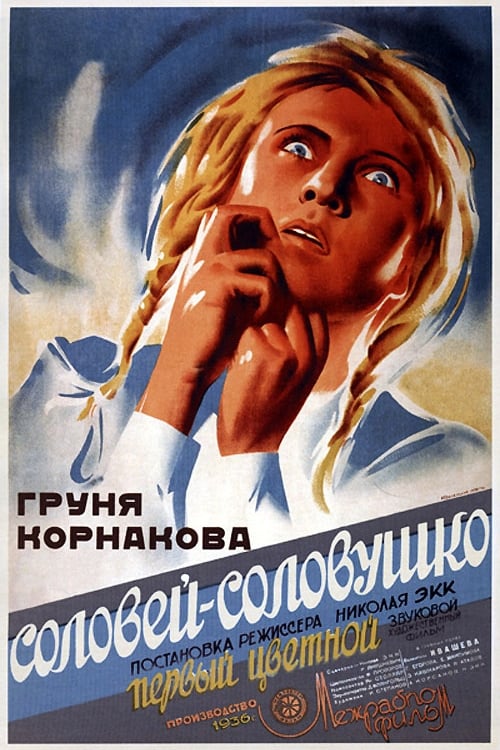
The events in the film take place in pre-revolutionary Russia. A riot of workers of a large porcelain factory is taking place. After the burning of one of the shops, Grunya's father dies in the fire. The owner of the factory caused the fire in order to obtain a fine from the workers. Grunya urgers the workers to fight, but is injured, yet she still urges the people not to give up.

During the retreat from Baku in 1920, prisoners of the White Army counterintelligence are dropped off on an uninhabited island in the Caspian Sea, where they are left to die of hunger and thirst. Four of them—the Bolsheviks Miller, Zanoza, Nesterova, and the scientist Shatsky—manage to escape.
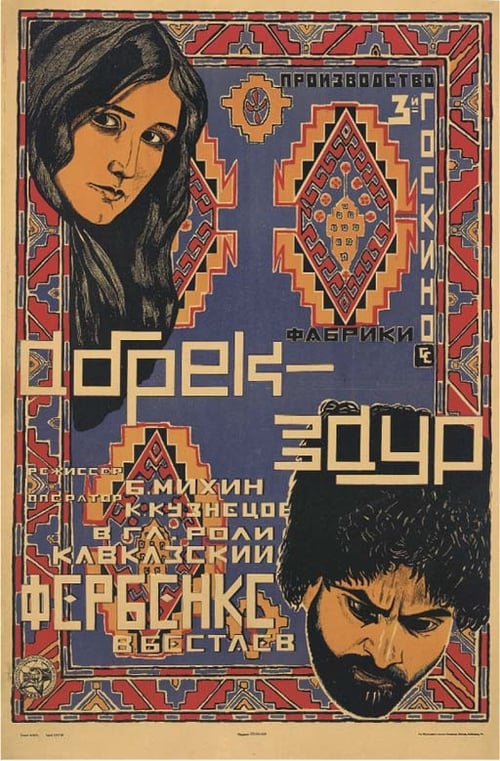
The dashing mountaineer Zaur (B. Bestaev) kills a Russian "imperialist" thereby becoming an abrek, member of a roving band of outlaws.
Subscribe for exclusive insights on movies, TV shows, and games! Get top picks, fascinating facts, in-depth analysis, and more delivered straight to your inbox.