
Action
Adventure
Animation
Comedy
Crime
Documentary
Drama
Family
Fantasy
History
Horror
Music
Mystery
Romance
Science Fiction
Thriller
War
Western
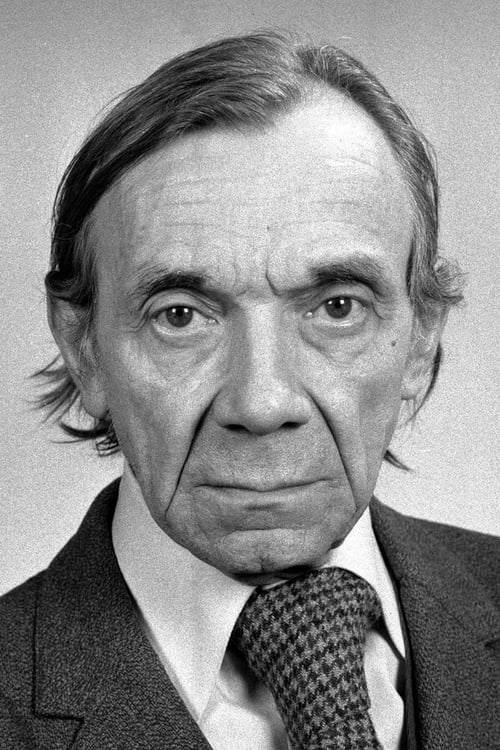
Josef Kemr se narodil 20. června 1922 v Praze do rodiny švadleny a ševce. Mladého Josefa vedl otec k umění a po něm zdědil nadání hraní na strunné nástroje. S bratrem vystupoval už v roce 1932 ve Vinohradském divadle a později i ve filmu. Vystudoval Obchodní školu v Praze v roce 1942 a ihned odešel k divadelní kočovné společnosti A. Budínské – Červíčkové (1942 – 1945). Poté prošel divadlem na Klad...
Explore all movies appearances

No plot available for this movie.

The short story film based on the book of the same name by Karel Pecka depicts the atmosphere of the Lesser Town in the 1980s.
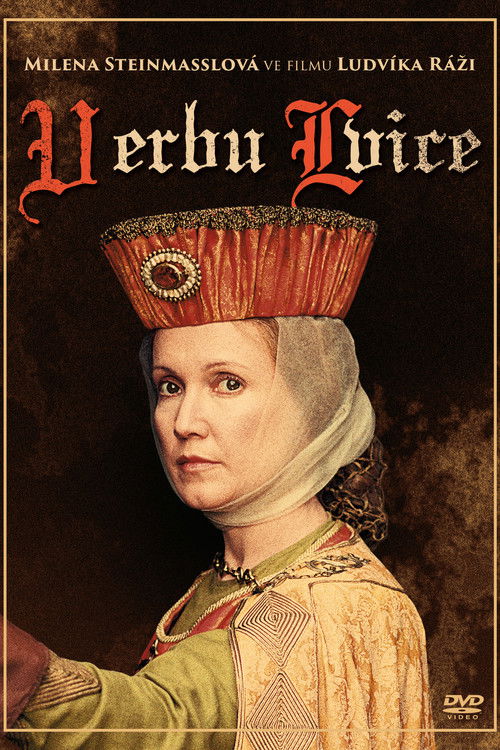
The life story of Blessed Zdislava of Lemberk, about whom legends rather than sparse historical references tell us that she was a deeply religious woman with healing powers who devoted herself entirely to the humble service of her sick and suffering neighbors.
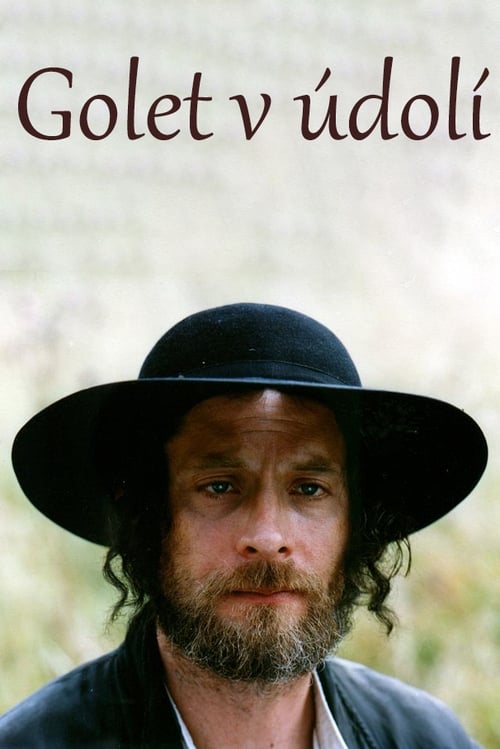
In 1930s Ukraine, the desecration of a sacred bath disrupts the sex lives of Jewish villagers.
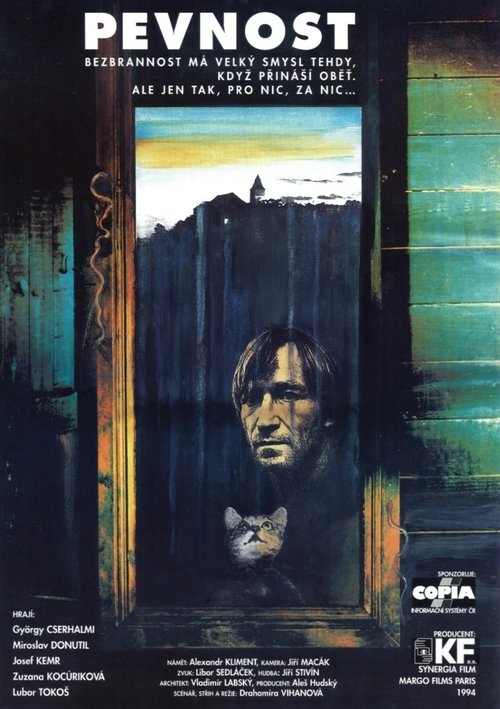
Set in the late 80s in a quiet, rural village headed by a suspicious, conspiring group of nasty leaders. Ewald has arrived there to measure water levels. Surrounding the fortress near the village are soldiers.
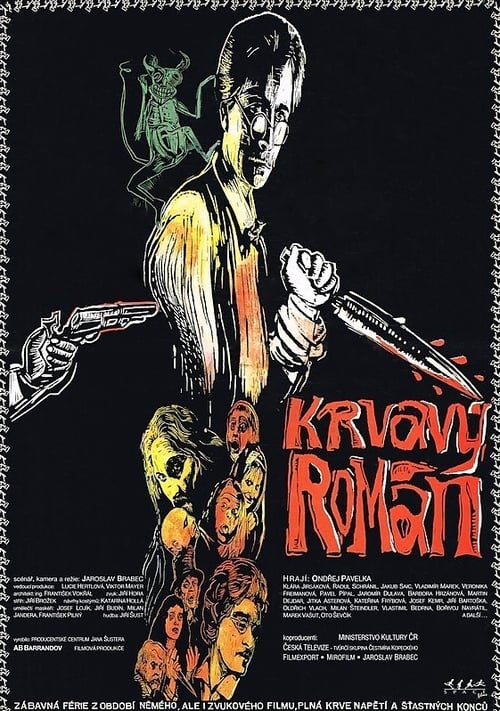
The distinctive artist, typographer, and writer Josef Váchal is known to the public primarily for his Blood Novel. The surrealistic exuberance of this defense of 19th-century pulp fiction caught the attention of Jaroslav Brabec and his colleagues, who found a corresponding image of 20th-century "trash." The authors' interest focuses primarily on the silent film era, with a journey through the history of cinema continuing through the advent of sound film to the present day (auteur cinema of the 1960s, modern horror), formally employing techniques such as tinted film. The versatile parody intertwines a colorful plot with the story of the author (Váchal/Paseky), who comments on and creates his book, and is further split in the plot into the characters of Fragonard and the Master. As with Váchal, reality increasingly enters the fiction, so that the only "happy ending" turns out to be the artist's finished work.
A TV adaptation of the famous novel in which writer Zikmund Winter depicts the life story of Prague university professor and humanist poet Jan Campanus Vodňanský and his efforts to save the ancient university after the Battle of White Mountain. Campanus gradually loses all his battles. The path of concessions leads to unintentional but tragic guilt when, at Campanus's unwitting instigation, the Jesuits seize the child of the executed Jesenius. The difficult post-White Mountain period in the Czech lands presented Campanus with a dilemma: whether to convert or to keep a clear conscience, a conflict of power and honor so common in our history...
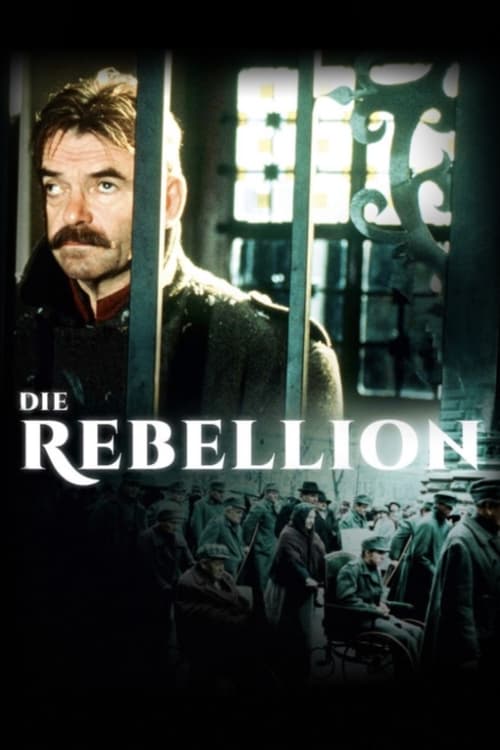
The disabled ex-soldier Andreas Pum lost a leg for emperor and father land. After leaving the army he receives a license and a drehorgel. One day he gets into a controversy with a welldressed gentleman, disturbs the public order, and hits a policeman. Andreas Pum goes to jail, loses his license and becomes toilet guard in the Cafe Halali after his release. Only at the moment of death he recognizes that he was always too decent and too obedient.
In the young man's imagination, the image of a mysterious house - a mystical building that symbolizes the spiritual world of an unknown faith - persistently returns.
No plot available for this movie.
Subscribe for exclusive insights on movies, TV shows, and games! Get top picks, fascinating facts, in-depth analysis, and more delivered straight to your inbox.