
Action
Adventure
Animation
Comedy
Crime
Documentary
Drama
Family
Fantasy
History
Horror
Music
Mystery
Romance
Science Fiction
Thriller
War
Western
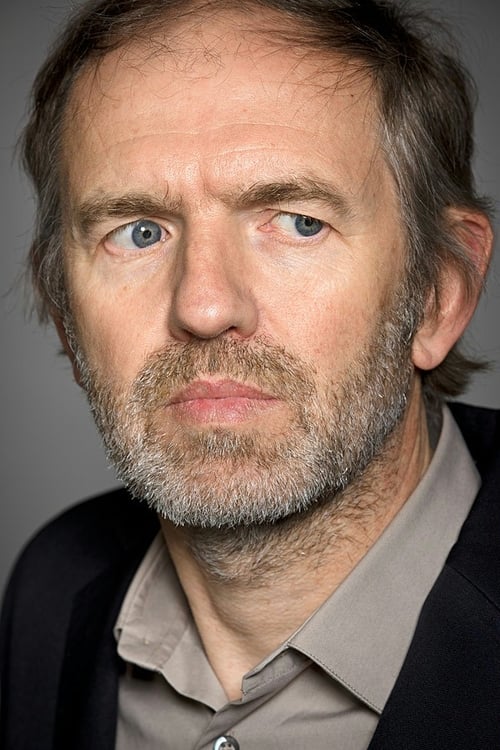
Anton Johannes Gerrit Corbijn van Willenswaard (Dutch pronunciation: [ˈɑntɔ ɲoːˈɦɑnəsˈxɛrɪt kɔrˈbɛiɱ vɑɱ ˌʋɪlənsˈʋaːrt]; born 20 May 1955) is a Dutch photographer, film director, and music video director. He is the creative director behind the visual output of Depeche Mode and U2, having handled the principal promotion and sleeve photography for both bands over three decades. His music videos incl...
Explore all movies appearances

His entire life, the charismatic actor Rutger Hauer kept the outside world at a distance. His inner circle included only a small group of people, among them director and goddaughter Sanna Fabery de Jonge. In this film, she unravels the mystery surrounding Rutger and reveals a man even more fascinating than the roles he played.

Filmmaker Morgan Neville captures Dave Letterman on his first visit to Dublin to hang out with Bono and The Edge in their hometown, experience Dublin, and join the two U2 musicians for a concert performance unlike any they’ve done before.
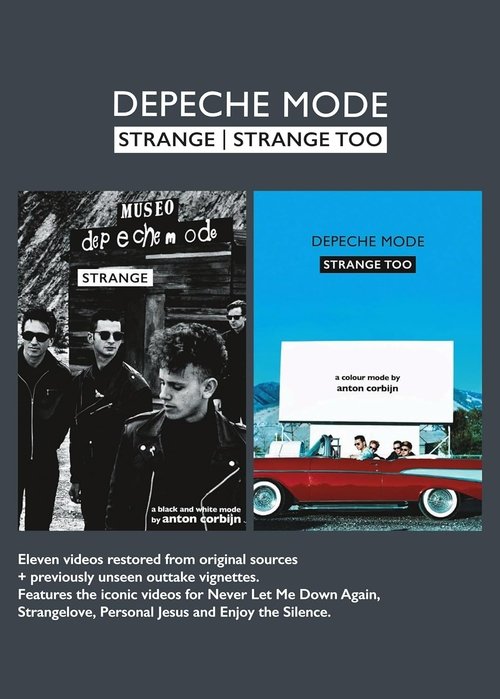
Freshly Restored from Original Super 8 Sources, the Compilation of Groundbreaking Depeche Mode Videos, Directed and Filmed by Anton Corbijn, includes 11 Music Videos + 6 Previously Unreleased Outtake "Vignettes". Previously available as individual titles in VHS and Laserdisc formats, Strange (1988) and Strange Too (1990) are compilations of the provocative and visionary short films lensed by master photographer/director Anton Corbijn, in collaboration with Depeche Mode, to create a new visual iconography for the band and their music. When assembling the final edits for Strange and Strange Too, Corbijn created a visual running order where the individual music videos are perceived as one continuous film, with additional interstitial content not seen in the original clips.

“When I do my suicide for you, I hope you’ll miss me too,” Herman Brood sang in “Rock ‘n’ Roll Junkie” – just one of many announcements of his own death Brood worked into his songs. It’s a subject Brood, who jumped off the roof of the Amsterdam Hilton 15 years ago, often sang about. In Unknown Brood, a whole range of people look back on the rock and roller’s turbulent life, including fellow musicians, his manager, a former girlfriend, photographer Anton Corbijn, Brood’s wife and their daughter. Video footage shot by Brood himself and never seen before is intercut with a rich collection of archive material, including a humorous clip of Brood barking the Dutch national anthem. His sister Beppie Brood stresses her brother’s split personality: on the one hand the shy, vulnerable man wary of other people, and on the other the one who played Herman Brood – an extravagant, hedonistic junkie and rock and roll star.

Behind-the-scenes look at making the film adaptation of John le Carré's A Most Wanted Man.

An intimate portrait of Anton Corbijn as he travels the world as a photographer, film maker and video artist…

A chronological account of the influential late 1970s English rock band.
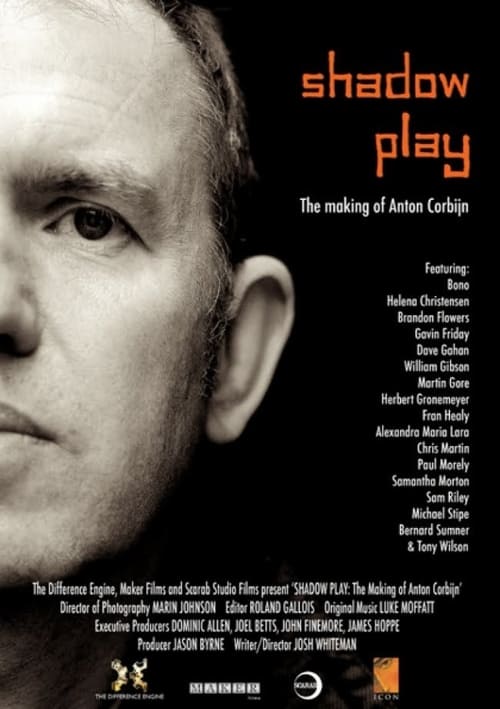
Most rock fans may not know the name Anton Corbijn, but they've certainly seen his work. Corbijn shot the iconic cover artwork for U2's The Joshua Tree and Depeche Mode's 101, and gave both groups a new and more dramatic visual persona in the process. Since them, Corbijn's work, bearing his trademark dark shadows and deep, textural details, has graced the covers of recordings by R.E.M., Bruce Springsteen, Morrissey, Nick Cave, John Lee Hooker and even Bon Jovi. Corbijn has also directed a number of music videos for the likes of Nirvana, Johnny Cash and Metallica, and made his debut as a feature film director in 2007 with Control, a screen biography of Ian Curtis of Joy Division (who Corbijn photographed several times in the group's heyday). In Shadow Play: The Making of Anton Corbijn, filmmaker Josh Whiteman offers an intimate look at the life and career of this celebrated visual artist, featuring interviews with Bono, Chris Martin, Michael Stipe, Dave Gahan and Bernard Sumner.
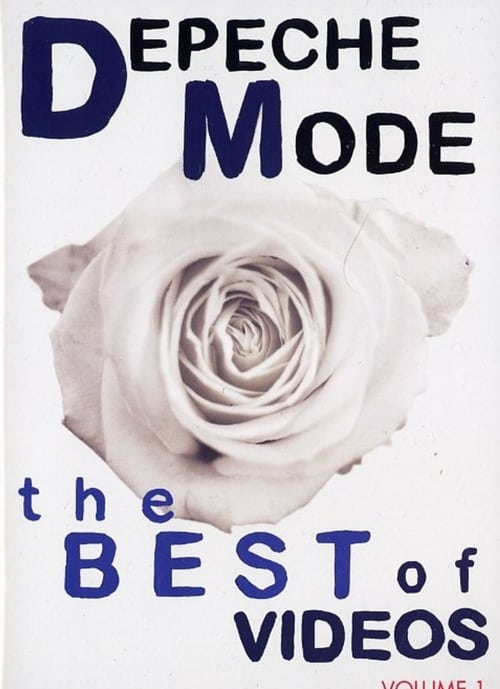
No plot available for this movie.
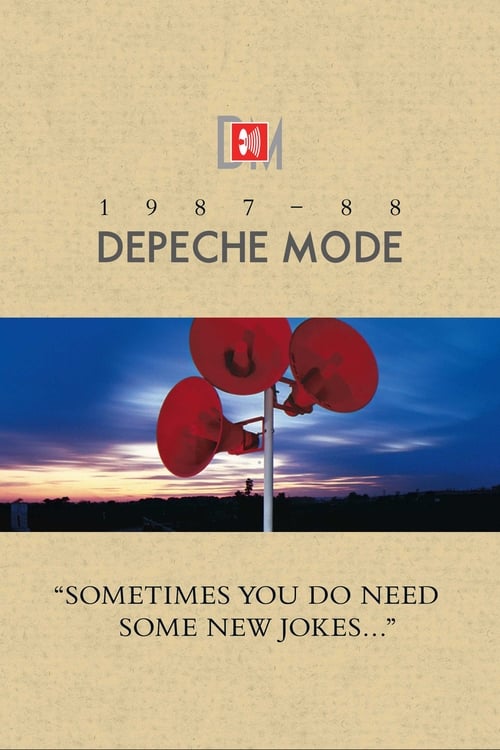
"Sometimes You Do Need Some New Jokes…" - In both musical and commercial terms, Depeche Mode had been building slowly but steadily by the time of Music for the Masses in 1987. The album really did feel like a great leap forward. It was the start of a new chapter. This short film tells the story of that album, it's aftermath and the impact on the band. The DVD also contains a 5.1 surround sound mix of the original album.
Subscribe for exclusive insights on movies, TV shows, and games! Get top picks, fascinating facts, in-depth analysis, and more delivered straight to your inbox.