Action
Adventure
Animation
Comedy
Crime
Documentary
Drama
Family
Fantasy
History
Horror
Music
Mystery
Romance
Science Fiction
Thriller
War
Western
Explore all movies appearances
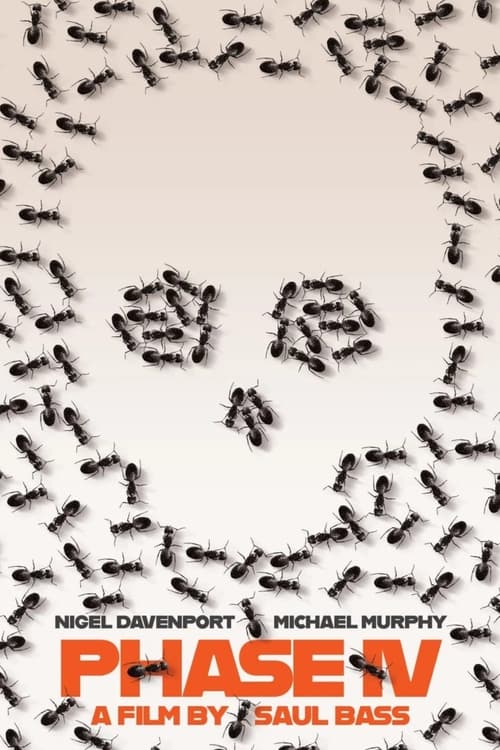
A brand new documentary by Elijah Drenner featuring interviews with Jeffrey Bass, co-star Michael Murphy, screenwriter Mayo Simon, archivist Sean Savage and design historian/Saul Bass biographer Pat Kirkham.

Perhaps at first glance, the filmography of Silvio Narizzano appears unremarkable. Thanks to his sleeper hit Georgy Girl (1966), he's known largely as a "one-hit wonder" director. Upon closer inspection, however, likely no other filmmaker used cinema as effectively to exorcise personal demons in ways both ugly and beautiful. And few directors' sensibilities were more gay, both overtly and covertly. Film historian Daniel Kremer is your tour guide through an obscure, perplexing body of work heretofore ignored and often unfairly shunned. Cruel, Usual, Necessary: The Passion of Silvio Narizzano is an essay documentary of discovery.
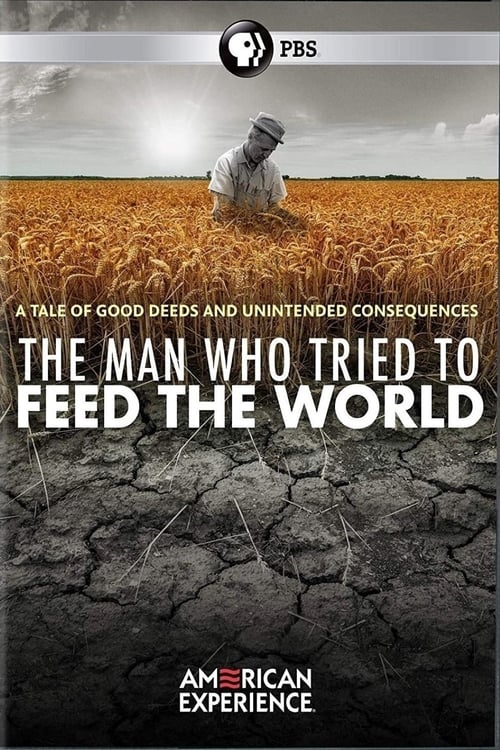
The Man Who Tried to Feed the World recounts the story of Norman Borlaug, a man who not only solved India's famine problem but would go on to lead a "Green Revolution" of worldwide agriculture programs estimated to have saved one billion lives. He was awarded the 1970 Nobel Peace Prize for his work but spent the rest of his life watching his methods and achievements come under increasing fire.
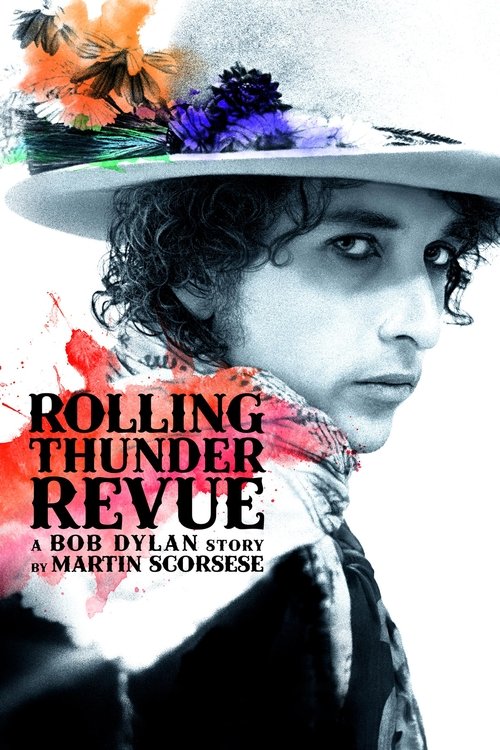
Part documentary, part concert film, part fever dream, this film captures the troubled spirit of America in 1975 and the joyous music that Dylan performed during the fall of that year.
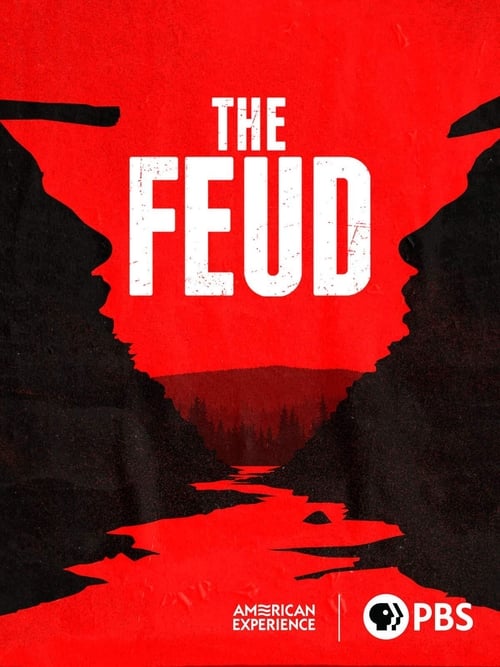
The feud between the Hatfields and McCoys is perhaps the most famous family conflict in American history. As legend has it, two neighboring families in the backwoods of Appalachia waged a crude and bloody war against each other over a stolen hog, an illicit romance, and longstanding grudges. Yet the events that took place near the end of the 19th century between the Hatfields and McCoys are part of a much richer and more complex narrative of the American experience.

Follows the life of Native Canadian Saul Indian Horse as he survives residential school and life amongst the racism of the 1970s. A talented hockey player, Saul must find his own path as he battles stereotypes and alcoholism.
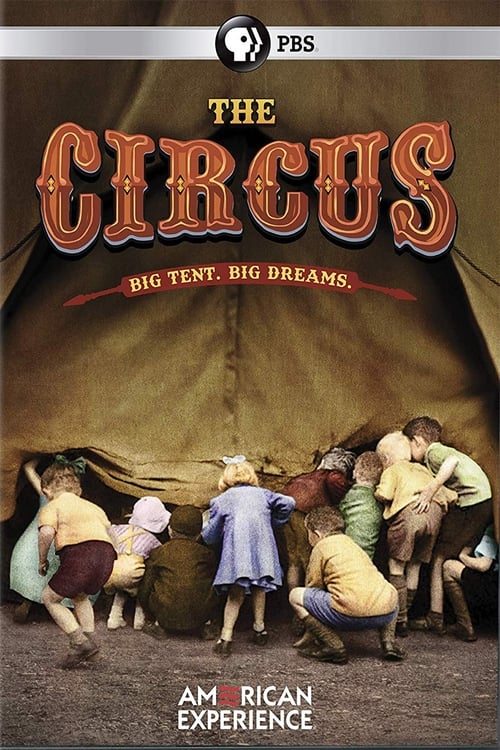
Drawing upon a vast and richly visual archive and featuring a host of performers, historians and aficionados, this four-hour mini-series follows the rise and fall of the gigantic, traveling tented railroad circus and brings to life an era when Circus Day would shut down a town and its stars were among the most famous people in the country.

Based on Doug Most's acclaimed non-fiction book of the same name, The Race Underground tells the dramatic story of how Boston overcame a litany of challenges, the greed-driven interests of businessmen, and the great fears of its citizenry to create America’s first subway.
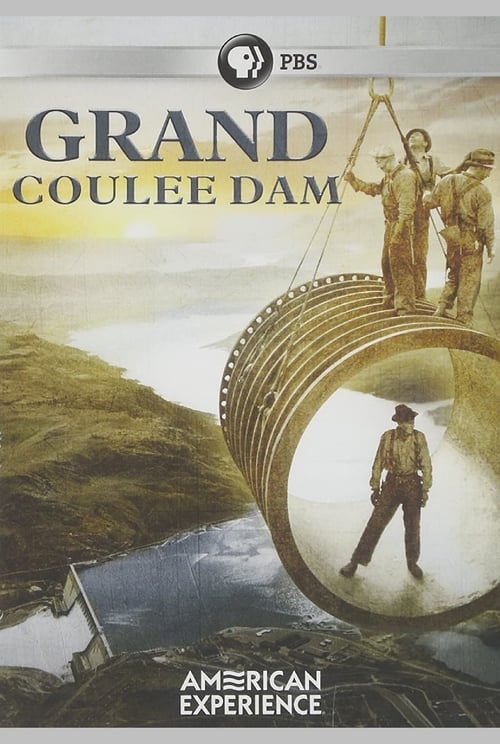
During the darkest days of the Depression when construction was started on Grand Coulee Dam, everything about it was described in superlatives. It would be the "Biggest Thing on Earth," the salvation of the common man, a dam and irrigation project that would make the desert bloom, a source of cheap power that would boost an entire region of the country. Of the many public works projects of the New Deal, Grand Coulee Dam loomed largest in America's imagination, promising to fulfill President Franklin Roosevelt's vision for a "planned promised land" where hard-working farm families would finally be free from the drought and dislocation caused by the elements.
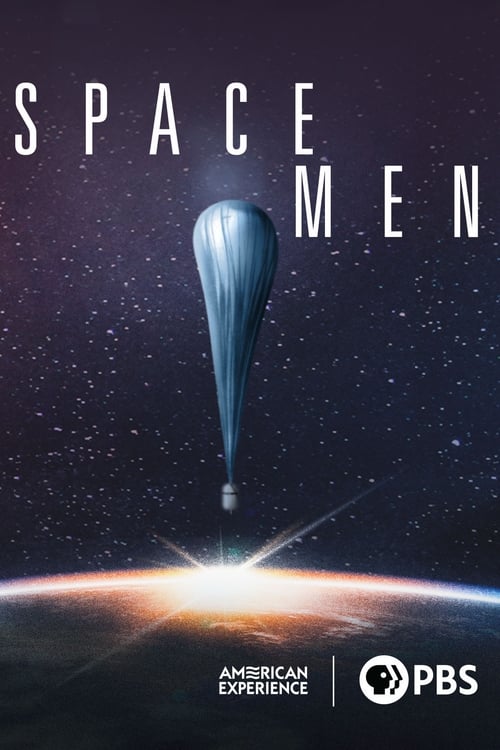
In the 1950s and early '60s, a small band of high-altitude pioneers exposed themselves to the extreme forces of the space age long before NASA's acclaimed Mercury 7 would make headlines. Though largely forgotten today, balloonists were the first to venture into the frozen near-vacuum on the edge of our world, exploring the very limits of human physiology and human ingenuity in this lethal realm.
Subscribe for exclusive insights on movies, TV shows, and games! Get top picks, fascinating facts, in-depth analysis, and more delivered straight to your inbox.