
Action
Adventure
Animation
Comedy
Crime
Documentary
Drama
Family
Fantasy
History
Horror
Music
Mystery
Romance
Science Fiction
Thriller
War
Western
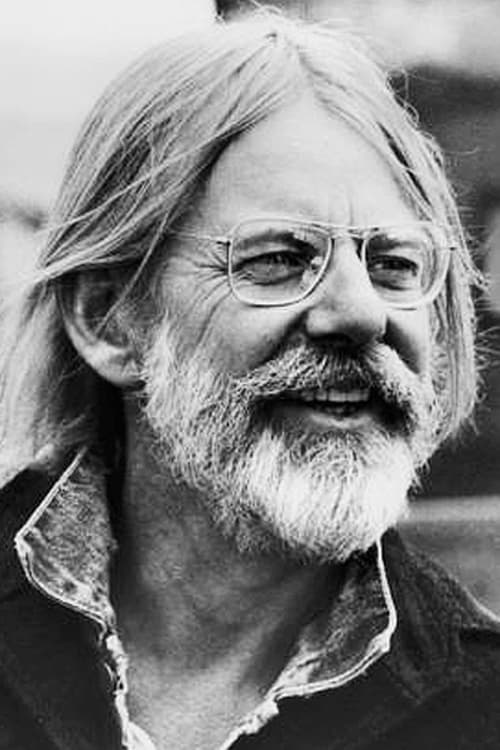
From Wikipedia, the free encyclopedia Hal Ashby was an American film director and editor associated with the New Hollywood wave of filmmaking. Before his career as a director Ashby edited films for Norman Jewison, notably The Russians Are Coming, the Russians Are Coming (1966), which earned Ashby an Oscar nomination for Best Editing, and In the Heat of the Night (1967), which earned him his only...
Explore all movies appearances

Hal Ashby's obsessive genius led to an unprecedented string of Oscar®-winning classics, including Harold and Maude, Shampoo and Being There. But as contemporaries Coppola, Scorsese and Spielberg rose to blockbuster stardom in the 1980s, Ashby's uncompromising nature played out as a cautionary tale of art versus commerce.
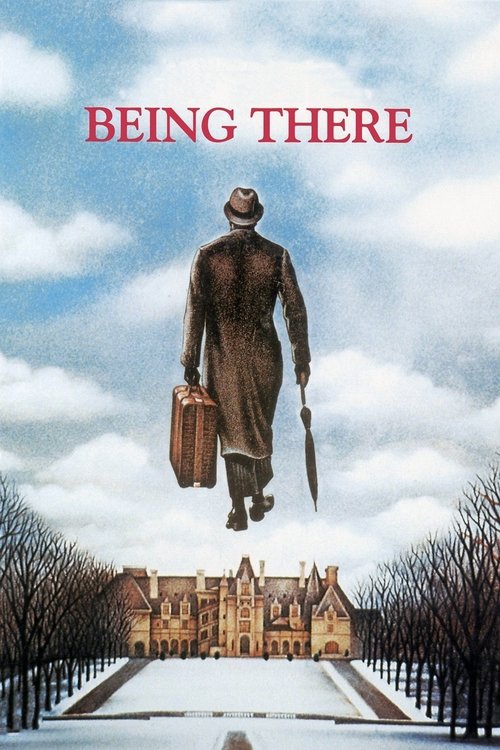
A simple-minded gardener named Chance has spent all his life in the Washington D.C. house of an old man. When the man dies, Chance is put out on the street with no knowledge of the world except what he has learned from television.

Two Navy men are ordered to bring a young offender to prison, but decide to show him one last good time along the way.
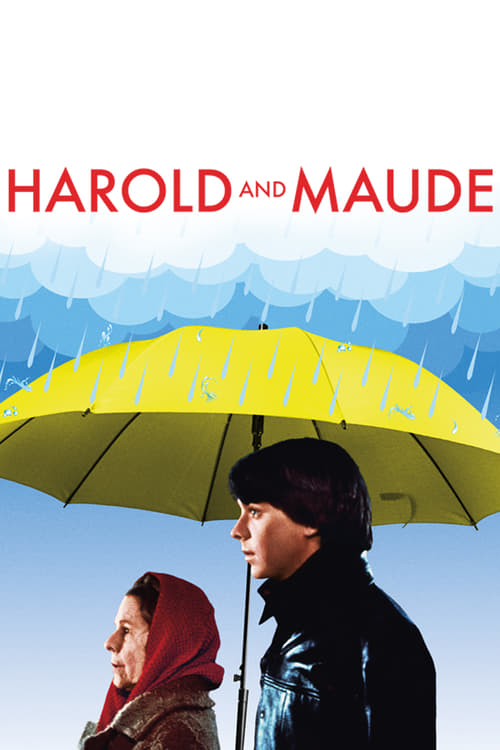
The young Harold lives in his own world of suicide-attempts and funeral visits to avoid the misery of his current family and home environment. Harold meets an 80-year-old woman named Maude who also lives in her own world yet one in which she is having the time of her life. When the two opposites meet they realize that their differences don’t matter and they become best friends and love each other.

At the age of twenty-nine, Elgar Enders "runs away" from home. This running away consists of buying a building in a black ghetto in the Park Slope section of Brooklyn. Initially, his intention is to evict the black tenants and convert the building into a posh flat. But Elgar is not one to be bound by yesterday's urges, and soon he has other thoughts on his mind.
Subscribe for exclusive insights on movies, TV shows, and games! Get top picks, fascinating facts, in-depth analysis, and more delivered straight to your inbox.