
Action
Adventure
Animation
Comedy
Crime
Documentary
Drama
Family
Fantasy
History
Horror
Music
Mystery
Romance
Science Fiction
Thriller
War
Western
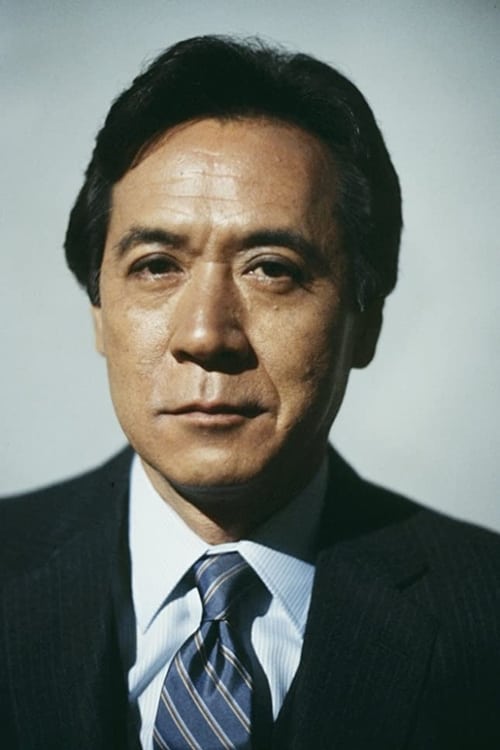
James Saburo Shigeta (June 17, 1929 – July 28, 2014) was an American actor, singer, and musician of Japanese descent. He was noted for his roles in The Crimson Kimono (1959), Walk Like a Dragon (1960), Flower Drum Song (1961), Bridge to the Sun (1961), Die Hard (1988), and Mulan (1998). In 1960, he won the Golden Globe Award for Most Promising Newcomer – Male, along with three other actors. In hi...
Explore all movies appearances

In 1985, Star Trek's George Takei joined a group of dedicated fans to make a student film deep in the California forest—only for the footage to mysteriously vanish. Nearly 40 years later, Beam Me Up, Sulu unearths this lost film, revealing not just a piece of fan history but a broader story of representation, resilience, and the ongoing fight for inclusion in media and society.

Having escaped capture by the Klingons, a damaged Starfleet reconnaissance probe crashes undetected on the planet Pahl III. Hikaru Sulu, serving as first officer on the retrofitted USS Yorktown, is sent by Admiral Nogura on a secret mission to help locate the missing spy drone.

A history of anti-Asian racism and yellowface in Hollywood after the 1941 Pearl Harbor attack.

The People I've Slept With - a promiscuous woman who finds herself with an unplanned pregnancy and needs to figure out who the baby daddy is...NOW. Angela Yang loves sex. She loves it so much she needs to make baseball cards of her lovers to help her remember where she's been. She doesn't think twice about her lifestyle until she finds out that she's pregnant. Her gay best friend, Gabriel Lugo tells her to "take care of it," but her conservative sister, Juliet persuades Angela to get married to the baby's father and lead a "normal" life like her. Angela listens to her sister, chooses to keep the baby, and goes on a quest to find the identity of the father by any means necessary.

Hollywood Chinese is a captivating look at cinema history through the lens of the Chinese American experience. Directed by triple Sundance award-winning filmmaker, Arthur Dong, this documentary is a voyage through a century of cinematic delights, intrigues, and treasures. It weaves together a wondrous portrait of actors, directors, writers, and movie icons who have defined American feature films, from the silent era to the current new wave of Asian American cinema. At once entertaining and enlightening, Hollywood Chinese reveals long-untold stories behind the Asian faces that have graced the silver screen, and weaves a rich and complicated tapestry, one marked by unforgettable performances and groundbreaking films, but also by a tangled history of race and representation.

From silent film star Sessue Hayakawa to Harold and Kumar Go to Whitecastle, the Slanted Screen examines the portrayal Asian men in film and television, and how new filmmakers are now re-defining age-old stereotypes.
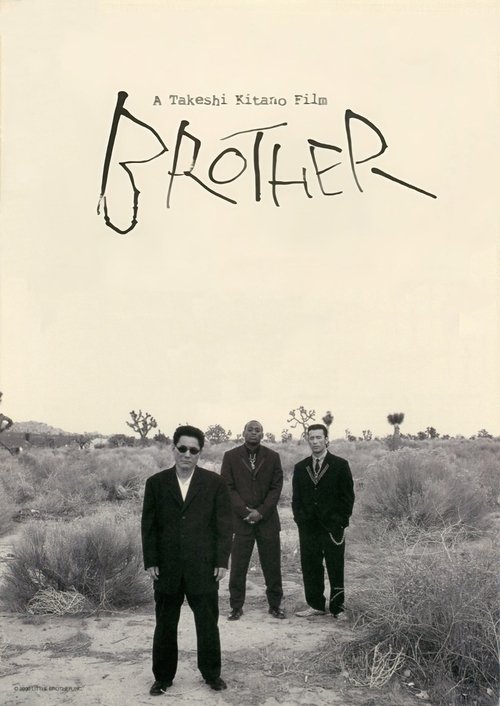
A Japanese Yakuza gangster's deadly existence in his homeland gets him exiled to Los Angeles, where he is taken in by his little brother and his brother's gang.

This documentary introduces viewers to qigong, a 5,000-year-old method of cultivating and circulating the life energy called qi. It relates some of the history of qigong, as well as scientific evidence of efficacy. We also see qigong used in various contexts in modern China, and hear from Chinese doctors and qigong practitioners. The film was originally produced for the Public Broadcasting Service in the United States.

To save her father from certain death in the army, a young woman secretly enlists in his place and becomes one of China's greatest heroines in the process.

A prototype enhanced human, on the run from Chinese-hired hit men, hooks up with a dread-locked bystander, and the two of them elude their pursuers narrowly each time.
Subscribe for exclusive insights on movies, TV shows, and games! Get top picks, fascinating facts, in-depth analysis, and more delivered straight to your inbox.