
Action
Adventure
Animation
Comedy
Crime
Documentary
Drama
Family
Fantasy
History
Horror
Music
Mystery
Romance
Science Fiction
Thriller
War
Western
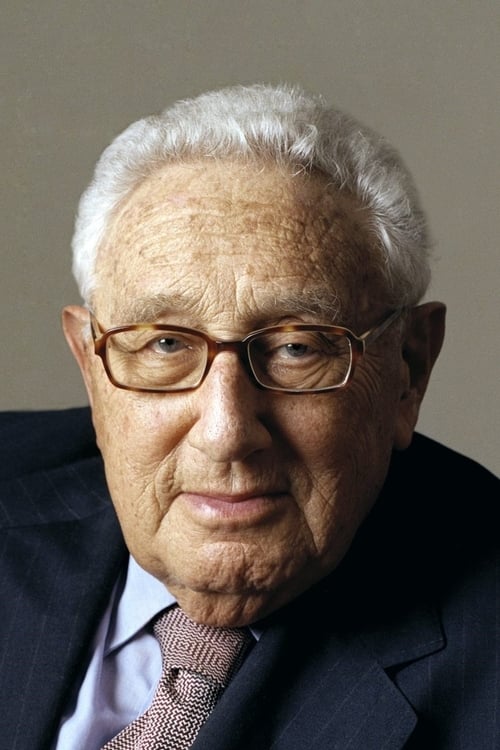
Henry Alfred Kissinger (né Heinz; May 27, 1923 – November 29, 2023) was a German-born American politician, diplomat, political scientist and geopolitical consultant who served as United States secretary of state and national security advisor under the presidential administrations of Richard Nixon and Gerald Ford. Kissinger played a prominent role in United States foreign policy between 1969 and 1...
Explore all movies appearances

The Conference on Security and Cooperation in Europe (CSCE) was the starting point for the slow but sure collapse of communist authoritarian rule in Eastern Europe. The Helsinki Effect offers new perspectives on the events of the Cold War. The film tells the story of the CSCE process, which had a major impact on the end of the Cold War, and sheds light on secret top-level discussions behind closed doors, through voice simulations using artificial intelligence.
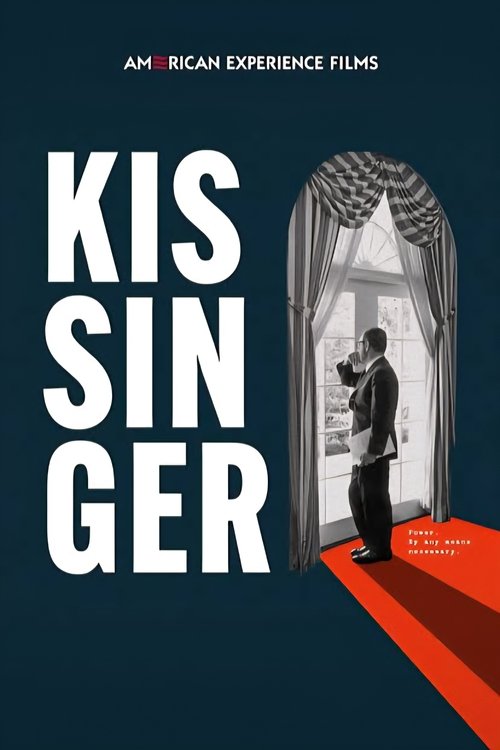
This two-part, three-hour biography, offers an incisive portrait of Henry Kissinger, the enigmatic powerbroker who served in the topmost echelons of American diplomacy. Whether celebrated or reviled, Kissinger’s contradictions reflect those at the heart of America’s foreign policy during the second half of the 20th century, a period in which America became the unchallenged superpower in the world yet often pursued policy at odds with its own highest ideals.By examining his life up to and throughout his tortured relationship with President Richard Nixon, Kissinger endeavors to understand precisely what drove his relentless drive for power. It is a story of deep contradictions — of Kissinger’s obsession with securing American supremacy, staving off nuclear war, and checking the power of our enemies, even while consorting with dictators and tolerating widespread violation of human rights.
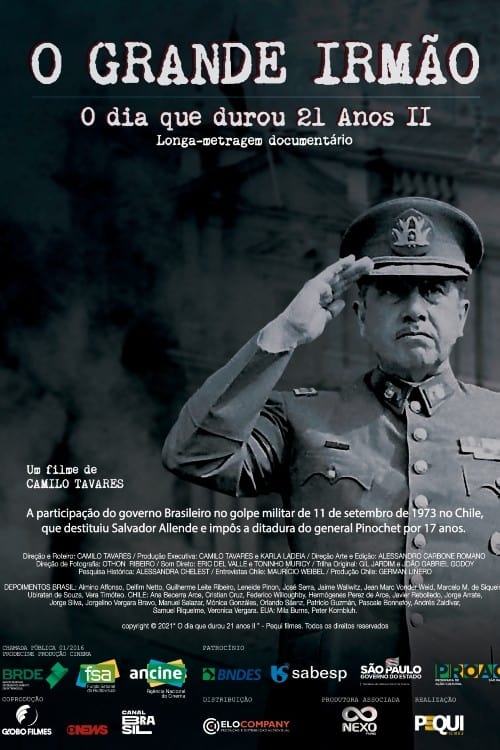
With confidential and unpublished documentation, the film shows the background and behind-the-scenes of the coup in Chile that took place on September 11, 1973 - and General Pinochet's dictatorship, which lasted 17 years.

How do the well-meaning and highly educated men and women of America’s foreign policy elite, dreaming of doing good in the world, so often find themselves presiding over disastrous wars and genocides? Master filmmaker Dror Moreh takes us deep inside the three decades of American foreign policy since the fall of the Berlin Wall, a period of almost constant war and mass killing
In the Cold War years of the 1970s, an American patrol boat meets a Soviet ship off the east coast of the United States for talks about fishing rights in the Atlantic. In the midst of this, while Russian commanders are aboard the U.S. Coast Guard vessel where the talks are being held, a Lithuanian sailor jumps across the ten feet of icy water separating the boats. Crash-landing on the deck of the American ship, he desperately begs for asylum. Though they try, the Americans ultimately fail to provide protection and the Soviets are allowed to capture him and brutally return him to their vessel. Thus begins a stranger-than-fiction story of imprisonment, discovery, fame, and freedom. Through rare archival footage and a dramatic first-person re-enactment of that fateful day by Simas Kudirka, the would-be defector himself, this tale of one of the biggest Cold War muddles takes us on a journey of uncanny twists of fate, and the emotional sacrifices of becoming a universal symbol of freedom.
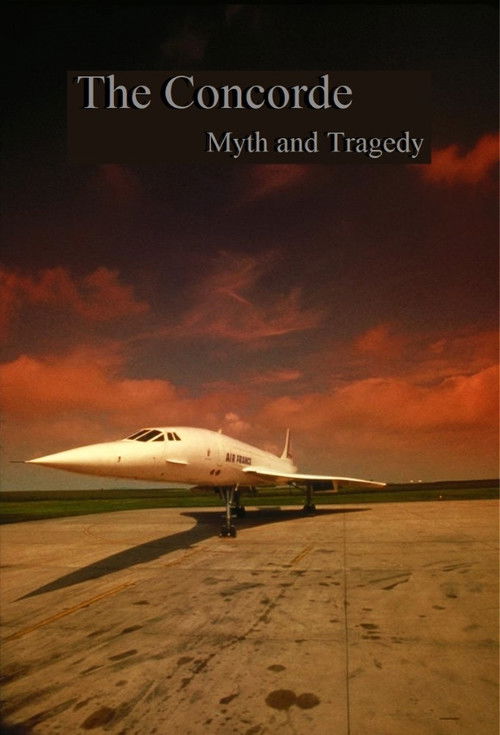
Concorde was the epitome of elegance, speed and glamour, linking London and New York in little over three hours. But on the 25th of July 2000 tragedy struck which meant the end of supersonic flight.
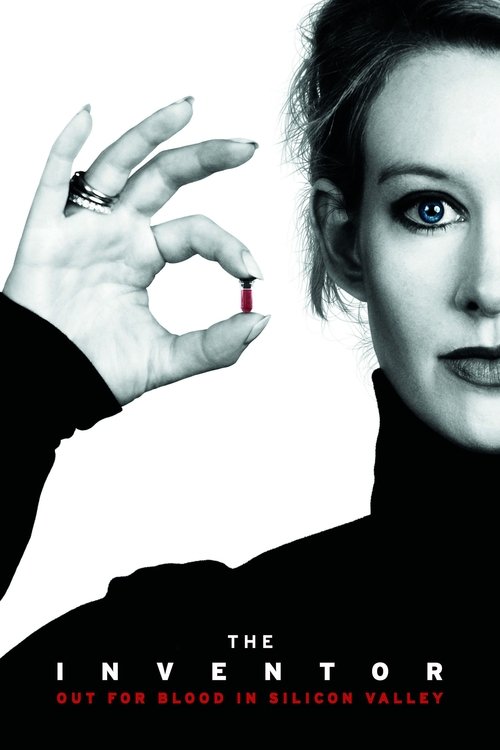
With a magical new invention that promised to revolutionize blood testing, Elizabeth Holmes became the world’s youngest self-made billionaire, heralded as the next Steve Jobs. Then, overnight, her 10-billion-dollar company dissolved. The rise and fall of Theranos is a window into the psychology of fraud.
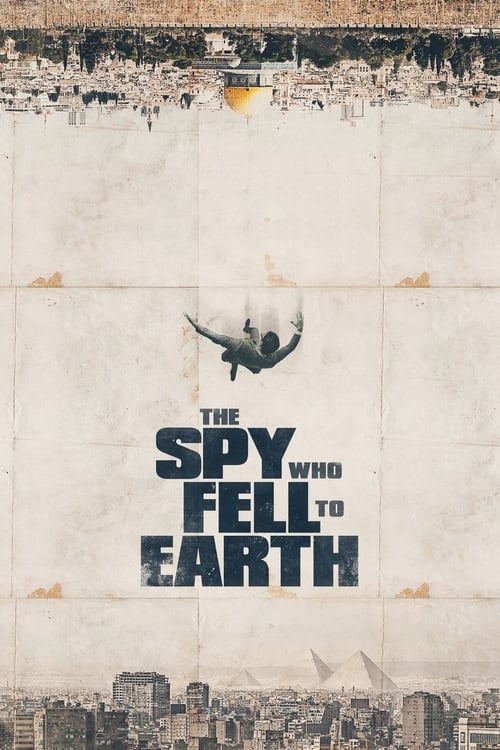
Based on Dr. Ahron Bregman's book, this documentary examines the life and mysterious death of Ashraf Marwan, an Egyptian billionaire and double agent.

The smallest of sparks can lead to the largest of explosions. Such is the case of the Atomic Bomb and the minds who have conceived of the deadliest force the world has ever known. This new documentary Atomic: The History of the A-Bomb follows this weapon of mass destruction from inception to detonation.
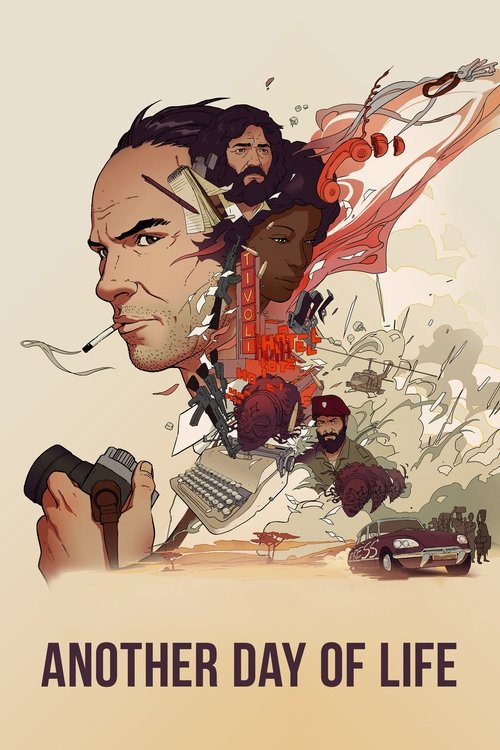
In 1975, Ryszard Kapuściński, a veteran Polish journalist, embarked on a seemingly suicidal road trip into the heart of the Angola's civil war. There, he witnessed once again the dirty reality of war and discovered a sense of helplessness previously unknown to him. Angola changed him forever: it was a reporter who left Poland, but it was a writer who returned…
Subscribe for exclusive insights on movies, TV shows, and games! Get top picks, fascinating facts, in-depth analysis, and more delivered straight to your inbox.