
Action
Adventure
Animation
Comedy
Crime
Documentary
Drama
Family
Fantasy
History
Horror
Music
Mystery
Romance
Science Fiction
Thriller
War
Western

Julián Pastor was born on October 18, 1943 in Mexico City, Distrito Federal, Mexico. He was an actor and director, known for Mujer de cabaret (1991), La casta divina (1977) and Los pequeños privilegios (1978).
Explore all movies appearances
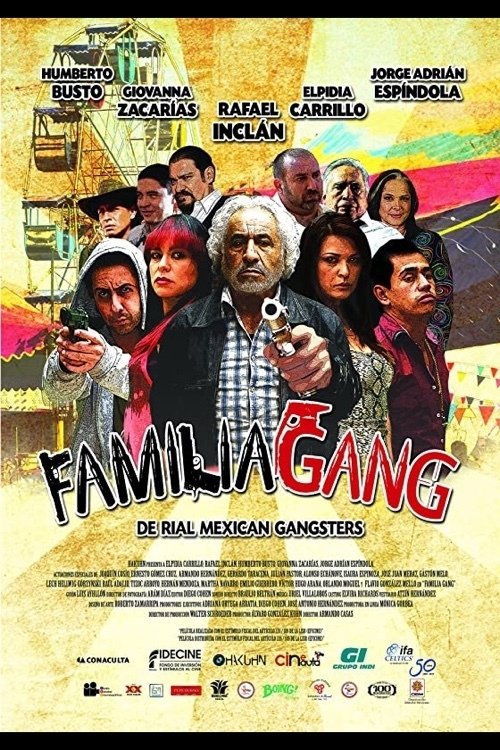
A senior official of the Mexican political system decides to fake the capture and death of The Coyote, public enemy number one in Mexico, to make this happen, he cuts a deal with his family, who require a dead body to pose as a double. Topillero is responsible of executing the plan. But on this journey he is reunited with his wife and son, whom he abandoned years ago.
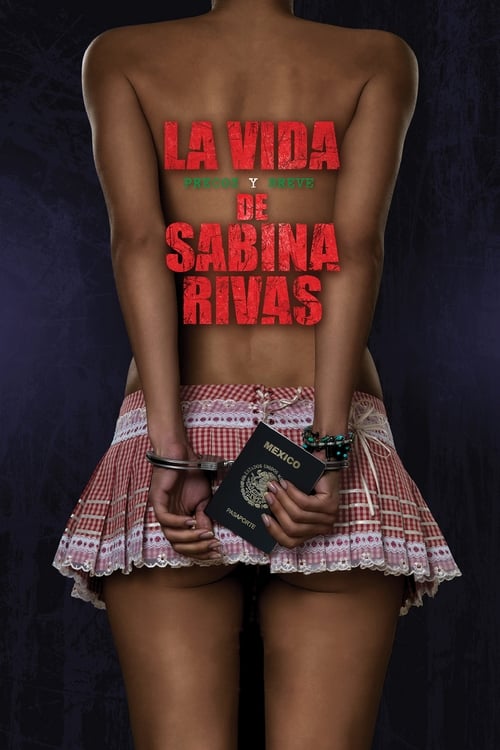
In the Mexican-Guatemalan border, young teenage lovers, Sabina and Jovany, both Hondurans, accidentally meet again after some years without seeing each other. She plans to get to the United States and dreams about being a great singer; he commits all the required atrocities to be accepted by the gang: la Mara Salvatrucha. Sabina and Jovany crashed with the most adverse conditions at the border like white slavery, the Mexican and American migratory agents Burrona and Patrick, the brothel matron Doña Lita, Don Nico the Mexican Consul in Tecún Umán, the drug trafficking networks, the army and la Mara Salvatrucha.
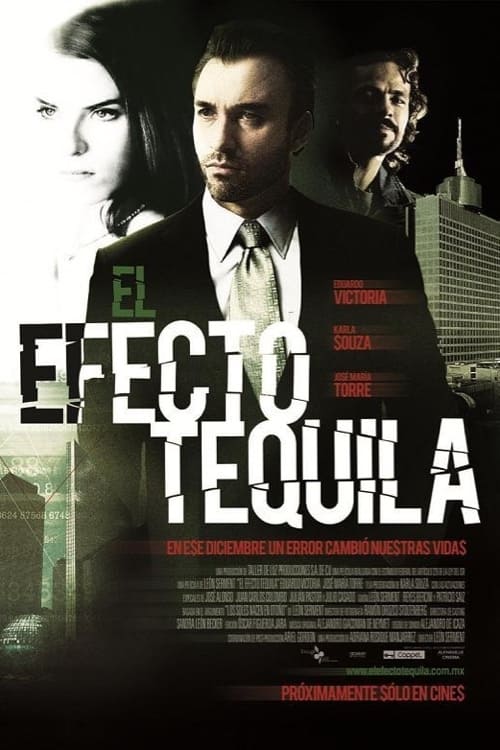
A story of love of money and power. A story of courage and bravery. It is the life of José Fierro, a man who faces the consequences of his acts when he decides to go all out; of his wife Ana Luisa, who wants to experience love and eroticism beyond what is permitted. A brave movie that reflects the best and the worst of humans, but is also a tragicomedy (as is life), full of humor, hope and self-sacrifice: the reflection of a country undergoing a permanent financial crisis, produced by the Tequila effect, but which has the virtue of not letting itself be defeated.
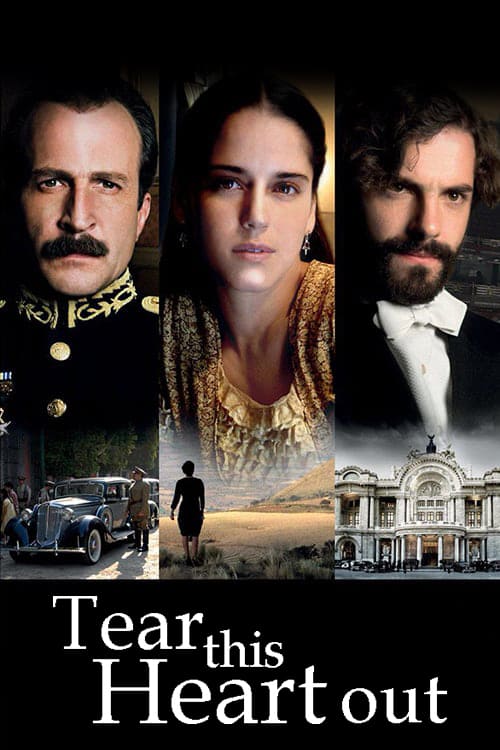
A young girl recounts her girlhood and eventual marriage to a general of the Mexican revolution. by one of the most outstanding writers of the new feminist Mexican literature, it is at once a haunting novel of one woman's life and a powerful account of post-revolutionary Mexico from a female perspective.
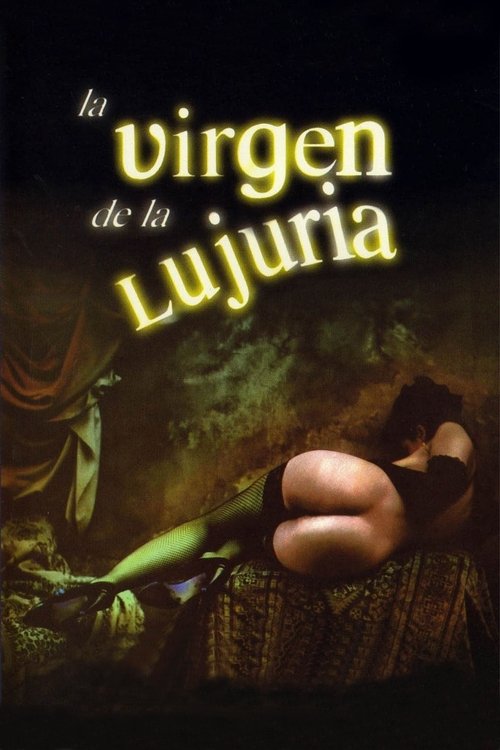
In Vera Cruz in the 1940s, Nacho, an Indian, waits tables at Don Lázaro's café at Hotel Ofélia. He falls for Lola, an opium-addicted, alcoholic whore who's hopelessly in love with Gardenia Wilson, a masked wrestler who slept with her once but knows she's unbalanced. Don Lázaro warns Nacho about Lola, and Nacho knows his love will be unrequited, but he'll do anything, regardless of how degrading, to be near her. Lola, for her part, can be sadistic. Republican exiles who are regulars at the café encourage Lola's desire to assassinate Franco. Nacho in turn mixes this political mirage with his fascination with the plot of "The Mikado." Where do fantasies and obsessions lead?
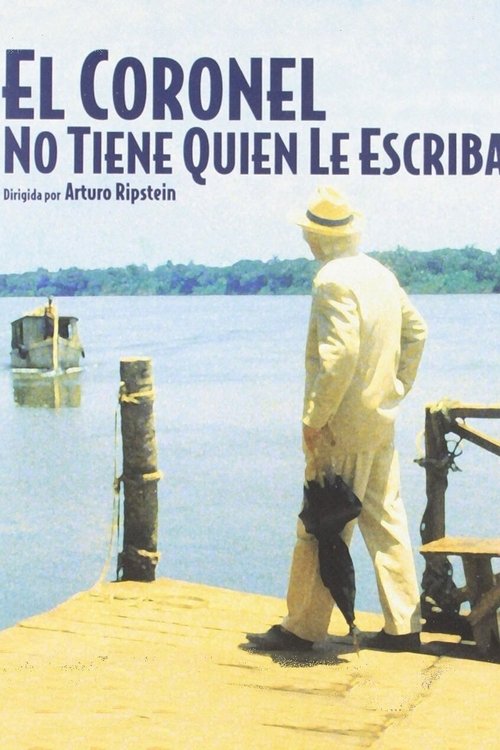
Every Friday, the Colonel puts on his only suit and goes to the dock to await a letter announcing the arrival of his pension. But the townsfolk all know that this pension will never come. His wife also knows it, and even he knows it. But he is still waiting, living with the pain of the death of his son.
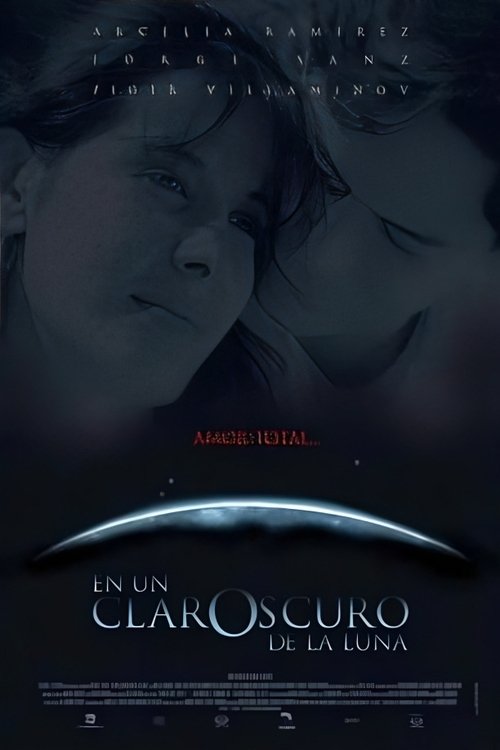
Ana starts falling in love with an ecologist engineer that comes with her father who is from Russia.
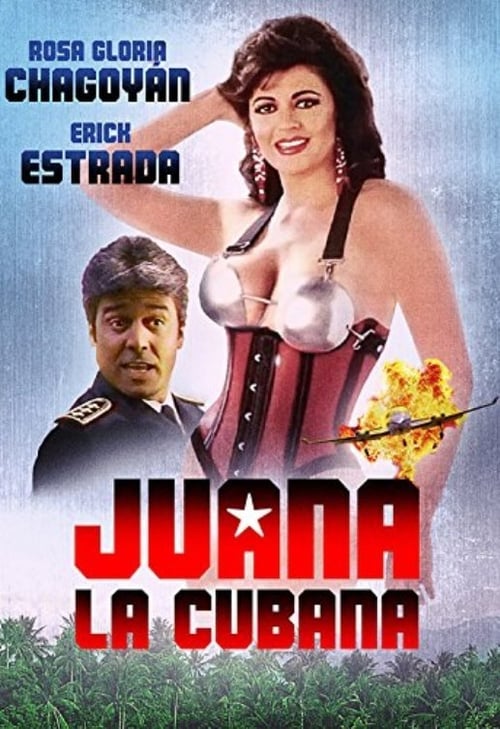
The beautiful nightclub singer/dancer Juana the Cuban moonlights as freedom fighter “Commander Zeta”, joining forces with the C.I.A. to overthrow the brutal regime of a military dictator (played by Erik Estrada) who plans to unleash bacteriological warfare on the U.S.A.
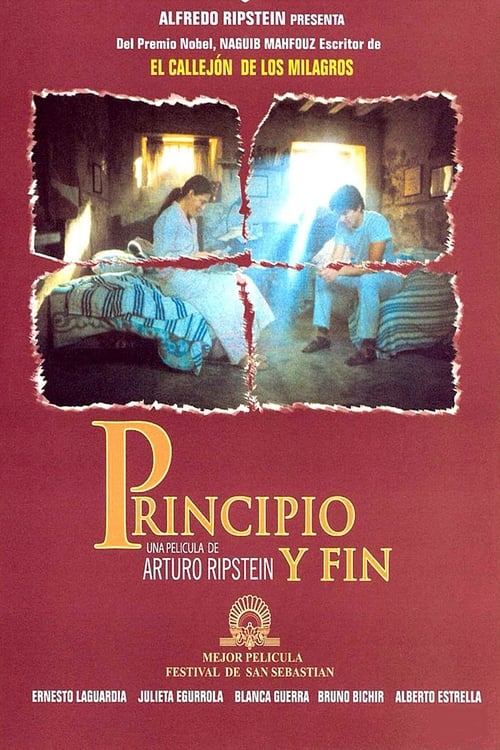
The film tells the story of the Boteros, a middle-class Mexican family struggling against poverty after their father's death. Ignacia (Egurrola) is the Boteros mother, a desperate woman who chooses to sacrifice the destiny of her three older children, in order to protect Gabriel (Laguardia) the youngest one. She believes Gabriel will climb the social structure and bring back the lost fortune to the family. But destiny has other plans for the Boteros and tragedy will overcome eventually. Based on the novel of Nobel Prize winner Naguib Mahfouz.
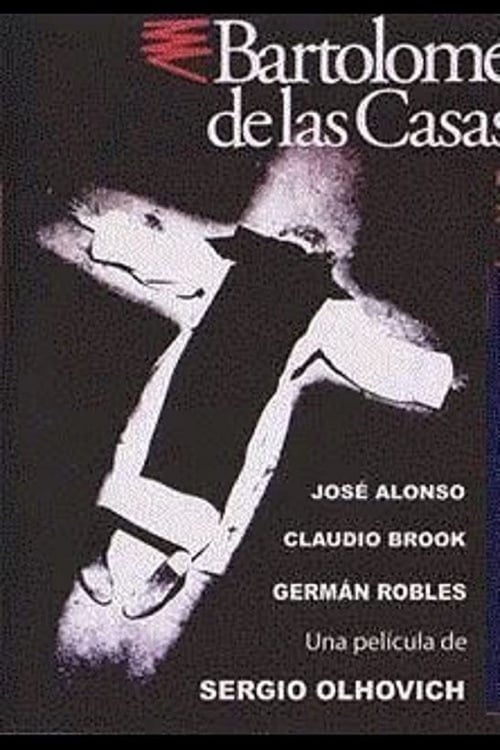
Three moments in the life of Fray Bartolomé de Las Casas; his youth encounter with the natives; his resignation in maturity to lands and encomiendas to evangelize and defend justice and dignity against the cruelty of the Spanish and his reflections at the end of his life
Subscribe for exclusive insights on movies, TV shows, and games! Get top picks, fascinating facts, in-depth analysis, and more delivered straight to your inbox.