
Action
Adventure
Animation
Comedy
Crime
Documentary
Drama
Family
Fantasy
History
Horror
Music
Mystery
Romance
Science Fiction
Thriller
War
Western
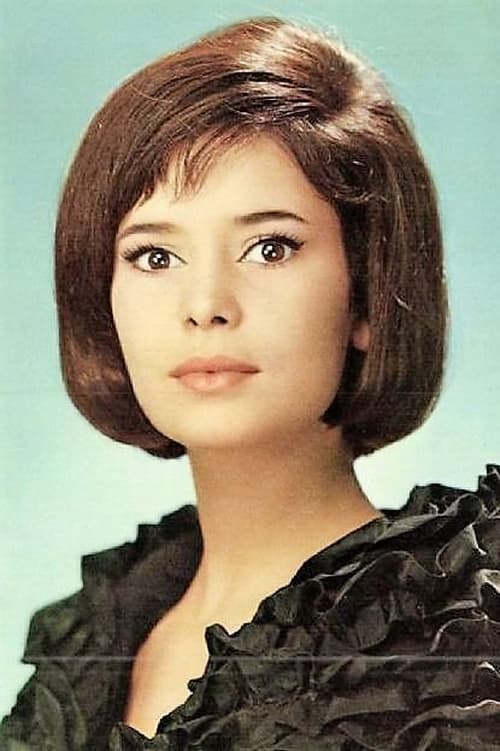
Marie-José Benhalassa (22 April 1940 – 10 October 2019), known professionally as Marie-José Nat, was a French actress. Among her notable works in cinema were the sequel films Anatomy of a Marriage: My Days with Jean-Marc and Anatomy of a Marriage: My Days with Françoise (1963), directed by André Cayatte. In 1974, she received a Cannes Film Festival Award for Best Actress for her performance in the...
Explore all movies appearances
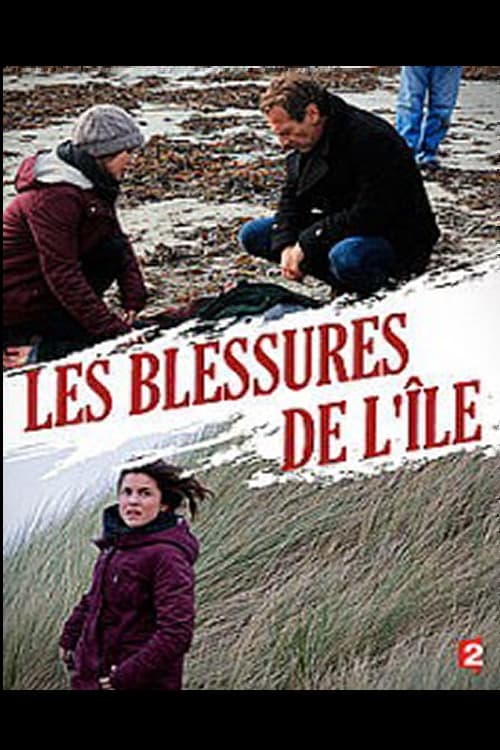
The murder of a woman in an abandoned house is the first murder this rural French island has had in 100 years. Or is it? A cop who left the island 20 years earlier and a young intern who moved away when she was six years old - but doesn't remember those first six years of her life - team up to solve the murder and some other mysteries that develop during the course of their investigation.
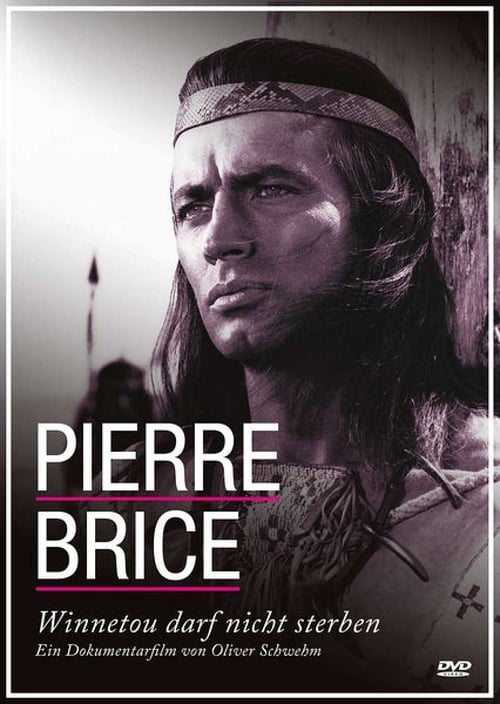
He is a living legend in Germany, but never became known to a wider audience in France: Winnetou actor Pierre Brice. Director Oliver Schwehm sensitively traces the career of the French actor, whose career only took off very hesitantly in the 1950s before he experienced a meteoric rise through the role of the noble Apache chief. Brice reflects on his role as "Winnetou" and visits the original locations in Croatia 40 years after the last filming was completed. Statements from colleagues and former companions (including Mario Adorf and Marie Versini) as well as numerous film clips round off this entertaining documentary.

Officially declared missing in 1945, Gaston Boissac suddenly comes back at 70 years old in his home village.
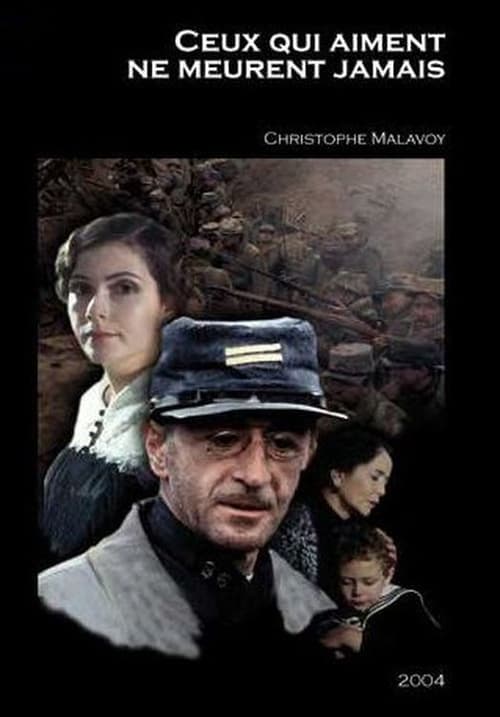
During WW-I Odette gets to know that her husband André has fallen. Her littler son never saw him. He tries to recapitulate his last hours.
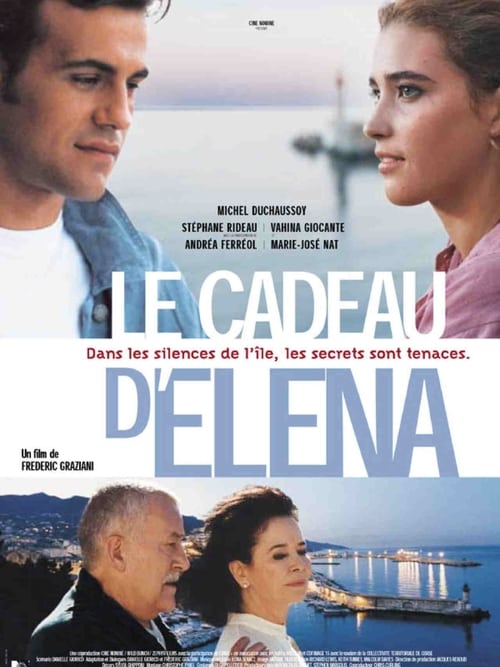
After more than 40 years of absence, Socrates spends some days in Corsica, accompanied by his son Antoine, to see his cousins. But Antoine discovers his father's secret before his birthday party.
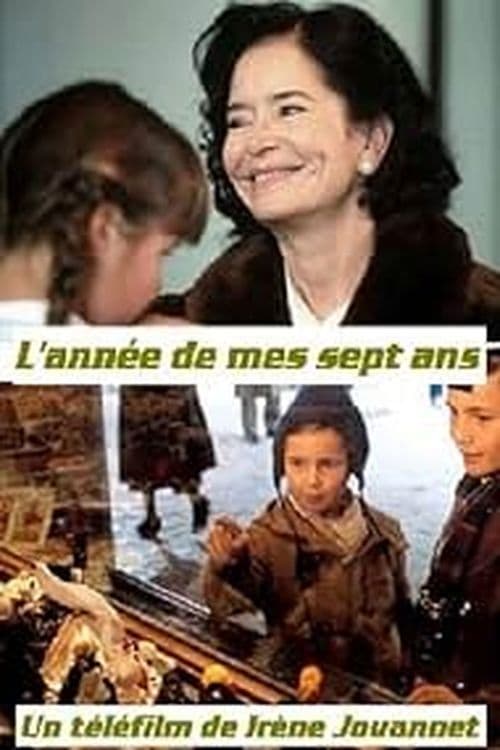
My name is Hélène and 1952 was not an easy year for me. First, because my parents decided to leave Montpellier for Paris but without taking me and my big brother Michel along with them. Why, I don't know... The fact remains that I had to leave the south for Lille, in the North, where my grandmother Yaya (her true name is Alice but this is the way call her) and my grandfather Georges were living. What I disliked most was that Yaya had a preference for Michel and that Granddaddy was too grumpy. In Lille I also got very upset when pupils at the catholic school I attended told me I was... Jewish. Jewish? I didn't even know that Jews even existed. And when I knew better about them (Michel was more informed than I was), what a shock it was when I learned that my two other grandparents had been sent to a concentration during the war. A little too much for a little girl like me. A sure thing is that I will never forget the year 1952, the year when I was seven...

In 1941, the inhabitants of a small Jewish village in Central Europe organize a fake deportation train so that they can escape the Nazis and flee to Palestine.
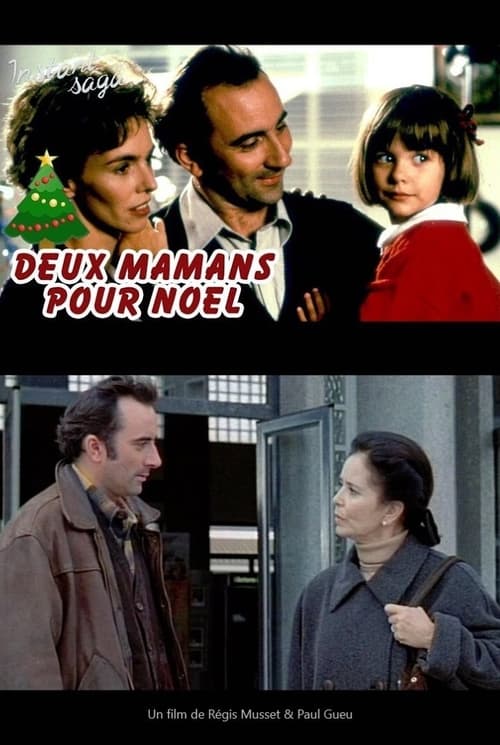
After years, Eric decides to track down his mother.
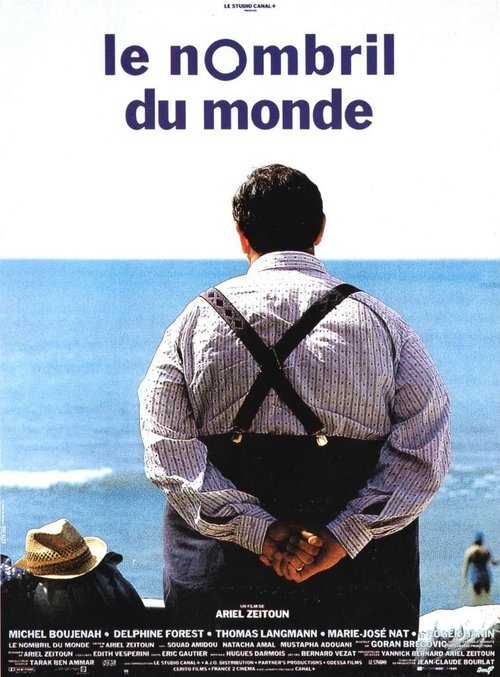
Tunisia, early thirties, the young and plump Bajou, lives modestly with his parents. One day after a flood, his father suddenly disappears. Thanks to his uncle and his cousin Marcel, he moves with his mother Oumi to work for the wealthy landowner Mr. Scali, a talkative and boastful man.
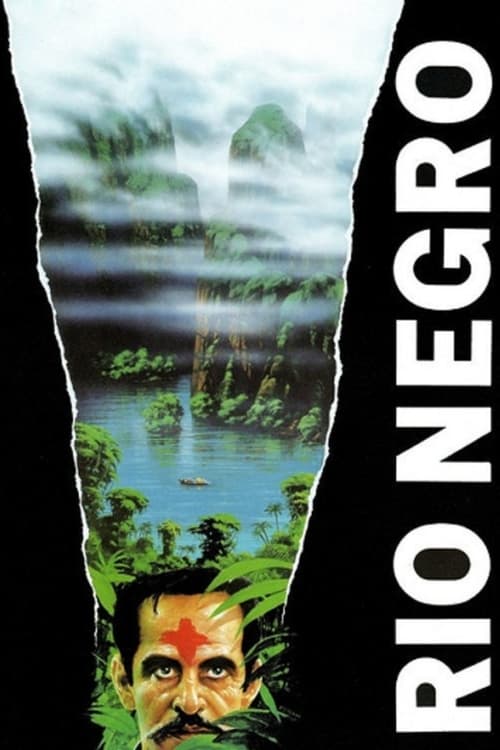
Río Negro is the struggle of two men, Osuna and Funes, hungry for power and wealth in a small town in Venezuela, during the dictatorship of Juan Vicente Gómez
Subscribe for exclusive insights on movies, TV shows, and games! Get top picks, fascinating facts, in-depth analysis, and more delivered straight to your inbox.