Action
Adventure
Animation
Comedy
Crime
Documentary
Drama
Family
Fantasy
History
Horror
Music
Mystery
Romance
Science Fiction
Thriller
War
Western
Explore all movies appearances

The two were brought together by chance. Ten-year-old Saša ran away from home when he was suspected of setting fire to a barn with his friends. Seventeen-year-old Ruda escaped from a juvenile detention center because he attacked a guard. They met in Sasha's grandfather's garden shed, and their paths would soon have diverged if Sasha hadn't discovered that it was Ruda who had set fire to the barn and decided to force him to confess to the police so that he and his friends would not be punished. But Ruda has no interest in confessing. He wants to get away. Away from this country, far from his life in children's homes and juvenile detention centers. And to prevent Saša from ruining his plan, he takes him as a kind of "hostage"...
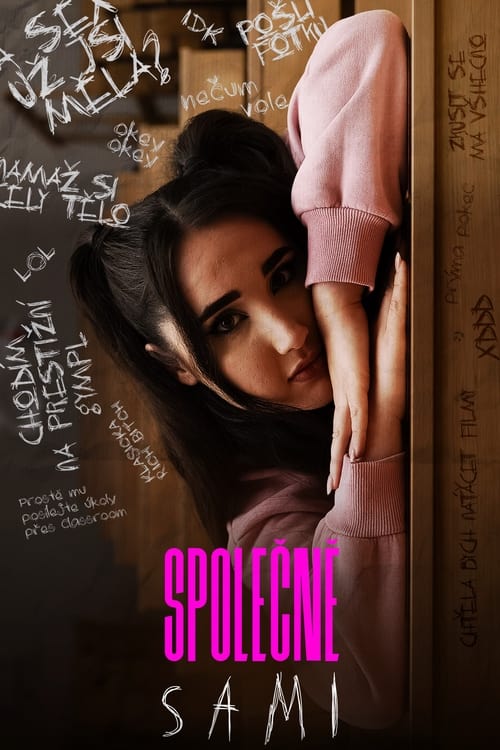
Together Alone is a dramatic film divided into three parts, each of which introduces us to the lives of different characters, both students and adults, each of whom is dealing with their own problems. The first part introduces us to the life of Ema, a student at a private high school who finds herself in a controversial situation after looking for a part-time job to supplement her income. The second part follows three ambitious students at a state high school who take their ambitions to become doctors too seriously. The third part takes us into the family of eleven-year-old Anička and her mother, where Anička's desire to be the only important person in her mother's life leads to unexpected events.
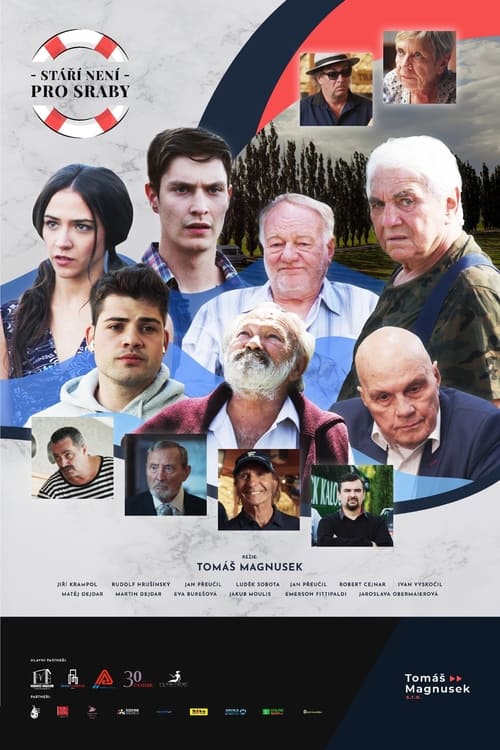
Do you have dreams? Any unfulfilled wishes? A group of retirees set out on a trip to fulfill them and reminisce about their younger years working at the municipal spa. Kňoura, Josefa, Janata, Kačera, and grandson Tomáš are in for a trip they will never forget. A helicopter flight, sleeping under the stars, dinner at a posh restaurant, a race with a Formula 1 driver, but also fun on the merry-go-round.

A short film based on the book by Slovak author Pavol Zeleňák, "Keď sú tajomstvá iba služobné" (When Secrets Are Only Official). In four tragicomic short stories—banking, confessional, medical, and state secrets—the viewer learns what can happen when bank clerks, priests, doctors, and ministers reveal or abuse official secrets. Regardless of the reason for their actions, they can cause curious problems or even tragedy.
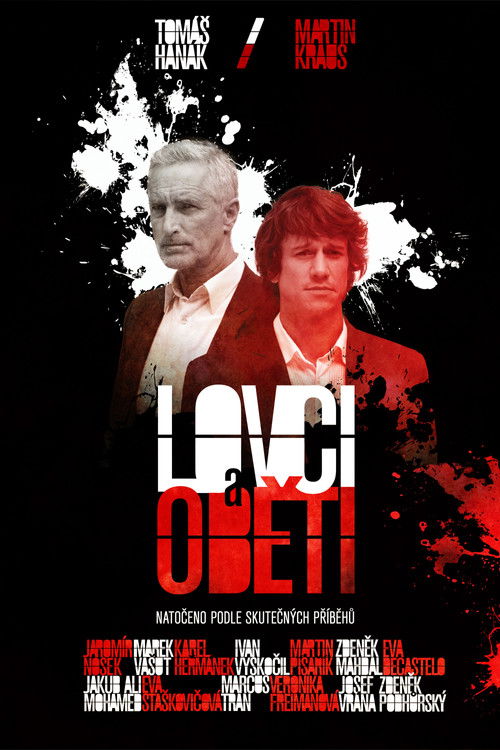
The film captures the life stories and problems of today's young people. On the one hand, there is a love of music and the problems of finding love in life, and on the other, the harsh reality of life in today's society. The fate of the main character is marked by financial problems, but also by the drug history of his loved ones. The film alternates between tragic moments and humorous dialogues, which are often interwoven with the slang expressions of today's youth. The plot is complemented by 12 original songs of various musical genres, sung by the performers.
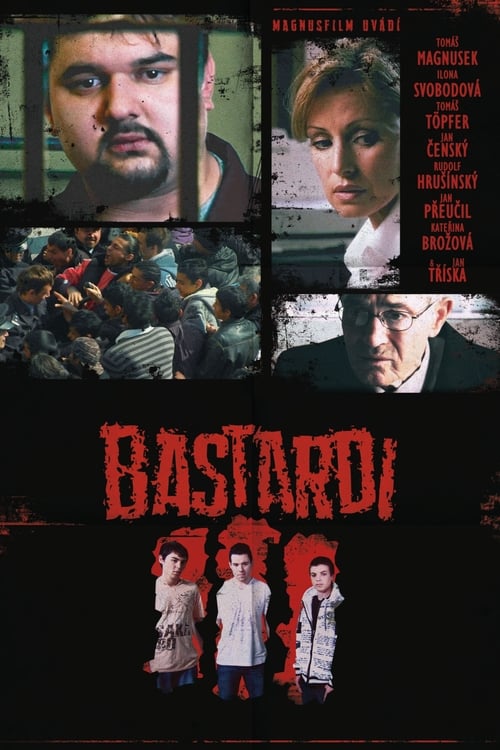
Teacher Tomáš Majer, who joined a former special school in 2010, has disappeared. He arrived at the school several months after his sister Jana, also a teacher, was murdered. During the school year, the boys who murdered Jana Majerová mysteriously died. Tomáš Majer most likely avenged his sister in cold blood.
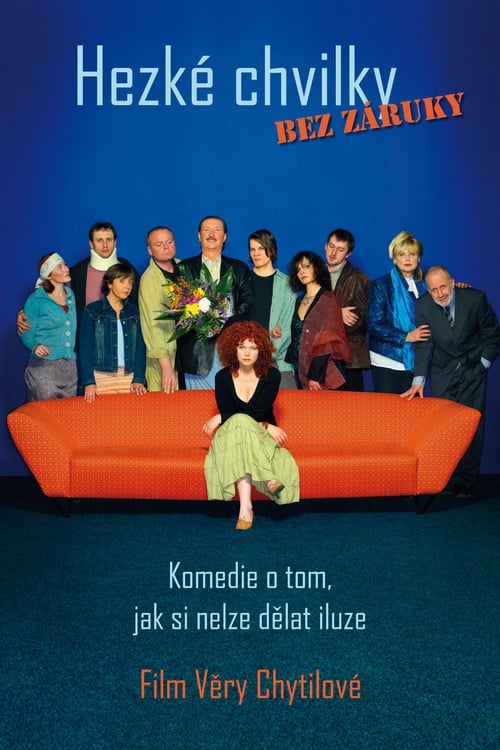
Hana is a psychologist and a thoroughly independent woman. Her unemployed husband, jealous of his wife, finds a younger girlfriend, but their teenage son Honzik is frustrated; everyone ignores him. Hana's patient Eva, an attractive middle-aged woman, is having problems with her 25-year-old son; she is in love with her son's friend and her son is offended by her behavior. To complete the circle, he falls in love with Hana and Honzik is utterly disgusted by their affair. Another of Hana's patients is Dub, a millionaire who can have pretty much anything, or anyone, he wants. He wants Hana. But he can't have her.
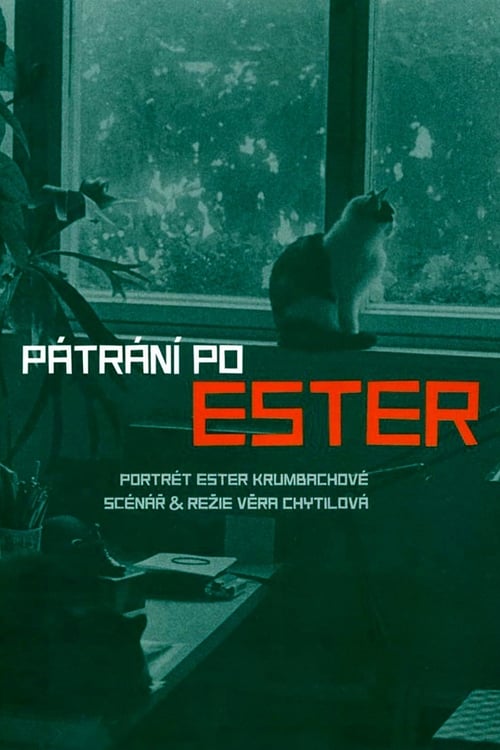
Ester Krumbachová - a costume designer, screenwriter, director; one of the boldest personalities of the Czech New Wave. She worked in theatre, she was a writer and an illustrator. She co-created films such as O slavnosti a hostech (1966), Sedmikrásky (1966), Vsichni dobrí rodáci (1969), Pension pro svobodné pány (1968), Valerie a týden divu (1970), Slamený klobouk (1972) and many others. In the 1960s, she was a 'pivot' of the art scene in Prague, attracting artists who were on the threshold of their career, just setting out to find their own form of self-realization. Those who underwent her tutelage remember her forever. Director Vera Chytilová talks to those who knew Ester Krumbachová, who worked with her, befriended her, loved her. She sets off on a search that is to end by answering the question: Who was Ester?
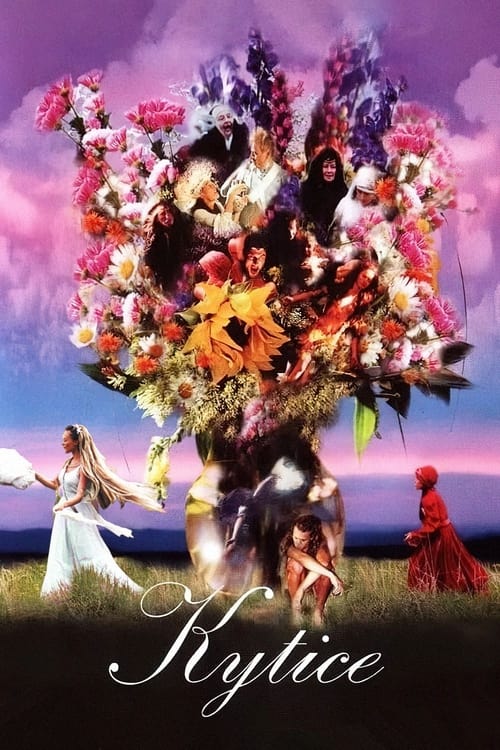
Seven seemingly unconnected fairy tales - glued together only by folklore, mood, color and light - make up this Czech collection of visual poetry. The original piece of literature, written by Karel Jaromír Erben in 1853, contained twelve tales.
When the Nazi army occupied Bohemia and Moravia on March 15, 1939, the Czech nation faced a period of mortal danger. A few weeks later, Major General Alois Eliáš entered the most dramatic period of his life – on April 27, 1939, he was appointed Prime Minister of the Protectorate of Bohemia and Moravia. This was despite the fact that the Nazis were aware of Eliáš's activities in the Russian and then French Czechoslovak legions, and that he was an advocate of active defense at the time of the Munich capitulation. Alois Eliáš accepted the position in the Protectorate government with full awareness of the risks and dangers: he was aware that by cooperating with the Nazis he would tarnish his name, and he knew that he could not do without feigned loyalty.
Subscribe for exclusive insights on movies, TV shows, and games! Get top picks, fascinating facts, in-depth analysis, and more delivered straight to your inbox.