Action
Adventure
Animation
Comedy
Crime
Documentary
Drama
Family
Fantasy
History
Horror
Music
Mystery
Romance
Science Fiction
Thriller
War
Western
Explore all movies appearances
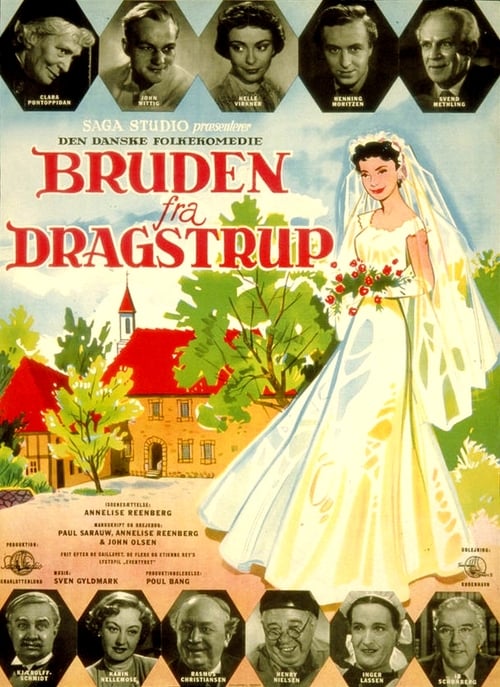
At Helene Dragstrup's 20th birthday, her grandmother Margrethe decides that it is time that Helene learns something about life outside the protective walls of the estate.

Among the many guests at the Rebild festival is Andreas Andersen, a man in his early 30s. But he has not come to Denmark to attend the big festival. Seventeen years ago, he was a poor farmhand at "Hovgården," but he fled the country because the farmer's wife, the authoritative Martha Larsen, accused him of a theft that was actually committed by her son, Henrik. Andreas came to America and led a turbulent life here before becoming a farmer and earning a lot of money.

A young, beautiful girl arrives at Krogerød Kro on Mols and shocks the innkeeper by telling him that he is her father. At the same time, the inn is about to lose its liquor license, threatening its very existence. The innkeeper tells the girl that both he and his friend from his military days have paid child support to her, as no one knew which of them was her real father.

It all happens over two days and—naturally—and in particular—two nights. A perfectly ordinary girl gets herself into a lot of trouble because of her slightly too big heart, which exposes her to trials and temptations she cannot overcome without the help of little white lies and pretence. She manages to overcome almost all obstacles, but loses her heart.
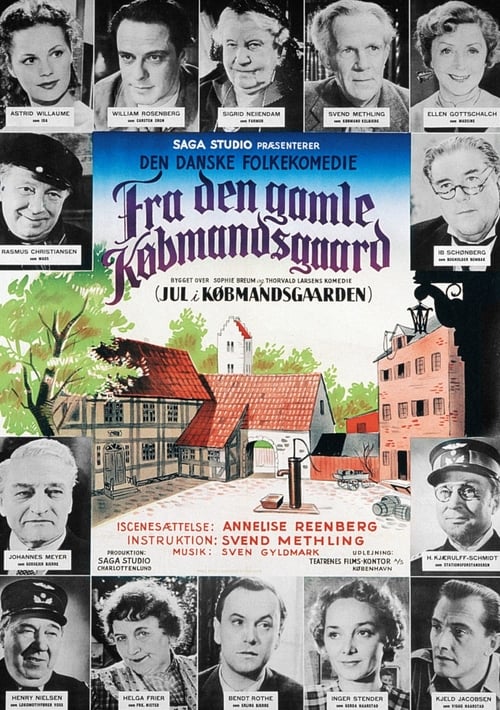
Two rival young men both desire the merchant's pretty daughter, a bad young man robs the merchant's safe and blames it on "mother-in-law's dream", a worldly-wise grandmother directs the battle of love from her living room, and a couple of silly railway workers spread song and joy.

Summer in the small market town of Stenvig equals life and good earnings for the city's shoppers. Love flourishes side by side with the urge to act, and especially the baker's daughter Susanne makes the young men's hearts beat fast. But when the infatuated Otto gets a little too close, it has major consequences for Susanne.
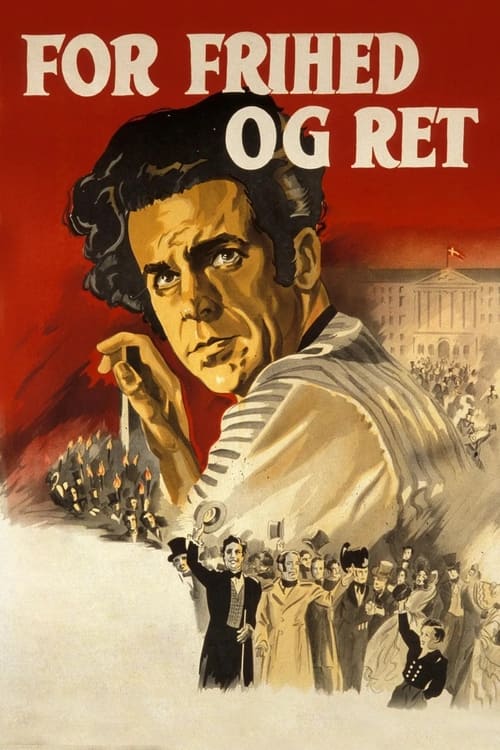
A picture of the life of the Danish people from the late 1820s to the introduction of the free constitution in 1849. A fictional character, Rasmus Nielsen, travels around the country, first as a traveling teacher, later in other positions, and through his experiences we are introduced to the conditions of various population groups. The central figure in the portrayal of historical figures is the politician Orla Lehmann.
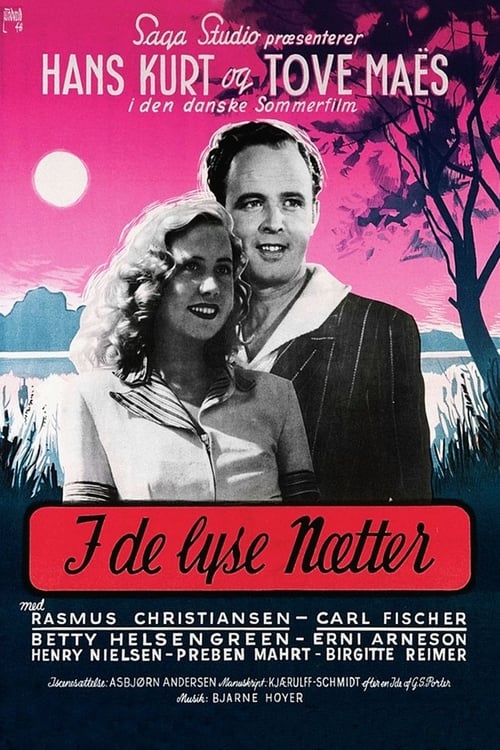
What could be more beautiful and delightful than the Danish summer when it shows itself from its best side? Director Rasmus Strang enjoys it at his country house with his two daughters, Ulla and Linda. Ulla, the eldest daughter from Rasmus Strang's first marriage, runs the household with a firm hand and keeps her stepsister Linda isolated and unnoticed. Linda is not allowed to go out. Linda is not allowed to have new, stylish clothes.
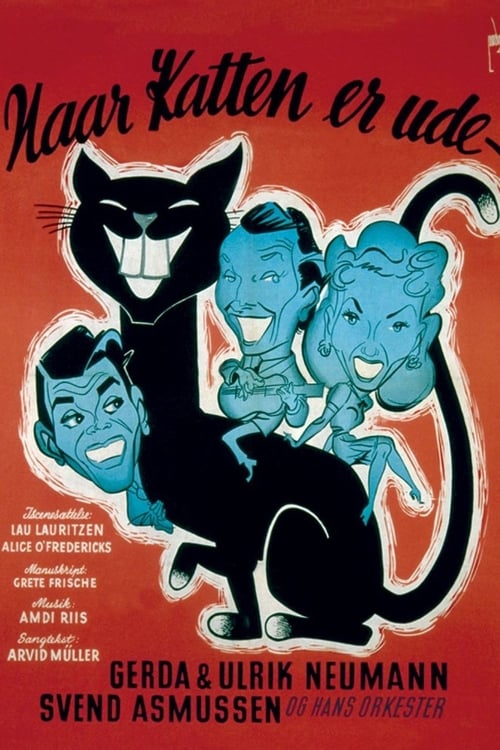
It's not always easy being a father – archivist Jørgensen knows this all too well. His only son, Bent, is more interested in the band he and his friends have formed than in his studies. One evening, as the house shakes with syncopated rhythms, the archivist loses his hard-won patience and gives his son the choice between giving up his music or moving out of the house. The next day, Bent seeks out his two friends to complain about his plight, but his friends have more than enough of their own worries, which can be summed up in one word: money.
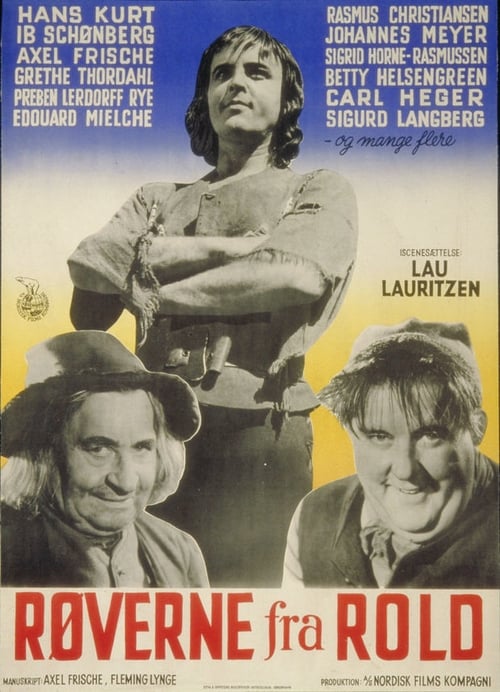
Our bandit story takes place in the good old days, when strife, war, and lawlessness were the order of the day—a time quite unlike our own. In Rold Forest, the daring robber chief Justi roams, stealing from the rich to help the poor. His right-hand men are Reinald, who is more interested in the cash rewards, and the cunning minstrel Ole Hopsasa, whose greatest joy is to quench his ever-burning thirst and sing a cheerful song.
Subscribe for exclusive insights on movies, TV shows, and games! Get top picks, fascinating facts, in-depth analysis, and more delivered straight to your inbox.