
Action
Adventure
Animation
Comedy
Crime
Documentary
Drama
Family
Fantasy
History
Horror
Music
Mystery
Romance
Science Fiction
Thriller
War
Western
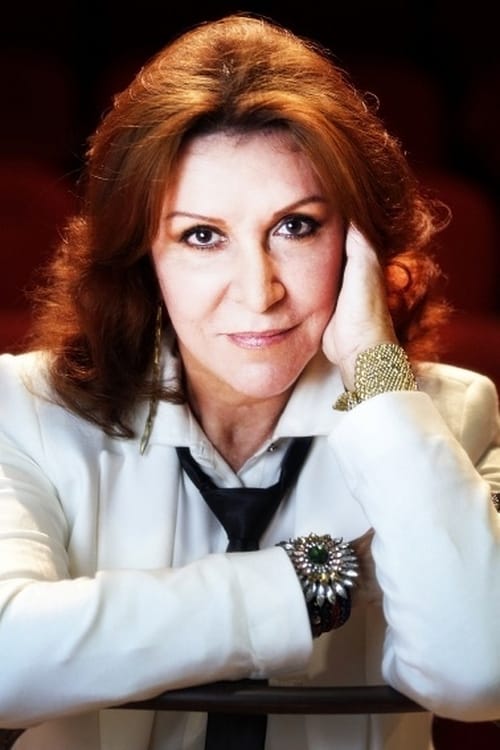
Ítala Maria Helena Pellizzari Nandi (Caxias do Sul, June 4, 1942) is a Brazilian actress, theater producer and theater director. She is considered one of the great ladies of Brazilian theater, with an extensive career on stage that began in 1959.
Explore all movies appearances
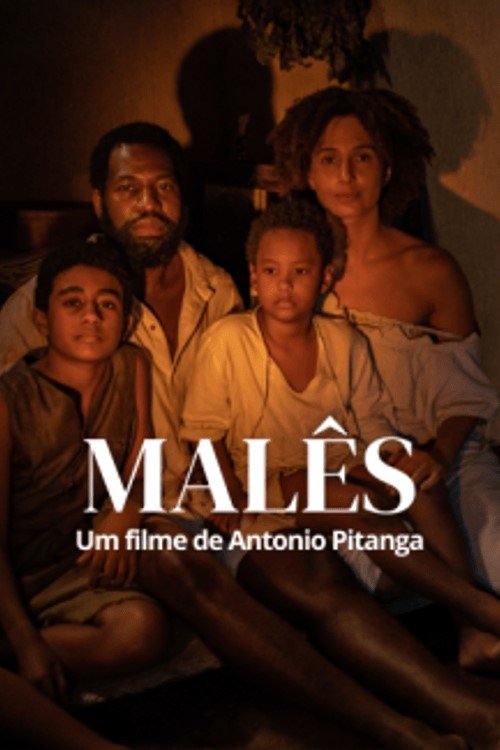
Based on historical facts, the film portrays the largest slave rebellion in Brazilian history, the Malê Revolt. The uprising mobilized the black population in the streets of Salvador against slavery in 1835. After the failure of the revolt, the protesters were harshly punished and repression against black people in Brazil increased.
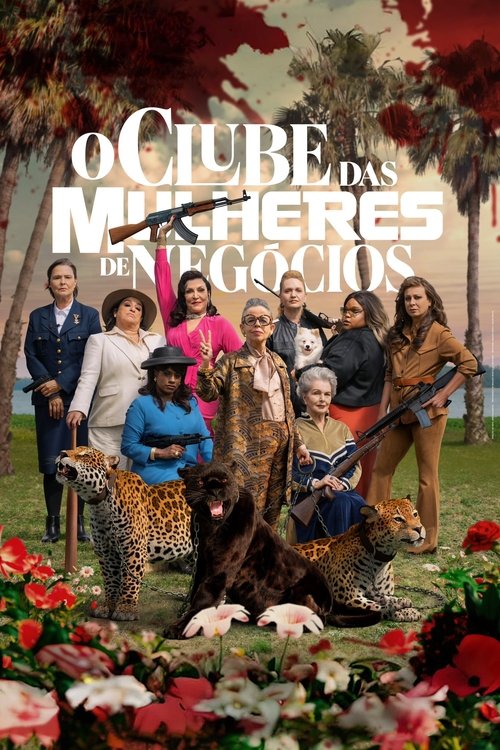
Jongo, a renowned photographer, and Candinho, a young and inexperienced journalist, arrive at a decaying country club of São Paulo's high society, run by women involved with the law.
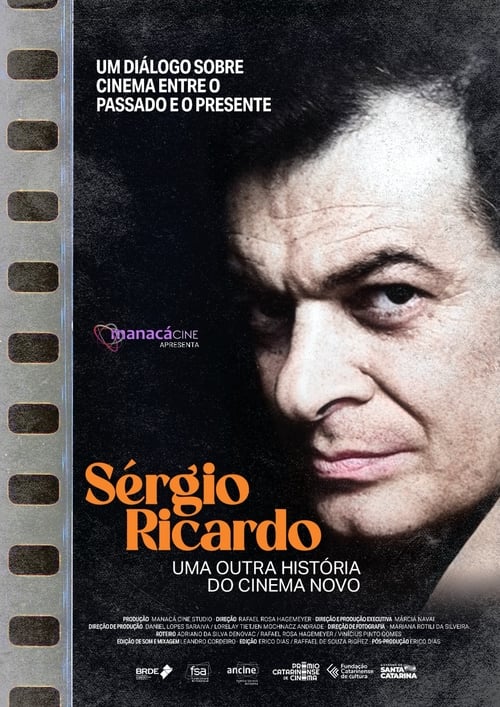
No plot available for this movie.
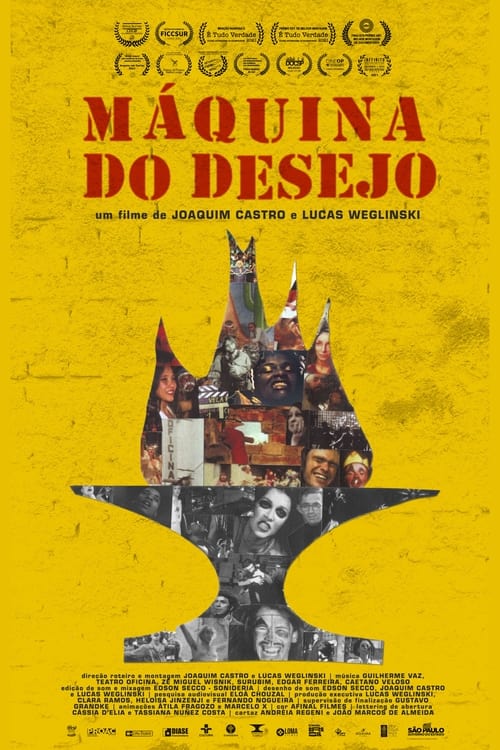
In six decades, Teatro Oficina has done more than revolutionize theatrical language in the country: the aesthetic influence of José Celso Martinez Corrêa's company extends from Tropicalism to the renewal of Brazilian audiovisual languages from the 1960s onwards. The film revisits a story that it involves personalities such as Caetano Veloso, Glauber Rocha, Lina Bo Bardi, Chico Buarque and Zé do Caixão, brings together scenic art, ecology, architecture and sexuality, and mixes art and life in the search for a Brazilian based language.
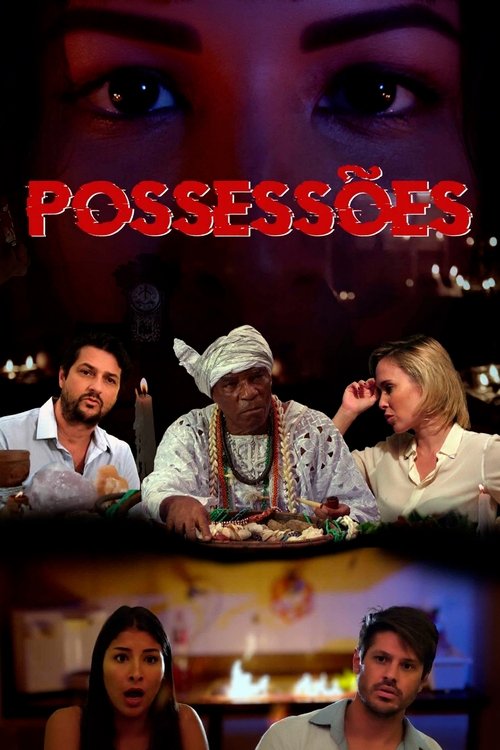
Three stories are intermingled by the same theme: possessions.

January 1st, 2003. When Brazil celebrates President Lula′s historic investiture, two middle-class, provincial families gather in an old, poorly maintained house. As they prepare a big party, secrets, hidden desires and frustrations are revealed.
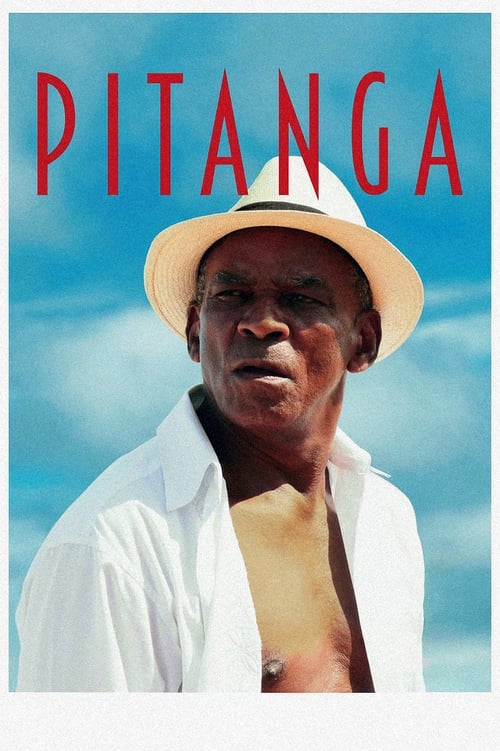
This documentary investigates the aesthetic, political and existential trajectory of emblematic Black Brazilian actor Antônio Pitanga. His career spans over five decades, and he has worked with iconic Brazilian filmmakers Glauber Rocha, Cacá Diegues and Walter Lima Jr. He was a prominent figurehead and outspoken activist during the Brazilian dictatorship, a period of unrest in Brazilian cinema. "Pitanga" deep dives into the world of Antônio and the history of Brazil. The documentary was directed by his daughter Camila Pitanga, one of widely recognised faces in Brazilian television and cinema right now. The film is also a poem, and a tender ode to fatherhood.
No plot available for this movie.
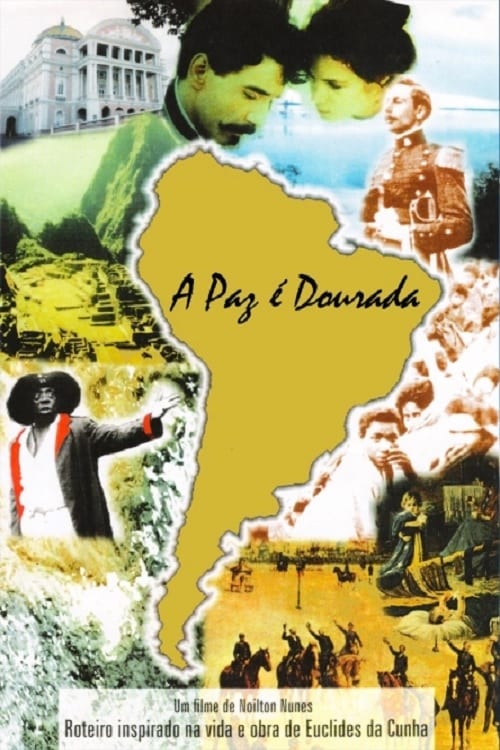
The film chronicles both the life and work of Brazilian author and engineer Euclides da Cunha and a failed attempt at directing his biopic in the 1980s and 1990s. Footage from the unfinished film is included alongside archive and documentary material.
This program from the Brazilian Historical Panorama series proposes a reflection on the 60s in Brazil based on its audiovisual memory. With excerpts from texts and opinions by Augusto Boal, Lygia Clark and Torquato Neto, among others, scenes from movies and newspaper headlines, the documentary allows the 1960s to speak for itself.
Subscribe for exclusive insights on movies, TV shows, and games! Get top picks, fascinating facts, in-depth analysis, and more delivered straight to your inbox.