
Action
Adventure
Animation
Comedy
Crime
Documentary
Drama
Family
Fantasy
History
Horror
Music
Mystery
Romance
Science Fiction
Thriller
War
Western

Paul Julian (June 25, 1914 – September 5, 1995) was an American background animator, sound effects artist and voice actor for Warner Bros. Cartoons. He worked on Looney Tunes short films, primarily on director Friz Freleng's Sylvester and Tweety Bird shorts. During his time at Warner, Julian provided the vocal effects of the Road Runner. [biography (excerpted) from Wikipedia]
Explore all movies appearances
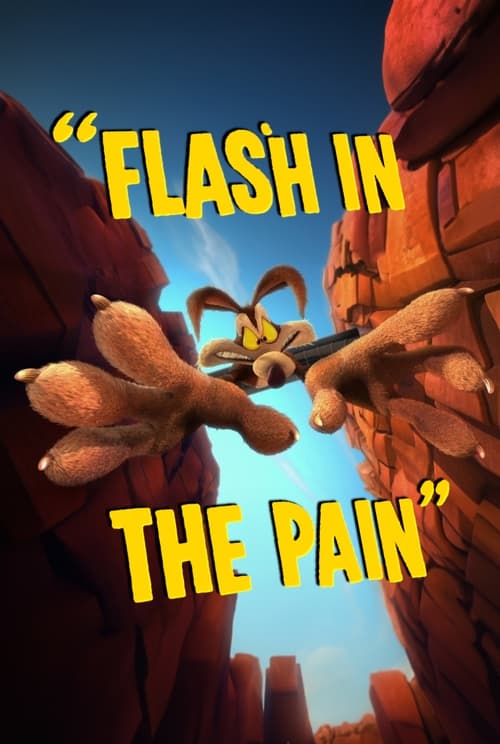
Wile E. Coyote receives an ACME Transporter, a teleportation device worn on the forearm and tries to catch the Road Runner.
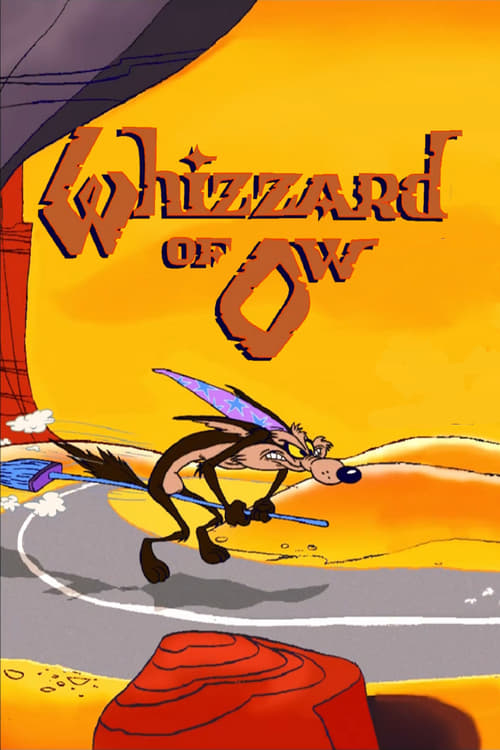
Wile E. Coyote is chasing the Road Runner (still) and comes across the Acme Book of Magic. With the power to levitate heavy boulders, fly on broomsticks, and transfigure anything to suit his need, it seems like Wile E. finally has a chance at getting his breakfast... but then again, this is Wile E. Coyote we're talking about.
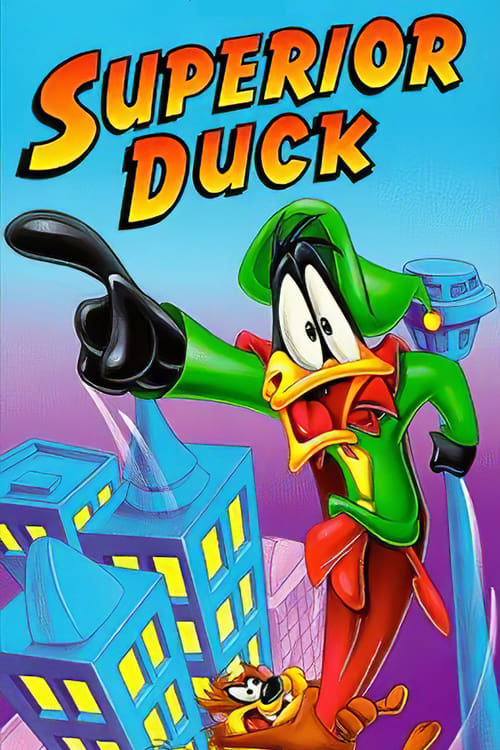
Daffy is supposedly a super hero and tries to show off his "super powers."

Term-time ends at Acme Looniversity and the Tiny Toon characters look forward to a summer filled with fun. Buster and Babs Bunny turn a water fight into a white-water rafting trip through the dangerous Deep South; Plucky Duck and Hamton Pig share the most impossibly awful car journey imaginable on the way to HappyWorldLand; Fifi's blind date becomes a "skunknophobic" nightmare; and a safari park is turned upside-down by Elmyra's search for "cute little kitties to hug and squeeze".
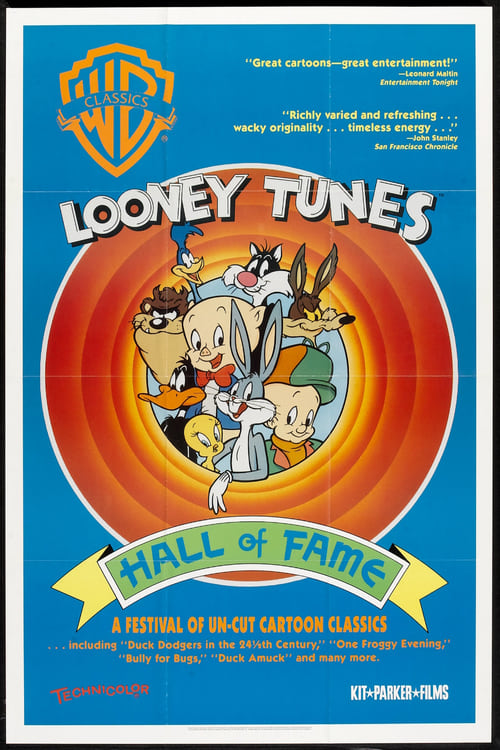
A feature film compilation of 15 classic Warner Bros. cartoons.

A collection of Warner Brothers short cartoon features, "starring" the likes of Daffy Duck, Porky Pig and Wile.E.Coyote. These animations are interspersed by Bugs Bunny reminiscing on past events and providing links between the individual animations which are otherwise unconnected. This 1979 feature-length compilation includes several of his best cartoons. Among the 11 shorts shown in their entirety are the classics "Robin Hood Daffy," "What's Opera, Doc?," "Bully for Bugs," and "Duck Amuck". The Bugs Bunny Road Runner Movie provides a showcase not only for Jones's razor-sharp timing, but for the work of his exceptional crew, which included designer Maurice Noble, writer Mike Maltese, composers Carl Stalling and Milt Franklyn, and voice actor Mel Blanc.
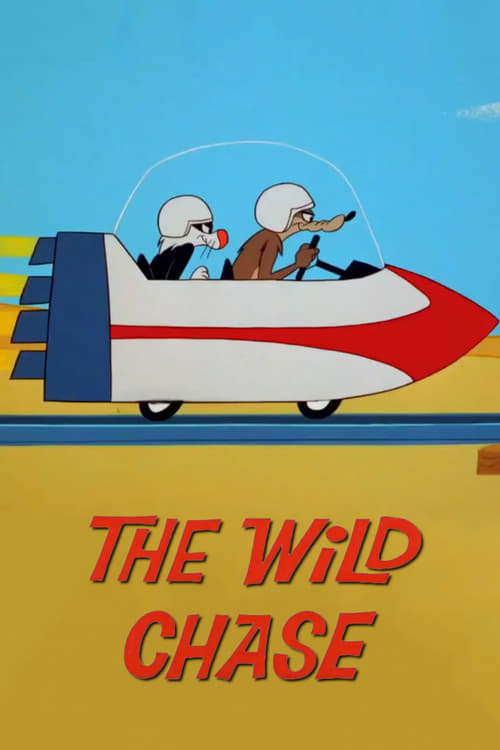
Ever wonder who was the fastest Road Runner or Speedy Gonzales? This cartoon aimed to answer that all-important question between two of Warner Brothers' speediest characters. Of course, the race (set in an American desert) wouldn't be interesting without Wile E. Coyote or Sylvester trying to nab the bird and mouse. Both the hard-luck coyote and the puddy tat use a variety of tactics to grap their respective dinners, all which (of course) fail. In the end, Wile E. and Sylvester use a supersonic jet to pass their prey at the finish line (and "win" the race), but their vehicle quickly careens over the cliff. The poor puddy tat fall down over the cliff, just like Wile E. has so many times.
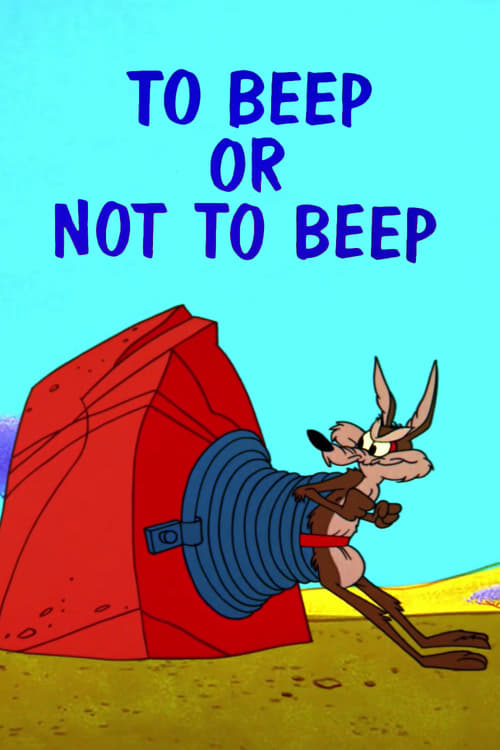
Wile E. Coyote hopes to stop and catch the Road Runner using a huge, boulder-throwing catapult. But no matter where Wile E. positions himself, the catapult drops the boulder on him.
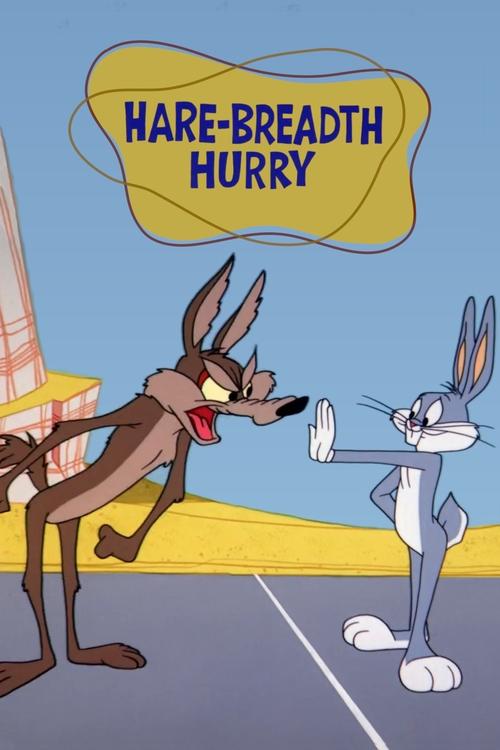
When Bugs takes Wile E. Coyote's place in a cartoon, the Bugs/Coyote roles and rules become confused.
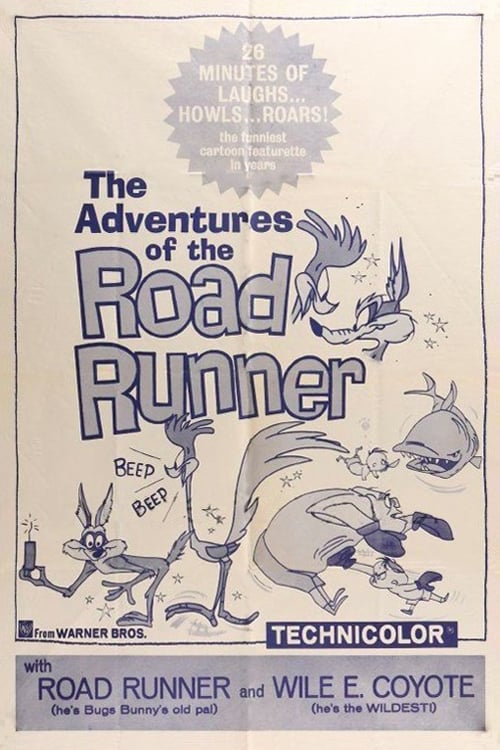
Adventures of the Road-Runner is an animated film, directed by Chuck Jones and co-directed by Maurice Noble and Tom Ray. It was the intended pilot for a TV series starring Wile E. Coyote and the Road Runner, but was never picked up until four years later when Warner Bros. Television produced The Road Runner Show for CBS from 1966 to 1968 and later on ABC from 1971 to 1973. As a result, it was split into three further shorts. The first one was To Beep or Not to Beep (1963). The other two were assembled by DePatie-Freleng Enterprises in 1965 after they took over the Looney Tunes series. The split-up shorts were titled Road Runner a Go-Go and Zip Zip Hooray!.
Subscribe for exclusive insights on movies, TV shows, and games! Get top picks, fascinating facts, in-depth analysis, and more delivered straight to your inbox.