
Action
Adventure
Animation
Comedy
Crime
Documentary
Drama
Family
Fantasy
History
Horror
Music
Mystery
Romance
Science Fiction
Thriller
War
Western
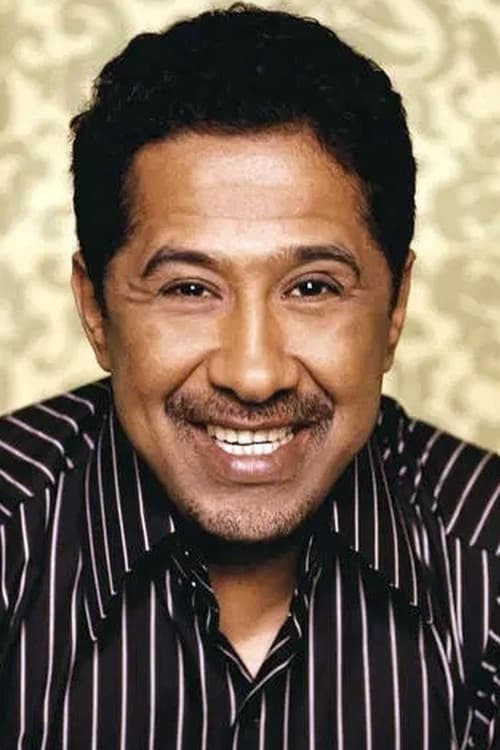
Khaled Hadj Ibrahim (Arabic: خالد حاج إبراهيم; born 29 February 1960), better known by his mononym Khaled (Arabic: خالد), is an Algerian raï singer, musician and songwriter. He began recording in his early teens under the name Cheb Khaled (شاب خالد, Arabic for "Young" Khaled, with "Cheb" as a common title for male raï singers). Khaled is one of the most important musicians in the history of Raï m...
Explore all movies appearances

No plot available for this movie.

How African artists have spread African culture all over the world, especially music, since the harsh years of decolonization, trying to offer a nicer portrait of this amazing continent, historically known for tragic subjects, such as slavery, famine, war and political chaos.
No plot available for this movie.

The artistic journey of Dahmane El Harrachi, born in 1925 in Algiers, bears the mark of his experience. An attentive and vigilant observer of the environment of immigrant workers, Dahmane has always avoided falling into the ambient miserabilism. From the Algerian Chaâbi, he has kept certain melodic lines and a clear propensity for sayings drawn from the oral poetic tradition. El Harrachi uses simple language, understandable by all popular sectors of the Maghreb, which partly explains its wide success. In 1949, he went to France and it was in cafes, springboard places where people come to breathe the air of the country, that he performed regularly. Elegant, with his beautiful atmosphere, the “bluesman” of the suburbs seduces, upsets and stirs consciences. Discovered late by the new generation, the creator of Ya Rayah met a tragic end, on August 31, 1980, in a car accident, on the Algiers coast which he sublimated above all else.
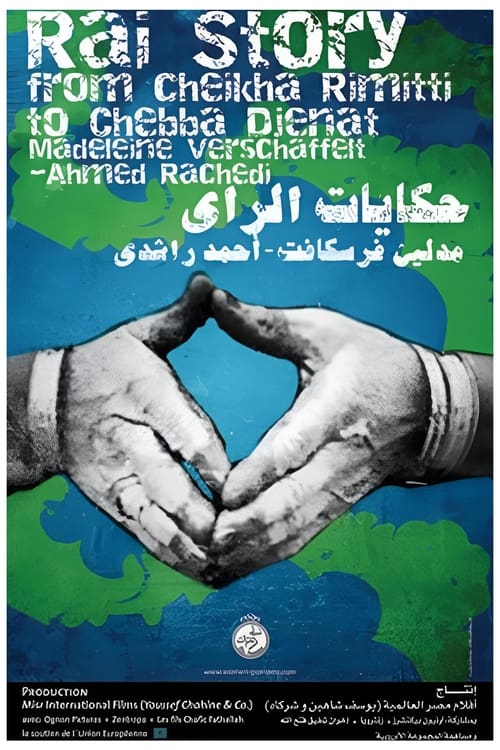
Raï Story is a musical journey in search of the Raï legend, Cheikha Remitti, in Oran, Algeria, where the Raï musical tradition began. In 1923, the first Raï singers performed behind screens during ceremonies to protect their identity. It was only when the music of singer Cheikha Remitti began to gain popularity among the general public that Raï music was made public, in the 1940s. Cheikha Remitti, who lives between Paris and Oran, is nowhere to be found, the filmmakers then decide to meet producers, musicians, singers like Cheba Dalila or Cheba Djenet, for whom Remitti created a wake. The opportunity, through these unique stories, illustrated with archive images, to retrace the important place of women in this musical tradition and the transformation of Raï music from the 1960s to 2000.
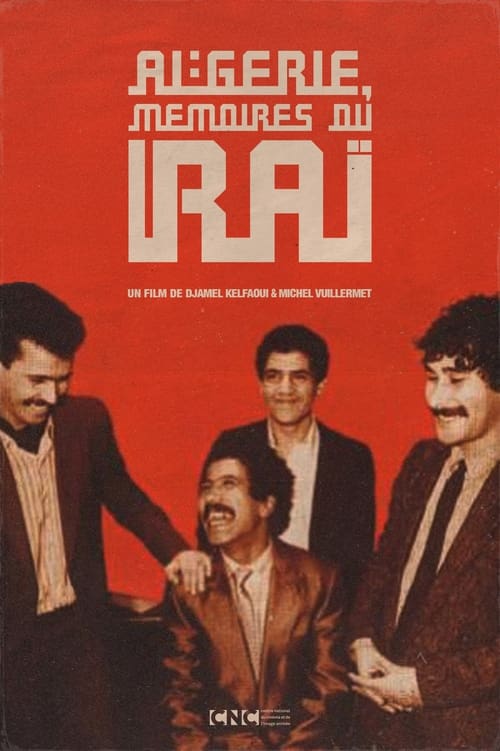
In the 1980s, Algeria experienced a tumultuous social context which reached its peak during the riots of October 88. This wave of protest, with youth as its figurehead, echoed the texts of raï singers. Thirst for freedom, misery of life and the aspirations of youth are among the main themes of their works which will inspire an entire generation. More than music, raï celebrates the Arabic language and becomes a vector of Algerian culture, thus providing the cultural weapons of emerging Algerian nationalism With Cheb Khaled, Cheb Mami and Chaba Fadela as leaders of the movement, raï is also a way of telling and reflecting the essence of Algeria in these difficult times. While the threat weighs on artists in Algeria, their exile allows raï to be exported internationally and thus, to bring the colors of Algeria to life throughout the world.
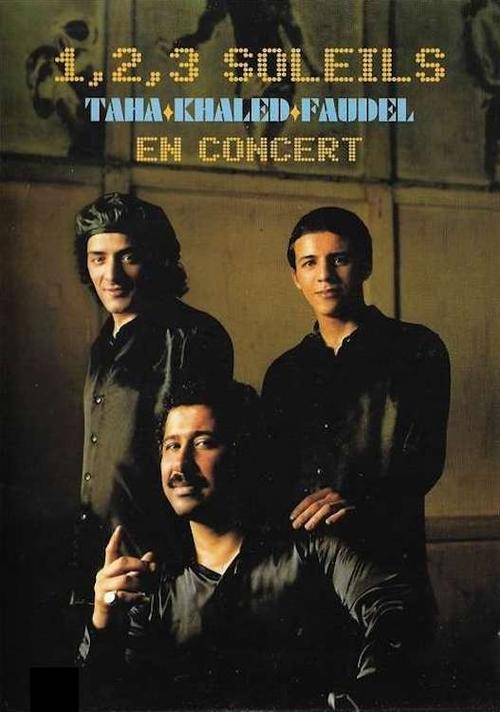
Originally, the trio was supposed to consist of Khaled, Faudel, and Cheb Mami, but at the time, Mami was signed to a record label that was a competitor of Khaled and Faudel's (Universal Music) and was unable to participate in the project. He was replaced by Rachid Taha. This unique concert took place at the Palais Omnisports de Paris-Bercy on September 26, 1998, and was released as an album by Barclay that same year. The concert, which featured a number of Algerian classics and the most famous songs by these three artists, sung solo, in duets or in trios—from Aicha (Khaled) sung by Faudel and Khaled, to Ya Rayah (Taha) bringing together all three singers—combined classical instruments (strings and brass), traditional (darbouka, bendir, Arabic flute) and modern instruments (bass, guitar), under the leadership of producer Steve Hillage, former guitarist and singer with the band Gong, who plays solo and rhythm guitar.
No plot available for this movie.
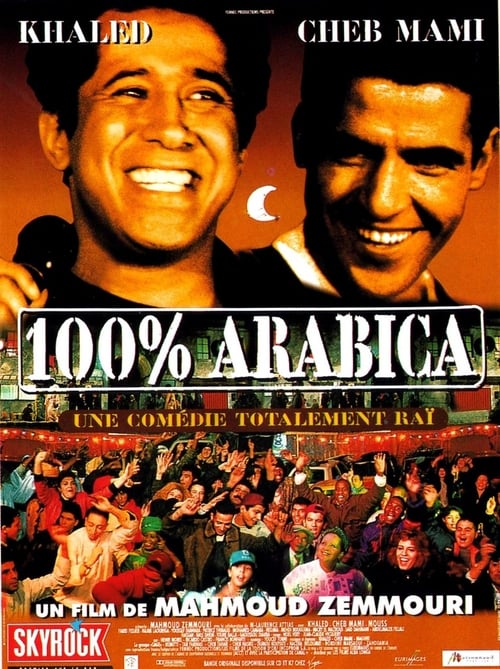
The movie takes place in a poverty-stricken, rent-controlled neighborhood on the outskirts of Paris. Algerian immigrants, many of whom are in France illegally, the place has earned the nickname of "100%Arabica". It's a rough neighborhood - crime is rampant, gangs of juvenile delinquents roam the streets, and the police are afraid to patrol the area. When the out-of-touch mayor decides that he wants to restore order to the area, he offers a subsidy to Slimane, the imam of the local mosque. If Slimane can get people off the streets, the mayor will continue the payments. Soon the byways of 100%Arabica are almost peaceful - but not because of something Slimane has done. The reason is that a new Rai Band, Rap Oriental, has taken the neighborhood by storm...
No plot available for this movie.
Subscribe for exclusive insights on movies, TV shows, and games! Get top picks, fascinating facts, in-depth analysis, and more delivered straight to your inbox.