Action
Adventure
Animation
Comedy
Crime
Documentary
Drama
Family
Fantasy
History
Horror
Music
Mystery
Romance
Science Fiction
Thriller
War
Western
Explore all movies appearances

Half a century ago, Brazilian composer and musician Antonio Carlos "Tom" Jobim (1927-1994) introduced bossa nova to a worldwide audience with "The Girl from Ipanema." This relaxed, cool, sensuous music blended jazz and samba. After recording an album of songs by his friend Jobim, Frank Sinatra is reported to have said, "I haven't sung so quietly since I had laryngitis." Naturally, "The Girl from Ipanema" and Frank Sinatra are featured in this musical collage of countless seamlessly edited excerpts of concert footage that cover decades of events all over the world: from Rio de Janeiro to Lisbon, Paris, Copenhagen, Jerusalem, Tokyo, Montreal, New York and back to Rio.

Nick is a handsome 13-year-old runaway whose search for a family leads him into the arms of male prostitution. While Nick's sexual exploits with strange men keep his pockets lined with cash, the experience does nothing to preserve his waning innocence. Soon enough, he's as hardened as a man three times his age.

The last of three animated films about the history of the exploited underclass in the Nordic countries through the ages. The first two were "Trællene" (1978) and "Trællenes oprør" (1979).
A three part story about the plague, religion and revolt in Northern Europe in the period 1349 to 1542.
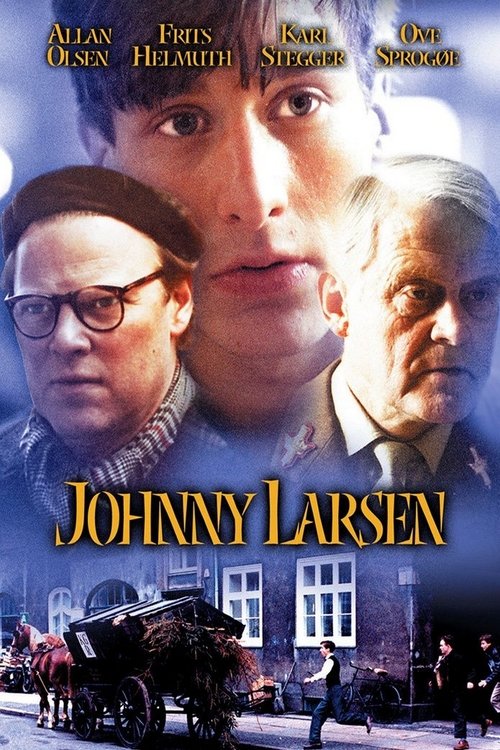
From a working class coming-of-age novel, Morten Arnfred fashioned his feature film to recapture the feel, the sting, the pain, but also the spirit of solidarity of the 1950s in the metropolitan city of Copenhagen: at the center, young Johnny, helpless, hapless, happy, unhappy, going through the motions of growing up. Bodil awards: Best Film and Best Actor (Allan Olsen).
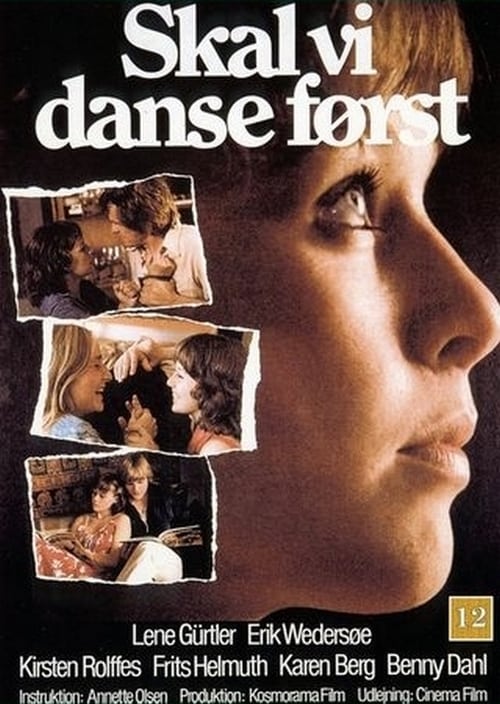
About sixteen-year-old Susanne and her relationship with her parents and friends. To make her friend Peter jealous, she flirts heavily with a forty-year-old silversmith from the sailing club where she works.
A story about the thrall boy Halte who is being sacrificed to the Gods after he tries to kill a rich man.
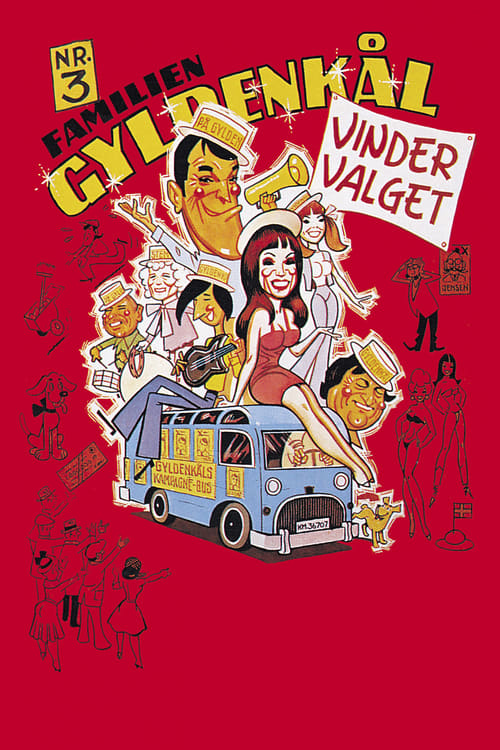
The final film in the Gyldenkål trilogy. Following a financial downturn, Charles Gyldenkål decides to run for municipal office. After an unconventional election campaign, he is elected to the city council and becomes the deciding vote in the mayoral election.
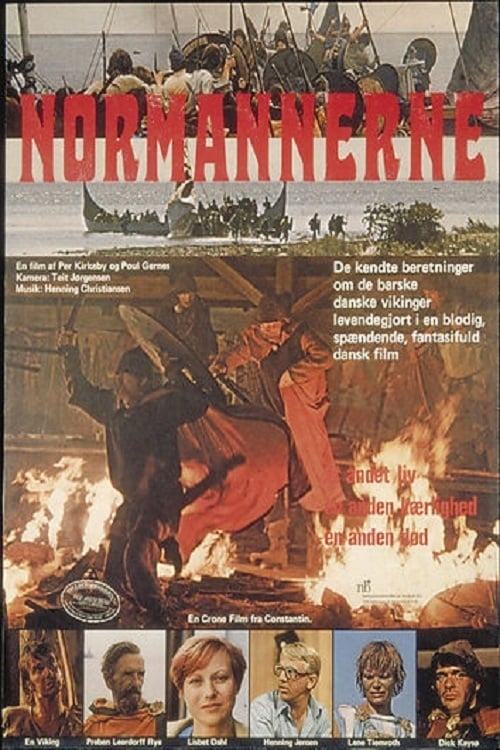
With "The Normans," painters Paul Gernes and Per Kirkeby wanted to make a film about the Viking Age, but not a traditional fiction film set in that period. Instead, the film has a contemporary setting, in which a guide shows various historical sites and tries to bring the past to life, even though she has only one interested listener. Within this framework, episodes from Danish mythology are brought to life: King Skjold, Rolf Krake, Regnar Lodbrog, the Battle of Svold, etc. The film mainly follows the account in Saxo's chronicle, but also dramatizes a story by the Arab author Ibn Fadlan. He described the cremation of a Viking chieftain in Russia around the year 900, where, among other things, a slave woman was sacrificed after ritual intercourse. The film is based on a number of historical and archaeological studies. The loose form is intended to emphasize how fragmentary our knowledge of the Viking Age actually is.
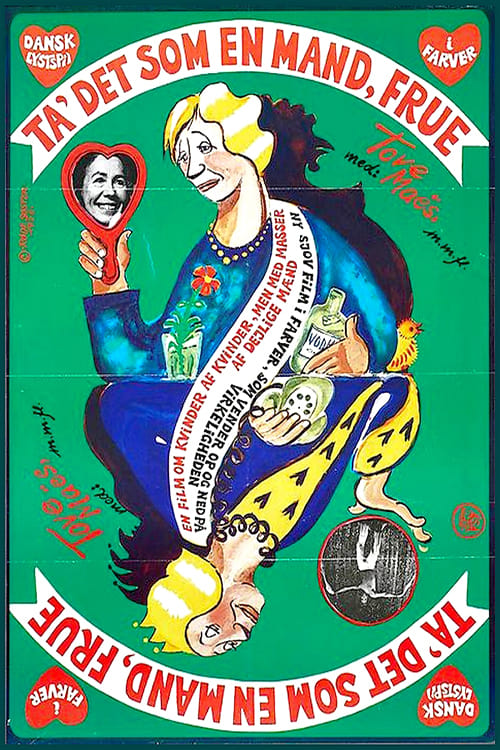
A middle aged married woman suffers from depression. Her husband suggests she get a dog, but instead she gets a job. Treatment of the women workers leads her into a hilarious fantasy in which roles are reversed and bearded men sit behind typewriters worrying about their looks and what to buy for dinner. She gets involved in a strike and loses her job, but has found some friends and a more positive attitude to life.
Subscribe for exclusive insights on movies, TV shows, and games! Get top picks, fascinating facts, in-depth analysis, and more delivered straight to your inbox.