
Action
Adventure
Animation
Comedy
Crime
Documentary
Drama
Family
Fantasy
History
Horror
Music
Mystery
Romance
Science Fiction
Thriller
War
Western
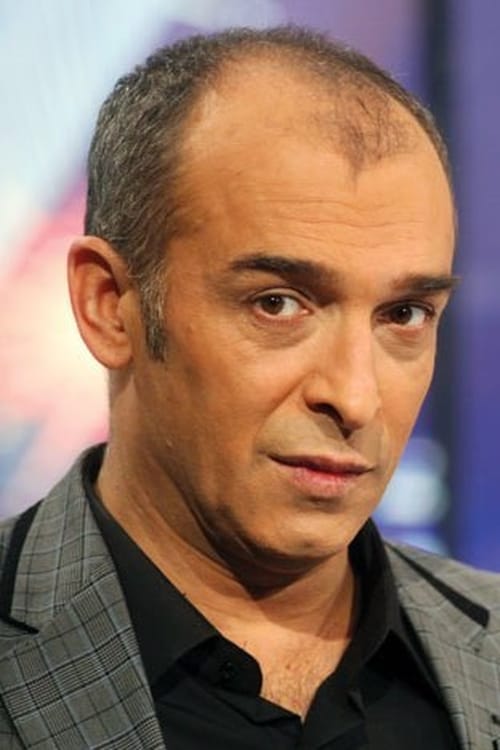
Toni Mihajlovski was born in Kumanovo, Republic of Macedonia. He is among the most popular actors in Macedonia. He finished college in Skopje on Faculty of Dramatic Arts. In 1994 he became a member of the Macedonian National Theatre. Acted in popular Macedonian movies as: Gypsy Magic, Goodbye, 20th Century, Bal-Can-Can, Punk's not dead, Third Half and others.
Explore all movies appearances
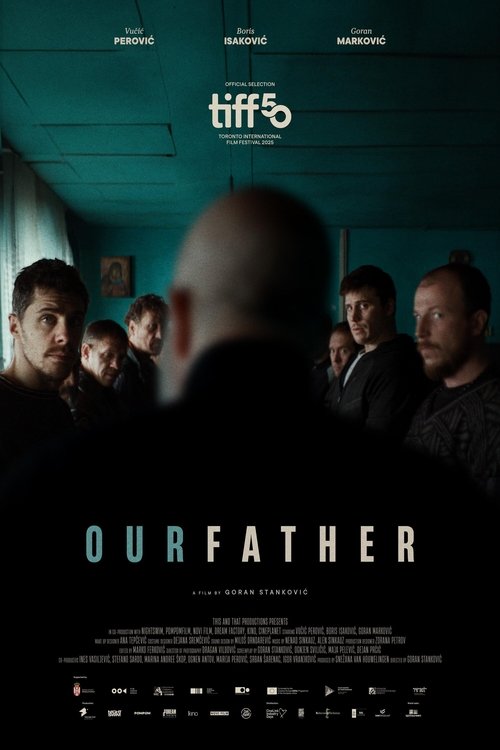
When Dejan, a drug addict, arrives at a remote monastery commune, he falls under Father Branko's harsh guidance. As Dejan becomes Branko's right-hand man, their bond is tested when the priest's violent methods spiral out of control.

Deep in a secluded forest, Marko lives in isolation under the watchful eye of his overprotective father, who is determined to keep his young son safe from the Evil Ones. Deeply lonely, and increasingly curious about the outside world, Marko yearns to uncover the secrets of life beyond the forest and begins venturing further from home. But after a cruel turn of events grants his wish sooner than he ever imagined, Marko is forced to flee and embark on a grim journey filled with unknown dangers and a glimpse into a world forever changed.
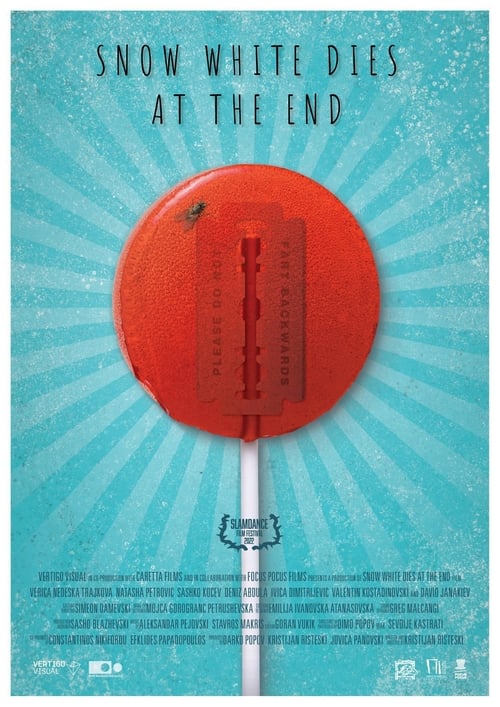
In a society where almost everybody farts backwards, six stubborn, proper-farting citizens pay a harsh price for being resolute to staying true to their own values.
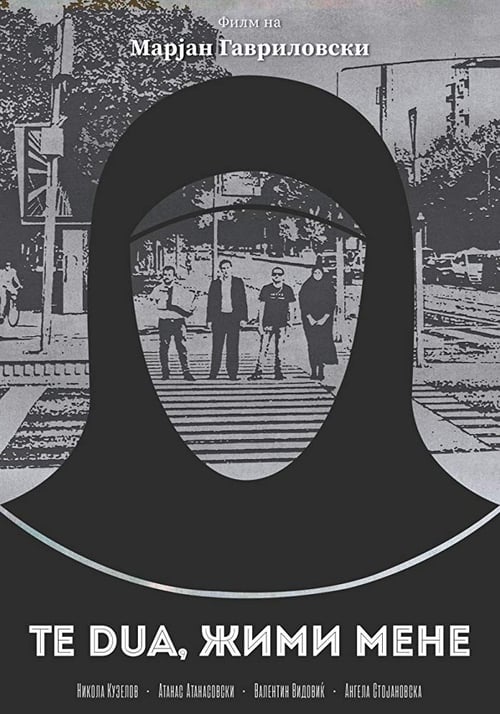
A junkie, a gambler and an accordion player get involved with a mafia while on their way to return a bought Albanian girl back to her father.

Aci Kiraz (Bitter Cherry) is the story of people who are trying to get a hold on their lives in the shadow of a cherry tree, the story of lost lives and proliferating hopes. It talks about an old couple who are growing cherries, a dishonest...
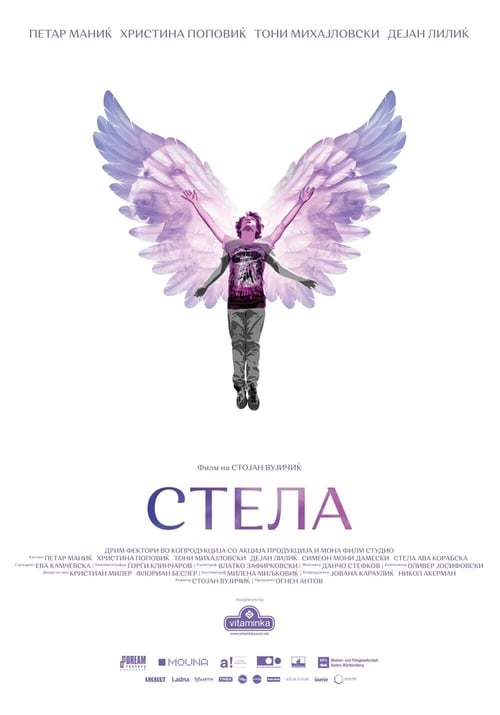
After an attempt of a suicide of a 11 year old bullied kid, Stela "a shepherd dog" is the only one that can get through him and restore his faith in life.
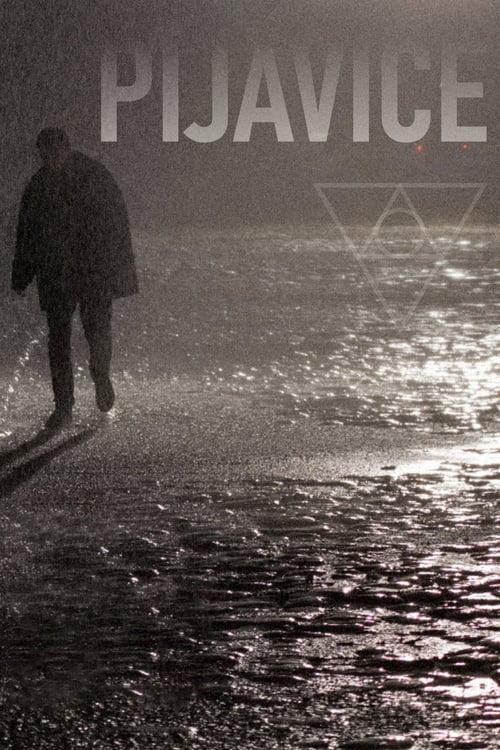
Writer Petar Miric, at the time of the great social and political crisis in Serbia represents attitudes that conflict with the principles of the political regime. A close encounter with the State Security Authority leads him to life in paranoia and searching for the truth.
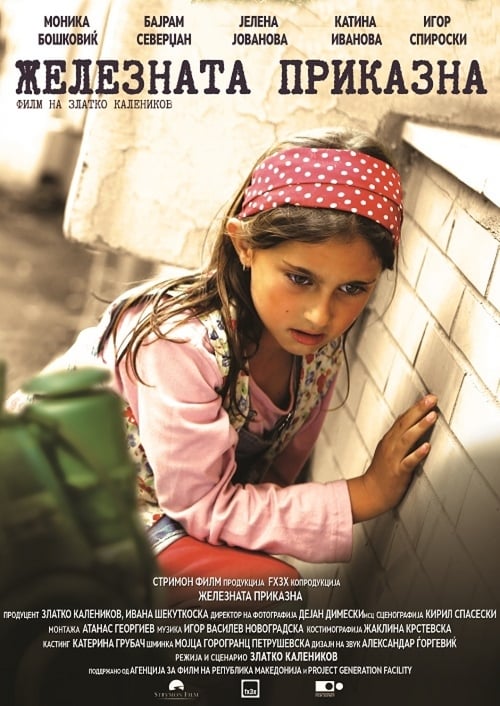
A young Roma girl named Fati finds out about her grandmother’s illness—anemia due to iron-deficiency. Disappointed because of her lack of money to buy the necessary medicine, she sees a notice in a discarded newspaper: ‘Ecological Action: wagons for old iron arrive in train station for recycling’. She comes up with a creative plan and goes to see Andrej, the local mafia boss who often visits Grandmother Fatima for fortunetelling. The superstitious boss orders his bodyguards to rob the train and deliver the iron to the old lady. Amazed by the ironic story, the police officers release Perhan and help to obtain the necessary medication for Fatima.
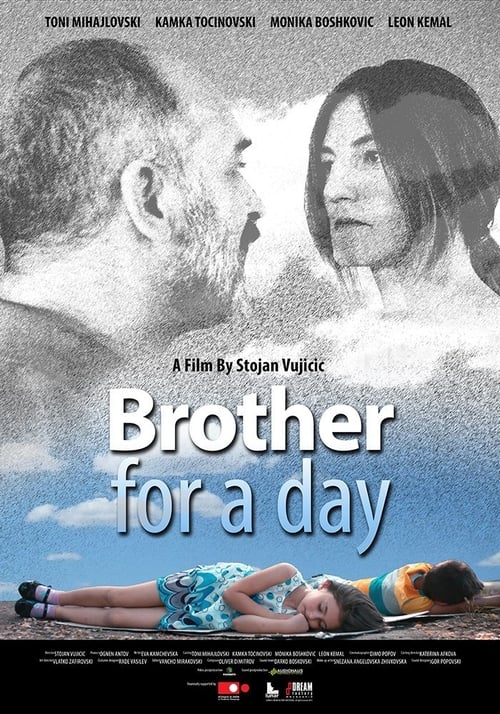
Brother for a Day is a film about our city, our streets and our neighborhoods—a story that could happen anywhere. It tells the story of a thoroughly modern family of three members. In their struggle for money, the parents fail to devote much time or attention to their five-year-old daughter, Anja. They do not have the time or patience to explain things to her and they give her what she wants just to ‘buy some peace’. “Brother for a Day” at first glance appears to be a story of different nationalities; in fact, it refers to the divide between the child’s world and the world of adults.

The story about the founders of the famous "Yugoslav Basketball School" and the first gold medal at the Championships in Ljubljana in 1970, is based on real events and is dedicated to personalities who have contributed to the emergence and development of basketball in their country.
Subscribe for exclusive insights on movies, TV shows, and games! Get top picks, fascinating facts, in-depth analysis, and more delivered straight to your inbox.