
Action
Adventure
Animation
Comedy
Crime
Documentary
Drama
Family
Fantasy
History
Horror
Music
Mystery
Romance
Science Fiction
Thriller
War
Western
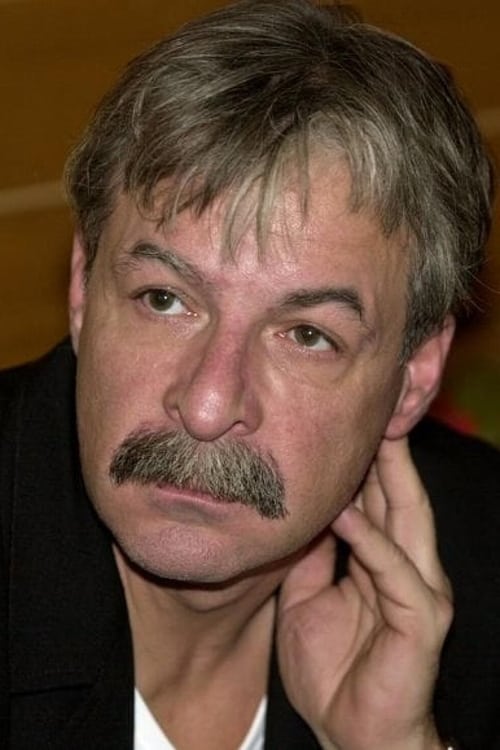
Marián Zednikovič (* August 15, 1951, Bratislava - † May 5, 2007, Bratislava) was a Slovak actor. In 1974 he studied acting at the Academy of Performing Arts. After graduating, he started at the Trnava Theater for Children and Youth (today's Ján Palárik Theater), where he played Nevedek, Tom Sawyer or Chlesťakov in Gogoľ's Auditor. In 1980 he moved to Bratislava for the New Stage. He was one of ...
Explore all movies appearances

This satirical comedy gives a grotesque portrayal of social absurdities during the 1905 revolution in Russia. Somewhere in a remote province, the governor and the revolutionaries switch roles in order to pursue their selfish interests and conceal some serious "butter on their heads". Love affairs, fake assassination, lying as a way of existence, abuse of position, corruption and intrigue of the powerful - does this remind you of anything? If so, the resemblance is purely intentional.
A love story of an aging baron and a married woman who are brought together by chance in a small spa town. A teenage son unexpectedly becomes an obstacle in the love adventure. His jealous outbursts gain momentum.
Television film with Radošino Naive Theatre and its guests.
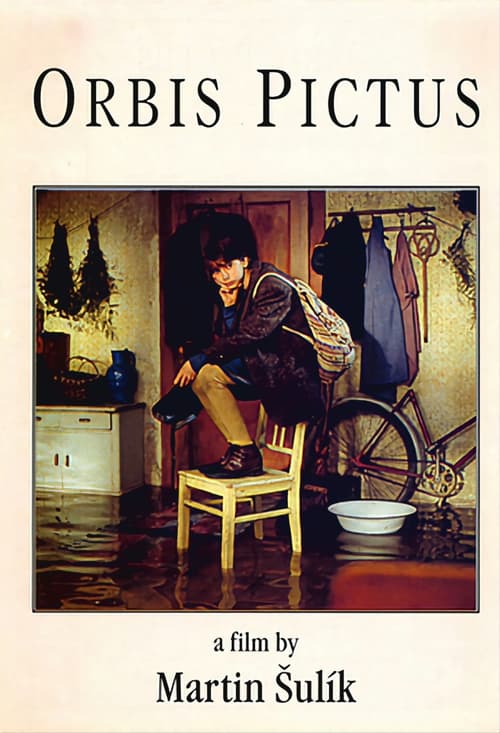
In Slovakia, the sixteen year-old Terezka is discharged from her school with a letter to her mother. Along her surrealistic journey to find her mother, Terezka entwines reality and fantasy and meets a man that is hired to burn clothes; a woman buried on the ground; a young bride that is marrying the forty and something year-old widow of his brother to support her family as a tradition in their village; her younger brother that is intern in a special school; a decadent TV comedian and his wife; a powerful mobster in the kitchen of a restaurant; one lover of her mother in her former address; and finally her promiscuous mother that advises her to travel through the world.
TV adaptation of Frank Wedekind's play. The story of Gerard, an elderly chamber singer, who becomes better acquainted with his admirer Helena during his concert tour in one city. This mother of two becomes his mistress, wants to leave her family and travel with him.
A Romani fairy tale about a young striga who uses magic to win her husband and eventually becomes an ordinary man out of love for him and her children. Once in a while, a little girl is born in a gypsy settlement, and fate gives her the strigoi's abilities. But because everyone is afraid of the strings, the heroine of our fairy tale keeps it a secret - even from the young man she has fallen in love with. When she becomes his wife, his mother discovers her and instigates her son to burn the woman. Only her witchcraft skills will save the beautiful striga's life. She leaves the county and becomes the wife of a wealthy landowner. But her love for the first man does not leave her, and so when they meet after a time, she not only forgives him, but also gives up her strigorous abilities for his sake.
A humorous paraphrase of the tragic fate of Shakespeare's legendary Veronese lovers Romeo and Juliet.
A philosophical fairy tale based on the themes of Pavel Dobšinský about faith in man, the good in him, which only love can help to win. Princess Jasna also had such faith in goodness and love, which is why she endured with great difficulty the choice of her father - the king who, after the death of the queen, decided to marry Morana, whose only goal was to destroy all good among people, to elevate selfishness over love, avarice over compassion - and slowly succeeded in doing so in the land of Jasna's father. And because Jasienka refuses to live with Morana and behave according to her, Morana bewitches her until there is a groom who can express his love for her without words, guess her name and give her a gift like no other. For a long time there is no one who can do it, until a young man appears in the royal city, whom the brothers mockingly nickname Janko - the key-holder - only because he preferred a simple key from his father as a gift to the golden cluster...
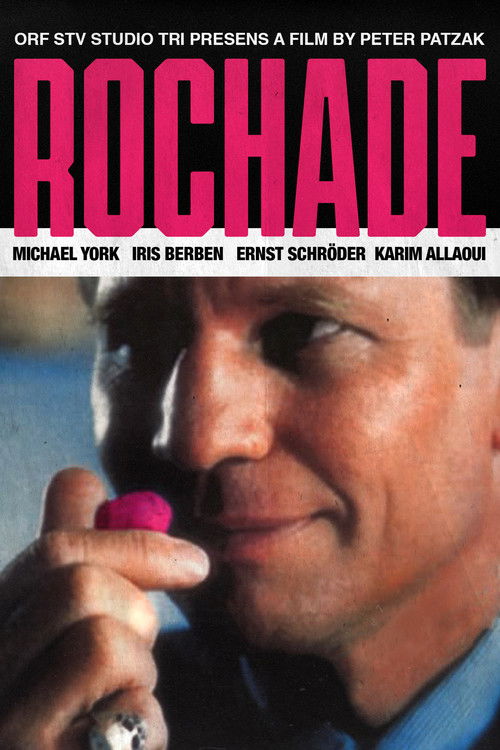
At the centre of Peter Patzak's existentialist film noir stands the hopeless struggle against the arms mafia in Czechoslovakia and its connections with Austria after the fall of the iron curtain.
Bulat Okudzhava's novella tells the evocative story of the old general Opochnin, a man who never betrayed morality and humanity. But at the end of his life, he still wanted to do something that would benefit others.
Subscribe for exclusive insights on movies, TV shows, and games! Get top picks, fascinating facts, in-depth analysis, and more delivered straight to your inbox.