
Action
Adventure
Animation
Comedy
Crime
Documentary
Drama
Family
Fantasy
History
Horror
Music
Mystery
Romance
Science Fiction
Thriller
War
Western
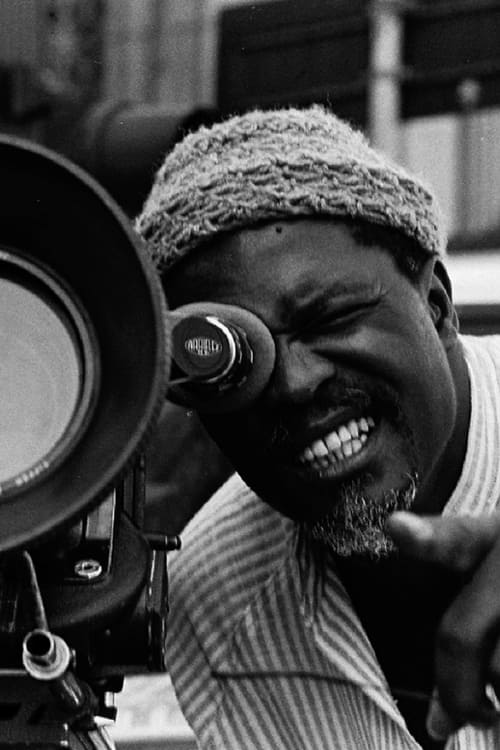
A Brazilian filmmaker, actor, producer and screenwriter, Jorge da Silva, better known by his stage name Zózimo Bulbul, is regarded as a household name of black Brazilian cinema. He was also the founder of Rio de Janeiro's Black Cinema Center ("Centro Afro Carioca de Cinema"). As an actor, he worked in over 30 features, and was directed by filmmakers such as Glauber Rocha (in "Terra em Transe"), C...
Explore all movies appearances

The African deity that brought in Brazil Together with the blacks, Exu is known as the orixá of communication, the guard of the streets and the human behavior. The short film of black culture and its assimilation by Brazilian art. In its subtext, the film honors one of the greatest activists of the black cause - the actor, the poet, the playwright and the politician - Abdias do Nascimento. The positioning of the documentary seeks to incorporate the fighting spirit, expressive and restless of Abdias: present link between characters, images and children of the film.
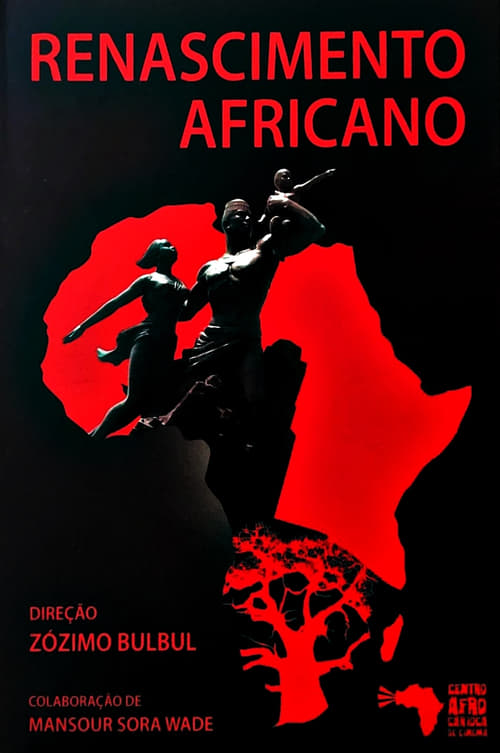
The film, shot in Dakar, Senegal, has testimonials from intellectuals, politicians and religious, who present an overview of the 50 years of independence of the countries of West Africa and the interpretation of the sculpture created recently in Senegal, which it represents, precisely, the African renaissance.
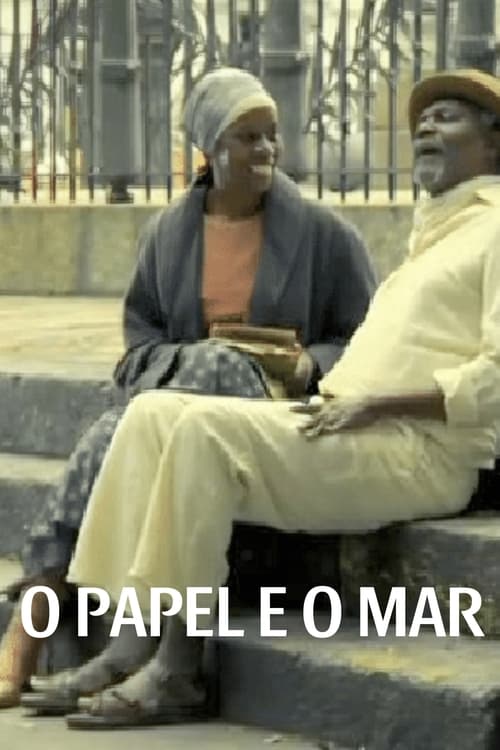
The film narrates the imaginary encounter between João Cândido, leader of Revolta da Chibata and a paper picker and writer Carolina Maria de Jesus, author of the book "Quarto de despejo", in Rio de Janeiro.

No plot available for this movie.

The project '5 x slum, now by ourselves' gathered over 80 young people from Rio's favelas (slums), selected through workshops, script and filmmaking techniques to create a feature film consisting of five stories that reflect different facets of the daily lives of residents of these communities - with the promise of escape stereotypical representations.
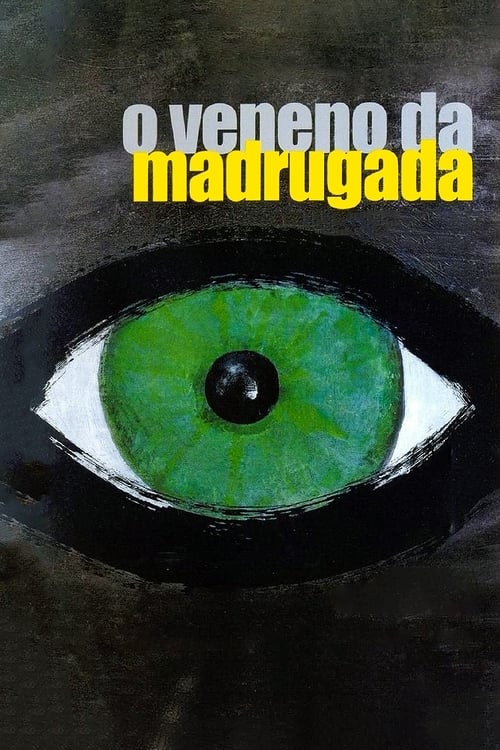
The old servant and chronicler Dom Sabas tells how his desolate South American town is the scene of a ruthless power struggle. The landowning Assis family, reduced to a widow and son, tries to hold out against the young, despotic mayor. No less effective then actions are anonymous rumors and accusations, which often stir the inhabitants' moves.
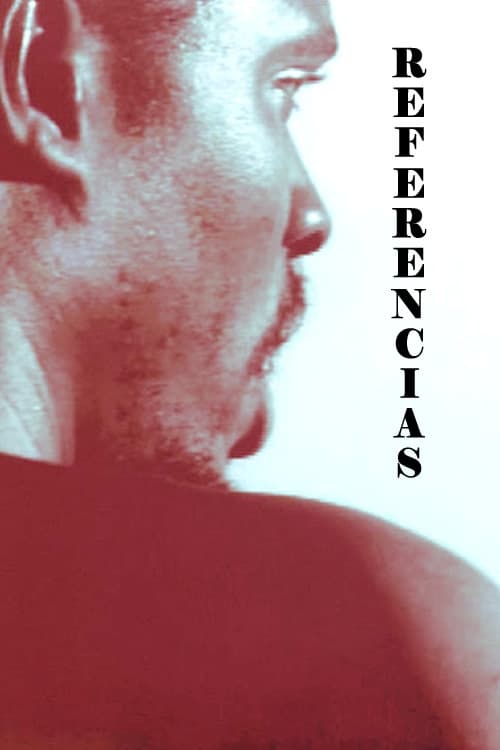
During a showing of rare Afro-Brazilian Cinema films at the Cinematheque of the Museum of Modern Art of Rio de Janeiro, actor/filmmaker Zózimo Bulbul gathered some of the most notorious Brazilian black directors to talk about their works, their lives and their perspectives on the future.

Filmed in a mini DV, the film "República Tiradentes" is an affective poetry, based on the stories of gafieira dancers, actors, rascals, girls and all the bohemians who lived and live moments of joy and glory in downtown Rio de Janeiro. It is a tribute mainly to the origin of the gafieira.

A documentary about the celebration of the National Samba Day with the aim of preserving the memory of part of the history of samba, which was being forgotten by the press and the Brazilian people.

In a small town in the State of Minas Gerais, Brazil, two sisters meet again after years apart.
Subscribe for exclusive insights on movies, TV shows, and games! Get top picks, fascinating facts, in-depth analysis, and more delivered straight to your inbox.