Action
Adventure
Animation
Comedy
Crime
Documentary
Drama
Family
Fantasy
History
Horror
Music
Mystery
Romance
Science Fiction
Thriller
War
Western
Explore all movies appearances
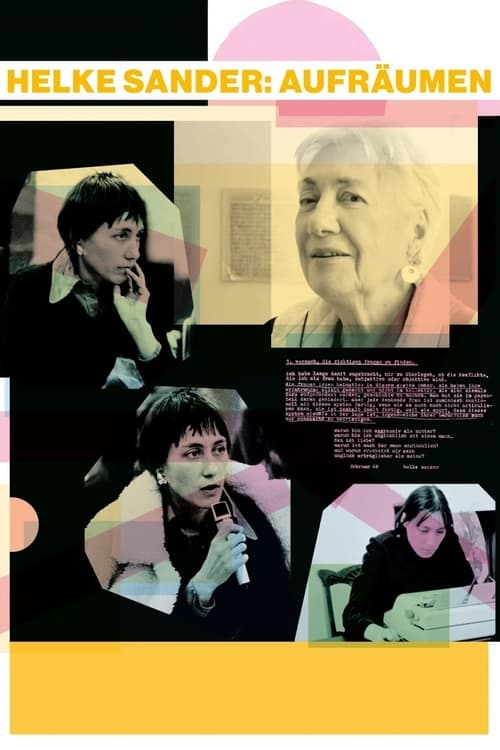
Filmmaker and author Helke Sander is an icon not only of the women's movement, but also of new German cinema. Historical upheavals sometimes only need a small impulse to suddenly set petrified conditions in motion. Helke Sander triggered such a landslide-like change in Germany many years ago.

From the 1950s onwards, Erika and Ulrich Gregor brought countless film historical milestones to Berlin and shaped cinema discourse in post-war Germany. A look at the life and work of the couple without whom Arsenal and the Forum wouldn’t exist.
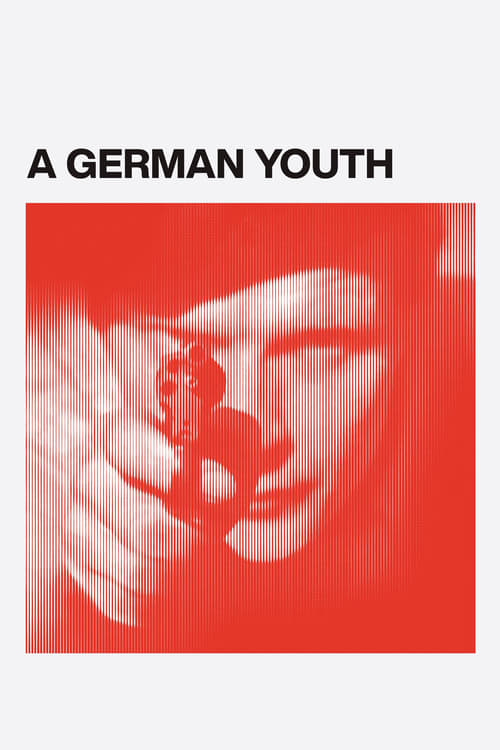
At the end of the 1960s the post-war generation began to revolt against their parents. This was a generation disillusioned by anti-communist capitalism and a state apparatus in which they believed they saw fascist tendencies. This generation included journalist Ulrike Meinhof, lawyer Horst Mahler, filmmaker Holger Meins as well as students Gudrun Ensslin and Andreas Baader.

No plot available for this movie.
Only the chosen few know this woman who started working as a secretary for the German Film and Television Academy (DFFB) on 13 February, 1966. The path of Helen’s career is paved with famous names – including that of Wolfgang Petersen, Holger Meins (who later became a member of the Red Army Faction) as well as directors Wolfgang Becker, Detlev Buck and Christian Petzold. All have fond memories of forgetting their troubles after having poured their hearts out over a cup of coffee in Helene’s office – for Helene was both friend and advisor to countless film students.
A documentary essay on the 1960s women's liberation movement in Germany and it's developments and conflicts through the following decades.
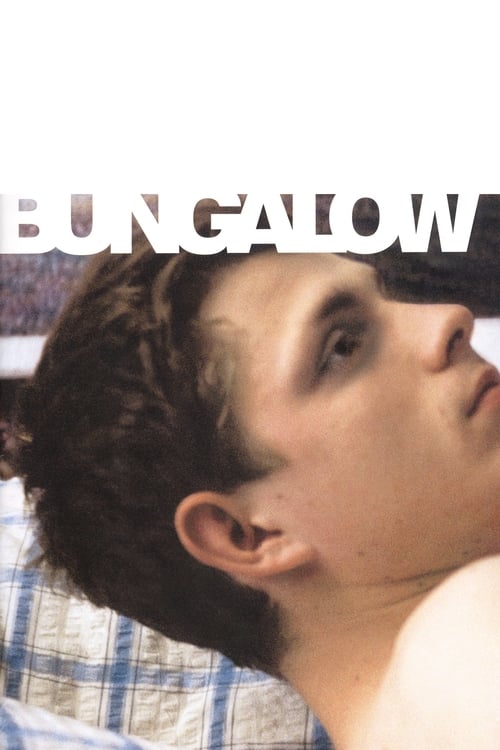
A young German soldier named Paul goes AWOL and returns to his childhood home in the countryside. Over a few summer days, Paul evades the responsibilities of everyday life and falls in love with his brother’s girlfriend, disrupting the lives of everyone in his circle.
A woman from a big city moves to a small village near the former border zone between East and West Germany. What is she looking for? What will she encounter? Rural life in the era of globalisation turns into an adventure. History lives in objects, stories and customs here since it was first recorded 800 years ago. Wars and famines have left their traces, just as churches, political parties and various forms of government. The change of the times, structured by television, has almost obscurely changed the old rhythms of life; supermarket offers changed eating habits and food stock economy. Is it folklore nostalgia or a matter of preserving one’s way and quality of life to keep the old customs and habits, such as preserving old types of plants and boiling down cucumbers? The village - a mutual exchange of experiences and garden products. The village is like an onion: it shows ever new surprising layers and leads us deep into unwritten pasts.
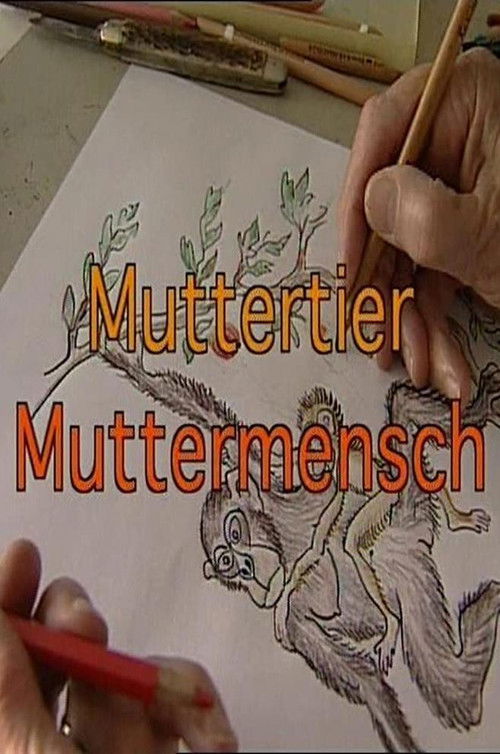
Lucy, who is already human-like, claims that the first humans were mothers: The mother built a nest to secure the child when it became too heavy to carry. This is how she invented the house. She penetrated the dense branches with her voice to maintain contact with the child. That's how she invented language. Today, Lucy shakes her head and asks: "How did you let yourself be dragged down like that?".
Helke Sander interviews multiple German women who were raped in Berlin by Soviet soldiers in May 1945. Most women never spoke of their experience to anyone, due largely to the shame attached to rape in German culture at that time.
Subscribe for exclusive insights on movies, TV shows, and games! Get top picks, fascinating facts, in-depth analysis, and more delivered straight to your inbox.