
Action
Adventure
Animation
Comedy
Crime
Documentary
Drama
Family
Fantasy
History
Horror
Music
Mystery
Romance
Science Fiction
Thriller
War
Western
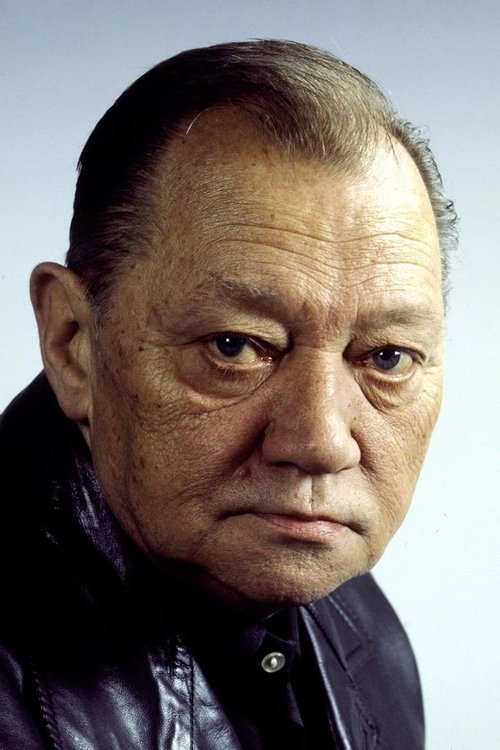
Rudolf Hrušínský was an acclaimed Czech actor during his country's era of communism. He was born in Nová Včelnice to Hermina Červičková and Rudolf Hrušinský (original name Rudolf Böhm, also took the stage name Otomar Otovalský). He was born, literally, back stage during a showing of the play Taneček panny Marinky. Initially he travelled from place to place, wherever his father could find a gig, b...
Explore all movies appearances
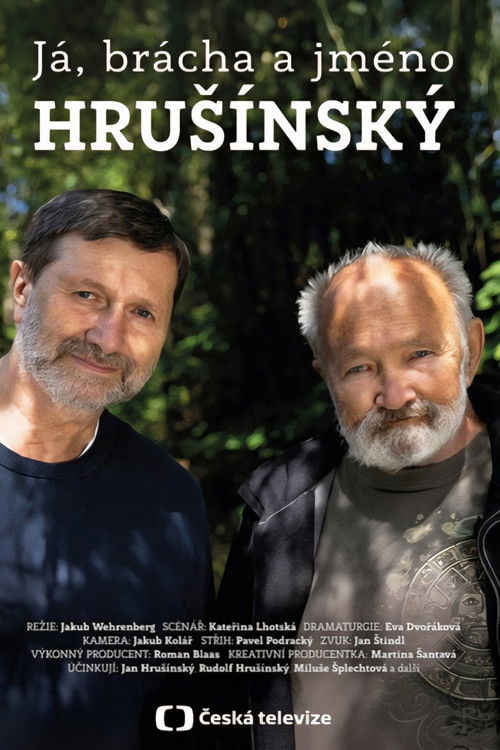
According to family legend, the name Hrušínský was born after Rudolf and Jan Hrušínský's grandfather Rudolf Böhm was caught stealing pears on a theater stage. The German name Böhm suddenly became Hruškovský and shortly after that Hrušínský. Grandfather Rudolf, later known as Rudolf Hrušínský the eldest, adopted the surname as his own and began using it in 1935. However, the history of the Hrušínský acting family goes back much further. It is therefore not surprising that the brothers Rudolf and Jan also took the same path. The documentary charts their acting beginnings alongside their father Rudolf Hrušínský Sr., from their first roles, through theater engagements at the Drama Studio in Ústí nad Labem and the Drama Club in Prague, to unforgettable film and television roles, when three generations of Hrušínskýs often met in front of the camera.
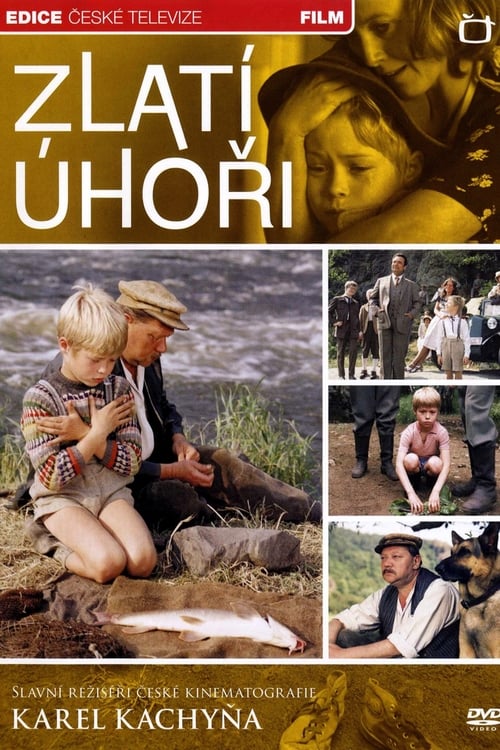
A little boy, named Prdelka, traveled with his father from Prague to the country during the Second World War. There, the boy became friends with a local fisherman and learned to catch the golden eels. Eventually, his father and mother were arrested by the Nazis and the boy stayed with the fisherman.
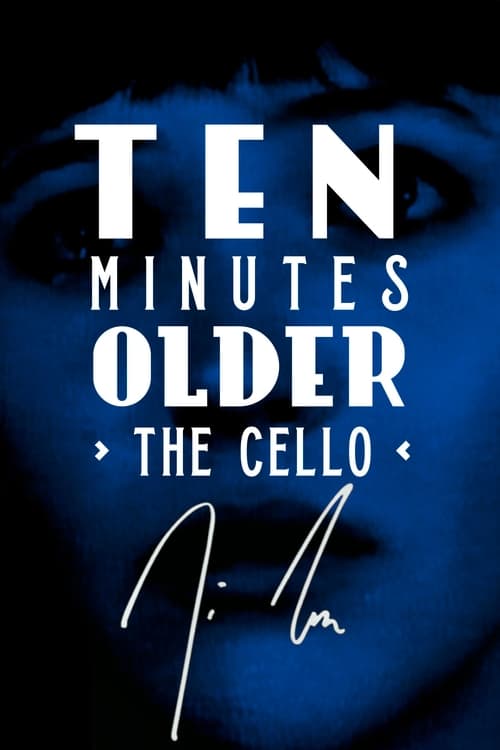
Poetic, affectionate, lyrical, and elegy for actor Rudolf Hrusinsky composed of a wordless montage of slowed film footage spanning Hrusinsky’s entire career that embodies the human experience: toil, rest, education, romantic love, rejection, desire, aging, frailty. A recurring interstitial black screen with the words “ten minutes” becomes a constant reinforcement of transience, a career and life distilled to the precious few minutes of the film, a reflection of its brevity.

This dramatic story concerns the fateful night of March 14-15, 1939, when President Dr. Emil Hácha was forced to sign a document legalizing the establishment of the so-called Protectorate of Bohemia and Moravia. Screenwriter J. S. Kupka conceived this historical event as a human drama about a man who is faced with the decision of whether to comply with Nazi dictates or risk bloodshed.
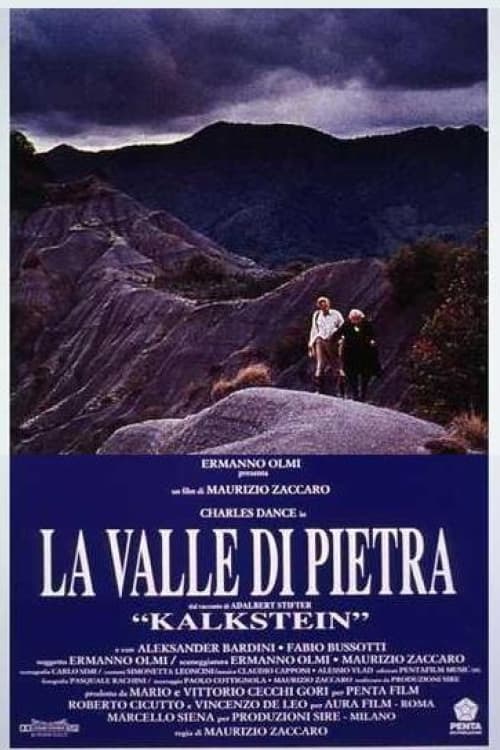
In the 18th Century, in Bohemia, a government surveyor meet a priest during a lunch and remained intrigued by him. Years later, in a stony valley, the two men meet again and form a deep friendship.
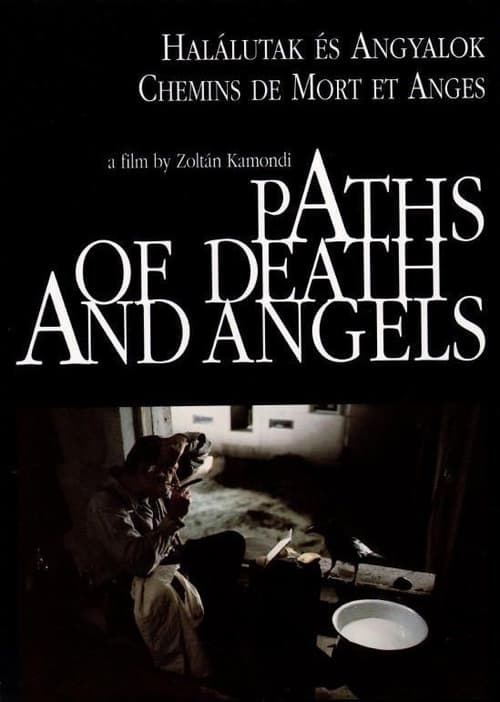
Reviewers found this somewhat surreal film so visually stunning as to be worth watching even when it was not clear to them what was going on. In the story, Jozef Schrevek is a man with unusual powers which he wishes to pass on to his son before his death, which is coming soon. Unfortunately, his son is much more interested in boozing and womanizing and being a well-known habitué of nightclubs, than in taking his father seriously and receiving his powers and the responsibilities which come along with them. The tension between the two escalates when a young woman enters their lives.
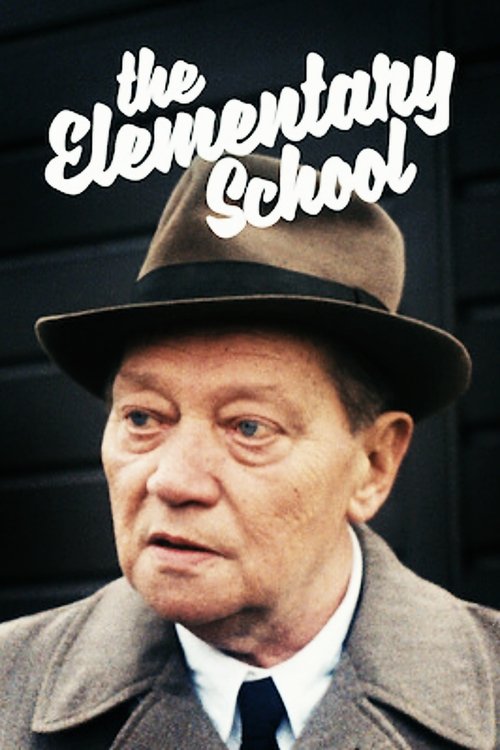
The time is 1945-46. 10 year old Eda and his friend Tonda live in a small village outside Prague. In school, their class is so wild and indisciplined that their teacher quits and is replaced by the militant Igor Hnidzo. He is very strict – but also very fair. His weakness though, is his interest in young women.
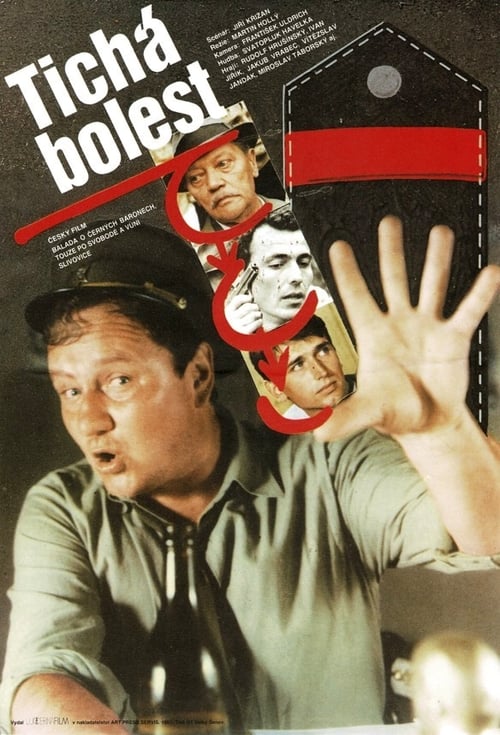
A young man has led his whole life with his grandfather. When he was in school, he was the only one who was refused to join the Youth Brigade, since his father was sentenced to death for spying. When it is time for him to do the compulsory military service, he has to do it in a platoon for "unreliable" persons.
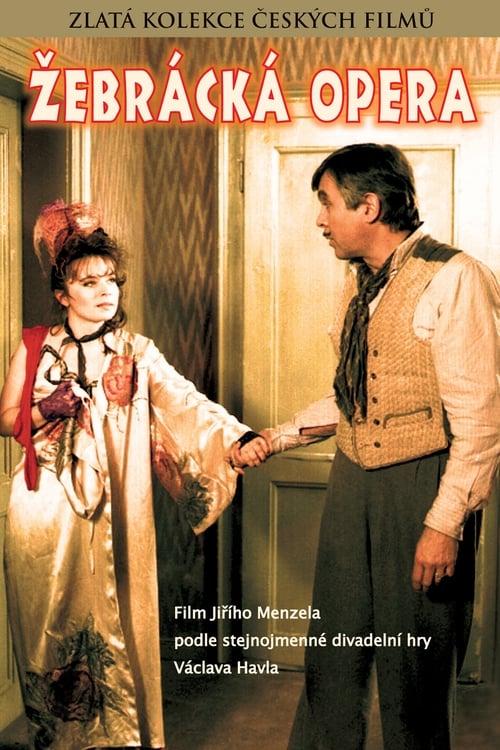
Unlike any other opera, the so-called Beggar's Opera is not just one composition, but a lineage of adapted compositions, beginning with the original hugely successful 1728 political satire written by Englishman John Gay. Composers and writers have penned variations on it ever since. The most famous of these was A Threepenny Opera by Bertholt Brecht and Kurt Weill. Some things these compositions share in common is their setting among the poor and criminal classes, and the roguish character Macheath. This production is based on an adaptation of Gay's original by Vaclav Havel the freedom-fighter, writer and philosopher who became the first (and only) president of the united post-communist country of Czechoslovakia, and it retains many traces of its theatrical origins. Film reviewers were not too tolerant of what they called "slavish adherence" to the noted Czech writer's stage production, but theater, philosophy and history buffs may feel otherwise.
At the beginning was the Slovak television series Lekár umierajúceho czasu (Doctor of Dying Time), dedicated to the Rudolphine-era scientist Jan Jesenius. He ended up on the scaffold along with other gentlemen after losing the anti-Habsburg uprising. When director Miloslav Luther conceived the idea of making an abridged version of the footage for cinema, he had to not only rebuild the storyline but also dub it into Czech. However, the result was only an illustrative puzzle, describing the various stages of the hero's turbulent life.
Subscribe for exclusive insights on movies, TV shows, and games! Get top picks, fascinating facts, in-depth analysis, and more delivered straight to your inbox.