
Action
Adventure
Animation
Comedy
Crime
Documentary
Drama
Family
Fantasy
History
Horror
Music
Mystery
Romance
Science Fiction
Thriller
War
Western

Harriet Andersson (born 14 February 1932, Stockholm) is a Swedish actress, known outside Sweden for being part of one of director Ingmar Bergman's stock company. She often played impulsive working class characters and quickly established a reputation on screen for her youthful, unpretentious, full-lipped sensuality. She disdains the use of makeup. Description above from the Wikipedia article Har...
Explore all movies appearances

Explores Jerry Lewis' unreleased 1972 film "The Day the Clown Cried," its mysterious disappearance, and the search for footage. Includes interviews with Lewis' associates and previously unseen production content.
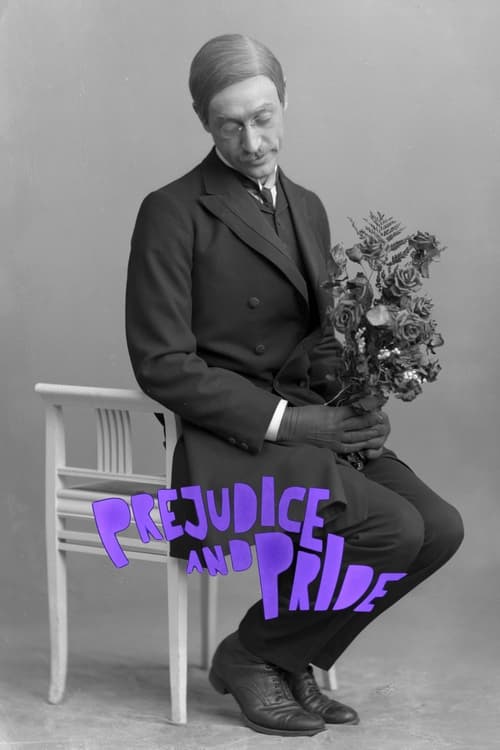
A journey through Swedish queer film history.

Jörn Donner’s entire production can be considered as a self-portrait, a life-spanning performance. Whilst others have painted one image or another of Donner, John Webster’s interpretation differs in that it pulls most of its material from Donner’s last-intended interview in December 2019, and an immense never-before-seen collection of photographs from albums simply labelled “Donner – Privat”. As a result, the film morphs into an epilogue of sorts, of Donner’s life story.
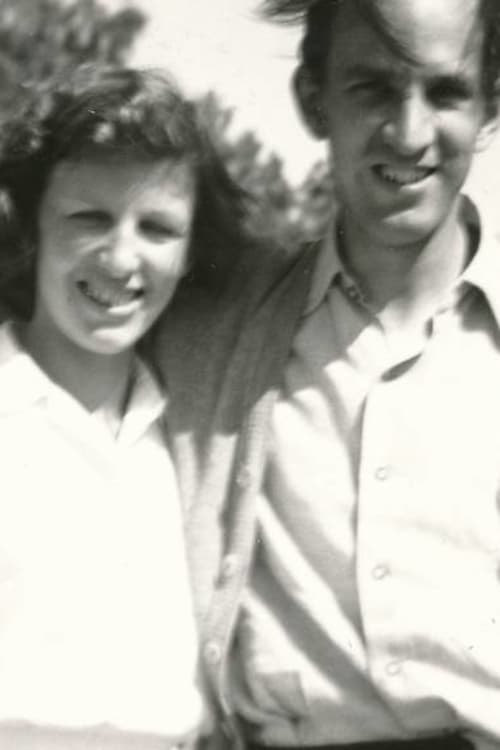
"The Undefeated Femininity" - a film about Gun Grut Bergman. In September 1949 Ingmar Bergman left his wife and five children, and escaped to Paris with a new woman, Gun Grut. It was the beginning of a passionate love affair, an enduring jealousy drama and a new theme in Bergman's films. Now their son, Ingmar Bergman Jr, walks in his parents' footsteps, from Paris to the home on Grev Turegatan 69 in Stockholm.
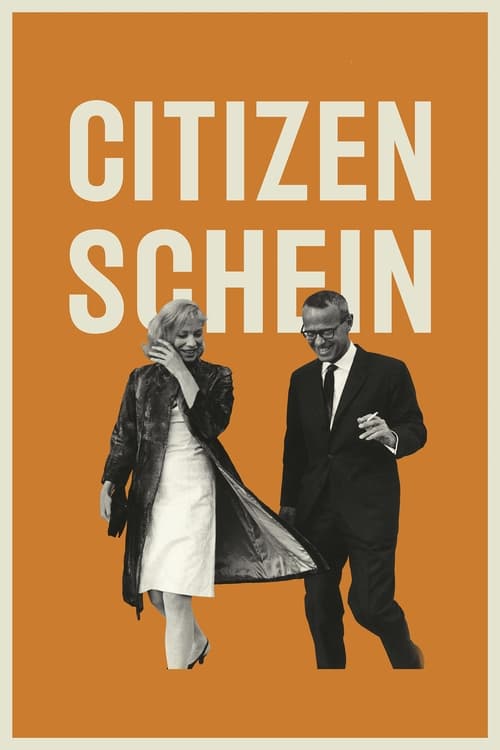
Harry Schein was an anomaly in Swedish cultural society. Equal parts playboy, intellectual, and political visionary, his life story could very well be the foundation of a Hollywood film. Citizen Schein is a film about a refugee who refused to look back, a film about powerful men, and the myths that fuel them.
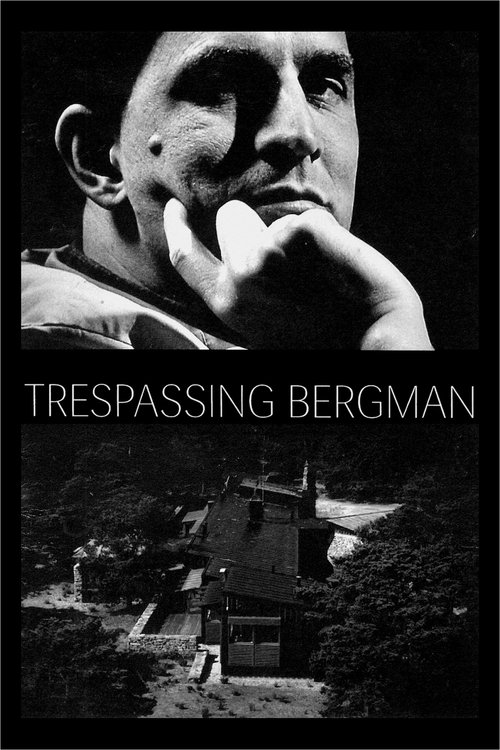
In the sixties, Swedish filmmaker Ingmar Bergman (1918-2007) built a house on the remote island of Fårö, located in the Baltic Sea, and left Stockholm to live there. When he died, the house was preserved. A group of very special film buffs, came from all over the world, travel to Fårö in search of the genius and his legacy. (An abridged version of Bergman's Video, 2012.)

With only the television for company, an elderly woman is living alone since her husband died several years previously. One day she discovers a boy who has been subjected to serious abuse, and the captivity she is living in is falling apart.
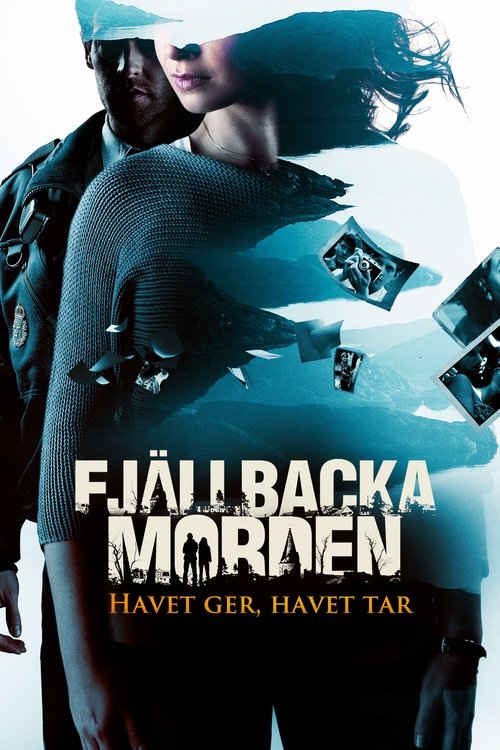
When Erica finds Fjällbacka's photographer Stigge murdered in his studio, she can't help but take interest in the investigation regarding his death. Patrik and his colleagues at the Fjällbacka police soon starts to question whether or not Stigge was the sweet old man he seemed to be. Erica is already ahead of them - since her mother-in-law Kristina has confided in her that she is one among many in the neighborhood that Stigge blackmailed... In "The sea gives, the sea takes" we go back to the 1960s to tell the story of how true love corrupted young Stigge and made him cover up a murder with the purpose to win the love of his life.
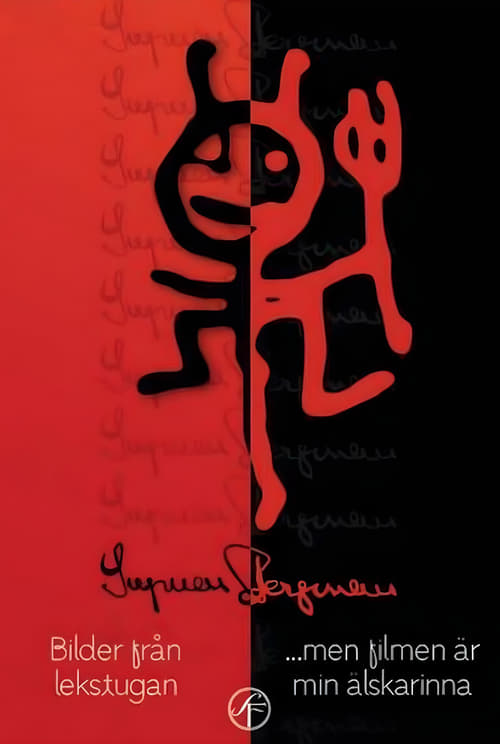
In the early fifties Ingmar Bergman got himself a cine-camera, a 9.5 mm Bell & Howell, which he often used both privately and in his work. "Bilder från lekstugan" ("Images from the Playground") embark on these films, giving a diverse representation of one of the greatest artists in cinema.
A man is confronted with his memories and himself as a child.
Subscribe for exclusive insights on movies, TV shows, and games! Get top picks, fascinating facts, in-depth analysis, and more delivered straight to your inbox.