
Action
Adventure
Animation
Comedy
Crime
Documentary
Drama
Family
Fantasy
History
Horror
Music
Mystery
Romance
Science Fiction
Thriller
War
Western

Louis Daniel Armstrong (August 4, 1901 – July 6, 1971), nicknamed Satchmo or Pops, was an American jazz trumpeter and singer from New Orleans, Louisiana. Coming to prominence in the 1920s as an "inventive" cornet and trumpet player, Armstrong was a foundational influence in jazz, shifting the music's focus from collective improvisation to solo performance. With his instantly recognizable deep an...
Explore all movies appearances
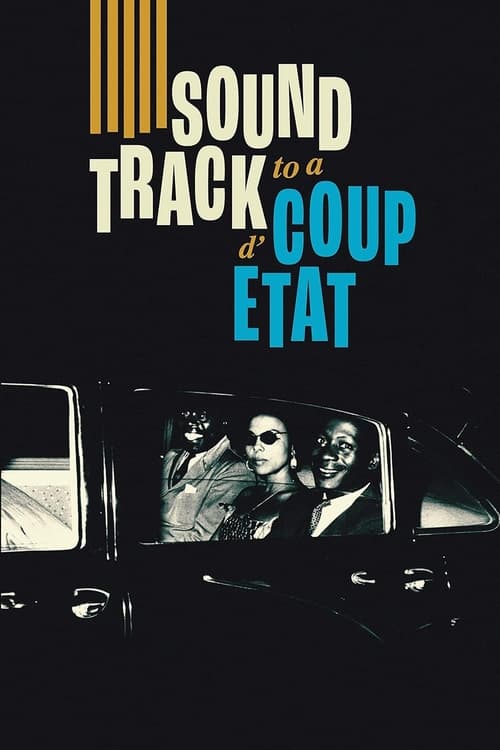
Jazz and decolonization are intertwined in a powerful narrative that recounts one of the tensest episodes of the Cold War. In 1960, the UN became the stage for a political earthquake as the struggle for independence in the Congo put the world on high alert. The newly independent nation faced its first coup d'état, orchestrated by Western forces and Belgium, which were reluctant to relinquish control over their resource-rich former colony. The US tried to divert attention by sending jazz ambassador Louis Armstrong to the African continent. In 1961, Congolese leader Patrice Lumumba was brutally assassinated, silencing a key voice in the fight against colonialism; his death was facilitated by Belgian and CIA operatives. Musicians Abbey Lincoln and Max Roach took action, denouncing imperialism and structural racism. Soviet Premier Nikita Khrushchev intensified his criticism of the US, highlighting the racial barriers that characterized American society.
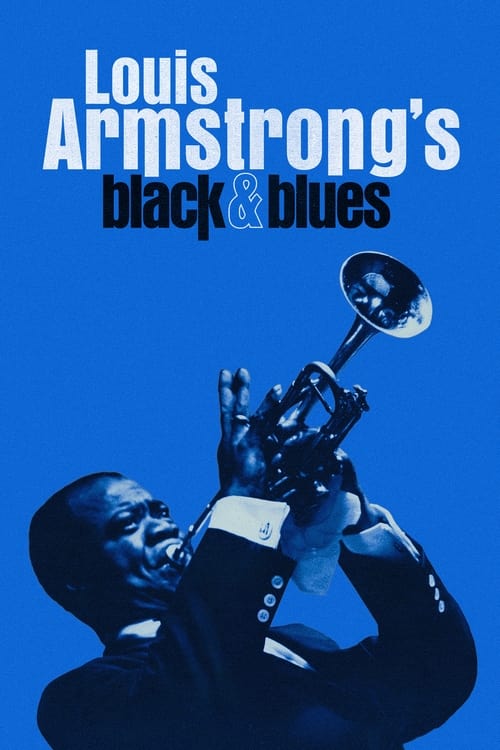
Never-before-heard personal recordings and archival footage tell the story of Louis Armstrong's life from his perspective. From musical phenom to civil rights activist to world-renowned artist, this illuminating film shows sides of Armstrong few have seen.
Pull back the curtain on the remarkable history of six decades of James Bond music, from Sean Connery’s Dr No through to Daniel Craig’s final outing in No Time to Die.
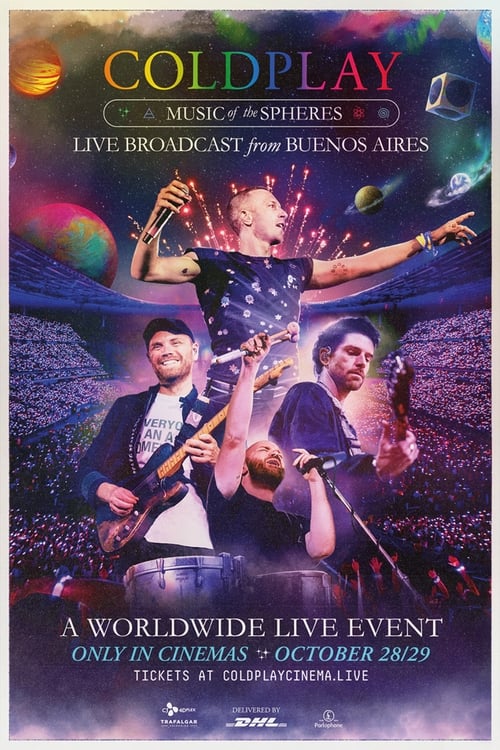
Experience the stunning spectacle of Coldplay’s record-breaking Music Of The Spheres world tour at your local cinema with this spectacular worldwide live broadcast of the band’s sold out concert at Buenos Aires’ River Plate stadium directly from Argentina in a stadium bursting with lights, lasers, fireworks and LED wristbands - all of which combine to make Coldplay’s concerts such a joyful and life-affirming experience.
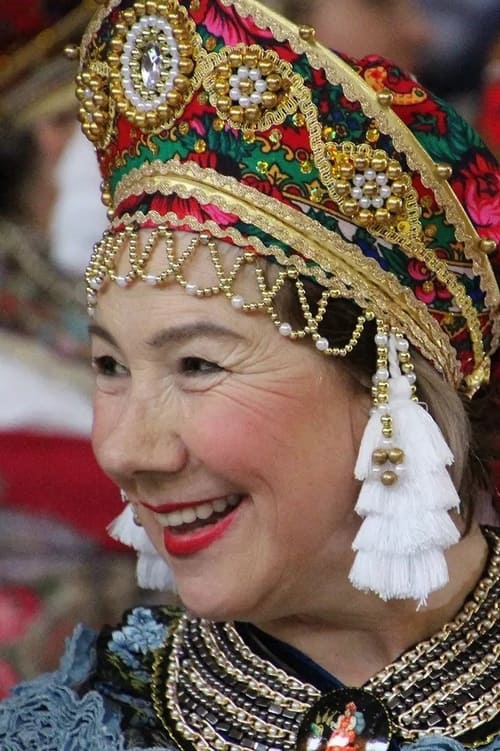
Arguably Russia’s most famous folk song, Dark Eyes has captured hearts around the world for the past 100 years. This portrait explores the song’s somewhat controversial history, its musical versatility and its cultural relevance. Performances by Louis Armstrong, Frank Sinatra, Liberace, a 13-piece orchestra and a Russian folk group make it clear why Dark Eyes has stood the test of time.

First broadcast on the centenary of his birth, legendary jazz trumpeter and vocalist Louis Armstrong in performance.
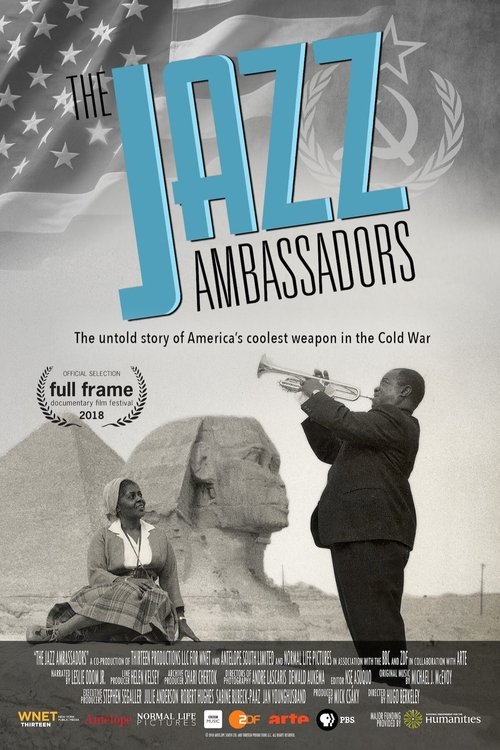
The Cold War and Civil Rights collide in this remarkable story of music, diplomacy and race. Beginning in 1955, when America asked its greatest jazz artists to travel the world as cultural ambassadors, Louis Armstrong, Dizzy Gillespie, Duke Ellington and their mixed-race band members, faced a painful dilemma: how could they represent a country that still practiced Jim Crow segregation?

Bing Crosby was, without a doubt, the most popular and influential multi-media star of the first half of the twentieth century, pulling audiences in with his intimate, laid-back voice and innate charm. Narrated by Stanley Tucci and directed by Robert Trachtenberg, this film explores the life and legend of this iconic performer, revealing a personality far more complex than the image the public had only thought they'd known.
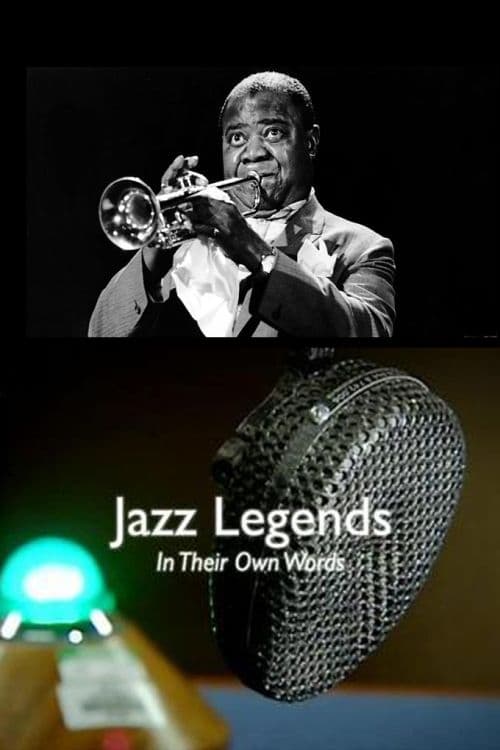
A journey into the BBC archives unearthing glorious performances and candid interviews from the golden age of jazz. Featuring some of the greatest names in American music, including the godfather of New Orleans jazz Louis Armstrong, the King of Swing Count Basie, Duke Ellington, Oscar Peterson, Dizzy Gillespie and Ella Fitzgerald.
Ella and Louis found Ella Fitzgerald and Louis Armstrong accompanied by the Oscar Peterson Quartet. The studio album came out when both figures were at high points in their careers commercially. The recording sessions getting started in August 1956, the tracks specifically featured Oscar Peterson on piano, Buddy Rich on drums, Herb Ellis on guitar, and Ray Brown on bass. Seminal record producer Norman Granz masterminded the affair. Ella and Louis Again, which features nineteen songs, primarily consists as a collection of vocal duets like its predecessor. However, seven selections do involve either Armstrong or Fitzgerald singing without the other. The backing group remained the same except for Buddy Rich's role being taken by Louie Bellson; Bellson is regarded as one of the greatest drummers in history right alongside Rich by critics.
Subscribe for exclusive insights on movies, TV shows, and games! Get top picks, fascinating facts, in-depth analysis, and more delivered straight to your inbox.