
Action
Adventure
Animation
Comedy
Crime
Documentary
Drama
Family
Fantasy
History
Horror
Music
Mystery
Romance
Science Fiction
Thriller
War
Western
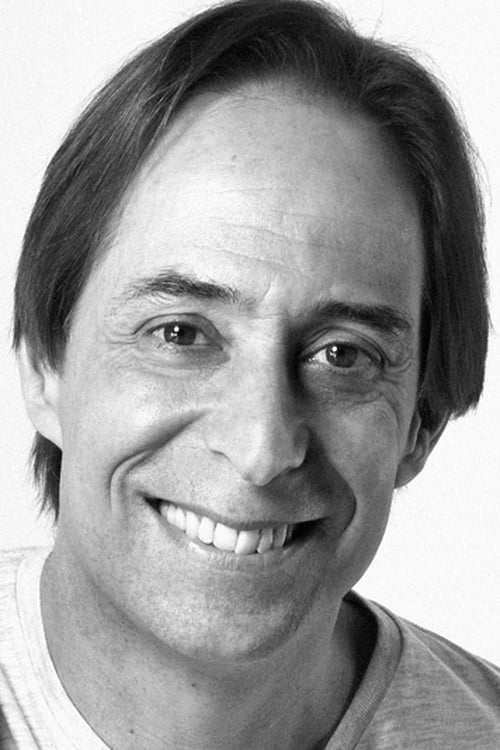
Pedro Cardoso (born December 31, 1962) is a Brazilian actor, screenwriter, playwright, writer and television director. He is best known for his role as Agostinho Carrara on the Rede Globo sitcom "A Grande Família", for which he was nominated for an International Emmy Award for best actor. Pedro Cardoso was born in Rio de Janeiro, the second of six children in a prominent family. His father was a ...
Explore all movies appearances

The documentary is a tribute to Theater based on the trajectory of Clarice Niskier who made her job her own lifestyle. As a central axis, interviews with the three directors with whom Clarice developed long partnerships: Domingos Oliveira, Eduardo Wotzik and Amir Haddad. Through an intimate and sensitive look, the film reveals her passion for the craft, her life experience, her poetic worldview, her spiritual and intellectual search, pains, joys, losses and gains. Clarice makes the black box the more than perfect symbol of her own Universe: the Theater.
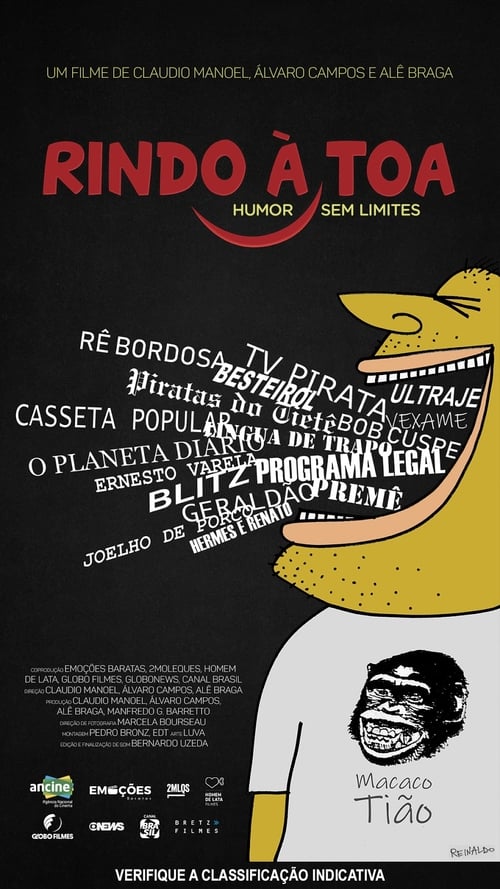
A portrays of the period in which Brazilian humor had fewer limits (1986-2003), free from military dictatorship.
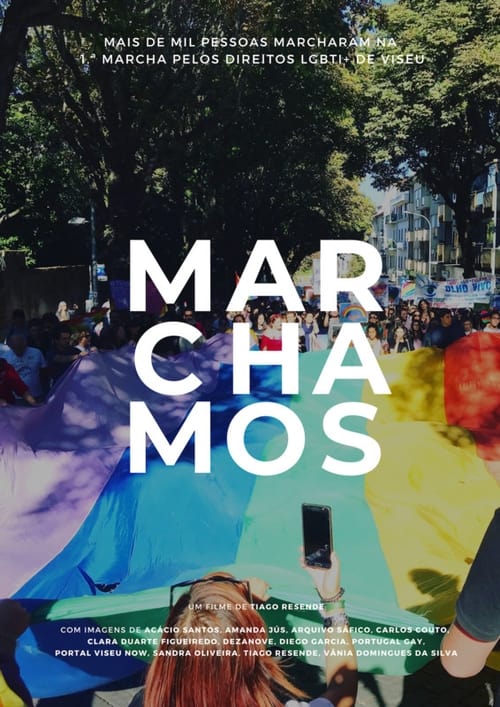
In 2005, the first national manifestation against homophobia, called STOP Homophobia, was held in Viseu. The sad events that preceded and impelled the organization of the manifestation are kept in memory. Those were times of reaction to extreme homophobic violence. In 2018, people with different life histories, sexual orientations, sexual characteristics, identities and gender expressions were united by freedom in love and self-determination of gender. On October 7, 2018, the 1st March for LGBTI + Rights was held in Viseu, and more than 20 organizations from Viseu, Vila Real, Bragança, Coimbra, Porto and Lisbon participated. We marched for the present and the future, joining the will of those who are proactive in defending basic human rights in an attempt to eliminate violence and exclusion. More than a thousand people marched in Viseu. The Municipal Council of Viseu ignored the March as they have not participated in it and refused to participate in this film.
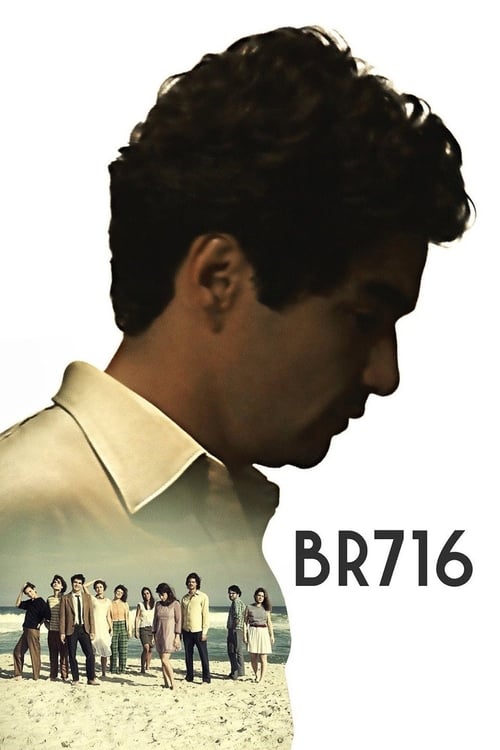
In 1960s Rio de Janeiro, aspiring writer Felipe leads a life of wild parties held in an apartment in famous street Barata Ribeiro in Copacabana. There he and his friends enjoy freedom even in the midst of a complicated political moment.
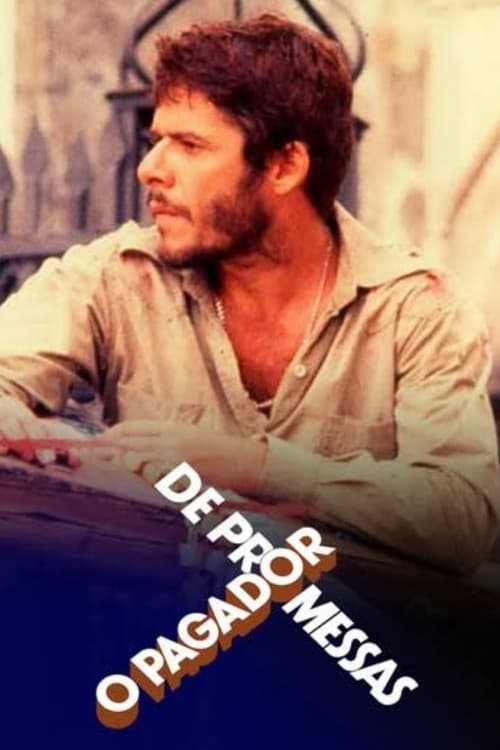
Adaptation of the series shown in 1988. The humble farmer Zé do Burro makes a promise to Santa Bárbara to save his donkey Nicolau from death. The payment is to carry a heavy cross from the interior of Bahia to a church in Salvador. When you reach the steps of the church, with injured shoulders, you have to deal with the incomprehension of a conservative priest.

This documentary highlights the evolution of Brazil's Circo Voador venue from homespun artists' performance space to national cultural institution.
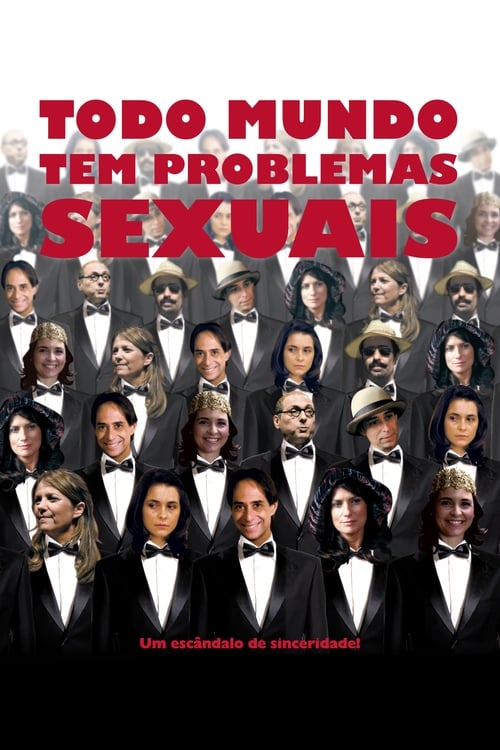
Divided in five segments, "Todo Mundo Tem Problemas Sexuais" follows the story of different couples, each having various problems in bed.
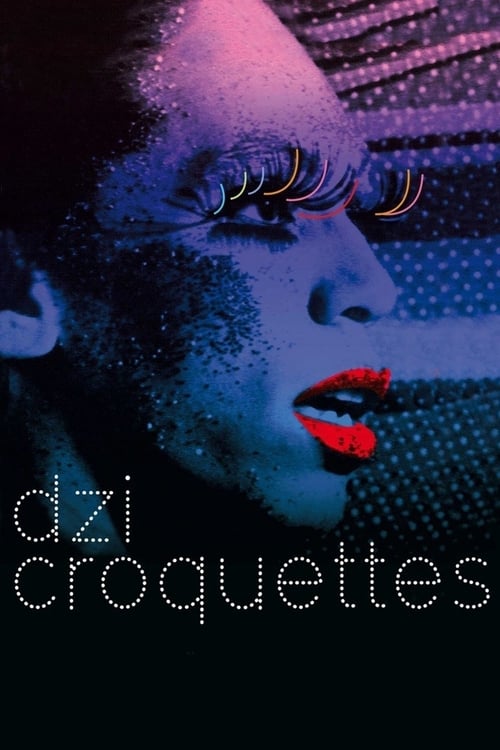
A Brazilian theatre group that through talent, irony and humour confronted the Brazilian violent dictatorship in the 1970s revolutionising the gay movement worldwide and changing theatre and dance language to an entire generation.
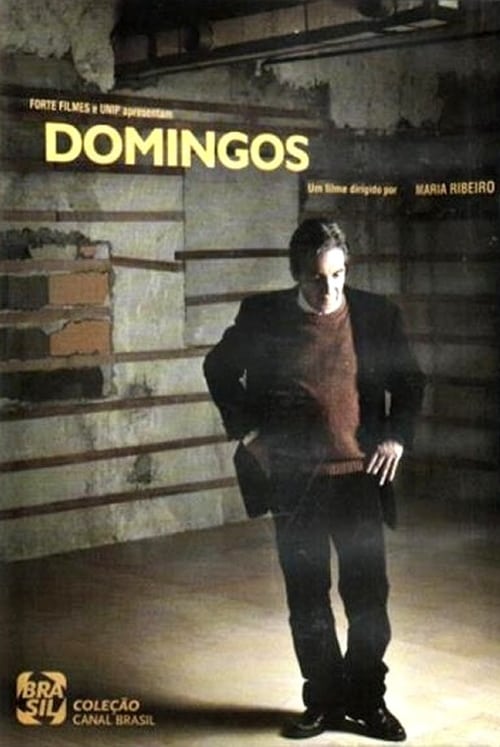
A look into the life and mind of Brazilian playwright and filmmaker Domingos Oliveira through his daily activities and artistic deeds.
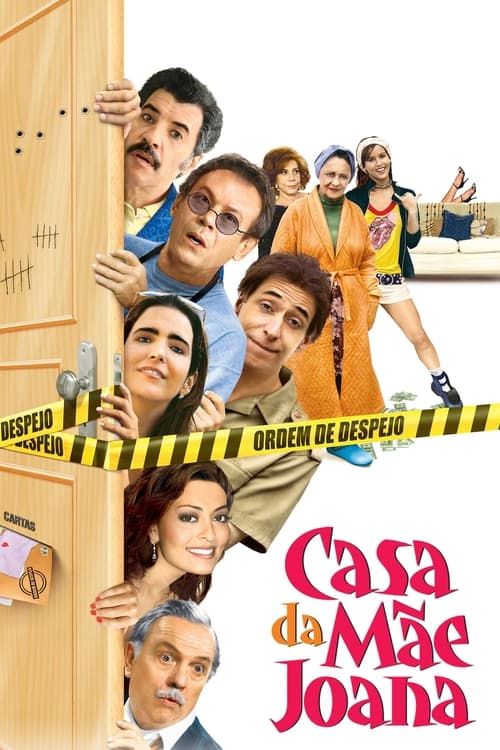
Four friends who only think about enjoying life, with big parties, women and drinks, are surprised by an eviction. In need of money, the group is forced to think about what they hate most: working! Confusion arises when everyone looks for an easy way to get money, with minimum effort. The days pass and the hilarious confusion only increases!
Subscribe for exclusive insights on movies, TV shows, and games! Get top picks, fascinating facts, in-depth analysis, and more delivered straight to your inbox.