
Action
Adventure
Animation
Comedy
Crime
Documentary
Drama
Family
Fantasy
History
Horror
Music
Mystery
Romance
Science Fiction
Thriller
War
Western

Born in Chicago, he was an actor in touring stock companies before making his screen debut in 1912. Joining D.W. Griffith's Fine Arts Studio in 1914, he was cast as Union officer Phil Stoneman in "The Birth of a Nation" (1915) and as The Rhapsodie in the Babylonian story of "Intolerance" (1916). He was also a second-unit director for those films. Promoted to director in 1917, Clifton supervised se...
Explore all movies appearances
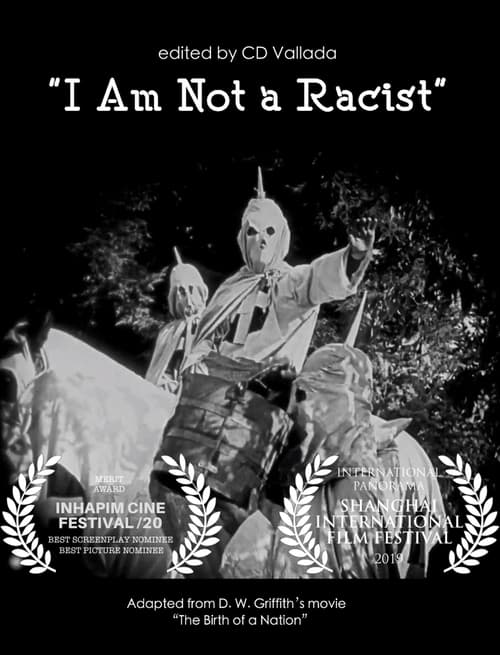
A parody of D. W. Griffith's "The Birth of a Nation", "I Am Not a Racist" rearranges the scenes of the classic movie and recreates its dialogues to criticize the racism in it and also in the world today. Freemenville is a little city somewhere in the USA. A city ashamed because of its past of slavery, but proud of being the first in the country to end it. There is an annual ball to celebrate this fact. And this year's ball may be the biggest ever, because of the possible presence of a big celebrity, who is coming to town to see the premiere of a play. However, the play happens to be D. W. Griffith's "The Birth of a Nation", a racist work that starts a series of events exposing the racism that still exists in the city, culminating in the recreation of the KKK.
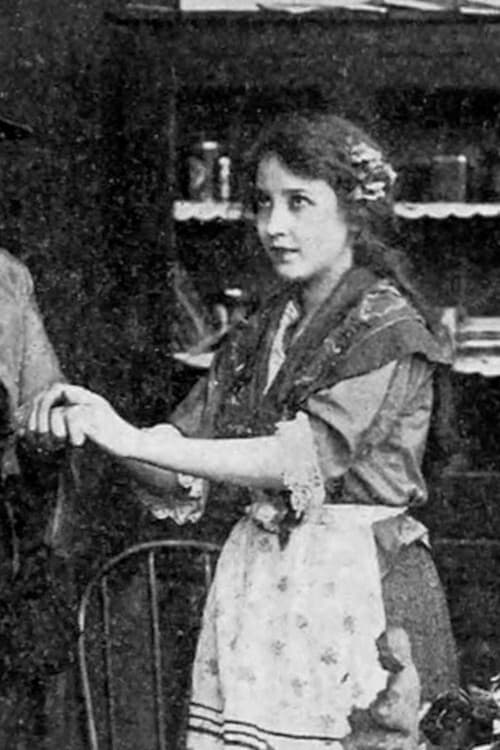
Nina, a blind girl, lives with her grandmother, who has taught her to make artificial flowers, which she sells at a flower-stand. Nina, and Jimmie, a crippled newsboy who sells papers on the same corner, are sweethearts. Nina's grandmother dies, and she turns to Jimmie. One day Jimmie has a fight with another newsboy, whom he thinks is hanging about Nina's stand too much, and the other boy is soon begging for mercy. Miss Fifi Chandler, an artist, happens to be passing, and becoming interested, she accompanies Nina and Jimmie to their rooms, and is surprised to find that Jimmie is an artist, having made a beautiful plaster cast of Nina. Fifi brings Jimmie and his protégé to the notice of her fellow artist, Fred Townsend, who falls in love with Nina.
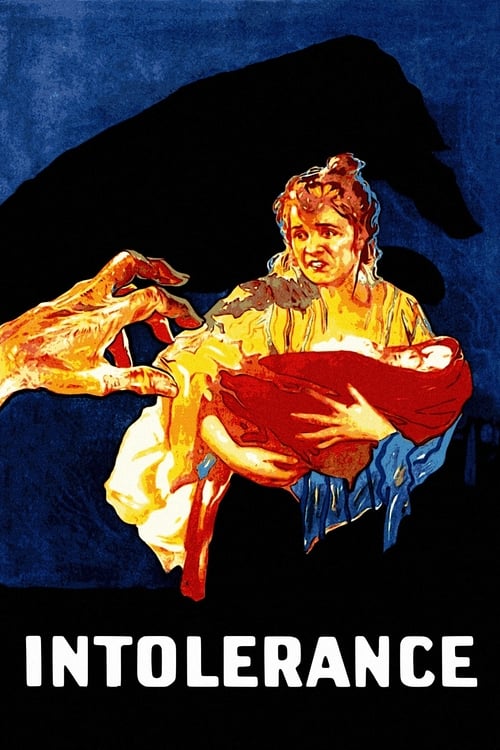
The story of a poor young woman, separated by prejudice from her husband and baby, is interwoven with tales of intolerance from throughout history.
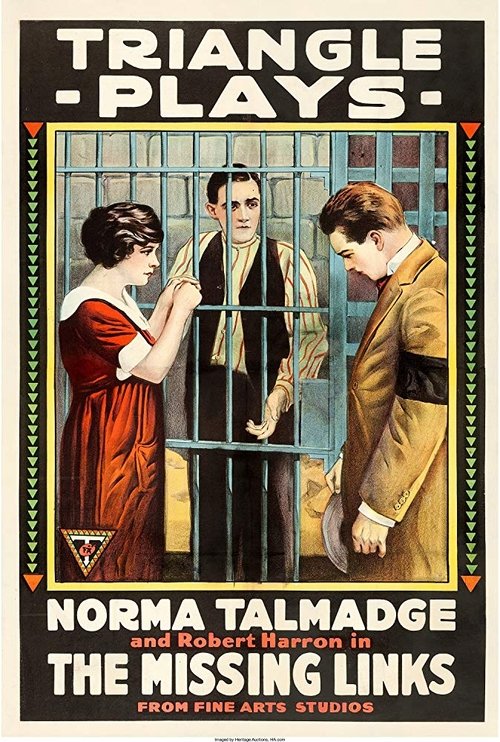
A 1916 film directed by Lloyd Ingraham.
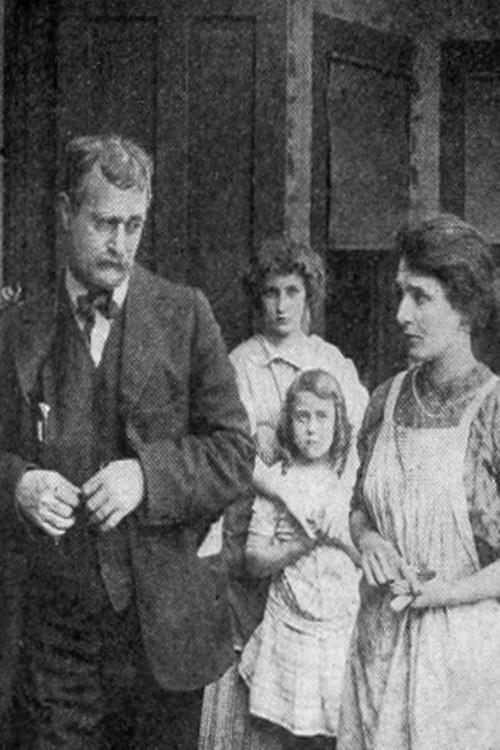
Hard-working insurance company bookkeeper John Carter, comes home Easter eve to his suburban cottage with a potted lily for his loving wife and two daughters. The Carters live happily until cashier Charles Ryder is murdered by the night watchman, a "coke sniffer" in need of money, and Carter is accused because he worked with Ryder that evening.

No plot available for this movie.
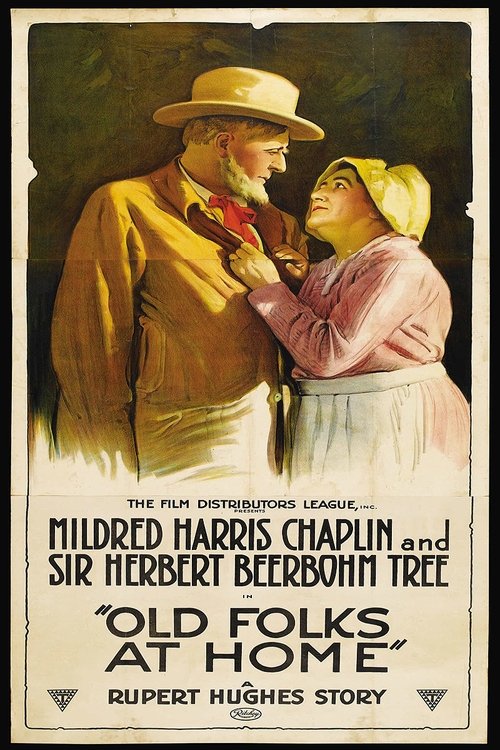
Senator John Coburn's son Steve, who associates more with gamblers, criminals and drug addicts than with his father's congressional cronies, impulsively murders his mistress' new lover. The senator tries to use his influence to have Steve acquitted, but all of the evidence firmly and correctly implicates him, and so the jury prepares to find Steve guilty without much deliberation. Before the verdict can be announced, however, Steve's mother rises in court to make an impassioned plea for her son. As a result, moved by the mother's grief, the jurors choose to ignore all of the evidence, and declare that Steve is not guilty.
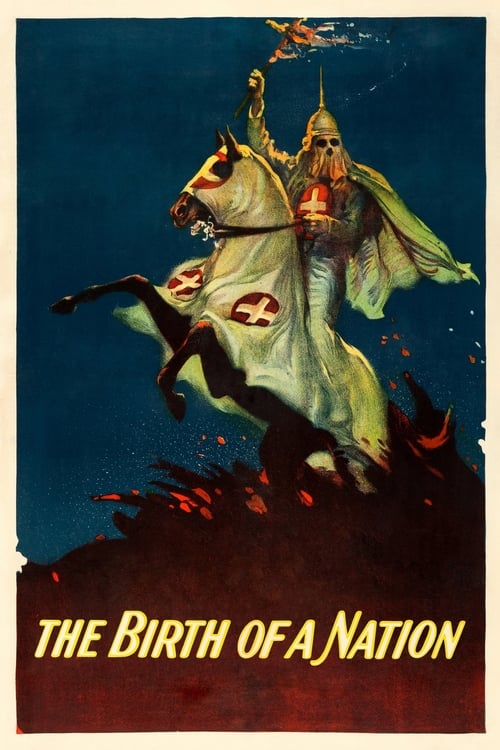
Two families, abolitionist Northerners the Stonemans and Southern landowners the Camerons, intertwine. When Confederate colonel Ben Cameron is captured in battle, nurse Elsie Stoneman petitions for his pardon. In Reconstruction-era South Carolina, Cameron founds the Ku Klux Klan, battling Elsie's congressman father and his African-American protégé, Silas Lynch.
According to Japanese legend, the Fox Woman was not possessed of a soul. To exist, she was obliged to steal the soul of others.
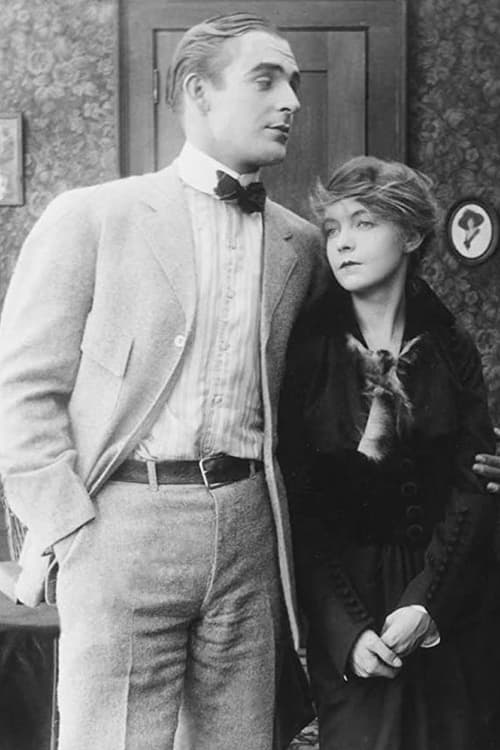
Before his niece and ward, Dosia Dale, comes of age, her uncle, who has spent her entire fortune, must think of a way to account for his actions. He proposes marriage, and when Dosia indignantly refuses him, he conspires with his evil friend, Dr. Protheroe, to do away with her. Declaring Dosia insane, the two men lock her up in the doctor's insane asylum, but she manages to drop a note from the window. Her plea for help is found by a reporter named Ford, who feigns insanity in order to gain admittance to the asylum. Dr. Protheroe becomes suspicious of Ford and locks him up with Dosia, whereupon Ford, knowing that his friend Cuthbert will notify the police if he and Dosia do not emerge safely by twelve, barricades the door and waits. In a furious battle with the police and the militia, Dosia's uncle and Dr. Protheroe are killed and the house set ablaze, but Ford and Dosia escape, leaping from the roof into a fire net below. All danger passed, Ford and Dosia become engaged.
Subscribe for exclusive insights on movies, TV shows, and games! Get top picks, fascinating facts, in-depth analysis, and more delivered straight to your inbox.