
Action
Adventure
Animation
Comedy
Crime
Documentary
Drama
Family
Fantasy
History
Horror
Music
Mystery
Romance
Science Fiction
Thriller
War
Western
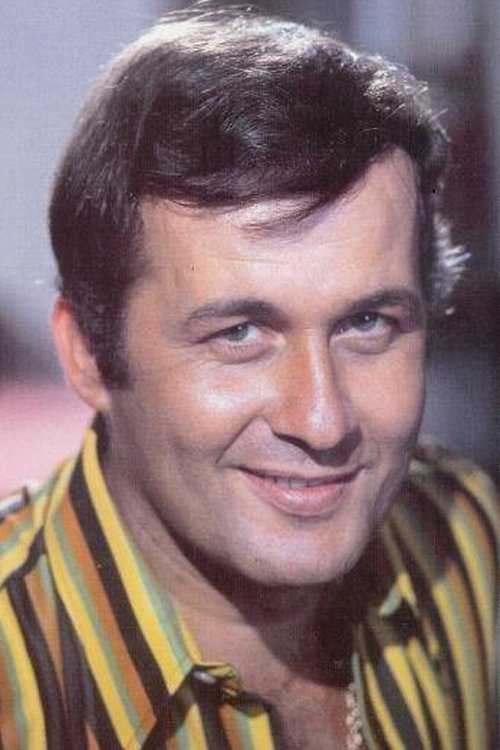
Dimitris Papamichael (Greek: Δημήτρης Παπαμιχαήλ 1934–2004) was a popular Greek actor and director. In 1965, he married Aliki Vougiouklaki, the so-called "national star" of Greece. The star couple remained married for a decade, co-starring in several films that marked the "golden era" of Greek cinema. Dimitris Papamichael's film debut was in 1956 in the (color) "Agapetikos tis Voskopoulas" by Eli...
Explore all movies appearances
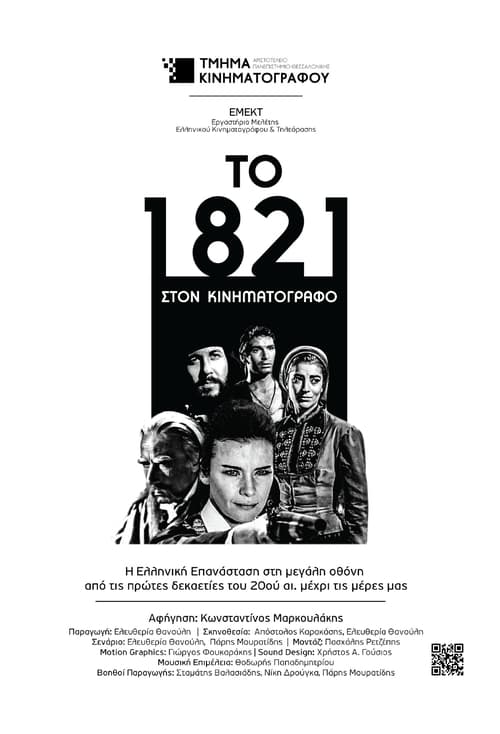
In 1821, in Cinema, he records the cinematic representations of the Revolution from the first decades of the 20th century. until the present day. Despite the fact that the Revolution of 1821 constitutes the founding act of the modern Greek state, as a subject matter it is underrepresented in national film production. This is one of the points on which the research looks, which simultaneously examines the periods of concentration of films on the subject of the Revolution or, respectively, the periods of its collective silence. The purpose of the documentary is to study the ideological discourse and the cinematic language of the films with the theme of 1821, in order to highlight the function of the cinema as a carrier of Public History and as a factor in shaping the collective historical consciousness.
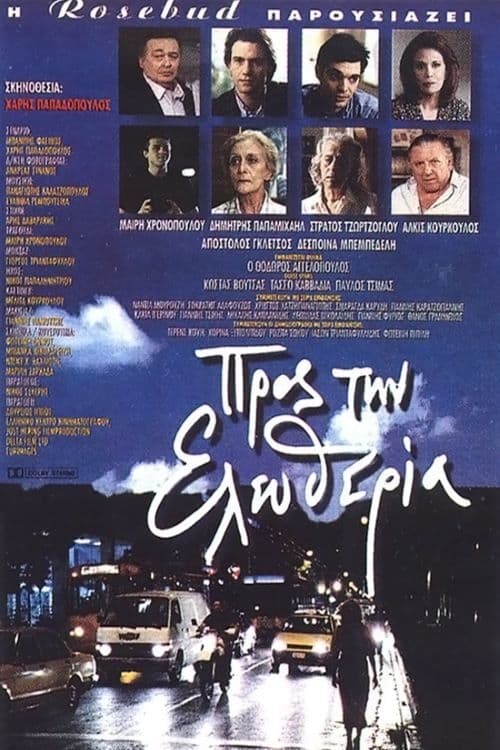
An actress who shone during the "golden age" of Greek cinema now lives far from the limelight, almost isolated, with only a few friends for company. Her decision to return to the stage, following a proposal from an old colleague, will bring her into contact with younger people, but also with ghosts from the past that haunt her, prompting her to reevaluate her attitude toward her desires and life.
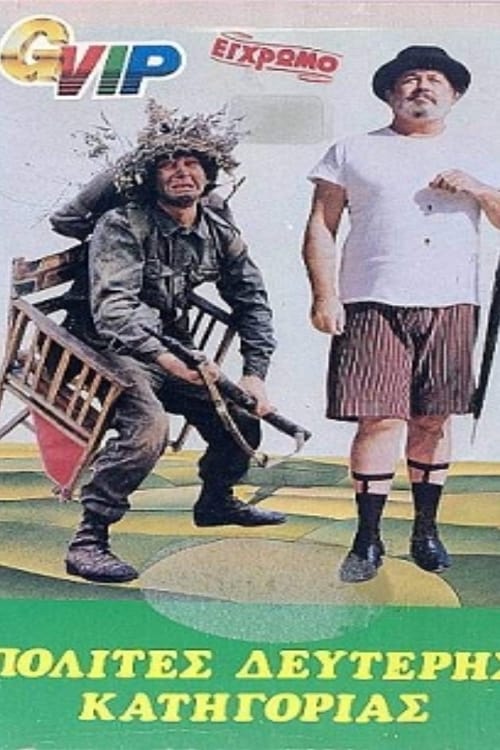
No plot available for this movie.
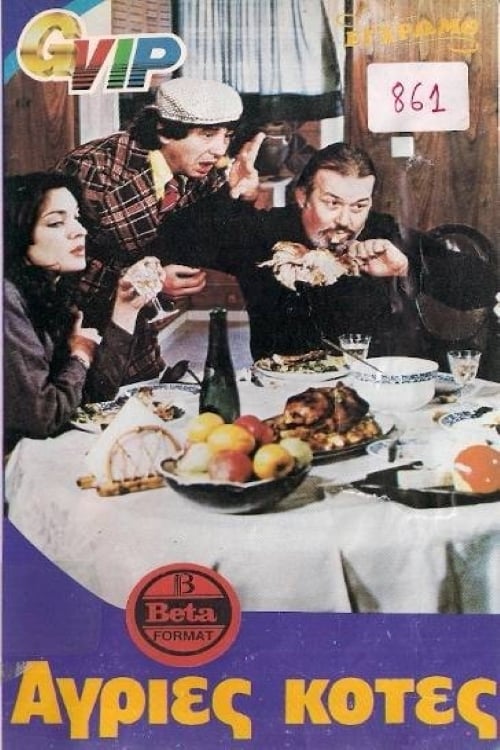
At the Presidential Mansion news arrives every day indicating that things in the country are going from bad to worse. The President summons all the political leaders in order to understand exactly what is happening; and yet no one can enlighten him. He decides to act. He calls two journalists and assigns them the task of investigating the matter by speaking directly with ordinary people. The investigation starts with the notorious Gypsy Tamtakos, who struggles every day for a living. Then they move on to a simple employee, Markos, who dreams of a raise -which never comes. Then it's a farmer, Thymios, who comes to the capital to sell his oranges. In a largely burlesque manner, the film more or less reveals that the entire misfortune is due to Greeks' laziness and apathy, as well as to the prevailing attitude of "no big deal".
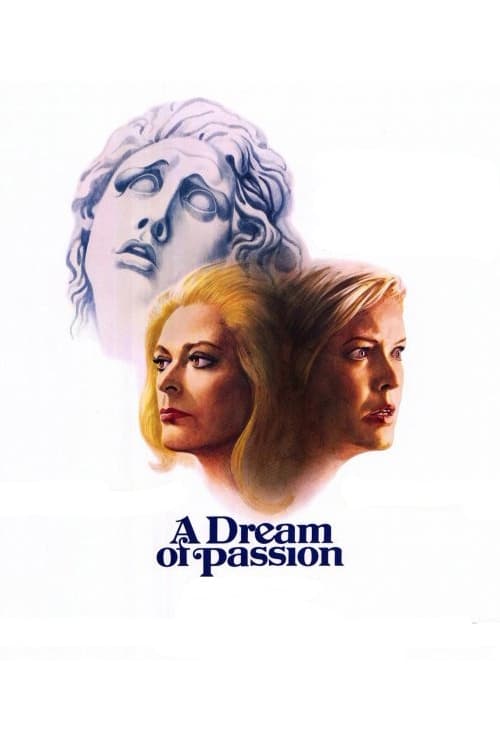
Melina Mercouri plays Maya, a jet-setting Greek actress who returns to her homeland to undertake the role of Medea. Searching for inspiration and clues as to how a mother could kill the children she loves, Maya discovers Brenda (Ellen Burstyn), a bible-spouting American woman serving time in an Athens prison for that very crime.
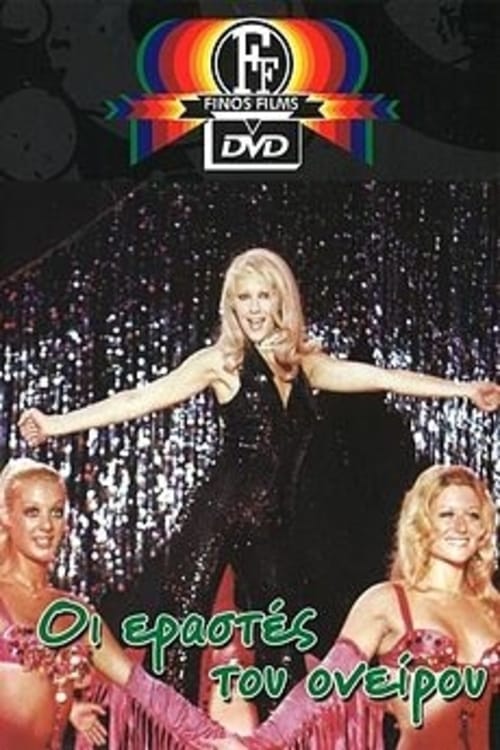
A popular and honest man, Dimitris (Dimitris Papamichael), who works at the Perama yards, sings at a local tavern in the evenings. One day, his revered brother proposes to break a villa, and to prove to him that these things do not need any special capacity, he accepts the challenge. The noise they do, however, awakens the daughter of the owner, Zoitsa (Zoe Laskari). The two invaders are surprise. Zoitsa, who understands that Dimitris is not a villain, asks her not to hand him over to the police and is listening. Shortly thereafter, the girl visits the owner of the shipyards in which Dimitris works. The two young men are reunited.
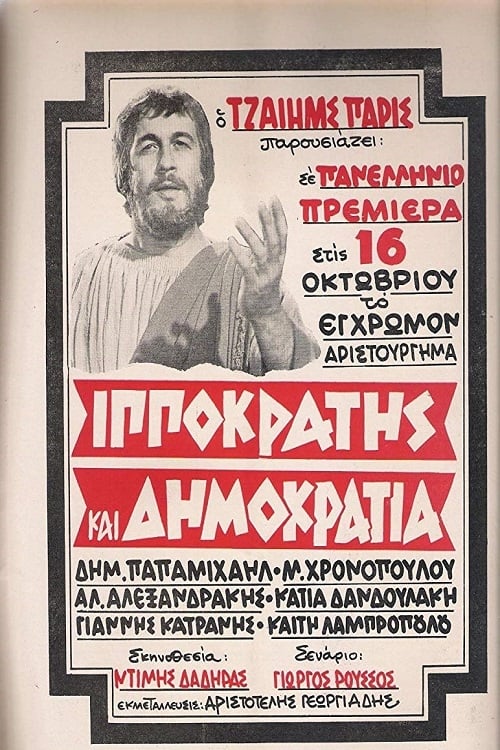
The father of medical in Kos, Hippocrates, believes that illnesses can be treated with medicines and herbs instead of prayers and comes into conflict with the medical establishment of the island. Leaving Kos, he goes to Athens, where he is called to face a plague for save the city.
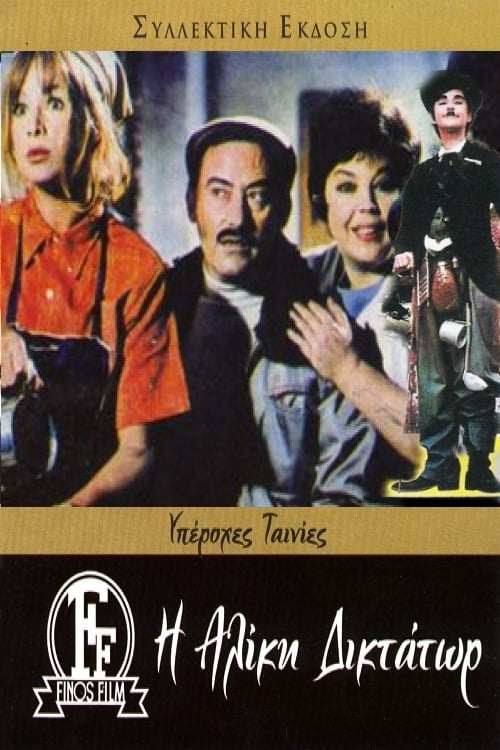
A young woman arrives in Athens with her dog after the death of her father, the head of a bouzouki band that broke up because television took away their work. She settles in the humble home of a friend, who is married to a petty crook, and looks for work. At some point, she meets a blind student and a mutual attraction develops between them, which blossoms into love.
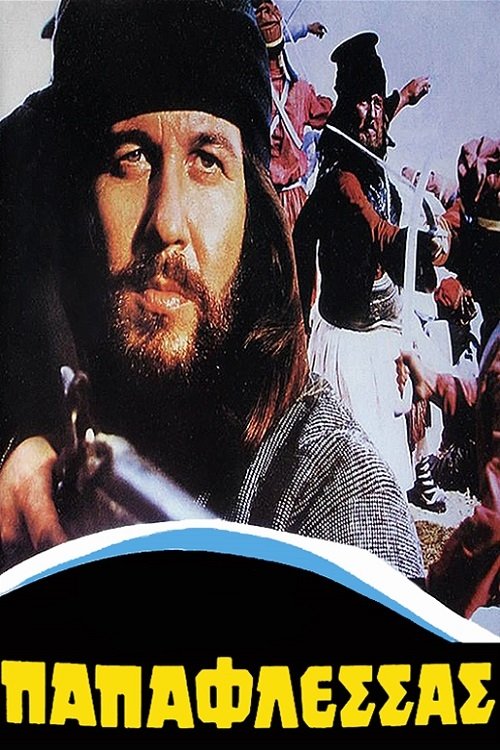
The life and work of the hero of 1821 Papaflessas that during the liberation struggle of the Greeks against the Turks, revolutionizing the elders and the world to declare war!!! Up to the heroic battle Maniaki.... A movie that shows the heroism and sacrifice of the Greeks for their homeland and their freedom
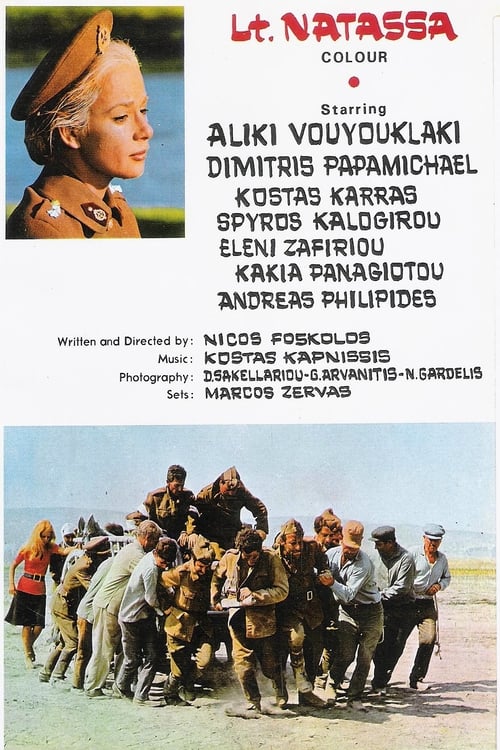
The year is 1965. Natasa Arseni visits Dachau, the place where she was found by the Americans at the end of the World War II. She returns to Greece, and during the train ride she recalls those past events. Before the beginning of the Greek-Italian war, she met Orestis . With the German invasion, Orestis, who was an officer in the Greek army, left for the Middle East. She followed him and accompanied him back to occupied Greece on a mission. She was arrested, interrogated and tortured and was finally sentenced to execution.
Subscribe for exclusive insights on movies, TV shows, and games! Get top picks, fascinating facts, in-depth analysis, and more delivered straight to your inbox.