Action
Adventure
Animation
Comedy
Crime
Documentary
Drama
Family
Fantasy
History
Horror
Music
Mystery
Romance
Science Fiction
Thriller
War
Western
Explore all movies appearances
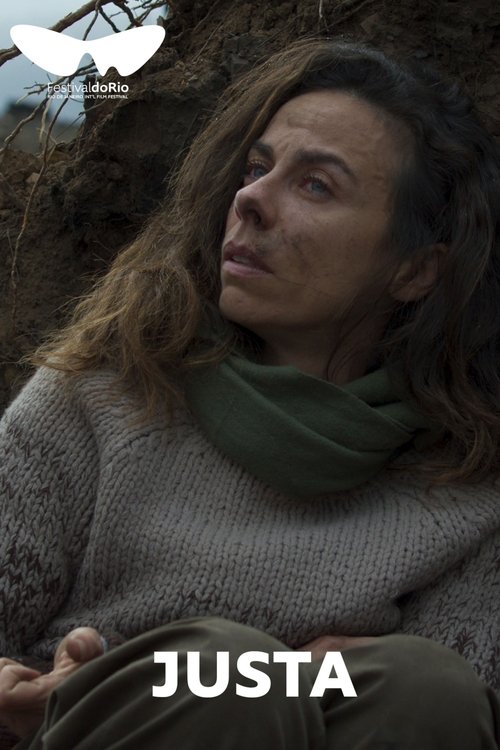
In 2017, in Portugal, devastating wildfires destroyed forests and killed children and adults; some died in their villages, others were trapped on a road. Communication failed, and the villages had no shelters. The film’s action does not take place in 2017, but at a later time. It follows a small group of people who lost their dearest ones and are now in the process of learning how to live after everything they have lost.
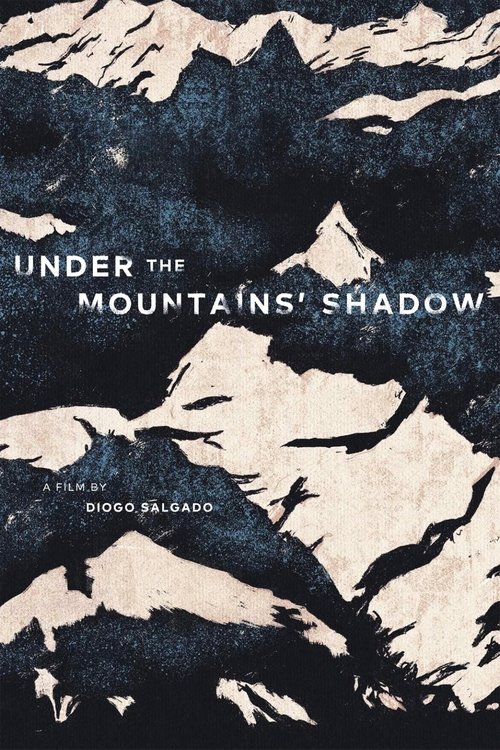
Pedro travels for the first time in one of the vans leading a group of workers to France. While, for the others, this is another work trip, each kilometer brings Pedro closer to a place that seduces him: the colossal mountains of the Alps.
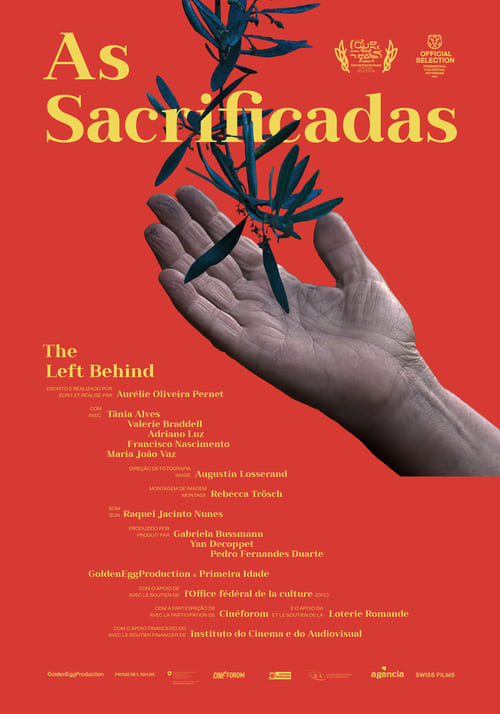
In summer, the Portuguese countryside is ravaged by fires. Otilia struggles between her job as a pool cleaner and the need to take care of her mother alone. Stunned by this suffocating daily life, the flames awaken in her solitude, despair and the desire to escape.
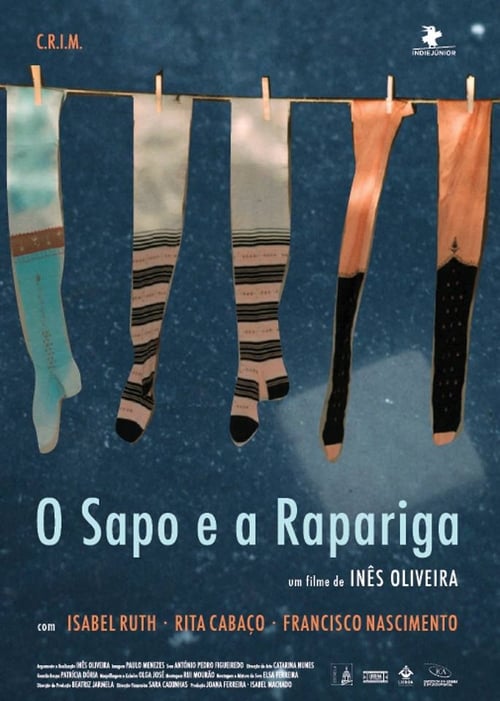
Adaptation by the director Inês Oliveira from the traditional Portuguese tale «O Sapo e a Rapariga». The laundry room is closed and a young woman (Rita Cabaço) has to learn how to wash clothes by hand with the wise Deolinda (Isabel Ruth), who tells her a strange story of enchantment.
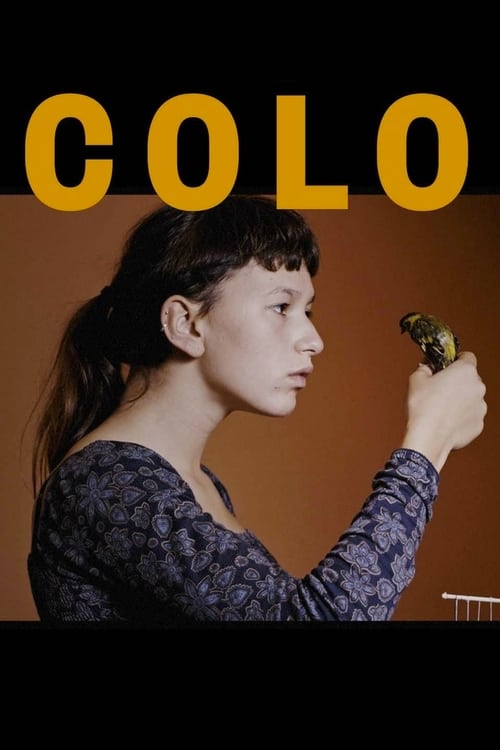
Struggling against the crisis in Portugal, a mother doubles up jobs to pay the bills since her husband is unemployed. Their teenage daughter tries to keep living everyday life even if the money is running short, which makes everything uneasy. Escaping from their common reality, they slowly become strangers to one another, as the tension grows in silence and in guilt.
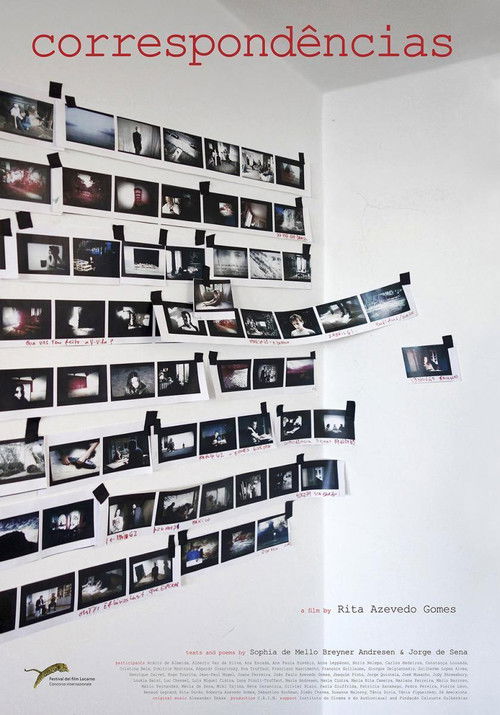
Jorge de Sena was forced to leave his country. First he moved to Brazil, and later to the USA. He never returned to Portugal. During his 20-year-long exile, he kept an epistolary correspondence with Sophia de Mello Breyner Andresen. These letters are a testimony of the profound friendship between the two poets, letters of longing and of desire to “fill years of distance with hours of conversation”. Through excerpts and verses, a dialog is established, revealing their divergent opinions but mostly their strong bond, and their efforts to preserve it until their last breaths.
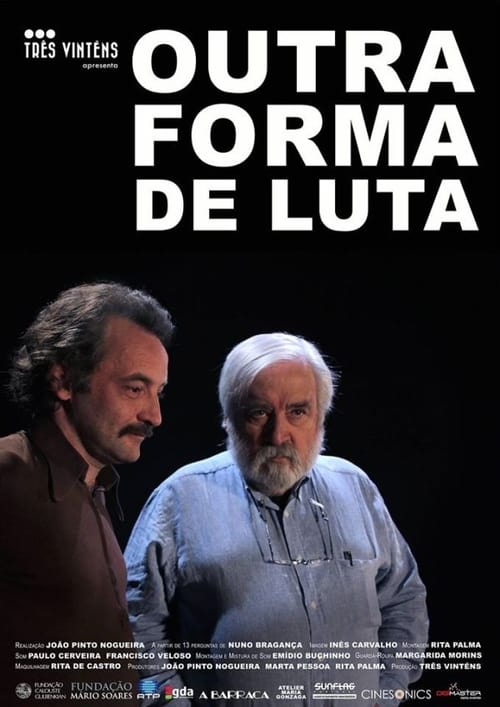
In early 1985, the writer Nuno Bragança hands his friend Carlos Antunes a 13 question’s questionnaire; 13 sheets of graph paper, of which he offered the recto-verso of each for his friend to answer. The questions were about Carlos Antunes’ personal and political career, with a special interest in his involvement in the Revolutionary Brigades and the armed struggle against the dictatorship that led to his arrest in 1978. The untimely death of the writer, in the same year, left the questionnaire unanswered and some uncertainty as to its purpose. After almost 30 years, the director asks Carlos Antunes to answer the 13 questions and to reconstruct the achievements, illusions and sorrows of the Revolutionary Brigades in Portugal, in the years surrounding the Carnations’ Revolution in 1974.

Portugal, 1944. In a country oppressed by a brutal dictatorship, there are those who resist and mobilize the people to fight for bread and freedom, even if it cost them prison, torture or their lives.

Roberto is one of those men to whom simulation has become the greatest art. He is an unmoved, inscrutable, mysterious man. But the truth is that Robert feels an intimate, deep tedium. The boredom of those who have already exhausted all the pleasures of life. The only thing still surprising him is the fact that nothing surprises him anymore. One evening he has an overwhelming encounter with a woman. For his own bewilderment, he discovers the sublime horrors in which the woman has sank.
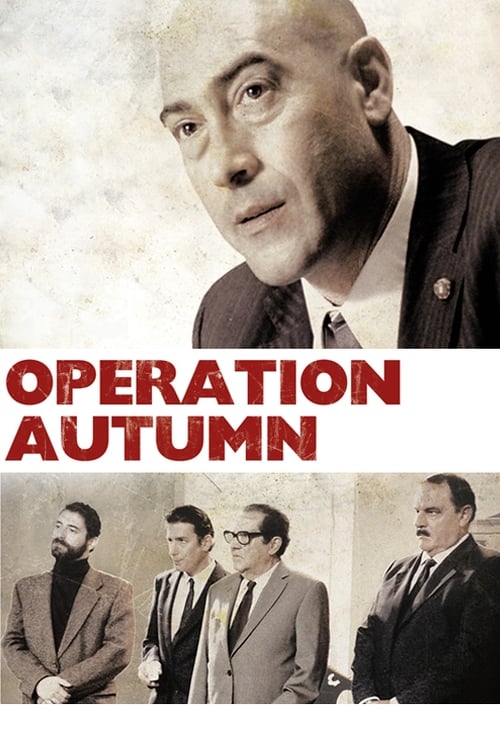
A film about General Humberto Delgado's brutal assassination by the Portuguese fascist police in 1965.
Subscribe for exclusive insights on movies, TV shows, and games! Get top picks, fascinating facts, in-depth analysis, and more delivered straight to your inbox.