
Action
Adventure
Animation
Comedy
Crime
Documentary
Drama
Family
Fantasy
History
Horror
Music
Mystery
Romance
Science Fiction
Thriller
War
Western
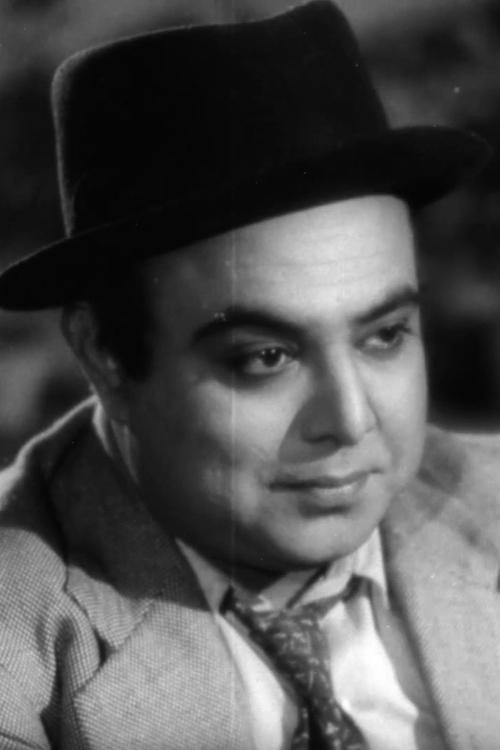
N Seetharaman was a lawyer from Trichy. He joined Gemini Studios to pursue a career in films. Besides acting, he also wrote the script and dialogues for a number of Tamil and Hindi Films.[1] He came to be called as Jawar or Javert due to his memorable portrayal of Javert in the 1950 Tamil film, Ezhai Padum Padu based on Les Misérables by Victor Hugo.
Explore all movies appearances
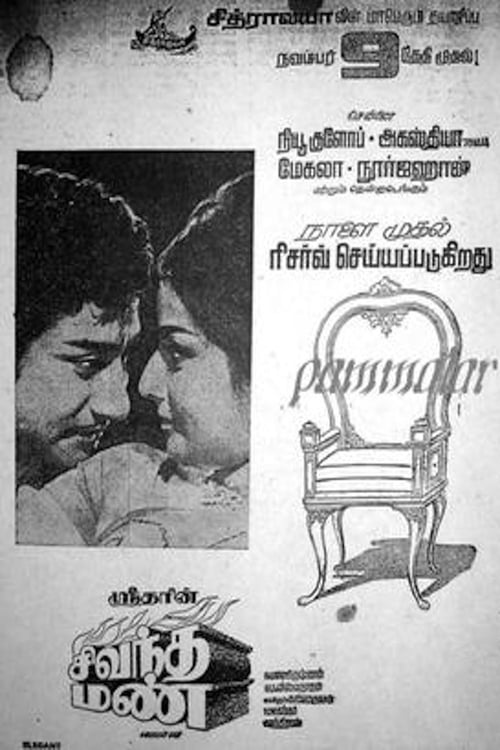
Sivandha Mann, also spelt as Sivantha Mann, is a 1969 Indian Tamil language film written, produced and directed by C.V. Sridhar that stars Sivaji Ganesan, Kanchana and M. N. Nambiar in the lead roles, while other actors like R. Muthuraman, Nagesh and S. V. Ranga Rao play supporting roles. It is notably the first Tamil film to be shot extensively in locations outside India, and later Tamil and Telugu films "fell to the French charm" after this. The film was a major success. A Hindi remake titled Dharti starred Rajendra Kumar and Waheeda Rehman in the lead, along with Sivaji Ganesan in a cameo role.

Two friends, Bhaskar and Seenu, accidentally release Jee-Boom-Baa, a genie from an old urn. Jee-Boom-Baa promises to help his new masters as they set him free.
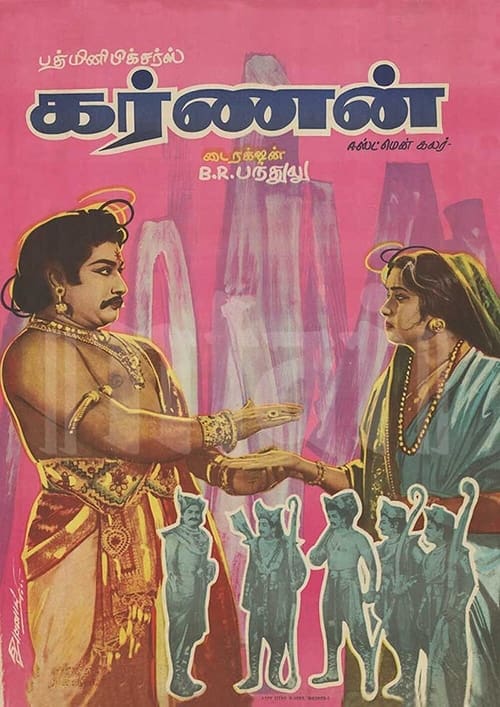
Brave and loyal warrior-archer Karna joins the Kauravas to battle the Pandavas in the Kurukshetra.
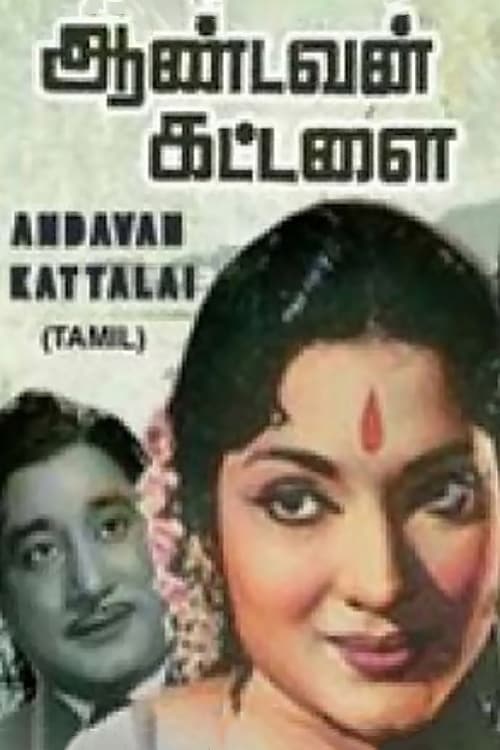
Aandavan Kattalai (English: Deity's order) is a 1964 Tamil film directed by K. Shankar and produced by P. S. Veerappan under PSV Pictures. Music by Viswanathan-Ramamoorthy assets to the movie. The film staaring Sivaji Ganesan and Devika played lead role with J. P. Chandra Babu, K. Balaji, S. A. Ashokan, A. V. M. Rajan and Pushpalatha.
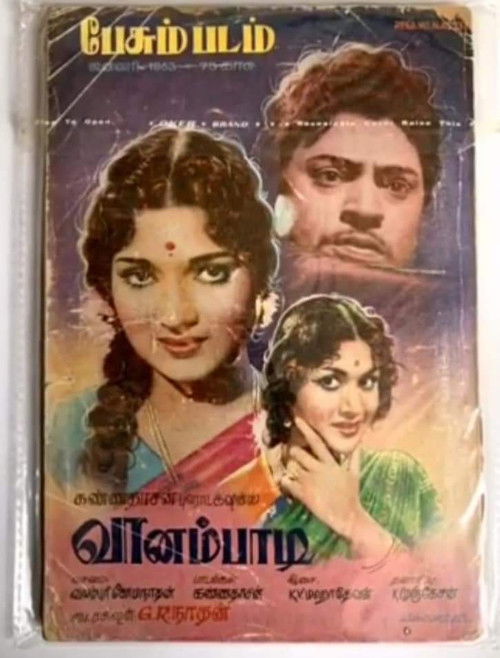
Thanigachalam manages to save Meena from committing suicide. Meena reminds him of his late daughter Uma. Later, Meena tries her best to console Saker who is mourning Uma's death.
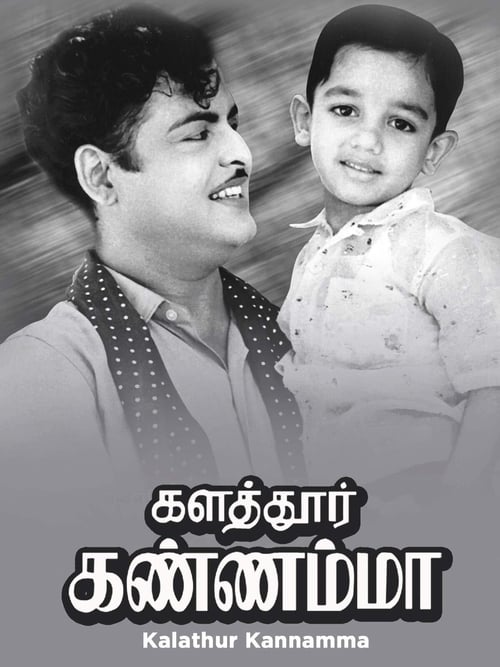
Kalathur Kannamma (English: Kannamma of Kalathur) is an Indian Tamil romantic drama film produced by A. V. Meiyappan and directed by A. Bhimsingh. The film stars Gemini Ganesan and Savitri in the lead, while Kamal Hassan made his debut in this film as a child artist. The film's critically acclaimed soundtrack was composed by R. Sudharsanam. The film tells the story of a young couple who are separated by unfortunate circumstances, while their innocent son is forced to grow up in an orphanage.
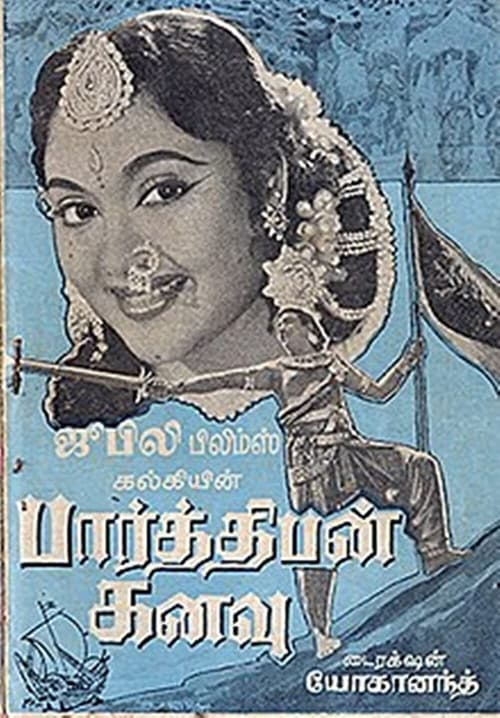
7th century AD. Parthiban, the Chola King, dies in battle leaving incomplete his desire to be free from the yoke of the Pallavas. His son Vikraman (Gemini Ganesh) is determined to fulfill his father's dream. He is arrested by the Pallava king, Narasimhavarman and exiled to an island where he is chosen the king

After the East India Company forces Kattabomman, the king of Panchalankurichi, to pay taxes and be their subordinate, the latter decides to fight against them.
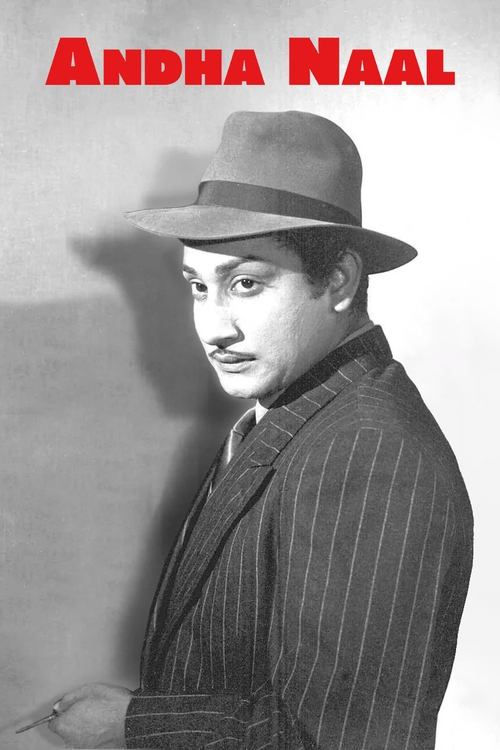
Rajan, a radio engineer, is found murdered in Madras during the tense World War II era, amid fears of a Japanese air raid on the city. CID officer Sivanandham investigates the case as each suspect—Rajan's wife, lover, relatives, and neighbors—narrates a different version of events, revealing hidden motives and secrets that lead to the truth.

Manohara produced by M. Somasundaram. The Sivaji Ganesan-L. V. Prasad production was distinct, becoming a cult classic. Karunanidhi virtually rewrote Mudaliar’s play, introducing interesting changes like the climactic sequence for which he drew inspiration from “Samson and Delilah”, especially the part where the blind Samson pushes the pillars down. Mu. Karunanidhi’s writing was superb with a contemporary touch. His dialogue had punch, satire, wit and humour. Sivaji Ganesan was excellent in his dialogue delivery and P. Kannamba who played the queen mother was equally brilliant. Her line, ‘Poruthathu podhum, pongi ezhu, maganey’, became quite famous.
Subscribe for exclusive insights on movies, TV shows, and games! Get top picks, fascinating facts, in-depth analysis, and more delivered straight to your inbox.