
Action
Adventure
Animation
Comedy
Crime
Documentary
Drama
Family
Fantasy
History
Horror
Music
Mystery
Romance
Science Fiction
Thriller
War
Western
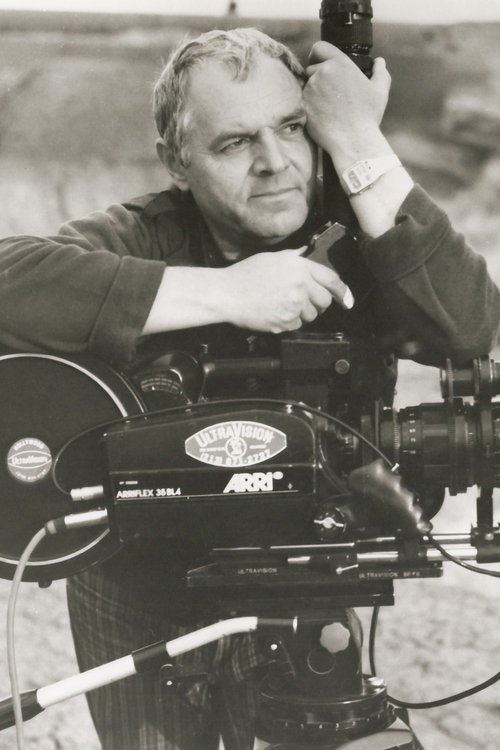
Yuri Illienko (18 July 1936 – 15 June 2010) was a Ukrainian film director and screenwriter. He directed twelve films between 1965 and 2002. His 1970 film The White Bird Marked with Black was entered into the 7th Moscow International Film Festival where it won the Golden Prize. Illienko was one of Ukraine's most influential filmmakers. His films represented Ukraine and what was happening to it. Hi...
Explore all movies appearances
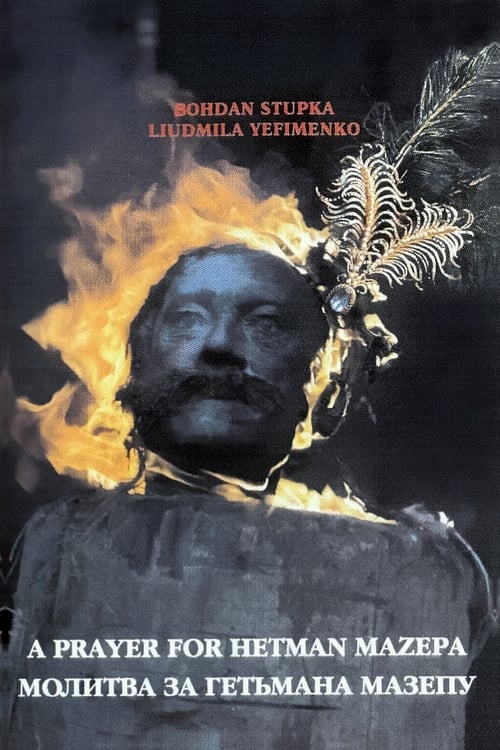
During an interesting era in the history of Eastern Europe when Russia, under Peter the Great, and Sweden, under King Charles XII, struggled for power, Ukraine was the pawn in the middle. In 1709, Ivan Mazepa, Hetman of Ukraine, which was part of the Russian Empire, signed a pact with the Swedish king promising to support Sweden in its war against Russia provided that Ukraine was given its independence.
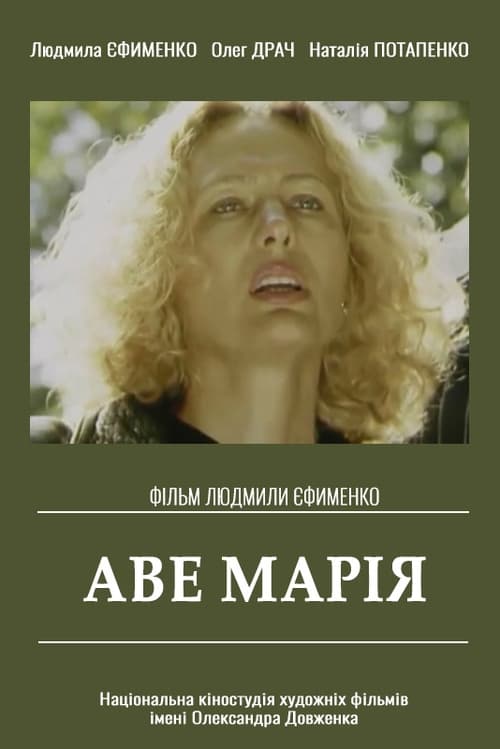
Once in the underpass at the Philharmonic, a singer Lyudmila hears a heavenly voice of a beggar-girl singing "Ave Maria" ...
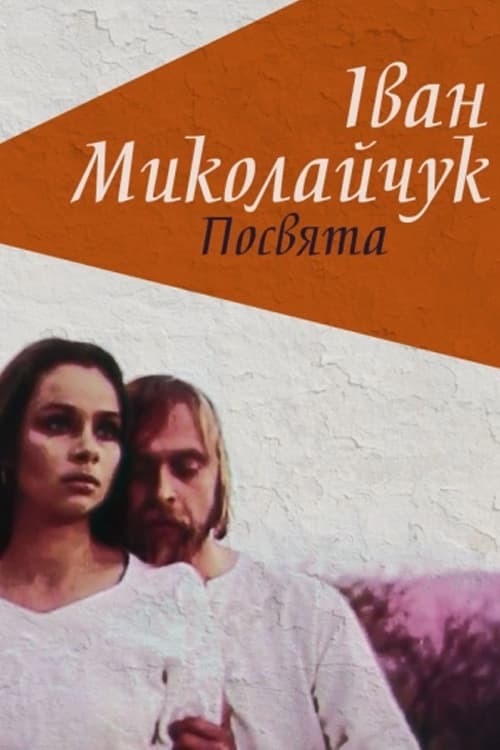
The story of life and death of actor Ivan Mykolaychuk - the legend of Ukrainian poetic cinema. The film is stylized as Vertep Christmas mystery: the heroes are explaining themselves with the roles they play.
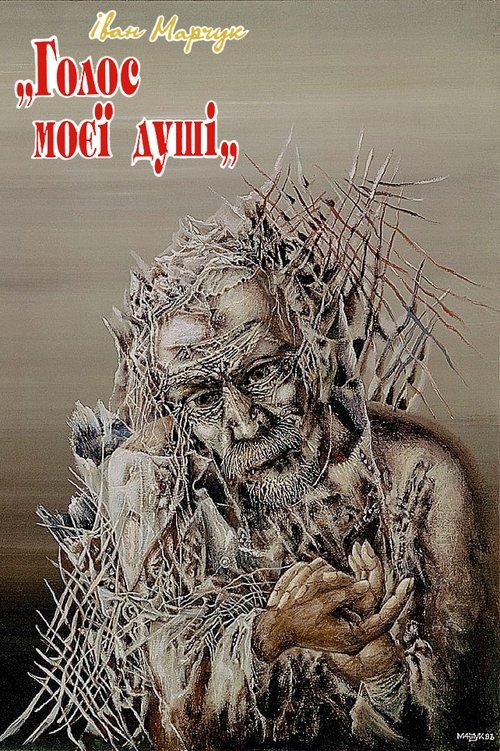
The figure of the world-famous Ukrainian artist Ivan Fedorovych Marchuk, whose paintings present Ukrainian art on all continents of the world, became the basis of this documentary.
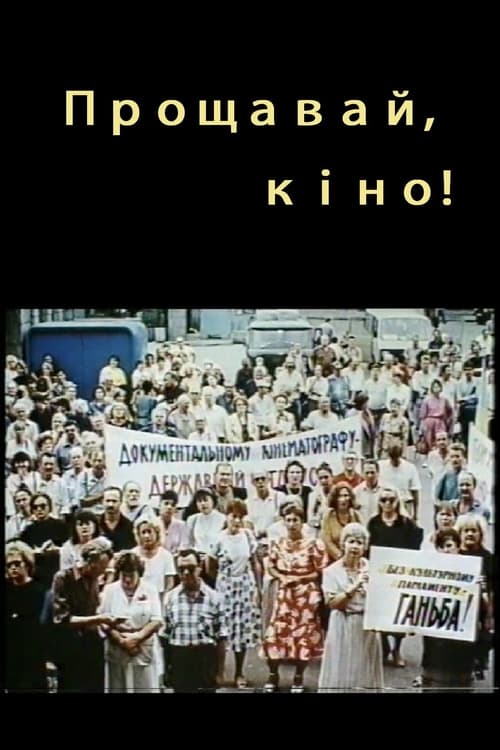
Documentary about post-Soviet society’s abandonment of cinema in favour of the free market.

In 1989, Yurii Illienko came to Tbilisi to show Sergei Parajanov his film “Swan Lake. The Zone“, based on Parajanov's prison stories. The next day after the screening, Illienko shows the film to Soviet central party newspaper Pravda, which publishes the news of the resignation of Vladimir Shcherbytsky, who had ordered Parajanov's initial imprisonment. Illienko hands Parajanov the newspaper and turns on a household video camera. What follows is a friendly conversation between the two geniuses.
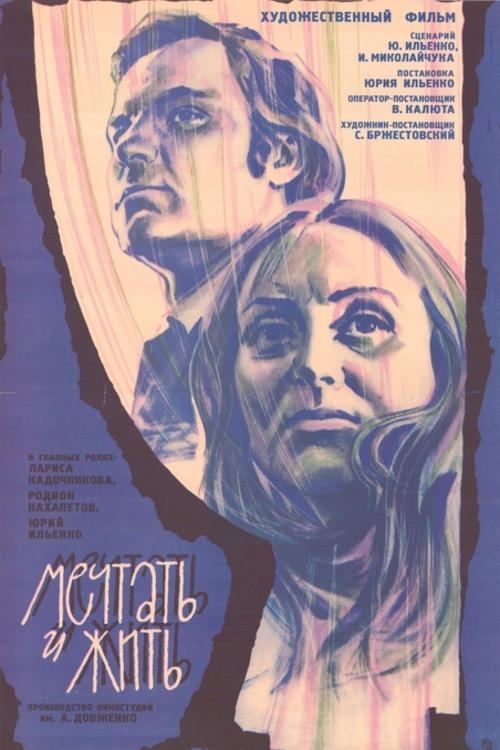
The script about loneliness, conformity and the impossibility of creative realization scared the editorial censorship at the studio, and then at Derzhkino. A lot of claims were made against him. The demands for amendments and endless additions and rewrites by the authors lasted for about a year. The original version of the title "Na pokhony!" ("To bow down!") was replaced by "To Dream and to Live". According to Pylyp Ilyenko, the director's eldest son, this name appeared "as a result of censor pressure." Censorship stopped the tape 40 times: at the stage of the literary script, director's, during film tests (the actors were not approved), filming, etc. The film catastrophically fell apart into fragments, into masterfully filmed, but unrelated scenes. The director called the finished version a "dead film".
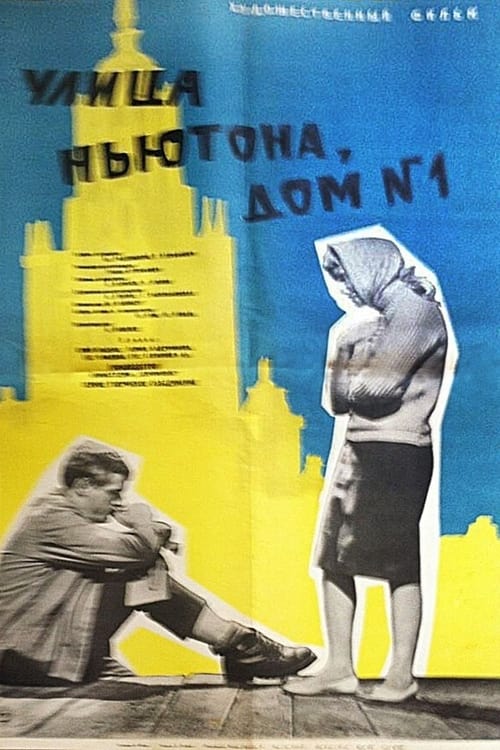
Timofey Suvernev comes to Moscow from a distant island to study. Tim successfully passes the exams at the institute, and immediately plunges into a turbulent student life. Through hard work and study, he achieves brilliant success, his student work, which he wrote together with his classmate Galtsov, receives a gold medal at the competition.
Subscribe for exclusive insights on movies, TV shows, and games! Get top picks, fascinating facts, in-depth analysis, and more delivered straight to your inbox.