
Action
Adventure
Animation
Comedy
Crime
Documentary
Drama
Family
Fantasy
History
Horror
Music
Mystery
Romance
Science Fiction
Thriller
War
Western

Oscar Alberto Cruz was a first Argentine film, theater and television actor and theater director. He was the winner of the Martín Fierro award. In the working-class La Plata suburb of Berisso in 1941, he began performing in local theatres at the age of 15. Graduating from a La Plata secondary school, he continued to pursue his calling in La Plata's growing independent theatre scene.
Explore all movies appearances
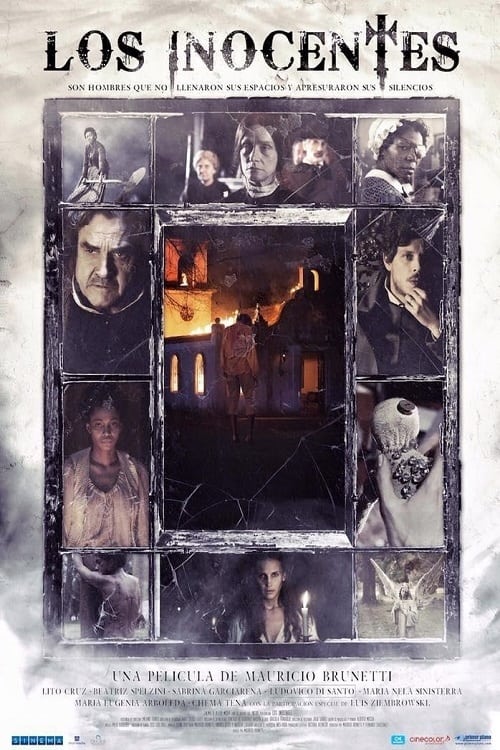
19th century Argentina. After having had to leave the country fifteen years ago, prodigal son Rodrigo finally returns to the family farm in Mercedaria to introduce his wife Bianca to his parents. He’s not really looking forward to this family reunion. His youth was spent working with the slaves on the farm who were treated without mercy by his parents. His father regularly abused the female slaves, while his mother even burned one alive to save the family honor. It’s time for some ghostly revenge and this happens to coincide with Rodrigo’s return.
No plot available for this movie.

A romantic reimagining of William Shakespeare’s A Midsummer Night’s Dream set against the turbulent backdrops of the 1962 Argentinian military coup and the 1982 war for the Falkland Islands.
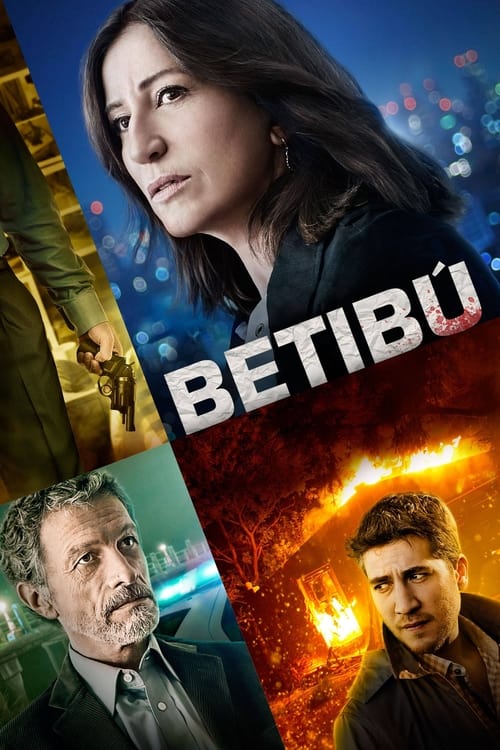
Once Pedro Chazarreta found murdered in the wonderful gated, El Tribuno newspaper hires retired detective novelist Nurit Iscar/Betibù that is installed in the area and a series of newspaper columns about the case. Along with the Chief of police of the newspaper, Mariano Saravia, and a veteran journalist, Jaime Breña, Betibù starts to investigate the murder. Using an old photo of the adolescence of Chazarreta, which shows him with fellow high school, the Group discovers an apparent connection between this murder and a succession of apparently trivial deaths of members of the photo. At the same time, Betibù must face its past emotional with the editor of the newspaper, Lorenzo Rinaldi, who seeks to restore the relationship.
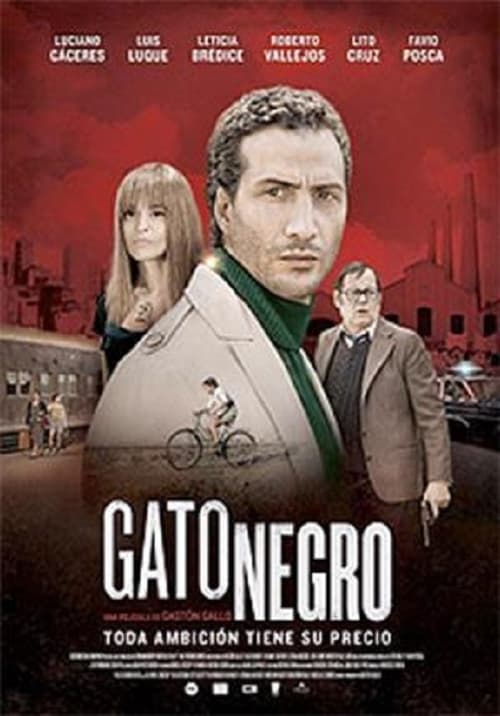
The film tells the life of Tito Pereyra since his childhood in a town of Tucuman (with an absent father) until the 1980 s in Buenos Aires, when democracy was restored. During that period he makes decisions that will change his life forever.It shows a human being with both bright and dark aspects, whose contrasts seem to determine his destiny.
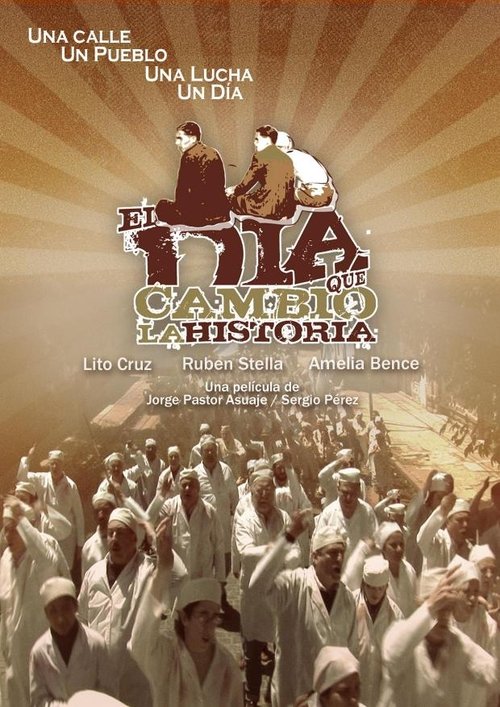
The film narrates the struggles of the Argentine working class from the beginning of the 20th century until October 17, 1945, in the perspective of the meat workers of Berisso, leading protagonists of that day.
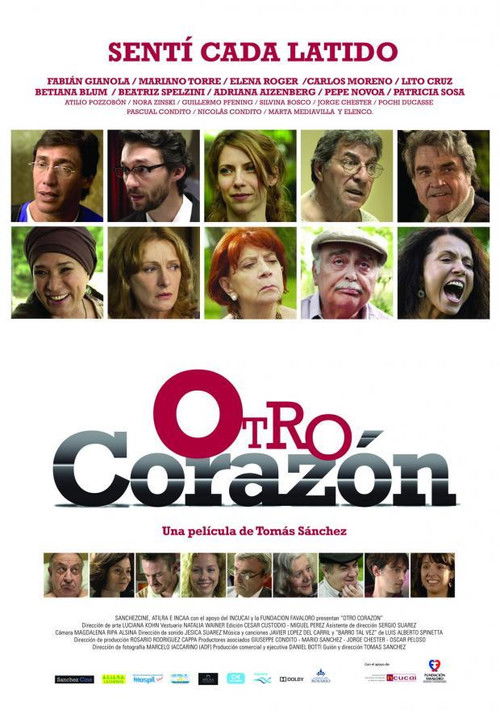
Leo and María are expecting their first child and are about to move. María wants to give birth in her hometown, but Leo, upon learning that his father urgently needs a heart transplant, postpones the trip, takes him to live with him, and takes over the family business. His obsession with saving his father distances him from his own fatherhood and plunges him into a period of waiting that encompasses life, death, mourning for what was never, and the hope of what is still possible.
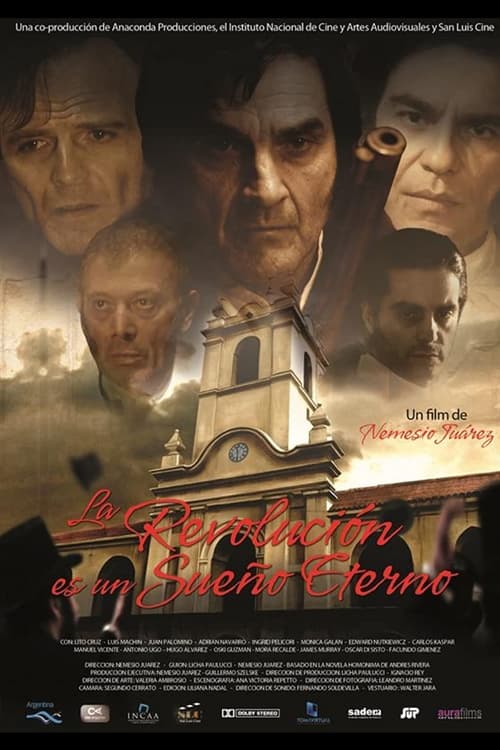
Juan José Castelli's fall into disgrace after a hard campaign in the argentine war of independence
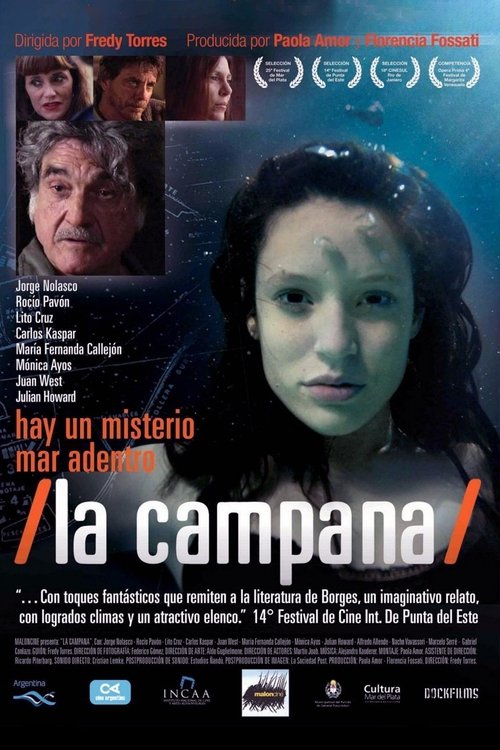
This is a story of unfulfilled love set in the port of Mar del Plata during the Falklands War. Despite the harsh climate, a fisherman sets out to sea to escape his emotions and gets lost, arriving at an area called La Campana, a mythical place where time stands still. While for him only an afternoon passes, on earth more than twenty years pass. Upon returning to the port, he discovers that the country is no longer the same and the people have changed.
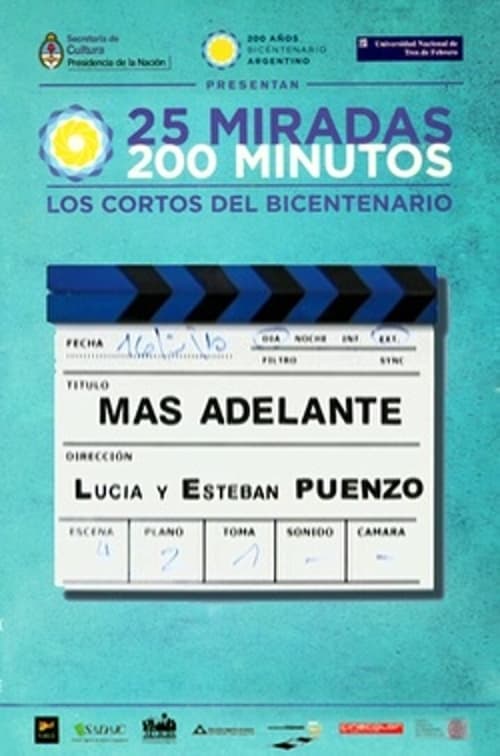
No plot available for this movie.
Subscribe for exclusive insights on movies, TV shows, and games! Get top picks, fascinating facts, in-depth analysis, and more delivered straight to your inbox.