
Action
Adventure
Animation
Comedy
Crime
Documentary
Drama
Family
Fantasy
History
Horror
Music
Mystery
Romance
Science Fiction
Thriller
War
Western
Found 36 movies, 20 TV shows, and 0 people
Can't find what you're looking for?
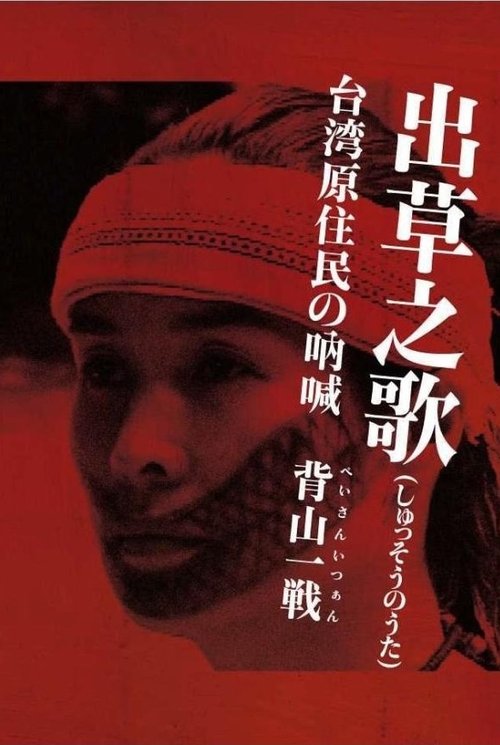
Kao Chin Su-mei, a former actress and now a legislator in the Taiwan Legislative Yuan (the legislative assembly), is from the Tayal tribe, one of the aboriginal peoples of Taiwan. Together with both the Taiwan Aborigine Workgroup, consisting of all the tribes including the Han people, and the aboriginal music group Feijuyuenbao Synectics, she finds the courage to fight for the return of their ancestors’ souls from Japan. Their appeal is unambiguous: “We cannot bear it that our ancestors’ souls are still in Japan. This is because we are not Japanese.”
Fifteen years old Boris hates his life and is ready for everything to just leave his small Siberian town.
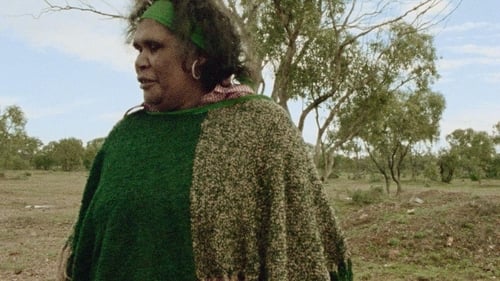
Essie Coffey gives the children lessons on Aboriginal culture. She speaks of the importance of teaching these kids about their traditions. Aboriginal kids are forgetting about their Aboriginal heritage because they are being taught white culture instead.
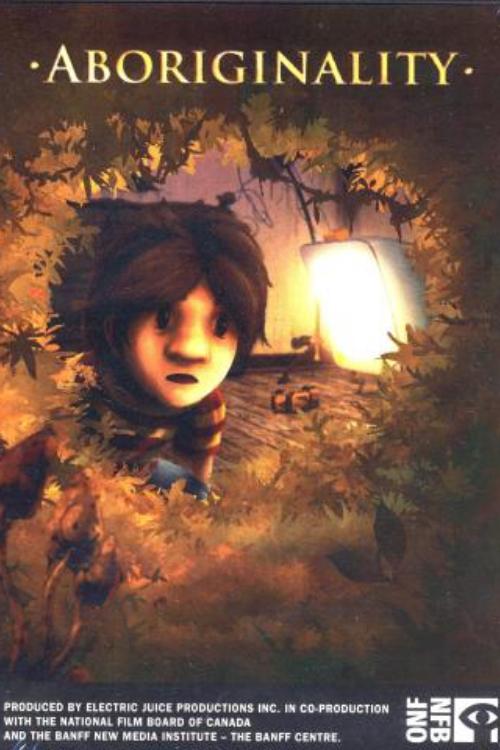
Follow Dallas Arcand, an urban youth, as he heads down the mystical Red Road to re-connect with new and traditional elements of First Nations culture. Dallas is a world champion hoop dancer and hip-hop artist aiming to connect urban Indigenous young people to their rural ancestral histories. He's a 7th generation Cree from Alexander (Kipohtakaw) First Nation.

Everyone is familiar with certain types of Aboriginal architecture. Traditional igloos and tepees are two of the most enduring symbols of North America itself. But how much do we really know about the types of structures Native Peoples designed, engineered and built? For more than three hundred years, Native communities in North America have had virtually no indigenous architecture. Communities have made do with low-cost government housing and community projects designed by strangers in far away places.

In 1925, Fred Maynard established the Australian Aboriginal Progressive Association (A.A.P.A.), the first large scale Aboriginal rights movement. The film is a biography of Fred Maynard, a significant and important historical figure, and an overview of the rise and undermining of the A.A.P.A. It also looks at Maynard’s intellectual influences and the connections the A.A.P.A. had to other significant black rights movements to show the deep philosophies that underlined this early and significant Aboriginal protest movement.

Follows the story of Chris Collard, from his early life dealing with juvenile detention, to his experience with kickboxing and eventual rise to world champion.
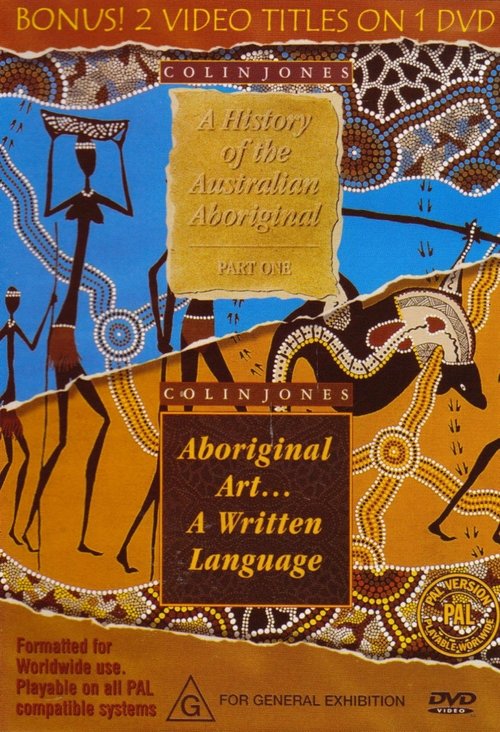
Colin Jones is of Aboriginal, Polynesian and English decent. The Aboriginal side of his family are from the Kalkadoon and Nunuckle tribal groups. His grandfather taught him about Aboriginal traditions and the art of his people. Colin is now a noted Artist. At present Colin is studying for his Masters Degree in Humanities. Much of the history that he talks about in this video comes from his own studies and research, conducted over many years. Colin's reason for making this video is to explain from an Aboriginal point of view based on his historical data, what has happened to his people over the past two hundred years since the white man arrive in Australia.
A modern-day aborigine, alone on a deserted planet, surrounded by cold nature, builds a new world from the remnants of an extinct civilization. This surreal audiovisual work reflects on the question of human existence when the world is on the verge of destruction, evoking the mourning of an activist artist over an ecological catastrophe.
This documentary shows the well-known Aboriginal poet Oodgeroo Noonuccal (Kath Walker) living on Stradbroke Island, Queensland, the place that was once the home of her native tribe. She welcomes visitors, particularly Aboriginal children, hoping to imbue them with pride in their own culture.
Set in and around Darwin the film discloses the life of a full-blood Aborigine as depicted in Douglas Lockwood's book of the same name. Philip Roberts recalls his early years of tribal life and gradual acceptance by the white community. He receives medical training, and travels frequently to his own people making use of his knowledge.
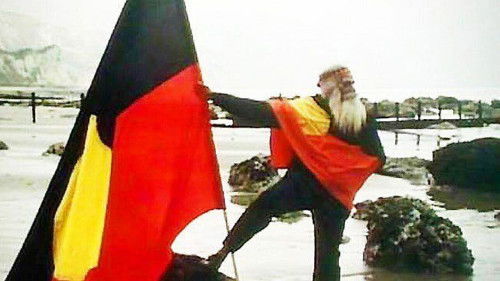
The film explores the archive to tell the story of how Burnam Burnam, in 1988, reclaimed the White Cliffs of Dover for the Wurundjeri people. Along with a promise not to repeat the violence suffered by him and his ancestors.
Filmed on the plains of north-western New South Wales, this documentary looks at one man's fight against the scourge of Indigenous imprisonment in his community. Inside Out tells the story of a pastor and former prison guard, Uncle Isaac Gordon, whose dream is to see the numbers of Aboriginal youths heading to jail slashed. Gordon wants to build a 'healing centre' for troubled Aboriginal young people at risk of jail time, built on his family's ancestral land near the towns of Brewarrina and Walgett. But will government bodies get on board?
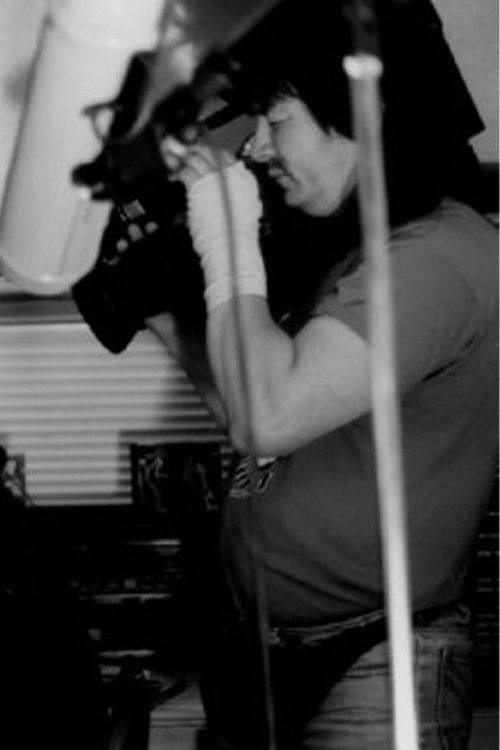
Created by Anishnabe Videographer Joe Beardy and trainee Darlene Naponse, Aboriginal Radio Waves Part II is the second part of a two part series about community radio. In Aboriginal Radio Waves II, Joe Beardy and Darlene Naponse detail the steps involved in obtaining a station, from procedure of applying for grants, the start up of the station, to radio programming are covered within the video, and respond to community concerns related to funding and autonomy.
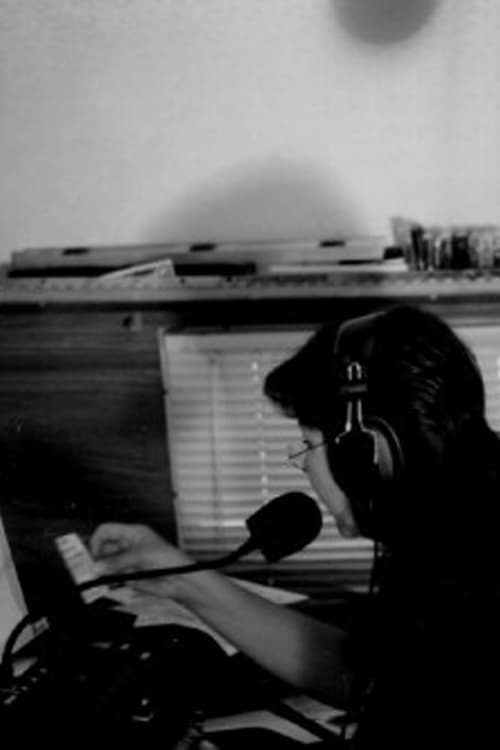
Created by Anishnabe Videographer Joe Beardy and trainee Darlene Naponse, Aboriginal Radio Waves Part I is the first part of a two part series about community radio. Through interviews and visuals, the video shares with you the voices of station managers, volunteers, DJs, and community members.
Two-Spirited director Michelle Sylliboy asks another Two-Spirited woman to express her views on the land Issue.
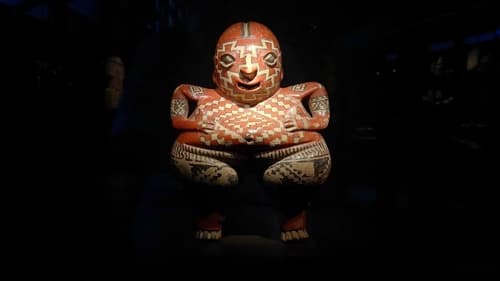
Many twentieth century European artists, such as Paul Gauguin or Pablo Picasso, were influenced by art brought to Europe from African and Asian colonies. How to frame these Modernist works today when the idea of the primitive in art is problematic?
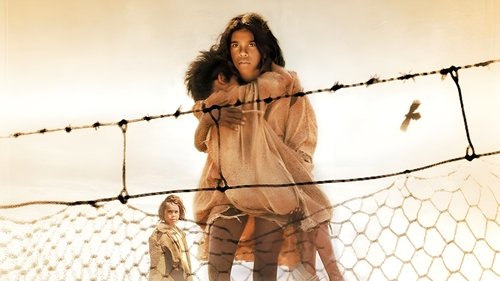
In 1931, three Aboriginal girls escape after being plucked from their homes to be trained as domestic staff, and set off on a trek across the Outback.
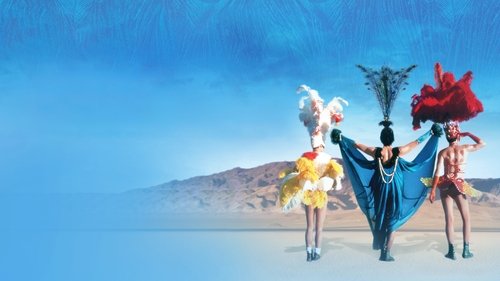
Two drag performers and a transgender woman travel across the desert to perform their unique style of cabaret.
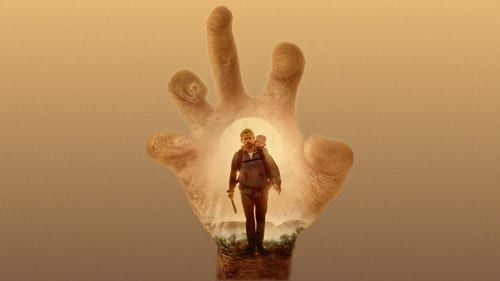
After being infected in the wake of a violent pandemic and with only 48 hours to live, a father struggles to find a new home for his baby daughter.
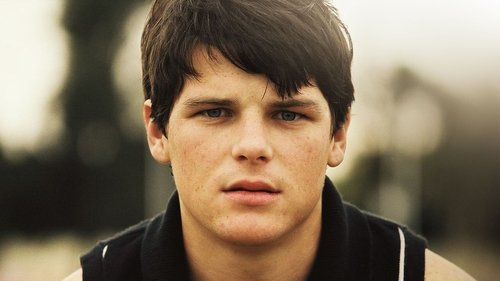
16-year-old Gary Black is an average football player, budding wordsmith and reluctant hero. Gry helps his local Australian Rules football team win the local championship by accident, but celebrations turn to violence when Gary's Aboriginal best friend, Dumby Red is denied the "Best and Fairest" medal because of the racism of local officials.
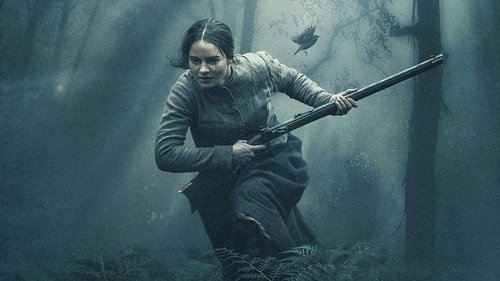
In 1825, Clare, a 21-year-old Irish convict, chases a British soldier through the rugged Tasmanian wilderness, bent on revenge for a terrible act of violence he committed against her family. She enlists the services of an Aboriginal tracker who is also marked by trauma from his own violence-filled past.

A father's takes his estranged son on a fishing trip as a way of bonding, but when the car breaks down he realises it's not the only thing that needs fixing.
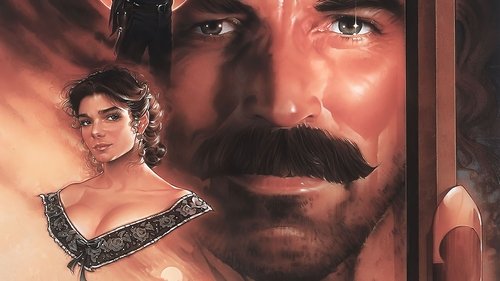
American Matt Quigley answers Australian land baron Elliott Marston's ad for a sharpshooter to kill the dingoes on his property. But when Quigley finds out that Marston's real target is the aborigines, Quigley hits the road. Now, even American expatriate Crazy Cora can't keep Quigley safe in his cat-and-mouse game with the homicidal Marston.
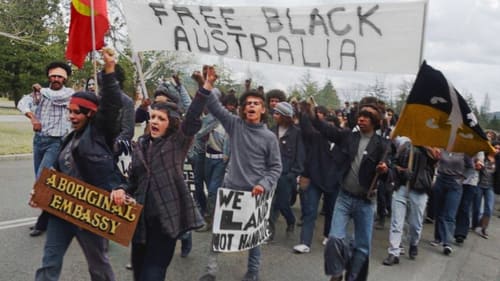
50 years on, the Aboriginal Tent Embassy is the oldest continuing protest occupation site in the world. Taking a fresh lens this is a bold dive into a year of protest and revolutionary change for First Nations people.
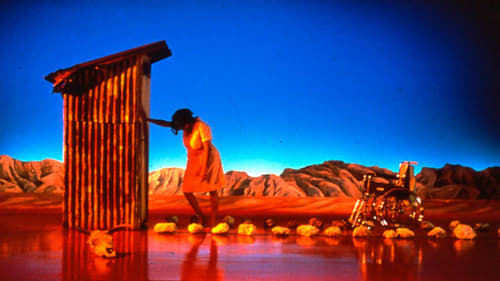
A short film about the relationship between an Aboriginal daughter and her white mother. The daughter, now the sole carer of her dying mother, dreams of far away places, the haunted look in her eyes loaded with a sense of what could have been. Famous Aboriginal singer, Jimmy Little, sings 'Royal Telephone', evoking the presence of Christianity and its role in the assimilation of Aboriginal people. The final scene sees the daughter lying in a foetal position next to her mother, crying. Assimilation, then, can be understood as a pain experienced by both the Aboriginal daughter as well as the white mother.
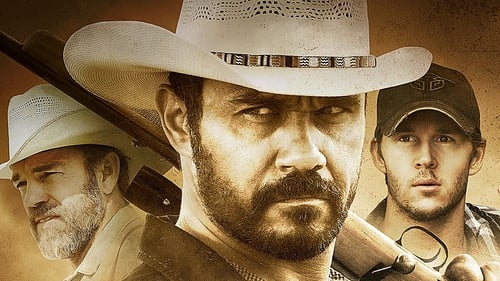
A murdered girl is found under a bridge on a remote road and indigenous detective Jay Swan gets the case. Jay finds that no-one is that interested in solving the murder of an indigenous teenager and he is forced to work alone.
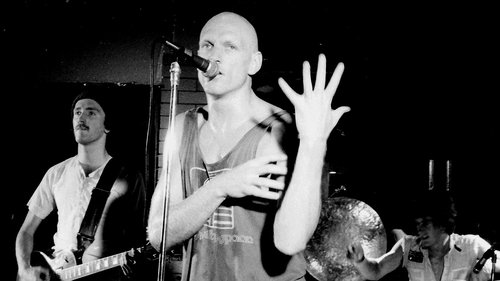
In 1984, Midnight Oil released their iconic record Red Sails in the Sunset. They embarked on a relentless tour around the nation performing raw and electrifying music that reignited the imagination of young Australians. That same year, their lead singer Peter Garrett committed to run for a Senate seat for the Nuclear Disarmament Party. With the mounting pressure of balancing the demands of music and politics this is the year that would make, but nearly break, Australia's most important rock and roll band. Thirty years in the making and featuring never seen before seen footage of the band on and off the stage, Midnight Oil: 1984 is the untold story of the year Australia’s most iconic rock band inspired the nation to believe in the power of music to change the world.

Follow the animated journey of an Indigenous photographer as she travels through time. The oral and written history of her family reveals the story — we witness the impact and legacy of the railways, the slaughter of the buffalo and colonial land policies.
A bitingly wicked take on first contact between British settlers and Aboriginal people – and zombies.
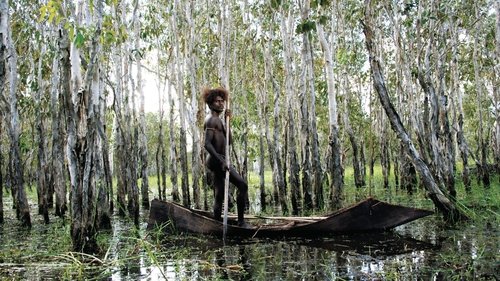
A story within a story within a story. In Australia's Northern Territory, an Aboriginal narrator tells a story about his ancestors on a goose hunt. A youngster on the hunt is being tempted to adultery with his elder brother's wife, so an elder tells him a story from the mythical past about how evil can slip in and cause havoc unless prevented by virtue according to customary tribal law.
This short documentary presents the empowering story of Rodney "Geeyo" Poucette's struggle against prejudice in the Indigenous community as a two-spirited person.
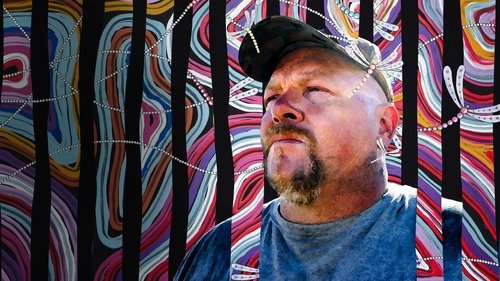
Narrated by Uncle Jack Charles and seen through the eyes of Indigenous prisoners at Victoria’s Fulham Correctional Centre, this documentary explores how art and culture can empower Australia's First Nations people to transcend their unjust cycles of imprisonment.
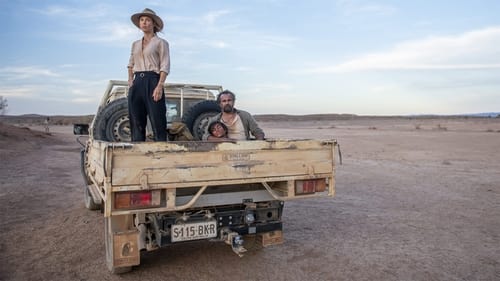
Svenja and her 16-year-old daughter Kira have traveled the world a lot. Svenja is a hotel manager and is currently bringing an aging hotel in Australia back into shape. But her biggest challenge is her daughter, who has switched to complete refusal and doesn't let Svenja tell her anything anymore. Kira doesn't avoid confrontations at school either, which in turn leads to conflicts with Svenja. After another argument, Kira decides to go to Jack. Jack is Aboriginal and Kira's only friend. Together, the two young people go in search of their “special place”, their own particular locality. Svenja is beside herself with worry when she notices Kira's disappearance and gives chase with Jack's father Kalti, a deeply relaxed hotel boat guide whom Svenja had released two days earlier. An adventurous journey begins in the barren deserted Outback - for Svenja and Kira a strange world, fascinating, but also life-threatening!
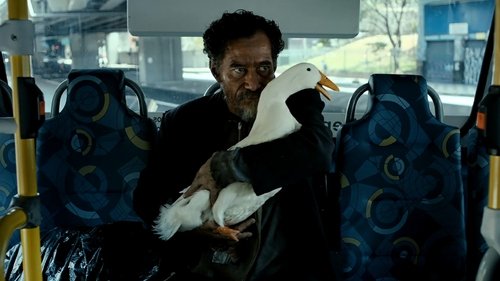
The first of four installments in the groundbreaking Heartbeat of the World anthology film series. Comprised of several short films by some of the world's most exciting directors, Words with Gods follows the theme of religion - specifically as it relates to an individual's relationship with his/her god or gods...or the lack thereof. In Words with Gods, each director recounts a narrative centered around human fragility, as well as environmental and cultural crises involving specific religions with which each has a personal relationship; including early Aboriginal Spirituality, Umbanda, Buddhism, the Abrahamic faiths, Hinduism, and Atheism. An animated sequence by Mexican animator Maribel Martinez is woven through each of the film segments, with each segment narratively connected as a feature-length film.
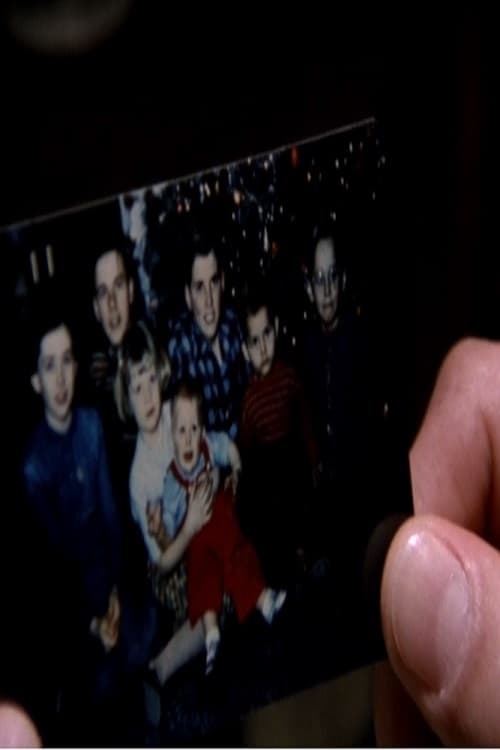
Gil Cardinal searches for his natural family and an understanding of the circumstances that led to his becoming a foster child. An important figure in the history of Canadian Indigenous filmmaking, Gil Cardinal was born to a Métis mother but raised by a non-Indigenous foster family, and with this auto-biographical documentary he charts his efforts to find his biological mother and to understand why he was removed from her. Considered a milestone in documentary cinema, it addressed the country’s internal colonialism in a profoundly personal manner, winning a Special Jury Prize at Banff and multiple international awards.