
Action
Adventure
Animation
Comedy
Crime
Documentary
Drama
Family
Fantasy
History
Horror
Music
Mystery
Romance
Science Fiction
Thriller
War
Western
Found 42 movies, 24 TV shows, and 3 people
Can't find what you're looking for?

"Agriculture" is a 1955 short documentary film co-directed by Paul Zils and Fali Bilimoria. The film focuses on agricultural practices in India during the mid-20th century, highlighting traditional farming methods and the challenges faced by farmers. It also explores the impact of modernization and government initiatives aimed at improving agricultural productivity. The documentary provides insights into the socio-economic conditions of rural India and the efforts to enhance food production post-independence.
Inside the agricultural system and the challenge to increase access of healthy, affordable fruits and vegetables to all Americans.

Fathi Kamel is called a Madiha husband to rescue her from the intrusion of some bus passengers during the bus stop on the agricultural road, while the father - the father of Madiha - to inform the police about the disappearance of his daughter, because she was going to
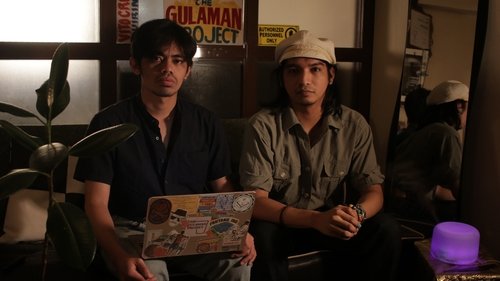
Two filmmakers take on a journey to explore the intricacies of the long-suffering Philippine agriculture, seeking for possible solutions as they figure out the factors causing the crisis.
No description available for this movie.

No description available for this movie.
No description available for this movie.
In this new FoodUnfolded documentary, science journalist Silvia Lazzaris takes us on a journey around the world to find out. From Ernst Gotsch’s lush syntropic farm in Bahia, Brazil—where once-barren land has been transformed into a thriving ecosystem—to Juntos Farm in Ibiza, where regenerative farming is strengthening communities, viewers will see the movement in action. But we don’t stop there––Silvia dives deeper, speaking with leading soil health and agroecology experts to examine if and how regenerative agriculture can truly deliver on its promises. Farming, Redefined is a groundbreaking documentary that invites you to imagine a future for agriculture grounded in restoration, education, and a healthier planet for generations to come.
Satisfying one’s hunger is a primal act that most Westerners never connect to global issues. But the diets and farming systems of wealthy countries can be directly linked to starvation in the underdeveloped world. This program sheds light on the international tragedy of hunger and malnutrition, emphasizing that the problem is one of distribution, not production. Filmed in Asia, South America, and sub-Saharan Africa, the film shows how geopolitics, economic isolation, regional conflicts, and lack of infrastructure render poor countries unable to feed their own people. Biotechnology, land use priorities, government corruption, the fast-food industry, and the vicious cycle of child hunger are all featured topics.
No description available for this movie.
Farmer John Peterson returns to talk about Angelic Organics farm and its connection to the arts and Rudolf Steiner’s philosophy.

Early Balkan footage.
This short ethnographic film is the first part of the series Through the Agricultural World intended to promote village life and the work of the peasants to the townspeople. Plicka chooses stylistically significant and aesthetically impressive shots of sowing grain, Easter celebrations, and children playing in the meadow.
In 1908-1909, Albert Samama Chikli sold his negatives mostly if not exclusively to the short-lived Le Lion company. Shot in 1910 and released in January 1911, Industrie agricole arabe was possibly the first negative he sold to Gaumont, marking the beginning of a long collaboration. Hidden in a longer compilation edited in the 1920s by Gaumont for educational purposes, negative material of the film has recently been rediscovered and identified with the help of frame enlargements and contact prints of film frames in the Albert Samama Chikli Archives. La Figue de Barbarie, the opening part of the four parts of Industrie agricole arabe, is a perfect example of Samama’s filmmaking: informal, lively, direct, human and devoid of orientalism or pictorialism. –Mariann Lewinsky
Seara carefully documents the agricultural work of the Guineans – a heading indicates the names of the peoples. Harvesting of peanuts, coconuts, rice, cotton, followed by weaving and sewing, cutting of sugar cane and extraction; handicraft jewelry work and Muslim prayer. No white colonial settlers are shown in the frame…
This film shot in the south of Angola, is one of the few existing archival films of the time. It’s likely that the author filmed these images on command of Norton de Matos who was twice governor of Angola (1912-15 and 1921-24) and that we see in the image. A republican and mason, he was one of the promoters of colonial expansion in Africa, which began in the early 20th century, following the “pacification campaigns” – terrible wars – in Angola and Mozambique. He worked for the development of Angola and the settlement of Portuguese colonial settlers. The first part shows the opening of the trade and agricultural fair in the coastal city of Benguela. The atmosphere is very provincial Portuguese. Some Angolans walk through the frames; some are well-dressed – suits, hats – others are employees. Then a report on a Congress of Medicine and finally an aviation demonstration. It’s a promotional film about the development of southern Angola.
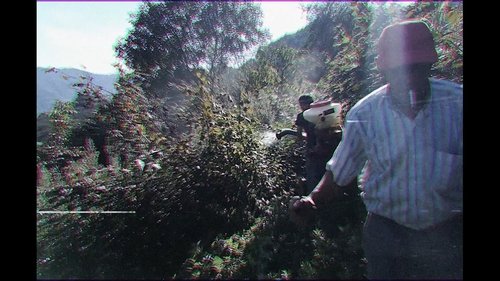
Nature has been poisoned in the Black Sea Region of Turkey under the name of agricultural spraying since 2015. The documentary was shot and broadcast spontaneously against this unconscious attitude.
Colonial films showing the work of Africans are rare. Here the exploitation system is precisely exposed. Deportees (from Angola) disembark from a boat. After the humiliating inspection of the bodies, it is the signature, on the finger, of the contract. Then are shown the works – cultivation, harvesting, bagging of cocoa -, as well as “education” and recreation. Contratados were forced into forced labour in violent and abusive conditions. This system, which replaced slavery, remained in force in the African colonies until 1961.
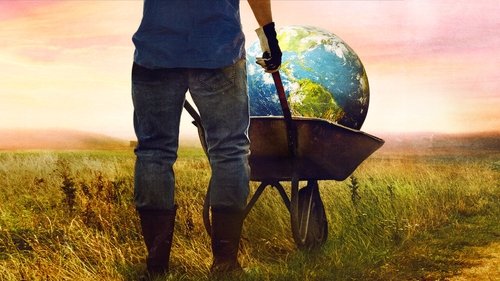
Sheds light on an alternative approach to farming called “regenerative agriculture” that could balance our climate, replenish our vast water supplies, and feed the world.

A documentary about Danish agriculture.
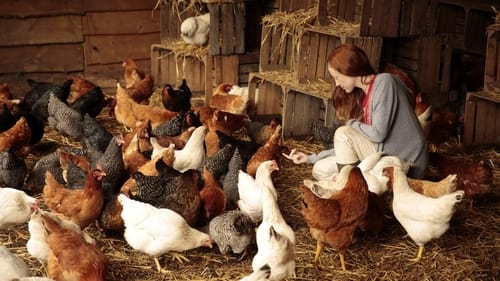
Thrown together under tragic circumstances, three generations of women from the same family are forced to learn to live together on a small rural chicken farm in New Jersey, which generates moving and amusing situations.
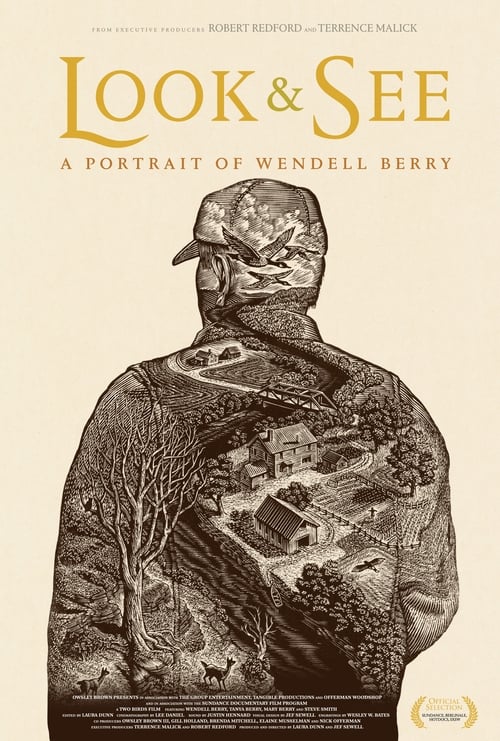
A cinematic portrait of farmer and writer Wendell Berry. Through his eyes, we see both the changing landscapes of rural America in the era of industrial agriculture and the redemptive beauty in taking the unworn path.
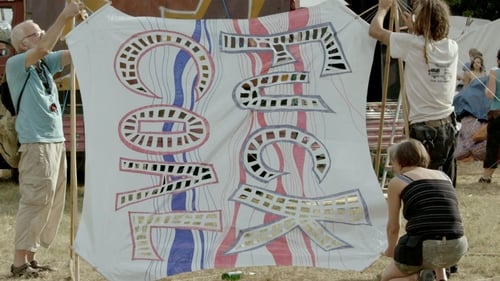
The plight of small-scale farmers in Africa and Asia forced off their land by an unprecedented corporate land grab. If they refuse they are subject to horrific violence, which has led to women miscarrying and deaths. Exploring the personal stories of those affected, this documentary gives a voice to threatened subsistence farmers throughout the developing world. If your livelihood was ripped away from you, how would you cope?
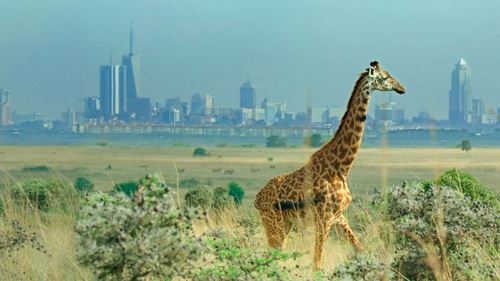
David Attenborough and scientist Johan Rockström examine Earth's biodiversity collapse and how this crisis can still be averted.
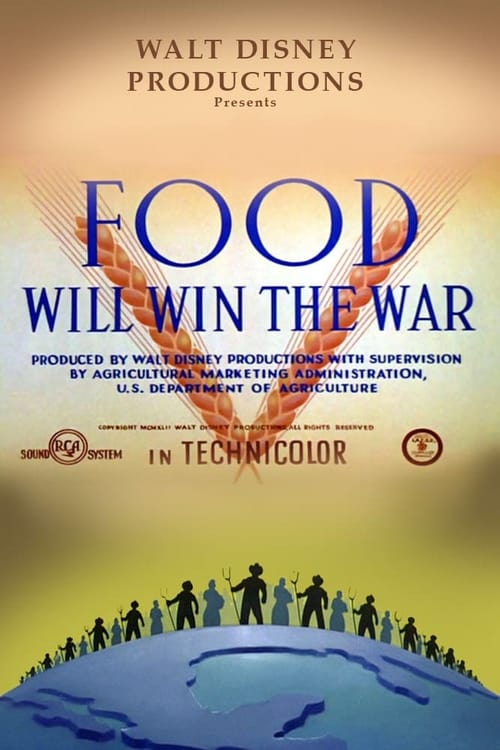
World War II propaganda film on the importance of American farming. A morale booster film stressing the abudance of American agricultural output.
No description available for this movie.
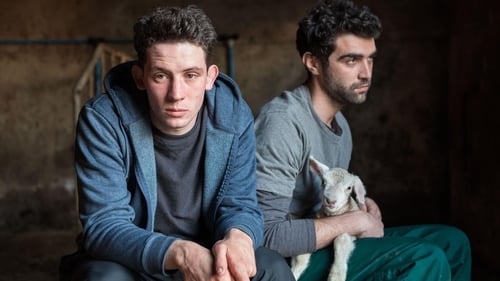
A young farmer in rural Yorkshire numbs his daily frustrations with binge drinking and casual sex, until the arrival of a Romanian migrant worker.
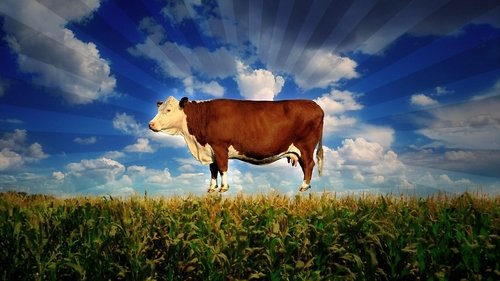
Documentary filmmaker Robert Kenner examines how mammoth corporations have taken over all aspects of the food chain in the United States, from the farms where our food is grown to the chain restaurants and supermarkets where it's sold. Narrated by author and activist Eric Schlosser, the film features interviews with average Americans about their dietary habits, commentary from food experts like Michael Pollan and unsettling footage shot inside large-scale animal processing plants.

A young woman leaves the city to return to her hometown in the countryside. Seeking to escape the hustle and bustle of the city, she becomes self-sufficient in a bid to reconnect with nature.

Set in the South just after the US Civil War, Laurel Sommersby is just managing to work the farm without her husband, believed killed in battle. By all accounts, Jack Sommersby was not a pleasant man, thus when he suddenly returns, Laurel has mixed emotions. It appears that Jack has changed a great deal, leading some people to believe that this is not actually Jack but an imposter. Laurel herself is unsure, but willing to take the man into her home, and perhaps later into her heart.
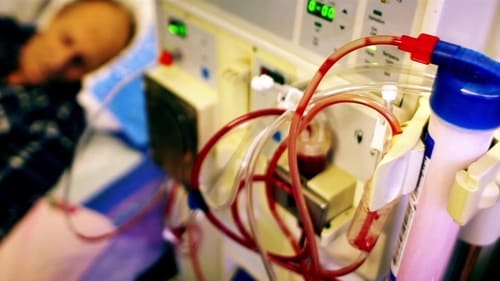
Filmmaker Kip Andersen uncovers the secret to preventing and even reversing chronic diseases, and he investigates why the nation's leading health organizations doesn't want people to know about it.
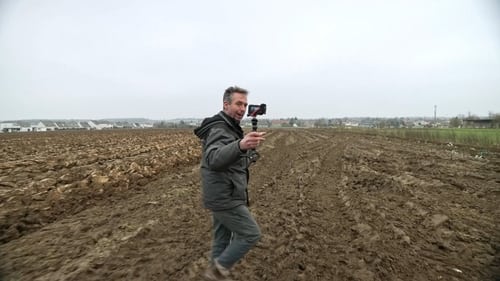
No description available for this movie.
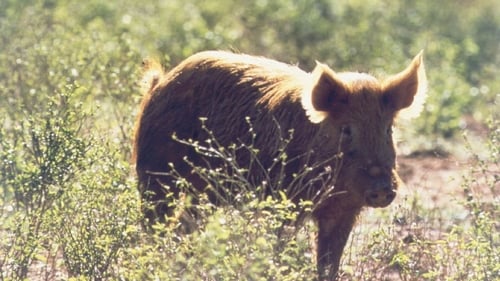
"Pig Hunt" - Lennart Siljeberg works at the Cattle Inspection Agency. He is the perfect bureaucrat, always careful and pedantic. The agency's latest mission is to extinguish all pigs on the island of Gotland. However, for some unexplainable reason, the local farmers use violence to destroy the agency's work.
Together, the three Bertrand brothers work their farm in a small Savoyard village. In 1972, they took the enormous risk to invest in the construction of an ultra modern stable for 82 milk cows. With modern organisation, they hoped to lead a better life. Almost 30 years later, the farm is successful. Their work is meticulous and the milk is graded top quality. The human cost is much more sombre. Indeed these thirty years can be summarised in one word : work. The brothers are bachelors and – each one now over sixty years old – a bitterness when they recall their past. The younger brother says it himself: "It's an economic success, but it's a human failure...".

Fleeing heartbreak in the big city, Ichiko returns to Komori, her rural hometown. She battles summer's rain and humidity, bakes her own bread, grows hothouse tomatoes and tills the fields. During autumn, the time for pickling and preserving fish and sweet potatoes, Ichiko begins reaping rice and recalls her departure five years before.
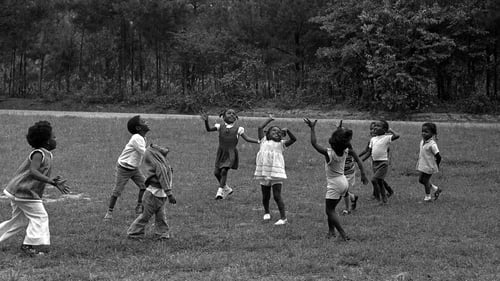
ARC OF JUSTICE traces the remarkable journey of New Communities, Inc. and the struggle for racial justice and economic empowerment among African Americans in southwest Georgia.

Ichiko bakes a cake for an end-of-year party with her friends. In the depths of winter, making mochi and curry keeps the people of Komori warm. Later, spring brings thoughts of her absent mother as well as rice planting and sakura, and she begins to think of leaving Komori behind again.
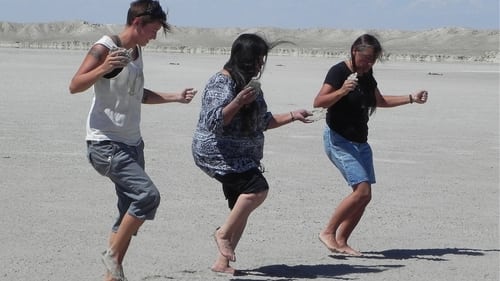
Concerned about the declining health of people all around them, Native American women are sparking physical and spiritual rejuvenation through reclaiming traditional foodways.
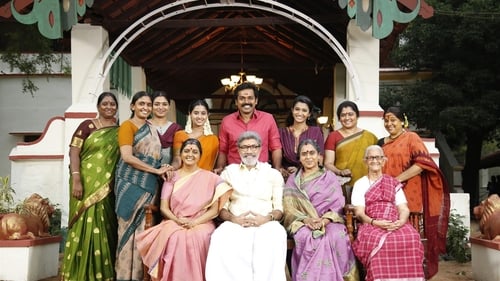
Gunasingam, a family-loving farmer who hails from a small town, tries his best to keep his big family united despite him being misunderstood by many.

This MGM John Nesbitt's Passing Parade series short tells the story of Mark Carleton, a worker for the USDA who travels across the world trying to find wheat that farmers can grow despite various disasters.
US Dept of Agriculture film that shows how cane sugar is harvested and processed for sale.

This 10-minute short documentary exploring the shifting state of the American poultry industry was preserved in 2015 from an original nitrate print. More information is available on the film's page in the National Film Preservation Foundation's website, where this version can be found featuring original music by Michael D. Mortilla.