
Action
Adventure
Animation
Comedy
Crime
Documentary
Drama
Family
Fantasy
History
Horror
Music
Mystery
Romance
Science Fiction
Thriller
War
Western
Found 42 movies, 19 TV shows, and 1 person
Can't find what you're looking for?

Djamila, a young Algerian woman living with her brother Hadi and her uncle Mustafa in the Casbah district of Algiers under the French occupation of Algeria, sees the full extent of injustice, tyranny and cruelty on his compatriots by French soldiers. Jamila's nationalist spirit will be strengthened when French forces invade her university to arrest her classmate Amina who commits suicide by ingesting poison. Shortly after the prominent Algerian guerrilla leader Youssef takes refuge with her, she realizes that her uncle Mustafa is part of this network of anti-colonial rebel fighters. Her uncle linked her to the National Liberation Front (FLN). A series of events illustrate Jamila's participation in resistance operations against the occupier before she was finally captured and tortured. Finally, despite the efforts of her French lawyer, Jamila is sentenced to death...
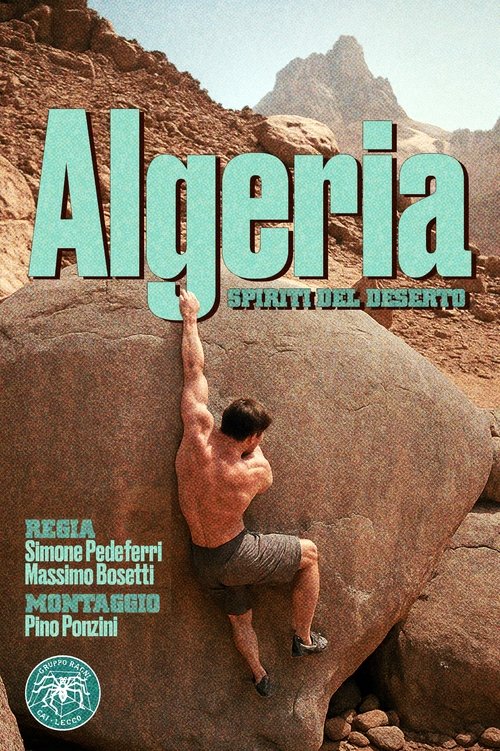
In March 2002, the Italian climbers of the Ragni di Lecco group embarked on an expedition across the Algerian Sahara. Mario Conti, Simone Pedeferri, Marco Vago and Massimo Bosetti, during a long journey, completed numerous ascents: Ihaghen, Adaouda, Tizouyag Sud, Dôme de l'Éléphant (Tesnou mountain range) and around thirty new boulders, including La Gazelle (7b) and Le Guépard (7c). But the main objective was the opening of a new climbing route on the face of Garet El Djenoun, in the Tefedest mountain range. The 400-meter route, named "Mariolino Fotonico", has 13 pitches (8 new, plus 3 spans with "Mosquitoes" and 2 with a "Voie des Espagnoles" from 1985), with a maximum difficulty of 8a/A1. This film has a special significance, as it is the first film of the rebirth of the Ragni group, after the 90s marked by tragedy, and at the same time the end of the tragic black decade in Algeria which raged between 1992 and 2002.
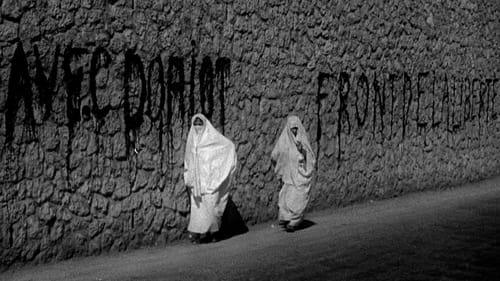
World War II, June 1940. France has fallen and suffers the relentless boot of Nazi Germany. But Algeria, the prized French colony in North Africa, remains part of the territory controlled by the Vichy regime of Marshal Pétain. A strict colonial order is maintained: the French of European origin rule, while local Jews are stripped of French citizenship and discrimination against the mainly Muslim population increases.
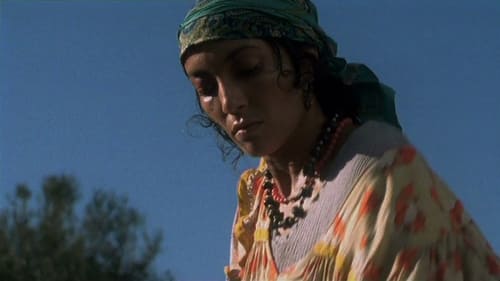
In the aftermath of the Algerian War, a young Algerian woman reaches a strange reconciliation with the Senegalese officer who raped and impregnated her.
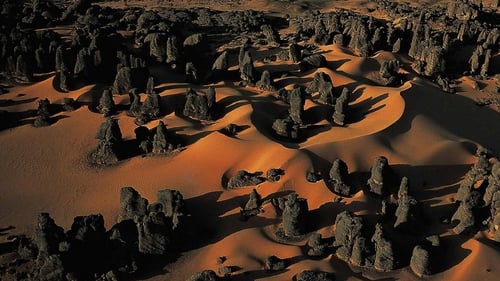
Algeria from above is the first documentary made entirely from the sky on Algeria. Through the eye of the famous Yann Arthus-Bertrand this documentary vividly depicts this great country, and its vibrant cultural and natural treasures. From North to South and from West to East, it shows us the entirety of Algeria, lives in the large hectic coastal cities, Atlas mountains, oases of the Sahara or gentle hills of the Sahel. With a rich past that seems to have crossed all civilizations, and a territory where all natural environments amalgamate, Algeria appears here in all its diversity and its unity.
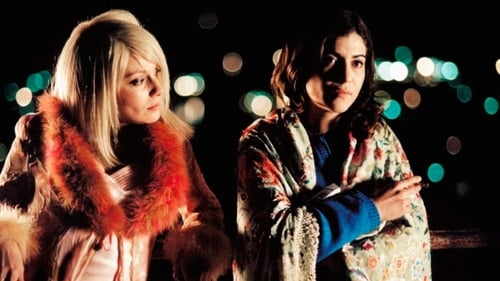
This movie portrays three women living in today's Algeria between modern society and Islamic fundamentalism, self-determination and dependence. Goucem, a young woman who works for a photographer and mistress of a rich doctor, her mother Papicha, a former cabaret star, and her best friend Fifi, a prostitute, all live in a hotel in the city center of Algiers. Their difficult personal situation and the growing influence of Islam lead to dramatic consequences...
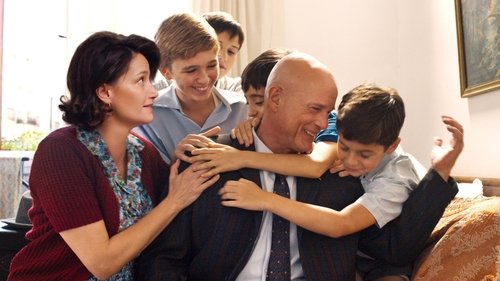
The childhood of the movie director Antoine Lisner, who left Algeria in 1962. In order to present his new movie, he comes back to Algiers with his son.

"Djazaïrouna", produced by the cinema service of the Provisional Government of the Algerian Republic (GPRA), is a montage film intended to inform the international community at the UN in 1959 on the objectives pursued by the Algerian resistance during the war of 'Algeria. Independence in Algeria (1954-1962). In 1959, Djamel-Eddine Chanderli and Mohammed Lakdar-Hamina produced Djazaïrouna (Our Algeria) from images taken by René Vautier and Doctor Pierre Chaulet. This film, completed a little later and will result in the film “The Voice of the People”. This documentary on the history of Algeria through a montage of current events, traces the political and military actions of the A.L.N, the demonstrations of December 1960, and the attack on a fortified French base on the border between Algeria and Tunisia.
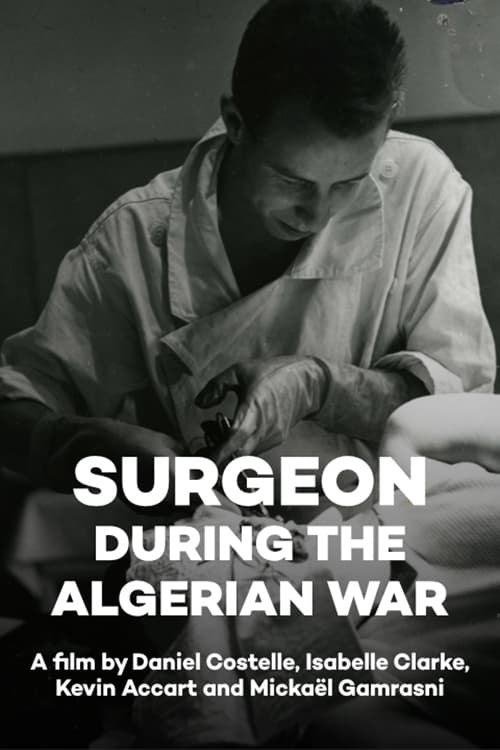
Has everything really been said about the Algerian war? Although the archives are opening up, almost fifty years after the signing of the Evian Agreements (March 18, 1962), direct witnesses are beginning to disappear. They are, however, unique bearers of history, often the only ones able to illustrate the harsh reality of a long-hidden period. Gérard Zwang, surgeon of the contingent between May 1956 and June 1958, is one of these essential witnesses who help us discover an original history of the Algerian War. During his service, in charge of treating the most atrocious wounds of his fellow soldiers, he sees the war from the side of its victims. He did not fight with a machine pistol in his hand, but behind the closed doors of an operating room where life gives way to death in a matter of seconds.

This film presents the point of view of an Arab from Algeria who rebels against colonization. He analyzes the process of awareness, the transition to revolt, to armed insurrection. Algeria and the settlers are seen through this lens and not the way a Frenchman saw the country. He gives voice to the Arabs at a time when this word was not heard: sometimes it was not even produced, at least publicly. The testimonies are based on real propositions, most of them were made to the author during his stay in Algeria from 1948 to 1956, then in 1958 and 1959. The comments are borrowed from the texts of Arab theorists of the revolution Algerian. This film thus completely evacuates the point of view of those who are not insurgents; he does not give the opinion of the colonists. It is the direct expression of what was the revolt of a colonized person: it thus constitutes the very type of the historical document.
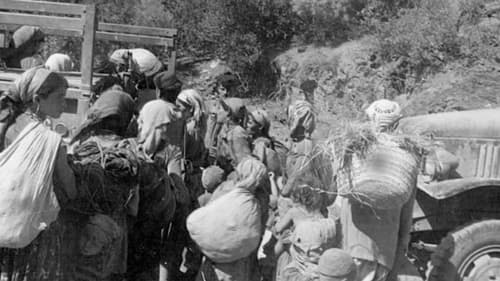
Directed by Pierre Clément and Djamel-Eddine Chanderli, produced by the FLN Information Service in 1958, this film is a rare document. Pierre Clément is considered one of the founders of Algerian cinema. In this film he shows images of Algerian refugee camps in Tunisia and their living conditions. A restored DVD version released in 2016, from the 35 mm original donated by Pierre Clément to the Contemporary International Documentation Library (BDIC).
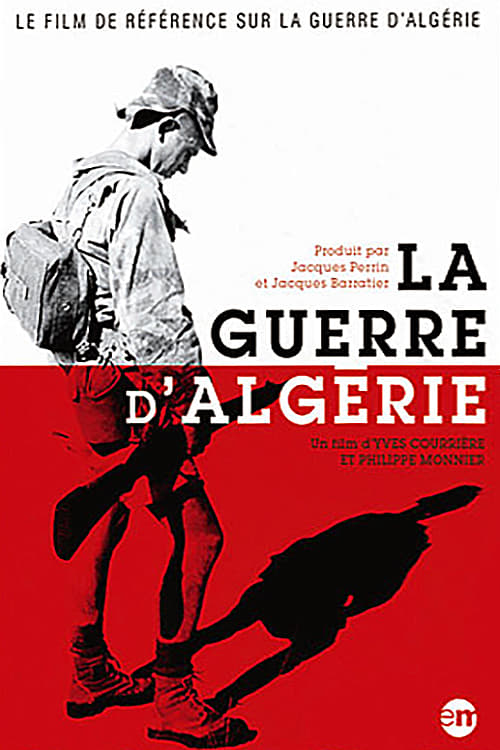
A French historical documentary that retraces the events leading up to Algeria's war of independence from 1954 to 1962, based on archive footage and testimonies from key players of the period.
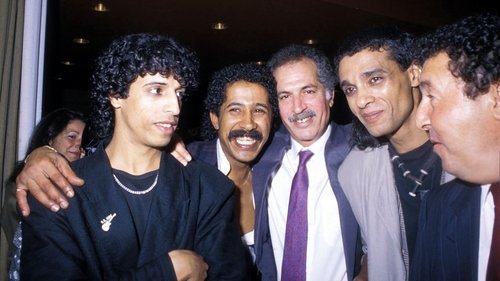
In the 1980s, Algeria experienced a tumultuous social context which reached its peak during the riots of October 88. This wave of protest, with youth as its figurehead, echoed the texts of raï singers. Thirst for freedom, misery of life and the aspirations of youth are among the main themes of their works which will inspire an entire generation. More than music, raï celebrates the Arabic language and becomes a vector of Algerian culture, thus providing the cultural weapons of emerging Algerian nationalism With Cheb Khaled, Cheb Mami and Chaba Fadela as leaders of the movement, raï is also a way of telling and reflecting the essence of Algeria in these difficult times. While the threat weighs on artists in Algeria, their exile allows raï to be exported internationally and thus, to bring the colors of Algeria to life throughout the world.
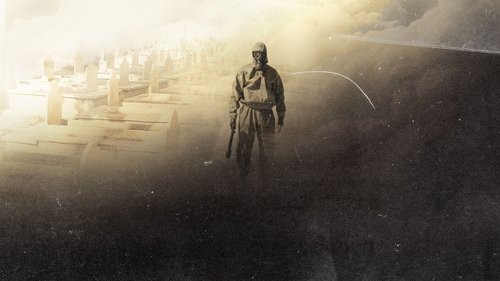
This documentary by director Claire Billet and historian Christophe Lafaye details the massive and systematic use of chemical weapons during the Algerian War. Algerian fighters and civilians, sheltering in caves, were gassed by "special weapons sections" of the French army. The gas identified on military documents is CN2D, whose widespread use forced insurgents to flee "treated" sites, at the risk of dying there. The method is reminiscent of the "enfumades" used by the French expeditionary force during the conquest of Algeria in the 19th century. Between 8,000 and 10,000 such operations are believed to have taken place on Algerian soil between 1956 and 1962. This historical aspect is little known due to the difficulty of accessing archives, many of which are still classified, raising questions about memory, historical truth, and justice.
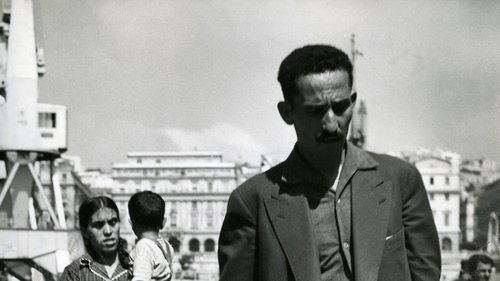
It's the unforgivable story of the two hundred thousands harkis, the Arabs who fought alongside the French in the bitter Algerian war, from 1954 to 1962. Why did they make that choice? Why were they slaughtered after Algeria's independence? Why were they abandonned by the French government? Some fifty to sixty thousands were saved and transferred in France, often at pitiful conditions. This is for the first time, the story of this tragedy, told in the brilliant style of the authors of "Apocalypse".
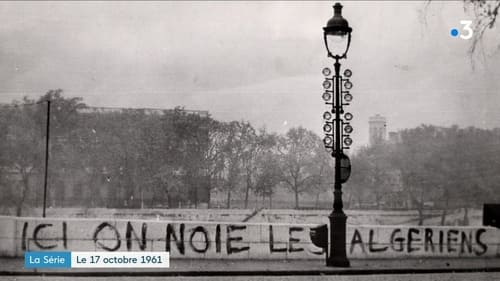
In response to the call of the Front de libération nationale (F.L.N., the National Liberation Front), thousands of Algerians from Paris and its surroundings march on October 17, 1961, to protest against the curfew imposed on them. This peaceful demonstration will be violently put down by the police. 50 years on, the filmmaker sheds light on this still taboo subject. Blending testimony and unseen archive footage, history and memory, past and present, the film relates the different stages in these events and reveals the strategy and methods applied at the highest level of the French state: manipulation of public opinion, the systematic challenge of every accusation, the censoring of information in order to prevent investigation.
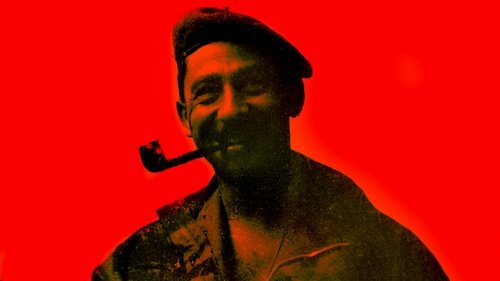
"Algeria, The Two Soldiers" tells the true story of two young French soldiers during the Algerian War, who were driven in two completely opposite directions by the same keen sense of honor: Noël Favrelière deserted to free a young Algerian Muslim prisoner who was going to be executed, and René Técourt, to continue the fight for French Algeria alongside the OAS ultras. Two emblematic examples, which describe in a direct, carnal way, what happened there.
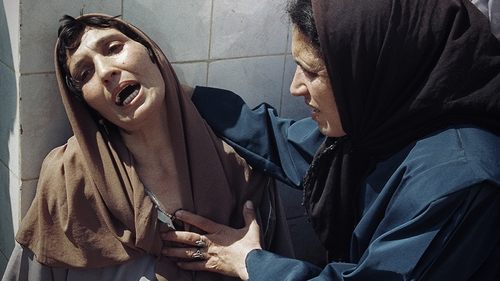
Documentary series in two parts: 1. A people without a voice (80'), 2. A land in mourning (78'). Part 1: A people without a voice: October 88, the Algerian Republic is faltering, the film goes back to the sources of this tragedy and explains how the face to face between the Islamists and those in power began. The interruption of the legislative elections of December 91, followed shortly after the assassination of President Boudiaf in June 92, plunged Algeria into chaos. Part 2: A land in mourning: the cycle of violence that leads to massacres and the economic and geopolitical underside of the war. More than 100,000 deaths, an incredible degree of barbarity, massacres, apparently incomprehensible... Behind the official window of power and its artificial political scene, hides a shadow power.

In 1994, at over seventy years old, Gilberte and William Sportisse, threatened by the FIS, arrived from Algeria. Of Jewish faith, he of Arabic mother tongue, they formed a fighting couple, started for the independence of Algeria, always with an unshakeable faith in humanity. They enjoy recounting the participation of Algerian Jews in the Second World War and the struggle for Algerian independence. They provide us with previously unpublished information on the public and clandestine struggles of the Algerian Communist Party before and after independence, and on the repression of activists who, like William and Gilberte Sportisse, were tortured and imprisoned after Colonel Boumédiène came to power. The film is an ode to understanding between people of different origins or cultures and a tribute to a couple whose youthful character and enthusiasm still astonish.

Many of them participated in the struggle for Algerian independence. There are "those who believed in heaven", priests, Christians committed against torture, friends of the "natives", there are "those who did not believe in it", communist activists, students, progressive intellectuals, others remained in this country because they could not imagine living anywhere other than in this land of all passions. They are European and chose to stay in Algeria after independence, most of them opted for Algerian nationality. The film is another vision of the history of Algeria from the end of the fifties to the present day, told by these Europeans filmed at home, or in the context of their activities, illustrated by unpublished archive documents.
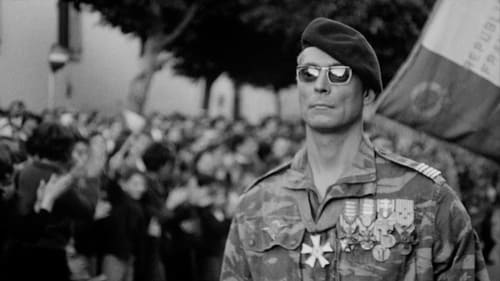
Paratrooper commander Colonel Mathieu, a former French Resistance fighter during World War II, is sent to Algeria to reinforce efforts to squelch the uprisings of the Algerian War. There he faces Ali la Pointe, a former petty criminal who, as the leader of the Algerian Front de Liberation Nationale, directs terror strategies against the colonial French government occupation. As each side resorts to ever-increasing brutality, no violent act is too unthinkable.
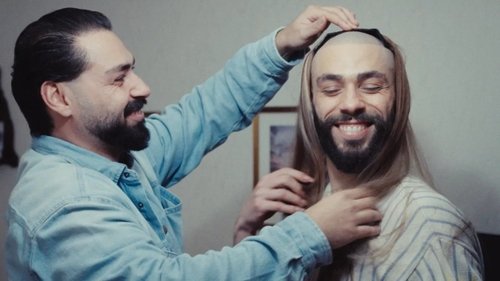
Piche, a bearded drag queen and rapper from a Gypsy community in Arles, rises from the rupture of her father cutting ties in adolescence to the 2024 Olympic opening ceremony. With her mother Nadia and twin brother Morgan by her side, she dares to defy norms and becomes a leading voice of the queer revolution.
The son of a French colonialist in Algeria returns to Algeria after learning that his father is ill. Memories from childhood return. He also must deal with some problems involving the Algerian fight for independence.
Charles de Gaulle, the first president (1958-1969) of the Vth Republic, France’s current system of government, left his mark on the country . He was statesman of action and has been compared to a monarch. This film depicts the general’s personality through the great events of his presidential term, at a time when the world was undergoing considerable changes.
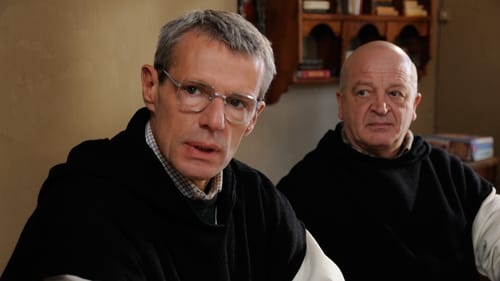
A group of Trappist monks reside in the monastery of Tibhirine in Algeria, where they live in harmony with the largely muslim population. When a bloody conflict between Algeria's army and Muslim Jihadi insurgents disrupts the peace, they are forced to consider fleeing the monastery and deserting the villagers they have ministered to. In the face of deadly violence the monks wrestle with their faith and their convictions, eventually deciding to stay and help their neighbours keep the army and the insurgents at bay.
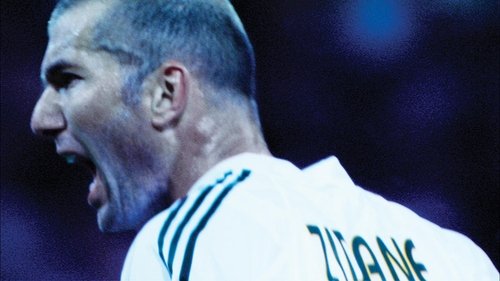
Halfway between a sports documentary and an conceptual art installation, "Zidane" consists in a full-length soccer game (Real Madrid vs. Villareal, April 23, 2005) entirely filmed from the perspective of soccer superstar Zinedine Zidane.
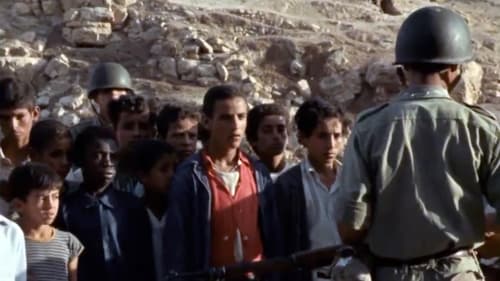
This rambling political melodrama tells the story of a French Breton who learns about colonialism while teaching native students in France's colonies of Tunisia and Algeria and returns to his native Brittany to see that the same conditions prevail there.
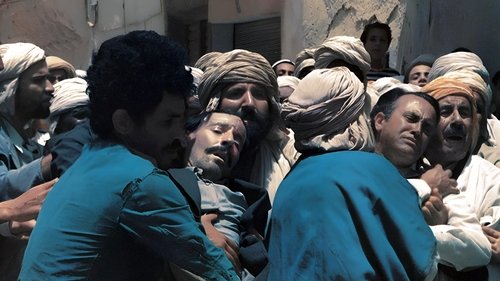
A meticulous chronicle of the evolution of the Algerian national movement from 1939 until the outbreak of the revolution on November 1, 1954, the film unequivocally demonstrates that the "Algerian War" is not an accident of history, but a slow process of suffering and warlike revolts, uninterrupted, from the start of colonization in 1830, until this "Red All Saints' Day" of November 1, 1954. At its center, Ahmed gradually awakens to political awareness against colonization, under the gaze of his son, a symbol of the new Algeria, and that of Miloud, half-mad haranguer, half-prophet, incarnation of Popular memory of the revolt, the liberation of Algeria and its people.

No description available for this movie.
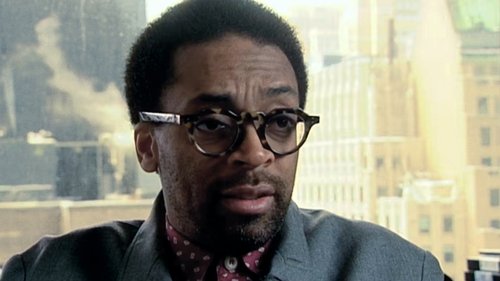
This 17-minute documentary is featured on the 3-Disc Criterion Collection DVD of The Battle of Algiers (1966), released in 2004. An in-depth look at the Battle of Algiers through the eyes of five established and accomplished filmmakers; Spike Lee, Steven Soderbergh, Oliver Stone, Julian Schnabel and Mira Nair. They discuss how the shots, cinematography, set design, sound and editing directly influenced their own work and how the film's sequences look incredibly realistic, despite the claim that everything in the film was staged .
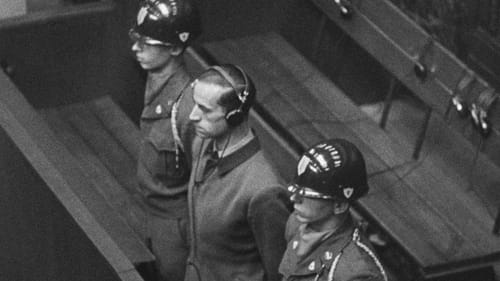
This exceptional, disturbing, and thought-provoking two-part documentary compares the atrocities committed by the Nazis as revealed during the Nuremberg trials to those committed by the French in Algeria and those done by the Americans in Vietnam. The four-hour epic questions the right of any country to pass self-righteous moral judgements upon the actions of another country.
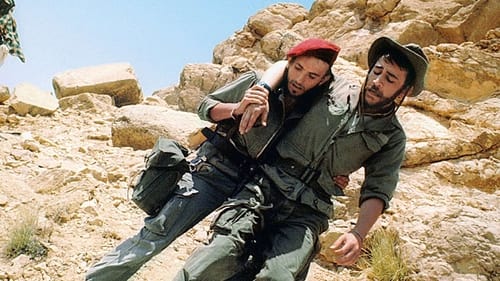
A group of refractory and pacifist Bretons is sent to Algeria. These beings confronted with the horrors of war gradually become killing machines. One of them did not accept it and deserted, taking with him an FLN prisoner who was to be executed the next day.

In the fall of 1987, Philippe Haas accompanied the sculptor Richard Long to the Algerian Sahara and filmed him tracing with his feet, or constructing with desert stones, simple geometric figures (straight lines, circles, spirals). In counterpoint to the images, Richard Long explains his approach. Since 1967, Richard Long (1945, Bristol), who belongs to the land art movement, has traveled the world on foot and installed, in places often inaccessible to the public, stones, sticks and driftwood found in situ. His ephemeral works are reproduced through photography. He thus made walking an art, and land art an aspiration of modern man for solitude in nature.
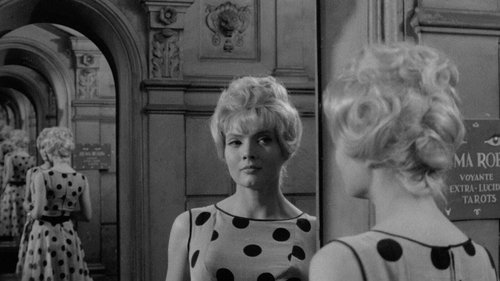
Agnès Varda eloquently captures Paris in the sixties with this real-time portrait of a singer set adrift in the city as she awaits test results of a biopsy. A chronicle of the minutes of one woman’s life, Cléo from 5 to 7 is a spirited mix of vivid vérité and melodrama, featuring a score by Michel Legrand and cameos by Jean-Luc Godard and Anna Karina.

It is the evocation of a life as brief as it is dense. An encounter with a dazzling thought, that of Frantz Fanon, a psychiatrist of West Indian origin, who will reflect on the alienation of black people. It is the evocation of a man of reflection who refuses to close his eyes, of the man of action who devoted himself body and soul to the liberation struggle of the Algerian people and who will become, through his political commitment, his fight, and his writings, one of the figures of the anti-colonialist struggle. Before being killed at the age of 36 by leukemia, on December 6, 1961. His body was buried by Chadli Bendjedid, who later became Algerian president, in Algeria, at the Chouhadas cemetery (cemetery of war martyrs ). With him, three of his works are buried: “Black Skin, White Masks”, “L’An V De La Révolution Algérien” and “The Wretched of the Earth”.
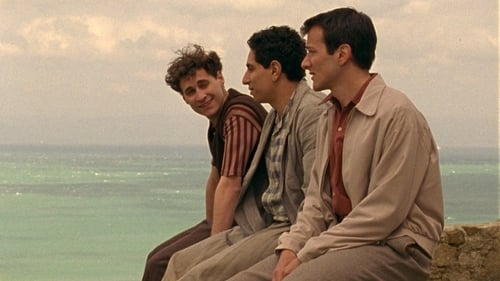
Algeria. Benjamin, Kateb and Antoine are three teenagers from three religious backgrounds who never should have met. But they share the same passion for football and the same disregard for the disapproving looks which their unusual friendship draws.
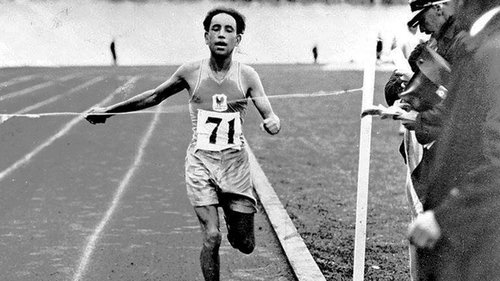
On August 5, 1928, after 2 hours and 32 minutes of racing, the 71st rooster wearing the bib entered the Olympic stadium in Amsterdam. Ahmed El Ouafi Bouguéra wins the gold medal and becomes the first Olympic champion from the African continent. He achieved his feat under the tricolor flag. The start of his real marathon is underway. The history of sport extends to the history of Algeria and France. This documentary retraces the different stages of the life of this great champion, not only the history of sport but also the great story. Archival photographs and interviews mingle with the painted paintings. The series thus once again gives voice to this forgotten hero, one of the great heroes of immigration who defended France for more than a century.
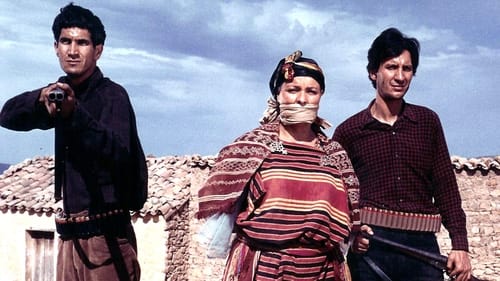
In prison in colonial Algeria, shortly after the end of the Second World War, three indigenous cellmates make out. Once free, they attack the authority represented by the triad of the boss, the gendarme and the administrator. “Living the colonial condition,” confided Tewfik Farès, “is something! It’s not sociologically or historically speaking. It’s life. And I think that’s all there in it. [...] For a hundred and thirty years, we wait. We hold back. We push back. We hope. At the same time, on different occasions, there are skirmishes, unrest.
No description available for this movie.
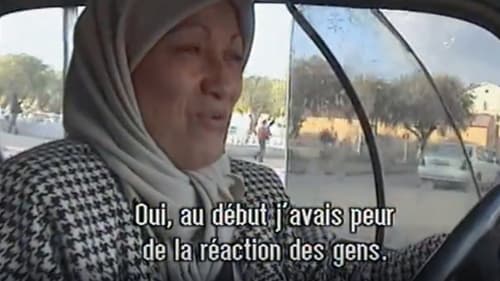
When her husband died Soumicha, mother of three, had to earn a living. She became the only woman taxi driver in Sidi Bel-Abbès, Algeria. This film accompanies Soumicha around a city where religious and political violence rages, and records her experiences in a job normally reserved for men.
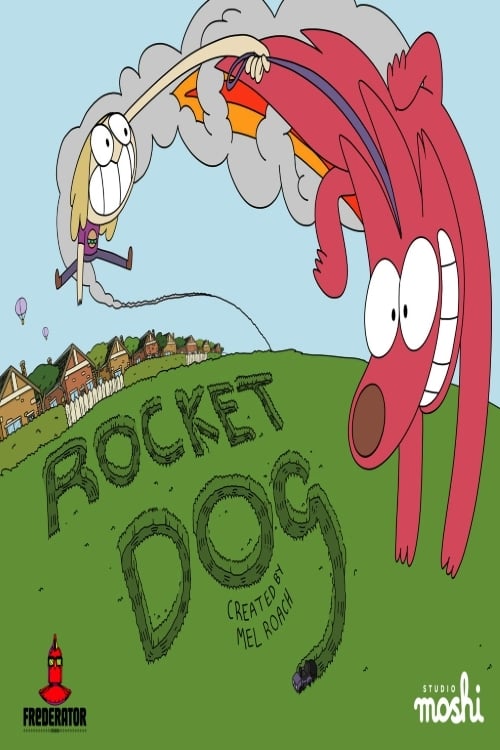
Follow Bob as he desperately tries to woo a girlfriend while his loyal, yet deranged pet, Rocket Dog, presents new challenges at every turn. Bob's bumbling hipster lifestyle may be a warning, or an invitation, as you see fit.

Douglas and Business Cat find a baby that ruins their business.