
Action
Adventure
Animation
Comedy
Crime
Documentary
Drama
Family
Fantasy
History
Horror
Music
Mystery
Romance
Science Fiction
Thriller
War
Western
Found 21 movies, 1 TV show, and 0 people
Can't find what you're looking for?
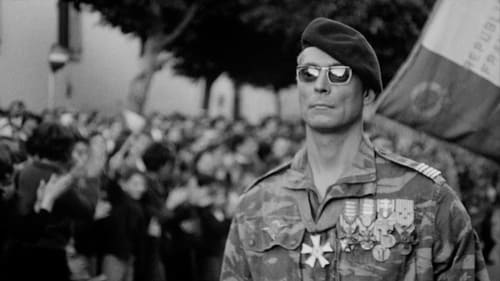
Paratrooper commander Colonel Mathieu, a former French Resistance fighter during World War II, is sent to Algeria to reinforce efforts to squelch the uprisings of the Algerian War. There he faces Ali la Pointe, a former petty criminal who, as the leader of the Algerian Front de Liberation Nationale, directs terror strategies against the colonial French government occupation. As each side resorts to ever-increasing brutality, no violent act is too unthinkable.
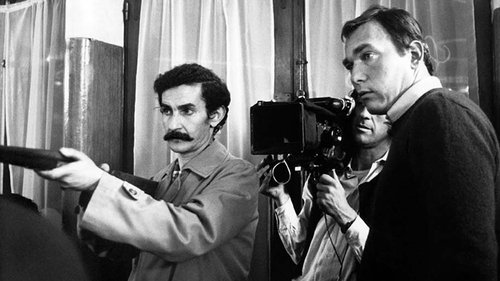
Who remembers Mohamed Zinet? In the eyes of French spectators who reserve his face and his frail silhouette, he is simply the “Arab actor” of French films of the 1970s, from Yves Boisset to Claude Lelouch. In Algeria, he's a completely different character... A child of the Casbah, he is the brilliant author of a film shot in the streets of Algiers in 1970, Tahya Ya Didou. Through this unique work, Zinet invents a new cinema, tells another story, shows the Algerians like never before. In the footsteps of his elder, in the alleys of the Casbah or on the port of Algiers, Mohammed Latrèche will retrace the story of Tahya Ya Didou and its director.
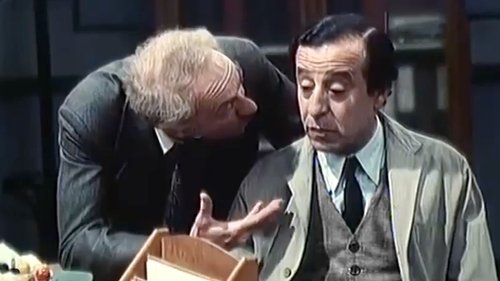
In 1957, the Battle of Algiers intensifies. Hassan, a peaceful resident of the Casbah, is mistakenly identified as a dangerous "terrorist leader," earning him the nickname "Hassan Terro." He is arrested, but the French occupation army secretly organizes his escape in the hope of tracking down the leaders of the resistance. In turn, the Algerian liberation army exploits Hassan's naivety to thwart the French military command and disperse its forces.
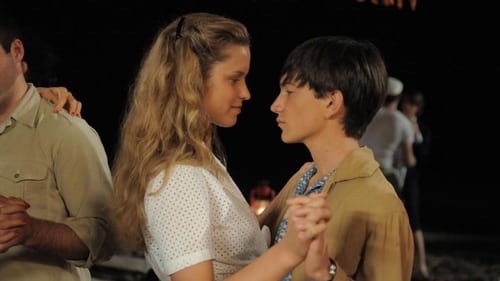
The writer Louis Gardel remembers his youth in Algeria. In 1955, Louis is 15 years old and lives with his grandmother Zoé. Zoé is friend with president Steiger, leader of the French settlers but also with the old Arab Bouarab. One night looking at the Bay of Algiers, Louis is convinced that the world in which he has grown will disappear. The first events of the War of Independence have begun. The young boys and young girls have a good time at the seaside: swimming, dancing, flirting. But, little by little, the war becomes part of their daily life.
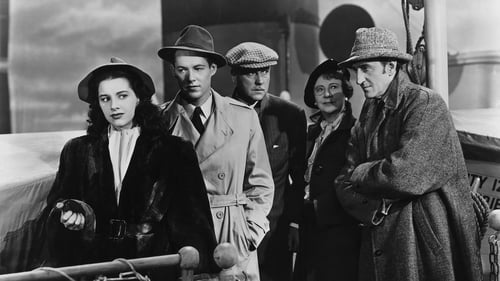
After the King of Rovenia has been assassinated, Holmes and Watson are engaged to escort his son to Europe via Algiers, aboard a transatlantic ocean liner which also carries a number of suspicious persons, any of whom may be involved in a plot to also assassinate him.
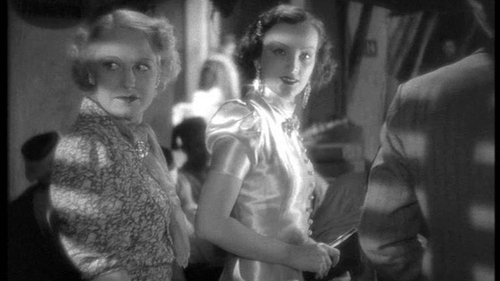
Pépé le Moko, one of France's most wanted criminals, hides out in the Casbah section of Algiers. He knows police will be waiting for him if he tries to leave the city. When Pépé meets Gaby, a gorgeous woman from Paris who is lost in the Casbah, he falls for her.

In this documentary, Marie-Claire Rubinstein reveals to us, through the testimonies of the inhabitants who live there, the architectural achievements of the French urban planner Fernand Pouillon in Algiers. In particular the vast complexes of hundreds of social housing units, including the most famous Diar E Saâd (1953), Diar El Mahçoul (1954) and Climat de France (1957). The historical context, during the war of independence is related by the historian Benjamin Stora and Nadir Boumaza. This documentary also evokes the personality of Fernand Pouillon in a post-colonial context.
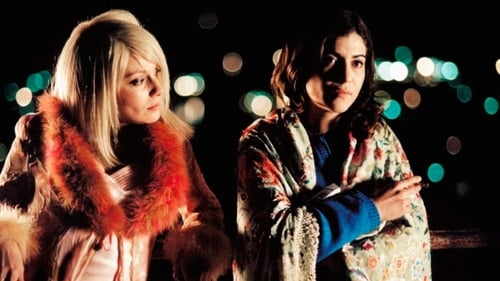
This movie portrays three women living in today's Algeria between modern society and Islamic fundamentalism, self-determination and dependence. Goucem, a young woman who works for a photographer and mistress of a rich doctor, her mother Papicha, a former cabaret star, and her best friend Fifi, a prostitute, all live in a hotel in the city center of Algiers. Their difficult personal situation and the growing influence of Islam lead to dramatic consequences...
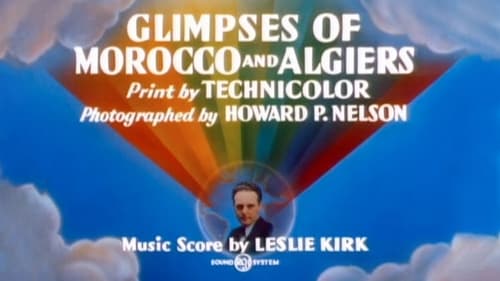
This FitzPatrick Traveltalk short visits the cities of Casablanca, Rabat, and Marrakesh in Morocco, as well as the city of Algiers in Algeria.
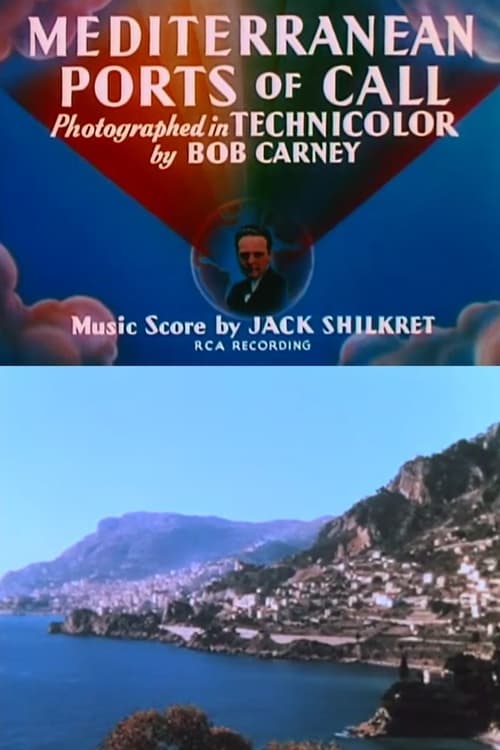
This Traveltalk short visits the ports of Algiers and Monaco in the Mediterranean.
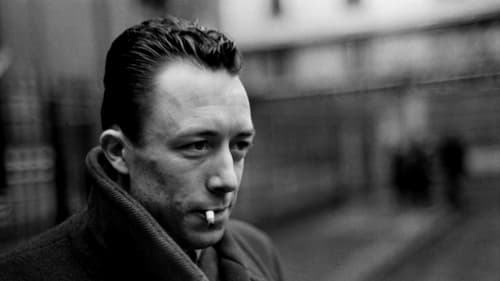
An account of the brief life of the writer Albert Camus (1913-1960), a Frenchman born in Algeria: his Spanish origin on the isle of Menorca, his childhood in Algiers, his literary career and his constant struggle against the pomposity of French bourgeois intellectuals, his communist commitment, his love for Spain and his opposition to the independence of Algeria, since it would cause the loss of his true home, his definitive estrangement.
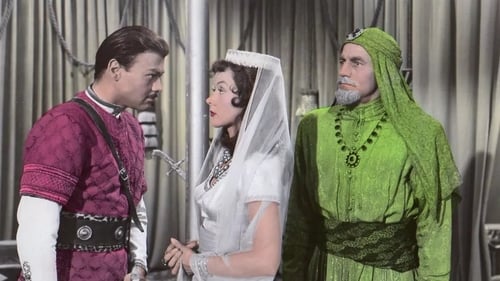
A low-born thief loves a Moroccan Princess. She must marry to escape death at the hands of her enemies. The groom is able to wed or cast away his bride simply by saying "I Marry You" or "I Divorce You" three times.

Nedjma, an 18-year-old student passionate about fashion design refuses to let the tragic events of the Algerian Civil War keep her from experiencing a normal life. As the social climate becomes more conservative, she rejects the new bans set by the radicals and decides to put on a fashion show.
Forced by her mean-spirited father, Lord Chief Justice James O'Brien, to marry a man she doesn't love, Connaught O'Brien gives up hope of ever with her true love, Dermot McDermot. After her father dies and a hunted rebel leader returns to town, however, Connaught finds a renewed hope that the tides of oppression will shift and she might again find happiness. This silent romantic drama, set in Ireland, is the first film in which a then-unknown John Wayne is clearly visible.

It is with the architect Jean-Jacques Deluz, that we visit Algiers, "his city" since 1960 and that he left only two years during the worst moments of terrorism. From the Casbah, in the 19th century center, including the cities of Fernand Pouillon and Bab El Oued to arrive at the new city of Maelma which he built today. Tender look, but without concessions at the same time architectural promenade and meetings with actors of art and culture: Djamel Allam, the singer Kabyle, Djamel Amrani, the poet, friend of Jean Sennac, Mohamed Ben Gettaf, Dramaturge and director of the theater of Algiers, Souad Delmi-Bourras, young designer Boudjemàa Kareche, director of the Algerian cinema, Amine Kouider, conductor, who relaunches the opera in Algeria, the painter Malek Salah, and others. A look at Algeria and the Algerians, far from the clichés of certain media, the bias being to seek signs of hope rather than "blood and tears".

Pepe Le Moko is a notorious thief, who escaped from France. Since his escape, Moko has become a resident and leader of the immense Casbah of Algiers. French officials arrive insisting on Pepe's capture are met with unfazed local detectives, led by Inspector Slimane, who are biding their time. Meanwhile, Pepe meets the beautiful Gaby, which arouses the jealousy of Ines.
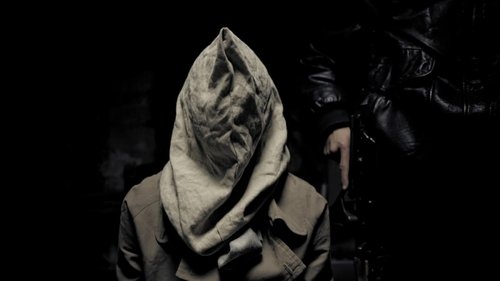
December 1994. On Saturday 24th, four GIA terrorists hijack an Air France A300 Airbus, bound for Paris, with 227 passengers on board, at the Algiers airport.
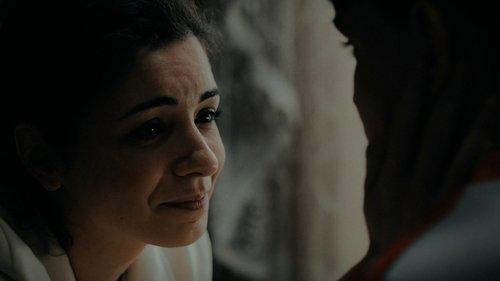
The kidnapping of a little girl creates tension and suspicion in Algiers. Only Dounia, a brilliant psychiatrist, and Sami, a police inspector, can unearth the demons of the past.

Farid, a teenager of Algerian descent, spends his free time hanging out with the wrong crowds in the suburbs south of Paris while maintaining a secret relationship with illustrator Jean. Both Jean and Farid are unsure about the future of their relationship - Farid wants Jean to move to Algiers with him, but Jean doesn't want to continue being Farid's secret. But when Farid becomes embroiled in a police matter, both his passionate private life and conservative family life hurtle towards one another, with explosive results.
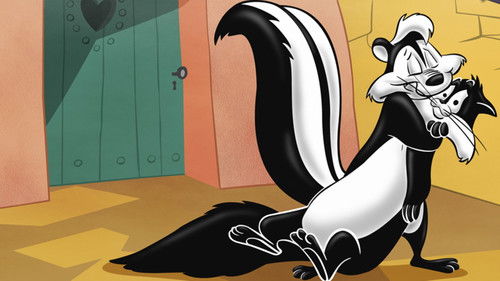
Penelope, an American tourist cat who's gotten a white stripe of paint down her back, is pursued through the Casbah by the amorous skunk Pepe Le Pew, who woos her with his rendition of "As Time Goes By".
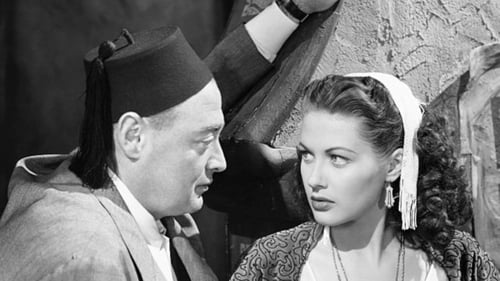
Pepe Le Moko leads a gang of jewel thieves in the Casbah of Algiers, where he has exiled himself to escape imprisonment in his native France.