
Action
Adventure
Animation
Comedy
Crime
Documentary
Drama
Family
Fantasy
History
Horror
Music
Mystery
Romance
Science Fiction
Thriller
War
Western
Found 28 movies, 16 TV shows, and 0 people
Can't find what you're looking for?

A man must overcome many obstacles as he works his way through the dangerous crime world to the level of yakuza.

A middle-aged university professor visits his divorced wife's house with his elementary school-aged son. The professor's ex-wife came out since the divorce and is living with her lesbian partner. In the course of a custody exchange, the professor is left alone with his ex-wife's partner.

Restaurant owner Kenji Nagata has been stabbed to death. When the police begin an investigation, a bag of human bones is discovered in Nagata's car and Detective Kajikawa asks anthropologist Kumiko Misaki to perform an examination. She discovers that the deceased was a man in his mid-twenties and that he died more than 15 years ago. Meanwhile, suspicion for Nagata's murder falls on his apprentice chef Ryohei Miyamura due to the murder weapon being a kitchen knife. Afterwards, Miyamura breaks into Kumiko's lab, but manages to escape...

"Papua New Guinea: Anthropology on Trial" was a 1983 episode of the PBS science documentary series NOVA. It explored the field of anthropology, particularly in the context of Papua New Guinea, from the perspective of the people being studied.

As part of the research conducted by Diponegoro University's Anthropology Research Expedition community (ARE), this ethnographic film explores the annual Yadnya Karo celebration in Tosari Village, East Java. Yadnya Karo symbolizes the origin of human life. This documentation captures the sacred rituals, vibrant traditions, and enduring cultural identity of the Tengger people.
RGBebop / Anthropology is an animated visual music improvisation in color and sound, made by hand with laser-cut stencils, pen, brush, ink, and paper.
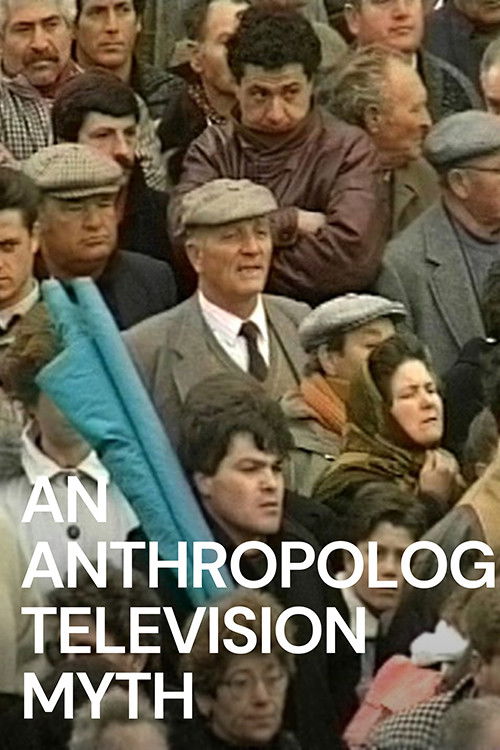
An Anthropological Television Myth is a gloriously jagged collage of fragments culled from an independent Sicilian TV station's output in the mid-90s – the period just before the 'Berlusconi era'. But whereas the Milanese media mogul's spells as president were notable for the cynical degradation of his nation's television output, with its bawdy game-shows earning much overseas derision, the small broadcaster showcased here evidently foregrounded and documented local grass-roots political shenanigans. With no commentary or captions, the film plunges us into a lively day-before-yesterday epoch when the authorities' battles with the Mafia produced an atmosphere akin to Civil War on the streets. Virtuouso editing knits together a dizzyingly wide range of sights and sounds that consistently fascinate and impress.
How is science done? What is behind the scenes of popular lectures and speeches? The film shows three days in the life of the famous popularizer of science Stanislav Drobyshevsky. The film crew visited together with him on archaeological excavations in the village of Khotylevo, Bryansk region, at the Lomonosov Moscow State University at the Department of Anthropology and at the conference "Scientists against Myths".

A departing professor gathers his closest colleagues for an intimate farewell, but the night takes an unexpected turn when he shares a stunning secret about his past. As the conversation unfolds, skepticism and curiosity collide, challenging everything they thought they knew about history, science, and belief.
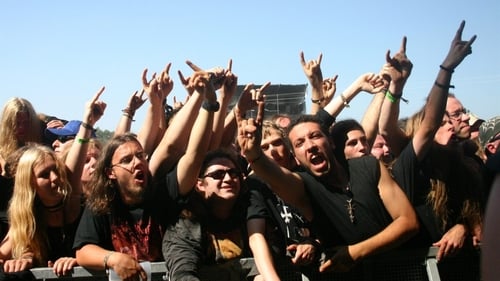
The film discusses the traits and originators of some of metal's many subgenres, including the New Wave of British Heavy Metal, power metal, Nu metal, glam metal, thrash metal, black metal, and death metal. Dunn uses a family-tree-type flowchart to document some of the most popular metal subgenres. The film also explores various aspects of heavy metal culture.

Do animals have feelings? Empathy even? A documentary with some insights due to advancing technology.
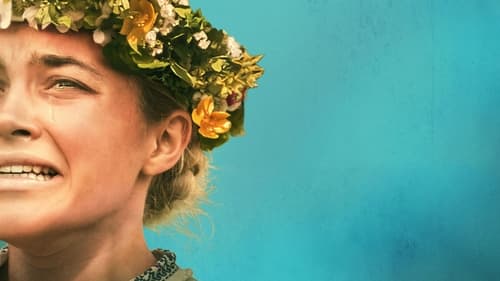
Several friends travel to Sweden to study as anthropologists a summer festival that is held every ninety years in the remote hometown of one of them. What begins as a dream vacation in a place where the sun never sets, gradually turns into a dark nightmare as the mysterious inhabitants invite them to participate in their disturbing festive activities.
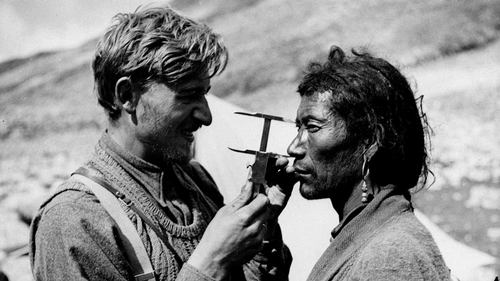
In 1935, German scientists dug for bones; in 1943, they murdered to get them. How the German scientific community supported Nazism, distorted history to legitimize a hideous system and was an accomplice to its unspeakable crimes. The story of the Ahnenerbe, a sinister organization created to rewrite the obscure origins of a nation.
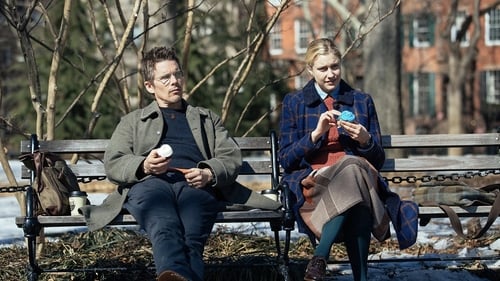
Maggie's plan to have a baby on her own with a sperm donor is derailed when she falls in love with John, an older married professor, destroying his volatile marriage to the brilliant and impossible Georgette. But three years later, married to John with one daughter, Maggie is out of love and in a quandary: what do you do when you suspect your man and his ex-wife are actually perfect for each other?
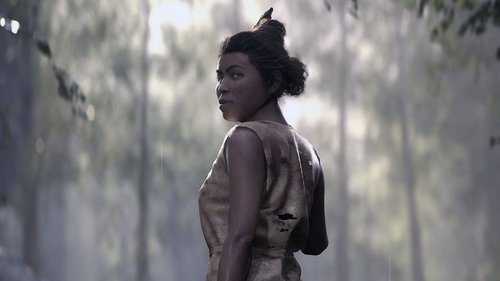
One of the most significant cases in European archaeology is the grave of the shaman woman of Bad Dürrenberg, a key finding of the last hunter-gatherer groups. From a time when there were no written records, this site was first researched by the Nazis, who saw a physically strong male warrior from an ‘original Aryan race’ in the buried person. It was, in fact, the most powerful woman of her time. The latest research shows that she was dark-skinned, had physical deformities, and was a spiritual leader. The documentary – using high-end CGI and motion capture – compares the researchers of the Nazi era, who misrepresented and instrumentalised their findings, to today’s researchers, who meticulously compile findings and evidence, and use cross- disciplinary methods to examine and evaluate them. It also substantiates the theory of the powerful roles women played in prehistoric times. The story of this woman, buried with a baby in her arms, still fascinates us 9,000 years after her death.

Haunted by uncanny similarities between Nazi stage techniques and the showmanship employed by modern entertainers, a filmmaker investigates the dangers of audience manipulation and leader worship.

An exploration of the heavy metal scene in Los Angeles, with particular emphasis on glam metal. It features concert footage and interviews of legendary heavy metal and hard rock bands and artists such as Aerosmith, Alice Cooper, Kiss, Megadeth, Motörhead, Ozzy Osbourne and W.A.S.P..
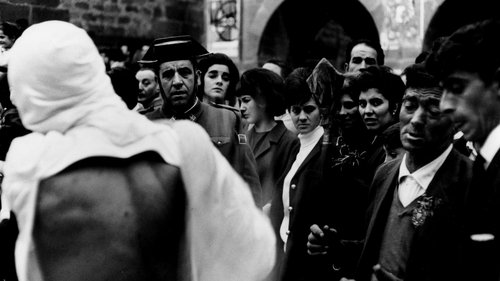
An unprejudiced portrait of Spanish folklore and a crude analysis in black and white of its intimate relationship with atavism and superstition, with violence and pain, with blood and death; a story of terror, a journey to the most sinister and ancestral Spain; the one that lived far from the most visited tourist destinations, from the economic miracle and unstoppable progress, relentlessly promoted by the Franco regime during the sixties.
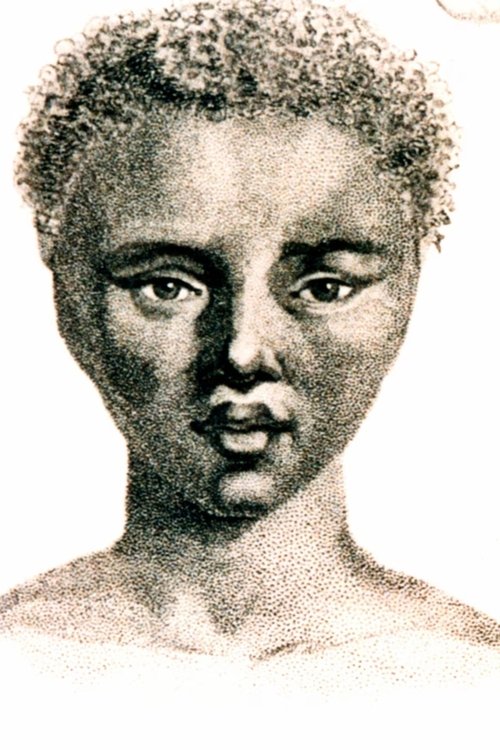
In 1810, 20 year old Sara Baartman got on a boat from Cape Town to London, unaware that she would never see her home again, or that she would become the icon of racial inferiority and black female sexuality for the next 100 years. Four years later, she became the object of scientific research that formed the bedrock of European ideas about BFS. She died the next year, but even after her death, Sara remained an object of imperialist scientific investigation. In the name of Science, her sexual organs and brain were preserved and displayed in the Musee de l'Homme in Paris until as recently as 1985. Using historical drawings, cartoons, legal documents, and interviews with noted cultural historians and anthropologists, this documentary deconstructs the social, political, scientific, and philosophical assumptions that transformed one young woman into a representation of savage sexuality and racial inferiority.
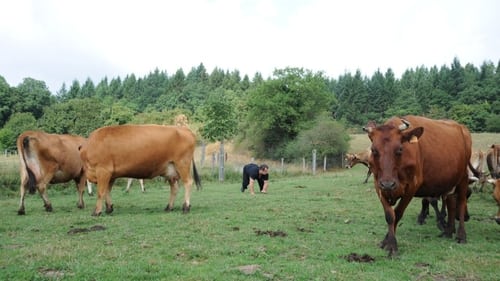
How do humans and animals see each other? Dominique Loreau captures astonishing exchanges of “views” between people and animals who coexist in the city, in farms, slaughterhouses, zoos, museums, or in a dance rehearsal room. In The Eyes Of A Beast questions the permeable boundary between man and animal.
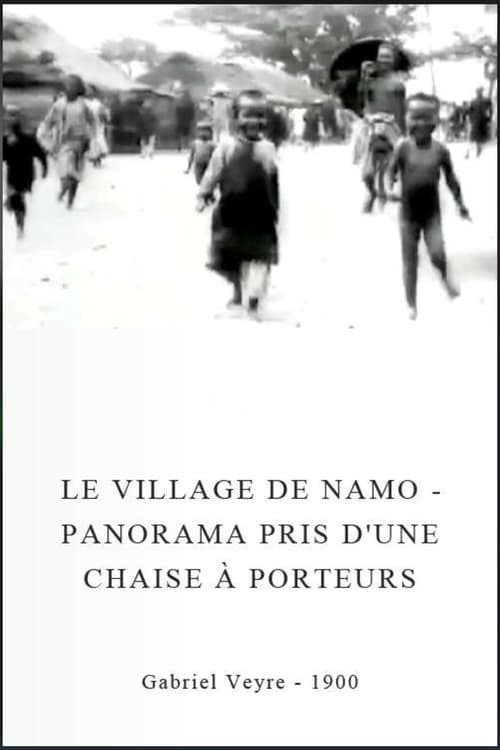
The film is a panorama shot-scene lasting just under a minute. The panorama film, as coined by Lumière, is a moving-camera shot--usually accomplished by placing the camera on a moving transport, such as a boat or train.
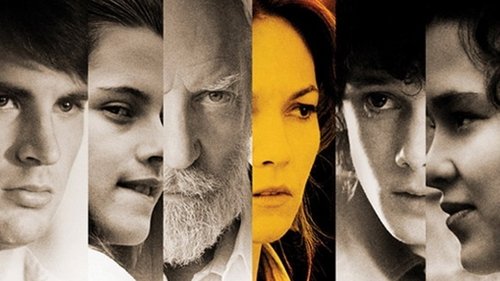
A massage therapist looking to overcome her addictions and reconnect with her son, whose father is an anthropologist in South America studying the Yanomani people, moves in with a wealthy ex-client in New Jersey.

In GLOBAL METAL, directors Scot McFadyen and Sam Dunn set out to discover how the West's most maligned musical genre - heavy metal - has impacted the world's cultures beyond Europe and North America. The film follows metal fan and anthropologist Sam Dunn on a whirlwind journey through Asia, South America and the Middle East as he explores the underbelly of the world's emerging extreme music scenes; from Indonesian death metal to Chinese black metal to Iranian thrash metal. GLOBAL METAL reveals a worldwide community of metalheads who aren't just absorbing metal from the West - they're transforming it - creating a new form of cultural expression in societies dominated by conflict, corruption and mass-consumerism.
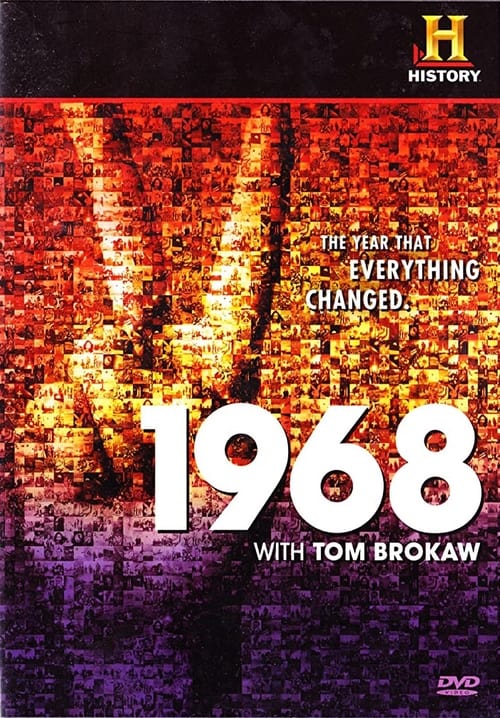
In 1968, the fury and violence of the Democratic National Convention in Chicago propelled us toward a tipping point in politics. Martin Luther King Jr. and Robert F. Kennedy were assassinated, America suffered its bloodiest year in Vietnam and drugs seduced us. Yet idealism--and hope--flourished. Explore the significance of that turbulent year and the way it continues to affect the American landscape. Tom Brokaw offers his perspective on the era and shares the rich personal odysseys of some of the people who lived through that chaotic time, along with the stories of younger people now experiencing its aftershocks. Includes archival footage and interviews with former Atlanta Mayor Andrew Young, who was talking to King when he was assassinated and rushed to his side to try to staunch the wound; Olympic gold medalist Rafer Johnson, who wrestled RFKs' assassin to the ground; and Arlo Guthrie, best known for his song "Alice's Restaurant.
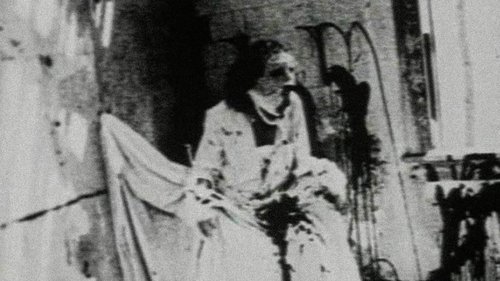
Begotten is the creation myth brought to life, the story of no less than the violent death of God and the (re)birth of nature on a barren earth.
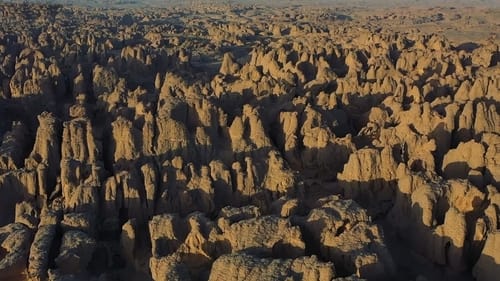
Séfar (in Arabic: سيفار) is an ancient city in the heart of the Tassili n'Ajjer mountain range in Algeria, more than 2,400 km south of Algiers and very close to the Libyan border. Séfar is the largest troglodyte city in the world, with several thousand fossilized houses. Very few travelers go there given its geographical remoteness and especially because of the difficulties of access to the site. The site is full of several paintings, some of which date back more than 12,000 years, mostly depicting animals and scenes of hunting or daily life which testify that this hostile place has not always been an inhabited desert. Local superstition suggests that the site is inhabited by djins, no doubt in connection with the strange paintings found on the site.
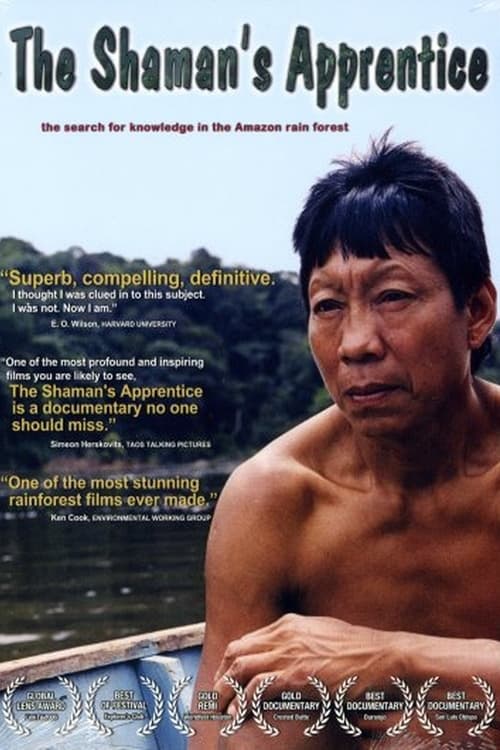
Scientist Mark Plotkin races against time to save the ancient healing knowledge of Indian tribes from extinction.

The Kumiho family circus in town -- and with it, apparently, a mysterious murderer. The members of motherless family aren’t helping their case with their strange remarks about humans and their initial performances, cavalcades of dismemberment and torrents of blood which terrify the local kids. Pretty soon, a dour, downbeat cop is on the tail of the plucky, bumbling Kumihos. Or rather, tails -- “kumiho” is the word for the fox spirits of Korean mythology, and this clan from Nam Mountain near Seoul, temporarily disguised as people thanks to a magic spell, must eat human livers during a brief, once-in-a-millennium lunar eclipse to shed their foxy nature and assume permanent human form. When the sleazy reprobate on the run from mobsters stumbles into their eerie household, he soon finds himself a little too enthusiastically involved in their scheming after human flesh—and involved with the sexy elder-sister fox spirit as well!