
Action
Adventure
Animation
Comedy
Crime
Documentary
Drama
Family
Fantasy
History
Horror
Music
Mystery
Romance
Science Fiction
Thriller
War
Western
Found 40 movies, 5 TV shows, and 1 person
Can't find what you're looking for?

No description available for this movie.
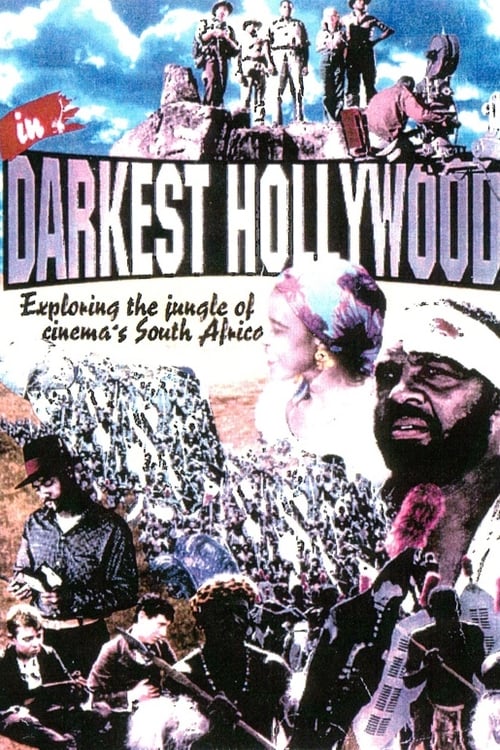
A documentary overview and ideological critique of the South African film industry and cinema's historical relationship with apartheid.
George, a black South African, finds it hard to settle down in London after his experiences in South Africa.
The secret history of the negotiations that led to Mandela's release from prison, the ANC becoming the government of South Africa, and the end of apartheid.
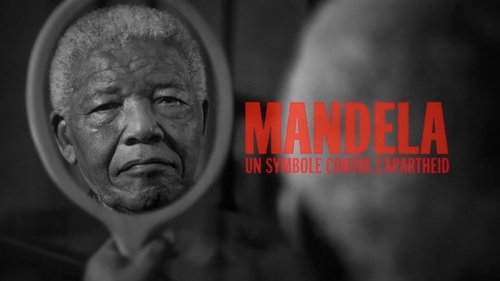
Mandela’s legend is built on his absence, during his 27- year incarceration. In 1990, when Nelson Mandela is released, South Africa is waiting for their Messiah. But he doesn’t know it yet, he is the most famous political prisoner of the Planet. Will he be up to the challenge?
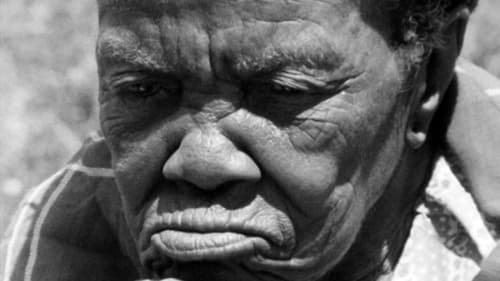
First transmitted in 1968, Black, Coloured and Asian South Africans are interviewed in this eye-opening documentary about their views on apartheid. Included with the many dissenting views on apartheid are opinions on why different racial groups should live separately. Film footage that often shows the shocking racial exploitation allowed by apartheid accompanies the interviews. This documentary shows a protest by Church leaders against the Group Areas Act and features an interview with Desmond Tutu.

New historical documentary on the largely unknown period of South African B-movies, and the later cinematic identity of the nation that was established under the apartheid regime.
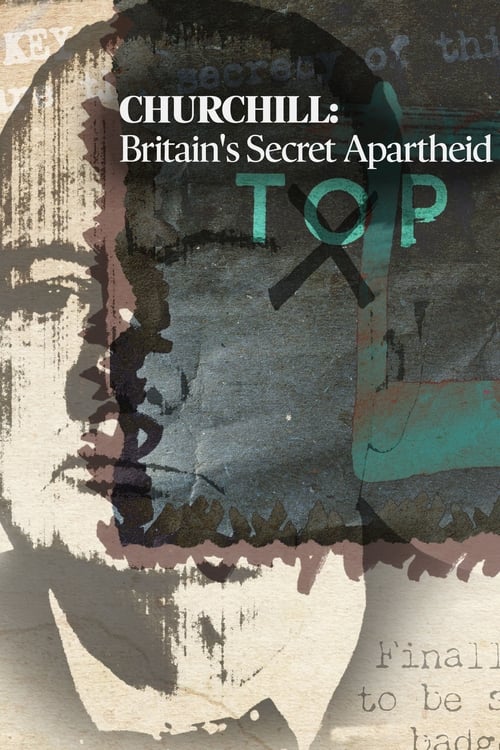
When Winston Churchill needed the help of the US Army to defeat Hitler, he made a controversial decision to allow America to bring its segregated Army to the UK. Racial tension between black and white American soldiers spilled out onto the streets of Britain, resulting in shoot-outs, riots and murders. Searching for people alive today directly impacted by the violence, the program examines its lingering impact.

An introduction to apartheid and the contextualization of the history of the changing nature of state repression would provide a good foundation from which to view the film. It should also be explained that state repression in 1985 occurred as a response to increasingly successful organized.
In the year of Nelson Mandela’s centenary, Glasgow, Love and Apartheid is the story of one family’s fight against apartheid from Scotland and South Africa. Director, Dhivya Kate Chetty, follows her parents – a mixed, and once ‘illegal’, couple – on a trip back to South Africa where the family stories begin to unfold – protests, an uncle in jail, an ANC arms cache, a doctor on the run and a surprise connection with Mandela in hiding.
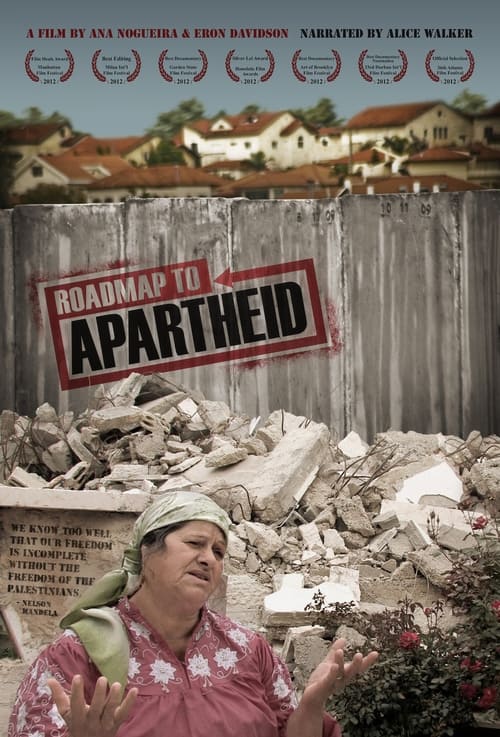
In this award-winning documentary, the first time directors take a detailed looks at the apartheid analogy commonly used to describe the Israeli-Palestinian conflict. Narrated by Alice Walker (author of The Color Purple), Roadmap to Apartheid is as much a historical document of the rise and fall of apartheid in South Africa, as it is a film about why many Palestinians feel they are living in an apartheid system today, and why an increasing number of people around the world agree with them. While not perfect, the apartheid analogy is a useful framework by which to educate people on the complex issues facing Israelis and Palestinians.
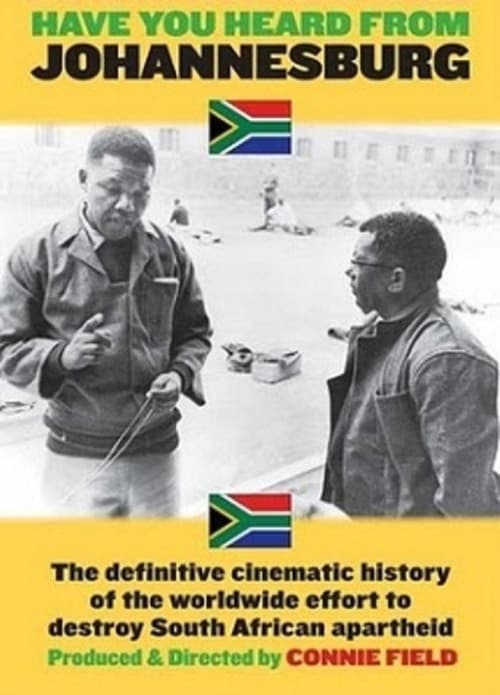
This story traces the complex and fascinating drama of the anti-apartheid movement in one of South Africa's most important allies, the United States. The US is a key battleground, with African-Americans at the center of the struggle. The campaigns take place in boardrooms, universities, embassies, and finally in the US Congress itself, where a stunning victory is won against the formidable opposition of President Ronald Reagan. African-Americans, for the first time in history, have turned the tide and altered the direction of US foreign policy. The US, once the backbone of support for the apartheid regime as her ally in the Cold War, finally imposes sanctions on Pretoria. This is part 4 of a 6 part series on the global anti-apartheid movements, stretching from 1946-1990.
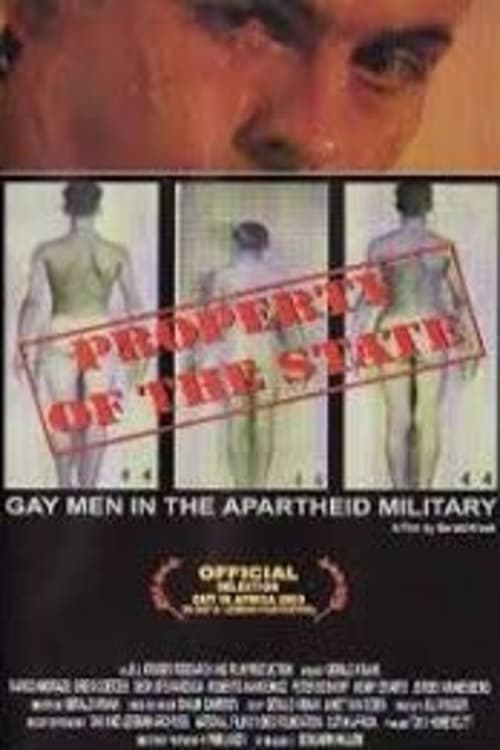
This documentary deals with the contradictory experience of gay men in the military during apartheid in South Africa - an environment in which homosexuals sometimes found erotic space, but mostly encountered hostility. It draws on a literary exploration of gay experience in the military in the 'grensverhaal' (border story) genre of the 1980s as well as interviews with conscripts who served in the South African Defense Force and anti-military activists. The film paints a harrowing picture of forced conscription in the 1970s and 1980s and brings to light a hidden history of persecution, which was an integral aspect of the brutality of apartheid.
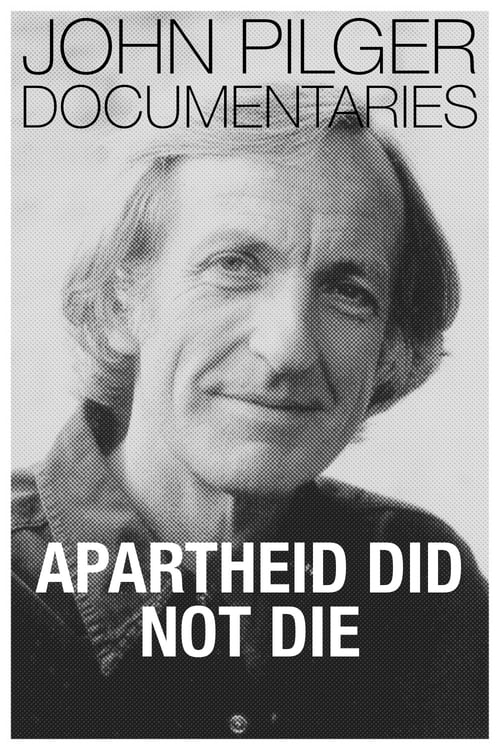
An analysis of South Africa's new, democratic regime.
No description available for this movie.
The Boer Project can proudly present the documentary that tells the story of the Boer population in South Africa.
No description available for this movie.
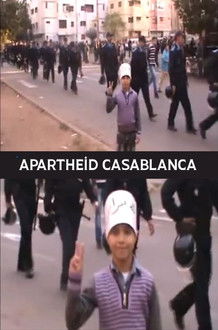
Apartheid Casablanca is an essay film made over 48 hours in reaction to a film advertising Casablanca. Nadir Bouhmouch is a radical Moroccan filmmaker whose films evoke the strength of poetic resistance and other forms of militant strategies deployed in workers’ struggles in Morocco. This cinematographic collage extends and is in dialogue with the experiments of Santiago Alvarez.
This third story of six focuses on a particular kind of international politics, one that played a unique and powerful role in the destiny of South Africa: the battle against apartheid in sports. This wasn't the first time that sports played a part in world politics, but it is the only time that sports has so deeply affected the fate of a nation. Although economic sanctions are hard to win, cultural boycotts, especially sports, become the movement's first victories. The conflict shifts in time and space, over years, in many sports, and many nations. In the end, South Africa is changed forever and so too are other countries, as the sports world, from the Olympics to the rugby fields, declare they won't play with Apartheid.
This black-and-white documentary reports on a meeting of the United Nations Special Committee against Apartheid in East Berlin from March 24 to 29, 1974.

PK, an English orphan terrorized for his family's political beliefs in Africa, turns to his only friend, a kindly world-wise prisoner, Geel Piet. Geel teaches him how to box with the motto “fight with your fists and lead with your heart”. As he grows to manhood, PK uses these words to take on the system and the injustices he sees around him - and finds that one person really can make a difference.

An Iranian filmmaker participates in a series of video calls with a young Palestinian photojournalist who describes her life confined in Gaza during the current regional conflict.

South Africa, July 11th, 1963. Several members of the African National Congress, an organization declared illegal, are arrested in Rivonia, a country house near Johannesburg. The detainees, along with Nelson Mandela, imprisoned since 1962, are charged with serious crimes for their radical activism against the apartheid regime.
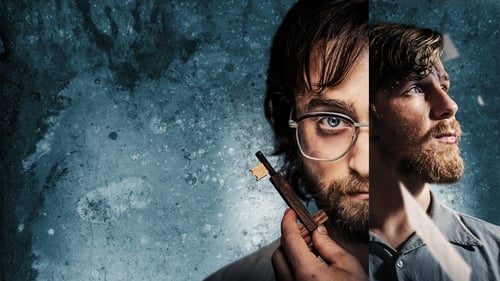
South Africa, 1978. Tim Jenkin and Stephen Lee, two white political activists from the African National Congress imprisoned by the apartheid regime, put a plan in motion to escape from the infamous Pretoria Prison.
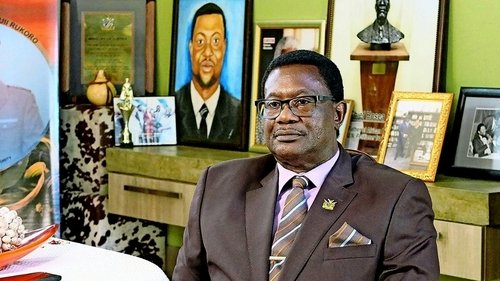
Germans colonized the land of Namibia, in southern Africa, during a brief period of time, from 1840 to the end of the World War I. The story of the so-called German South West Africa (1884-1915) is hideous; a hidden and silenced account of looting and genocide.
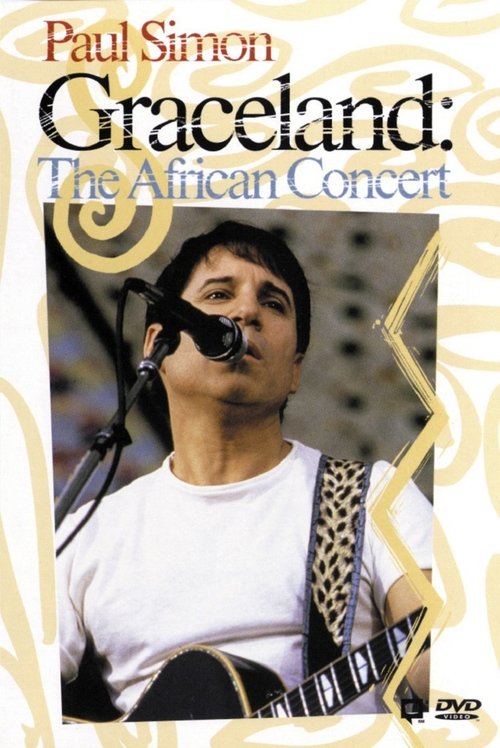
Singer Paul Simon and several African musicians perform a concert to benefit victims of apartheid in South Africa.

This film made by a Palestinian-Israeli collective shows the destruction of the occupied West Bank's Masafer Yatta by Israeli soldiers and the alliance which develops between the Palestinian activist Basel and Israeli journalist Yuval.
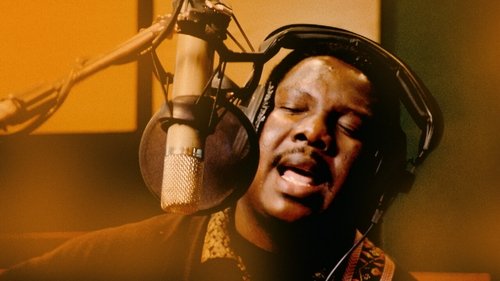
The struggle to eradicate apartheid in South Africa has been chronicled over time, but no one has addressed the vital role music plays in this challenge. This documentary by Lee Hirsch recounts a fascinating and little-known part of South Africa's political history through archival footage, interviews and, of course, several mesmerizing musical performances.
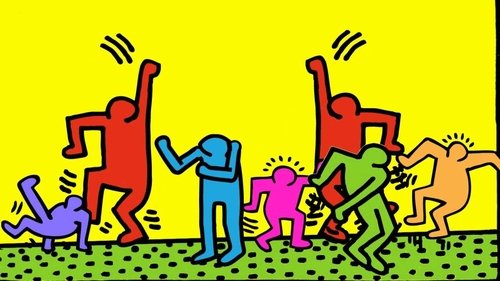
Short documentary about artist Keith Haring, detailing his involvement in the New York City graffiti subculture, his opening of the Pop Shop, and the social commentary present in his paintings and drawings.
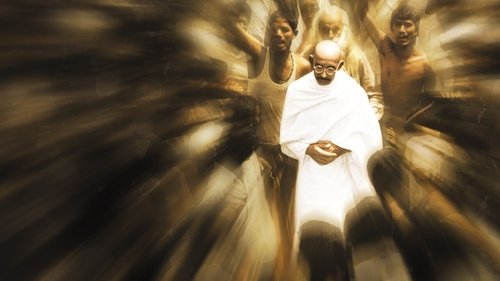
In the early years of the 20th century, Mohandas K. Gandhi, a British-trained lawyer, forsakes all worldly possessions to take up the cause of Indian independence. Faced with armed resistance from the British government, Gandhi adopts a policy of 'passive resistance', endeavouring to win freedom for his people without resorting to bloodshed.
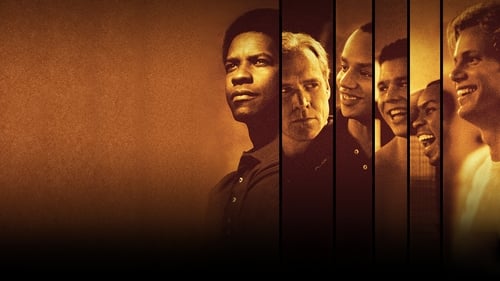
After leading his football team to 15 winning seasons, coach Bill Yoast is demoted and replaced by Herman Boone – tough, opinionated and as different from the beloved Yoast as he could be. The two men learn to overcome their differences and turn a group of hostile young men into champions.
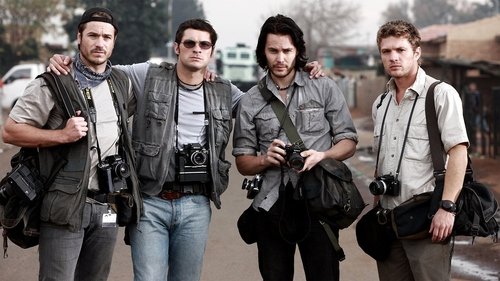
In the early to mid '90s, when the South African system of apartheid was in its death throes, four photographers - Greg Marinovich, Kevin Carter, Ken Oosterbroek and João Silva - bonded by their friendship and a sense of purpose, worked together to chronicle the violence and upheaval leading up to the 1994 election of Nelson Mandela as president. Their work is risky and dangerous, potentially fatally so, as they thrust themselves into the middle of chaotic clashes between forces backed by the government (including Inkatha Zulu warriors) and those in support of Mandela's African National Congress.
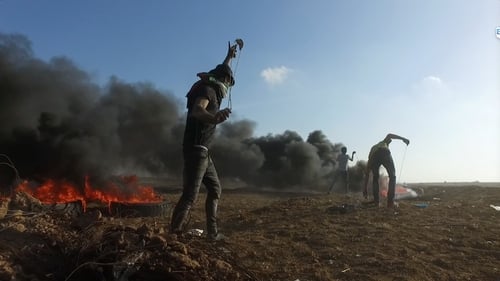
Gaza Fights for Freedom depicts the ongoing Great March of Return protests in the Gaza Strip, occupied Palestine, that began in 2018.
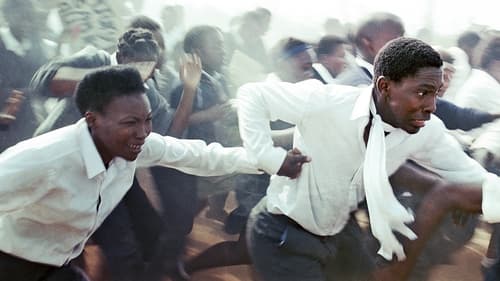
A story of love and friendship set against the violence of Apartheid in South Africa. It is a story of the ups and downs of the lives of the three main characters, and how their lives intersect over the years.

The story of the Londoners recruited to be freedom fighters during the South African apartheid during the 1960s.

During the time of apartheid Nelson Mandela drove around South Africa in a limousine disguised as a chauffeur while organizing the armed struggle against the apartheid regime. But who was the distinguished looking white man sitting in the back seat? Meet Cecil Williams, an acclaimed gay white theatre director and communist.
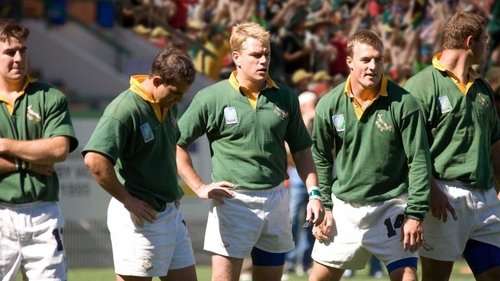
Newly elected President Nelson Mandela knows his nation remains racially and economically divided in the wake of apartheid. Believing he can bring his people together through the universal language of sport, Mandela rallies South Africa's rugby union team as they make their historic run to the 1995 Rugby World Cup Championship match.
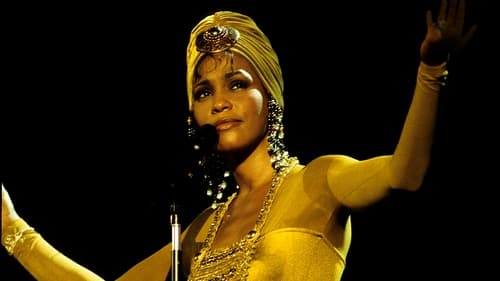
Her televised HBO special from South Africa 1994.
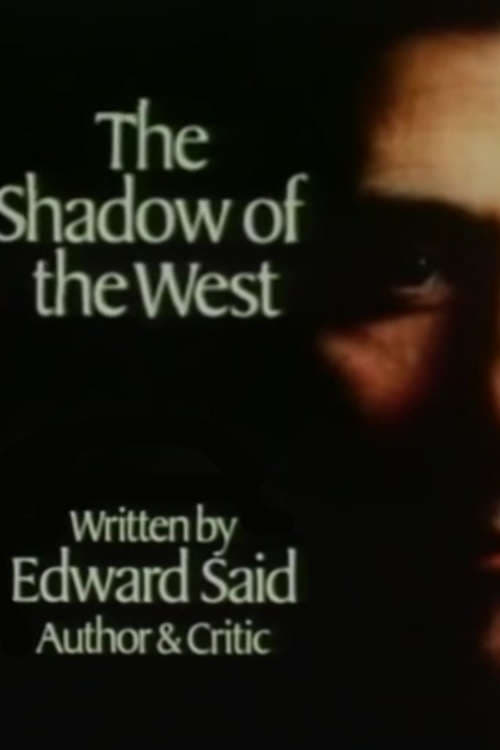
Edward Said, Professor of English & Comparative Literature at Columbia University, was one of the most prominent literary critics of the late 20th century and a leading spokesperson for the Palestinian cause in the US. In this episode, Said examines Western attitudes to the Arabs and finds their origins in the Crusades, Hollywood and European empire building. He sees the Palestinian fate as the result of years of Western interference. One of the ten episodes of The Arabs: A Living History.
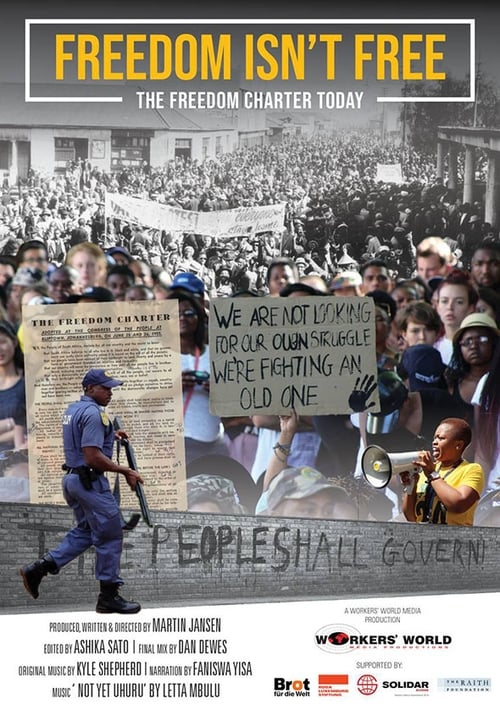
Since its adoption in June 1955 by the Congress movement, the Freedom Charter has been the key political document that acted as a beacon and source of inspiration in the liberation struggle against Apartheid. It was reputedly the main source that informed democratic South Africa’s liberal constitution and a constant reference point for the ruling African National Congress (ANC) and rival political parties that it spawned since 1994, all claiming the Freedom Charter’s legacy. Freedom Isn’t Free assesses the history and role of the charter, especially in relation to key political and socio-economic aspects of developments in South Africa up to the present period. It includes rare archival footage with interviews of a cross-section of outspoken influential South Africans.