
Action
Adventure
Animation
Comedy
Crime
Documentary
Drama
Family
Fantasy
History
Horror
Music
Mystery
Romance
Science Fiction
Thriller
War
Western
Found 41 movies, 9 TV shows, and 2 people
Can't find what you're looking for?

Through a misunderstanding, Chul-su arrives on the doorstep of Chun-hi. Having nowhere else to go, he forces her to allow him to stay until they can contact their mutual friend to solve the problem. Their initial contempt for each other gradually softens.

A short Emmy award-winning animation promoting New York's newly renovated Museum of Modern Art.
Documentary by Ali al ghazouli
Short documentary.
Japanese picture book world of the protagonist, You Shoumei's oil paintings, and author Nakai Nobutomo, they tore out stubbornly this simple composition and sound of the world, "Kaku Nime" production.
Sounds Like Art invites musicians to play in the midst of works of art in a European museum. In this edition, British pop group Bastille present their new album & at the Turner Contemporary Museum in Margate on the English coast. Lead singer Dan Smith says he is particularly interested in the art of Anya Gallaccio and Antony Gormley.
Umezawa Sutejiro came to Taiwan to work in 1911, and had stayed in Taiwan ever since then. He participated in design and construction of nowadays, to name a few, Songshan Cultural and Creative Park, Law School of Taiwan University, T&L Hsin Chu, Taichung Normal University, Chiayi Art Museum, Tainan Art Museum, Hayashi Department Store. This documentary film is in attempt to draw a finer portraiture of Umezawa by interviewing Umezawa’s grandson, scholars and architects and by focusing on the discourse of Chiayi Art Museum building. It also intends to pay tribute to Umezawa.
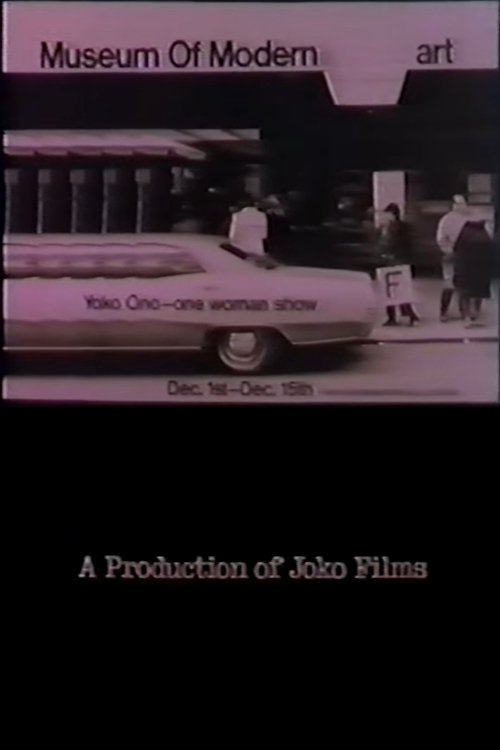
Vox pops conducted outside Yoko Ono's MOMA show in December 1971.
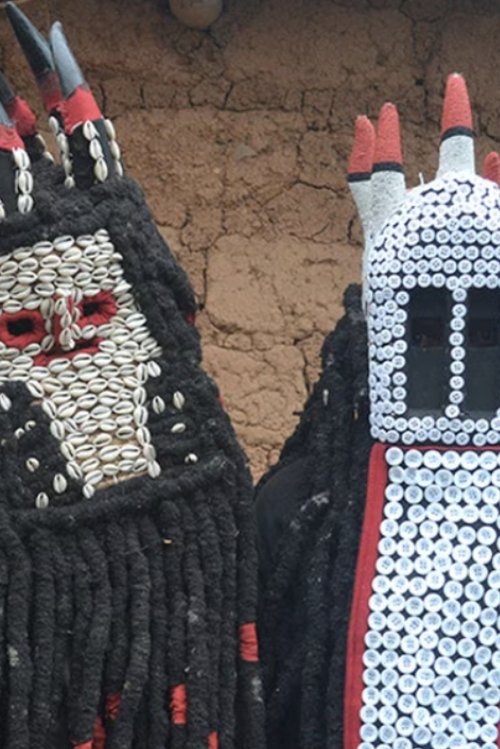
How can art be liberated from the ethnological context of former colonial rulers? The documentary series presents Africa's new museums. The Théodore Monod Museum in Dakar, for example, dates back to the times of French colonial rule in Senegal. Its ethnological collections were once used for research from the perspective of the colonial power. Can the museum reinvent itself?

One of the most extraordinary personalities in the history of moving images, native New Yorker Ken Jacobs, and his wife and long-time creative partner Flo Jacobs, sit down for a series of discussions, reflecting on numerous clips from the many films and performances conjured onto screens since 1955 and through to today. From the antic collaborations with Jack Smith and company as a central artist in the 1960s underground film movement, through later, seminal, ground-breaking formalist works which expanded his recognition by The Museum of Modern Art and other major cultural institutions, to his invention of the Nervous System and the Cyclopean 3D patented Eternalism and remarkable musical collaborations (with JG Thirlwell, Aki Onda, Nisi Jacobs, Michael Schumacher and others) of his recent work, Jacobs demonstrates and articulates his endless fascination and pursuit of exceptional, moving image art.

What makes a masterpiece? In this visually stunning program, the magnificence of America's premier art museum lights up the screen. One of the architectural glories of New York, the Met stretches 1000 feet along 5th Avenue. Inside is a dazzling encyclopedia of world art, radiating 5,000 years of art history from ancient Egypt, Greece and Rome to Europe, African, Asia and the Americas.
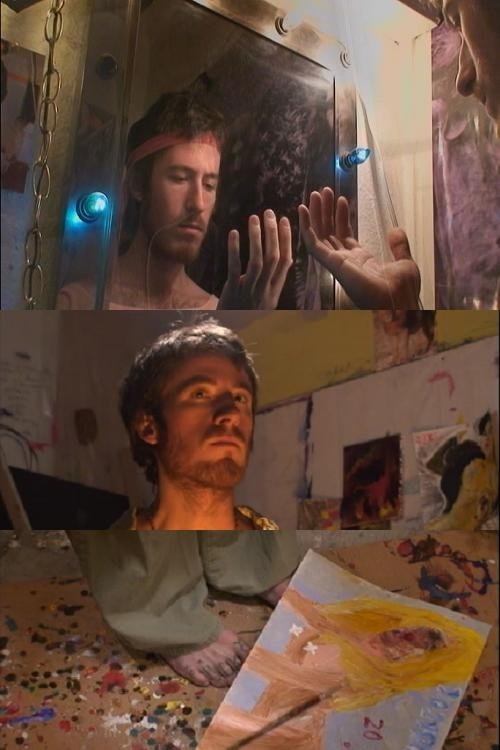
His love of Heaven's virtues could not prevent a hunger for God's enticing creatures.
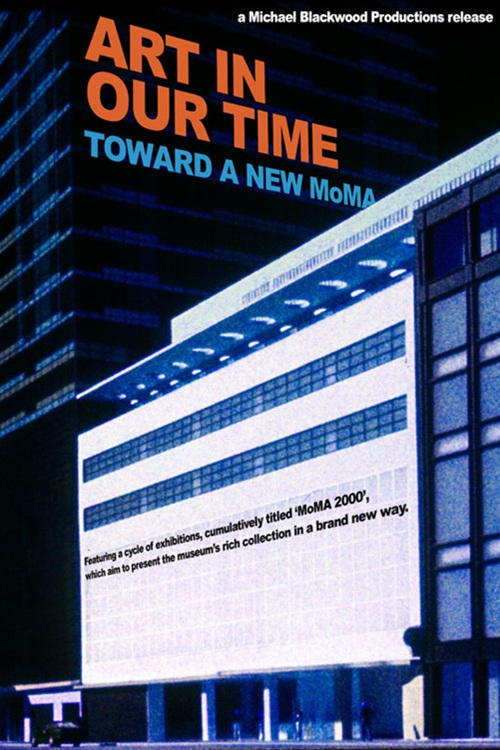
"Art in Our Time: Toward a New MoMA" features a cycle of 'end of century' exhibitions, cumulatively titled 'MoMA 2000', which aim to present the museum's rich collection in a brand new way. Instead of MoMA's famously traditional chronological installation, oriented heavily towards the 'School of Paris', the curators assembled works by themes which offered the public a new approach to the understanding of the art of our time. One aspect of this different approach was to experiment with finding new ways for MoMA to connect more decisively with the art of the present, as the term 'modern' can be construed as the art of the first half of the last century. By masterfully juxtaposing art of the past with art of the present, MoMA has encouraged it's visitors to observe, contemplate and process iconic pieces spanning the last century.
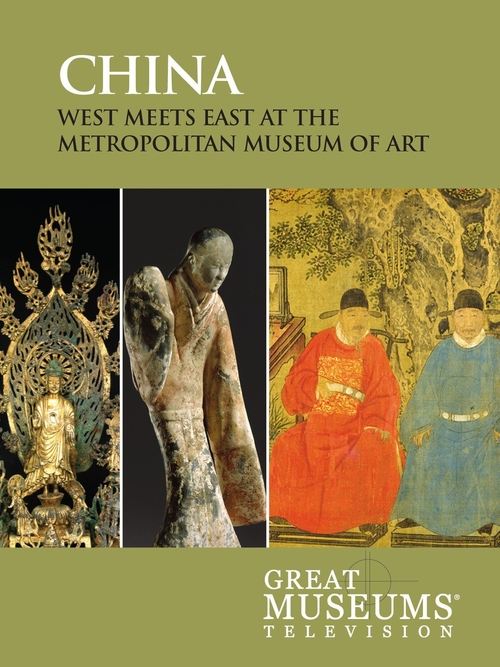
As one of the world’s premier art museums, The Metropolitan Museum of Art is home to the finest collection of Chinese artistic masterpieces of any museum outside of China. The collection spans 5,000 years of changing political dynasties and varying religious and foreign influences and represent every period of Chinese history. One of the most astonishing things about China is how little most Americans actually know about it, even though China’s culture is so present in our western world. We often see China as a nation casting off tradition in a mad rush to westernize. But below the hectic surface lies a steadfast culture that has influenced the West in deep and subtle ways.
Director Laura Hyppönen takes the viewer to a surreal museum where mannequins dressed in sequined dresses come to life.
The Jundt Art Museum has called Gonzaga University home since 1997. The museum’s collection boasts more than 4,000 pieces of art ranging from Andy Warhol to Ansel Adams, from Pablo Picasso to Auguste Rodin, and from Dale Chihuly to Alexander Calder. The museum attracts visitors not just from the Gonzaga community, but from all over the country who travel to see its carefully curated exhibitions. Told through the eyes of the museum’s current director, Paul Manoguerra, this short documentary-style feature explores all that the Jundt Art Museum has to offer, and the importance of art in our society today.
An experimental, AI-driven film which deconstructs art history, recombining artistic movements and eras into an evolving mash-up. The piece serves as an accelerated synopsis of the history of the visual arts, weaving together recognizable imagery into new, emergent forms.
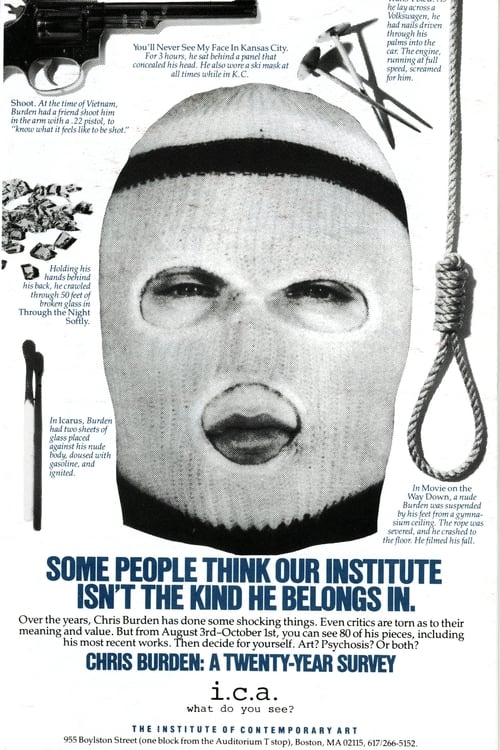
Accompanying video to the exhibition "Chris Burden: A Twenty-Year Survey", Newport Harbor Art Museum, California, USA, 1988. Survey, interviews, etc.
![Museum of Modern Art 100% Speedrun in 20:17 [All Rooms, All Art] [Sub 25] [NEW PB!!!]](https://image.tmdb.org/t/p/w500/A7qSofLoYm8dt4NfgyADO2V7CPO.jpg)
Attempt #8 of my MoMa 100% completion speedruns. Still using the gravity and "how ya doin" metas. Fairly optimized. New personal best time.
In camera edit, one roll of film, a visit with my friend Brian Frye of his favorite museum with the Joseph Cornell pieces and the miniature magic room.
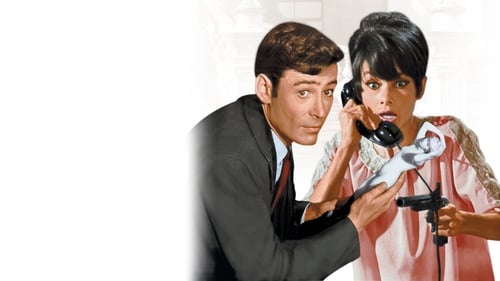
A woman must steal a statue from a Paris museum to help conceal her father's art forgeries.

Chronicles the creation of The Metropolitan Museum of Art's most attended fashion exhibition in history, "China: Through The Looking Glass," an exploration of Chinese-inspired Western fashions by Costume Institute curator Andrew Bolton.
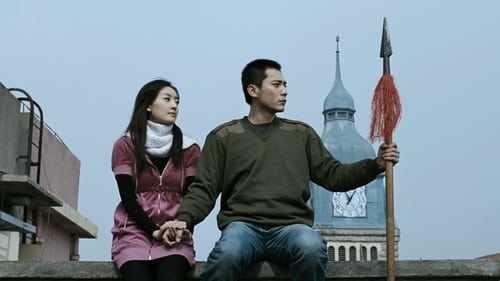
Lao San is a young veteran high in Kungfu power but low in intelligence. After landing on a job as a body guard for a wealthy antique collector, Lao San finds out his boss's plot to rob the National Art Museum.
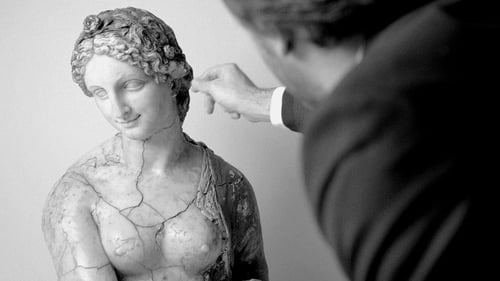
Acquired in July 1909 by art collector Wilhelm von Bode (1845-1929), director general of the Prussian Art Collections and founding director of the Kaiser-Friedrich-Museum, now the Bode-Museum, the Bust of Flora, Roman goddess of flowers, has been the subject of controversy for more than a century.
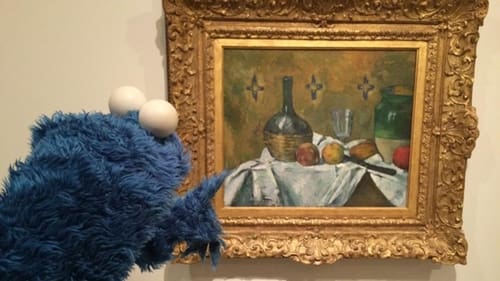
As the Metropolitan Museum of Art closes, Big Bird decides to leave his Sesame Street friends behind in search of Snuffy. Once locked inside for the night, educational hilarity ensues as Big Bird and Snuffy team up to help a small Egyptian boy solve a riddle - as the rest of the cast searches for their big, yellow friend.
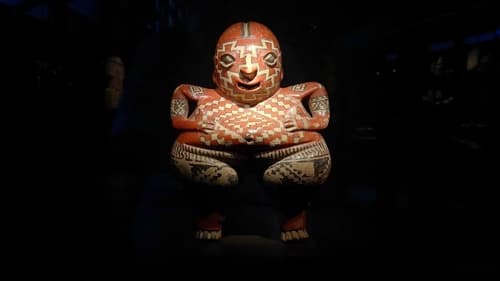
Many twentieth century European artists, such as Paul Gauguin or Pablo Picasso, were influenced by art brought to Europe from African and Asian colonies. How to frame these Modernist works today when the idea of the primitive in art is problematic?
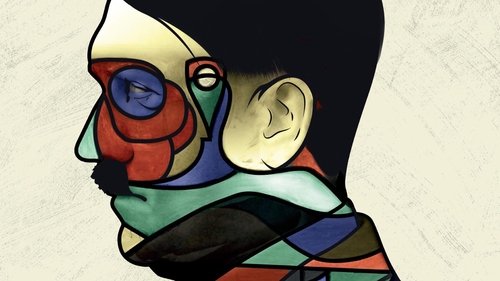
In 1937 the Nazi regime held two exhibitions in Munich: one to stigmatize “Degenerate Art” (which they systematically looted and destroyed) and one, personally curated by Hitler, to glorify “Classic Art”. This immersive new documentary reveals the Nazi’s complicated relationship with classical and modern art, displaying an incredible number of masterpieces by Botticelli, Klee, Matisse, Monet, Chagall, Renoir and Gauguin amongst others, intertwined with human stories from the most infamous period of the twentieth century. A state-of-the-art detective story exploring the Nazis’ obsession with creative expression, Hitler versus Picasso combines history, art and human drama for an unforgettable cinema experience.

Taking its lead from French artists like Renoir and Monet, the American impressionist movement followed its own path which over a forty-year period reveals as much about America as a nation as it does about its art as a creative power-house. It’s a story closely tied to a love of gardens and a desire to preserve nature in a rapidly urbanizing nation. Travelling to studios, gardens and iconic locations throughout the United States, UK and France, this mesmerising film is a feast for the eyes. The Artist’s Garden: American Impressionism features the sell-out exhibition The Artist’s Garden: American Impressionism and the Garden Movement, 1887–1920 that began at the Pennsylvania Academy of the Fine Arts and ended at the Florence Griswold Museum, Old Lyme, Connecticut.
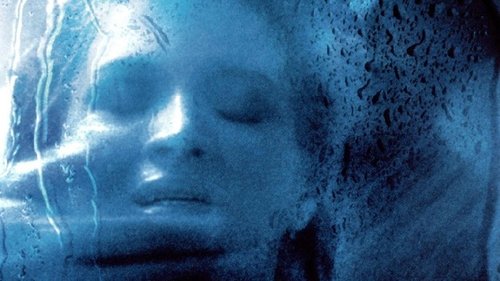
After witnessing a mysterious woman brutally slay a homemaker, prostitute Liz Blake finds herself trapped in a dangerous situation. While the police thinks she is the murderer, the real killer is intent on silencing her only witness.
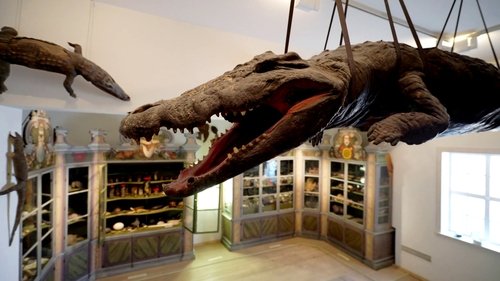
From the cabinets of curiosities created in Italy during the 16th century to the prestigious cultural institutions of today, a history of museums that analyzes the social and political changes that have taken place over the centuries.
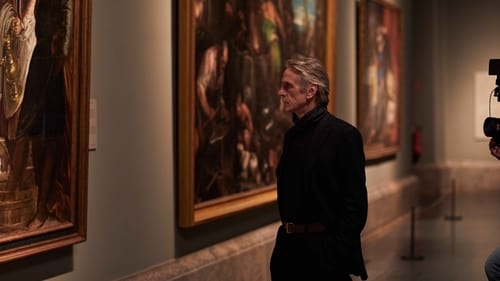
Actor Jeremy Irons embarks on an epic journey through the halls of the Prado Museum in Madrid, Spain, two hundred years after its inauguration, along corridors where thousands of masterpieces of all time tell the lives of rulers and common people, and tales about times of war and madness and times of peace and happiness; because, as Goya said, imagination, the mother of the arts, produces impossible monsters, but also unspeakable wonders.

A precocious young girl and her younger brother run away from home and hide in the Metropolitan Museum in New York.
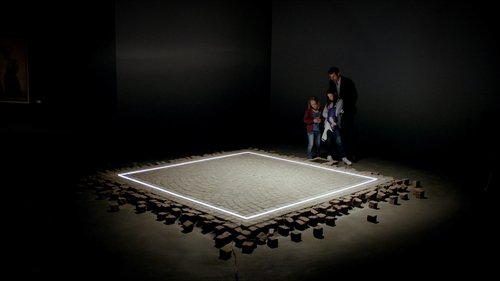
A prestigious Stockholm museum's chief art curator finds himself in times of both professional and personal crisis as he attempts to set up a controversial new exhibit.
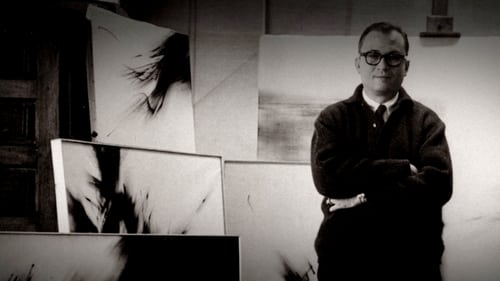
The history of how the Museum of Spanish Abstract Art of Cuenca was created. In the mid-1950s, the Spanish collector and painter Fernando Zóbel de Ayala (1924-84) becomes fascinated by the young generation of Spanish abstract artists, so he begins to collect their works to show them to the public in Toledo. Until Gustavo Torner, a young forest engineer interested in art, proposes him to visit his city, Cuenca.

A journey through four hundred paintings, all masterpieces, among the more than nine thousand treasured in the Prado Museum, Madrid, Spain.
No description available for this movie.
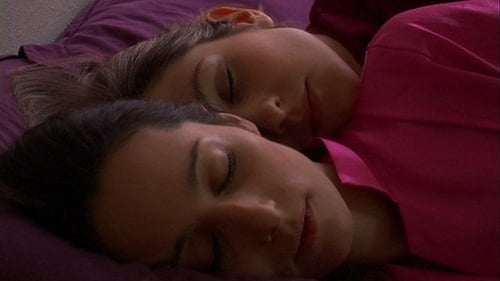
Sophie is both attracted to boys and girls. She is torn between Nicolas and Mathilde.
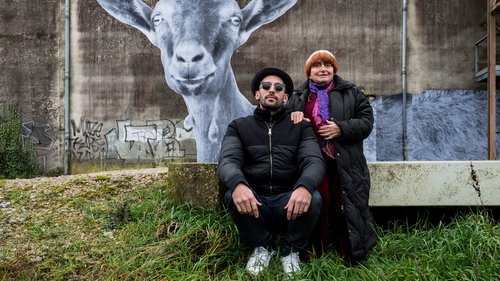
Director Agnès Varda and photographer/muralist JR journey through rural France and form an unlikely friendship.
A follow up to award winning documentary 'Herb & Dorothy', the film captures the ordinary couple's extraordinary gift of art to the nation as they close the door on their life as collectors. When Herb and Dorothy Vogel, a retired postal clerk and librarian, began collecting works of contemporary art in the 1960s, they never imagined it would outgrow their one bedroom Manhattan apartment and spread throughout America. 50 years later, the collection is nearly 5,000 pieces and worth millions. Refusing to sell, the couple launches an unprecedented gift project giving artworks to one museum in all 50 states. The film journeys around the country with the Vogels, meeting artists who are famous or unknown, often controversial, striking today's society with questions about art and its survival.
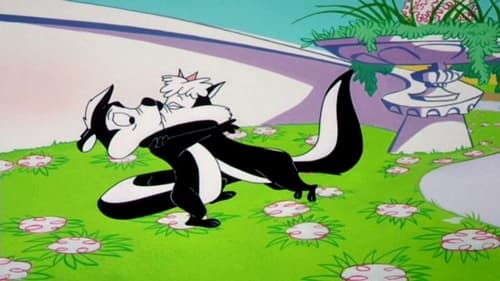
Pepe Le Pew, the eternally amorous skunk, is in Paris, where his stench sends a female cat upward to hit a freshly painted flagpole, which puts a white stripe on her back and causes Pepe to think she also is a skunk. He lustfully pursues her into the Louvre art gallery.
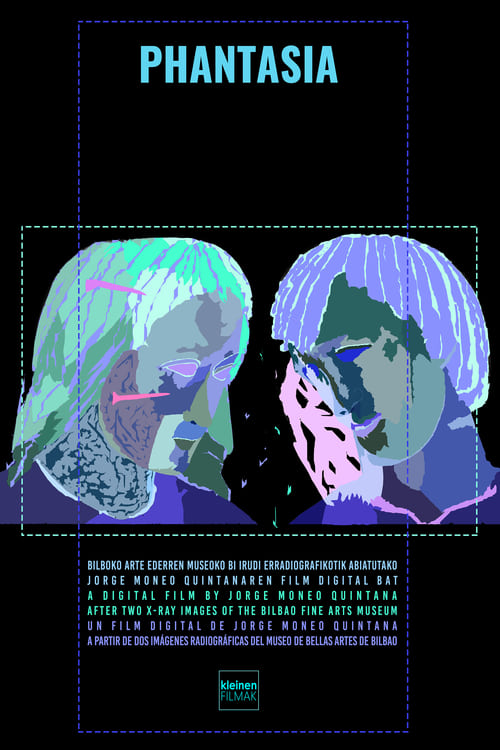
X-ray images were invented in 1895, the same year in which the Lumière brothers presented their respective invention in what today is considered to be the first cinema screening. Thus, both cinema and radiography fall within the scopic regime inaugurated by modernity. The use of X-rays on two sculptures from the Bilbao Fine Arts Museum generates images that reveal certain elements of them that would otherwise be invisible to our eyes. These images, despite being generally created for technical or scientific purposes, seem to produce a certain form of 'photogénie': they lend the radiographed objects a new appearance that lies somewhere between the material and the ethereal, endowing them with a vaporous and spectral quality. It is not by chance that physics and phantasmagoria share the term 'spectrum' in their vocabulary.