
Action
Adventure
Animation
Comedy
Crime
Documentary
Drama
Family
Fantasy
History
Horror
Music
Mystery
Romance
Science Fiction
Thriller
War
Western
Found 18 movies, 1 TV show, and 1 person
Can't find what you're looking for?
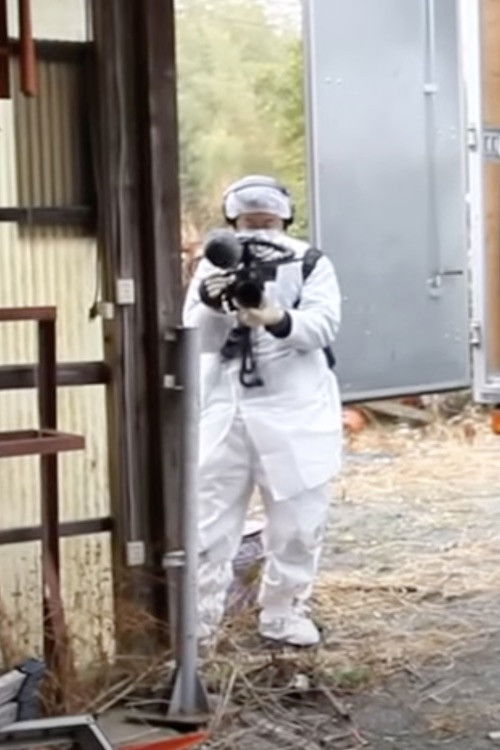
In August 2014, Ai Weiwei was invited as one of the participating artists for the Fukushima Nuclear Zone by the Japanese art coalition Chim↑Pom, as part of the project "Don't Follow the Wind". Ai accepted the invitation and sent his assistant Ma Yan to the exclusion zone in Japan to investigate the site. Ai brought about two projects, "A Ray of Hope" and "Family Album" after analyzing materials and information generated from the site.
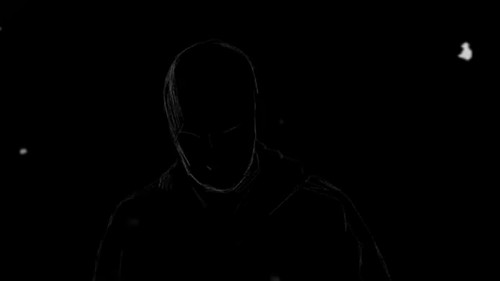
A guy struggles to finish an art project, falling into an obsession that will make him lose himself.
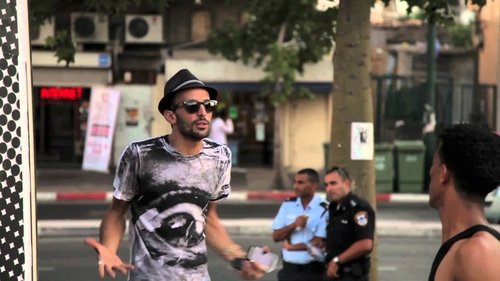
A wall can be a barrier. It can be a structure of limitation or a source of repression. For the Inside Out Project, a wall is a canvas, and so are sides of trains, the arches of bridges and the steps leading to Brooklyn brownstones. This fascinating documentary tracks the evolution of the world’s largest participatory art project, the wildly popular Inside Out. From Haiti to Tunisia, South Dakota to the streets of Paris, French artist JR motivates communities to define their most important causes by pasting giant portraits in the street, testing the limits of what they thought possible. The power of paper turns people who feel without voice into unlikely activists by empowering them with their own images.

This is one of the most comprehensive and original movies about the Chinese Contemporary Art scene. Shot on location in 798, Beijing's unique Art District where it all took shape. Project 798 New Art In New China explores Chinese society and culture along with different forms of artistic expression, ranging from oil painting to cutting-edge performance art, through the eyes of the artists themselves. With the participation of China's most acclaimed artists: Chen Wenbo, Feng Zhengjie, The Gao Brothers, He Yunchang, Hong Hao, Huang Rui, Li Songsong, Liu Xiaodong, Wang Qingsong, Yan Lei, Yu Hong, Zhang Xiaogang, Zhang Xiaotao and others.
Focuses on the visual arts programs of the New Deal, highlighting the impact on the lives and work of American artists. When President Franklin D. Roosevelt took office in 1933 during the Great Depression, nearly 10,000 artists were out of work. Over the next decade, a series of programs known as the New Deal Art Projects was developed. Under the WPA and other programs, thousands of artists were able to earn a living while devoting themselves full-time to their art.

Between Dreams and History profiles American-born artist Shimon Attie as he attempts to create an ambitious work of public art in the United States after six years of artistic and public success in Europe.
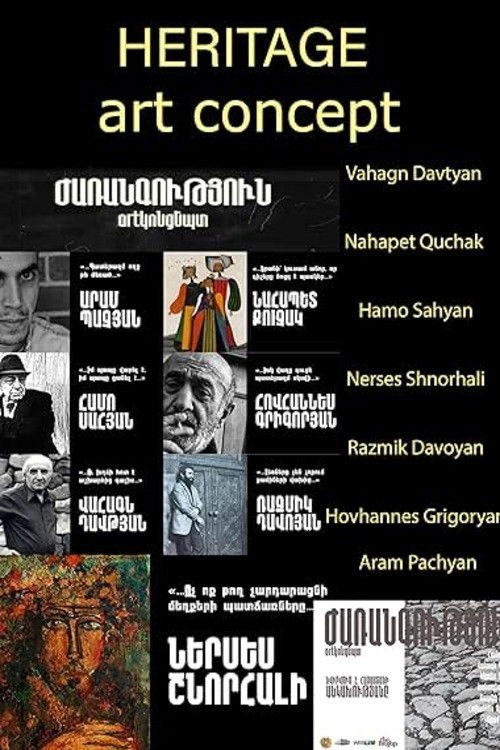
No description available for this movie.
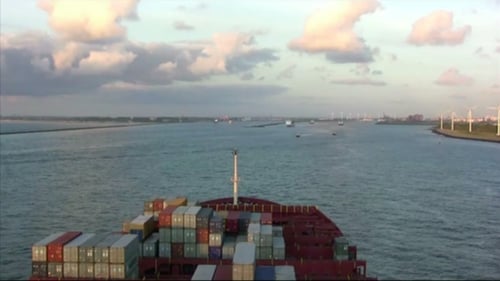
Logistics or Logistics Art Project is an experimental art film. At 51,420 minutes (857 hours or 35 days and 17 hours), it is the longest movie ever made. A 37 day-long road movie in the true sense of the meaning. The work is about Time and Consumption. It brings to the fore what is often forgotten in our digital, ostensibly fast-paced world: the slow, physical freight transportation that underpins our economic reality.

Big money artists and mega-collectors pay a high price when art collides with commerce. After a series of paintings by an unknown artist are discovered, a supernatural force enacts revenge on those who have allowed their greed to get in the way of art.
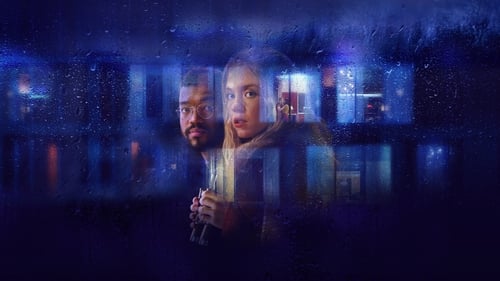
When Pippa and Thomas move into their dream apartment, they notice that their windows look directly into the apartment opposite – inviting them to witness the volatile relationship of the attractive couple across the street. But what starts as a simple curiosity turns into full-blown obsession with increasingly dangerous consequences.

Cloe, Yasmin, Jade, and Sasha must balance a school art project and preparing for prom.

Between 1993 and 1995, artist and photographer Louis Jammes took pictures of people on the streets of Sarajevo under siege and gave them angelic face and wings. Then he put his huge portraits on destroyed city walls. Suddenly, it seems as life is getting back with their arrival, because they brought a sense of peace, beauty, nostalgia...
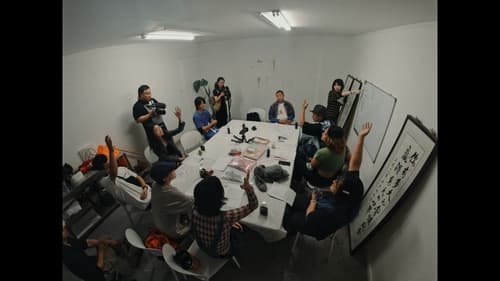
A filmmaker and rapper duo revive Michel Gondry’s “Be Kind Rewind” protocols - a set of filmmaking “rules” with which groups of strangers can conceive, shoot, and screen a film in just two and a half hours. Against the grim backdrop of the stringent Shanghai lockdown, the event soon turns into a sanctuary for individuals to forge collective dreams.
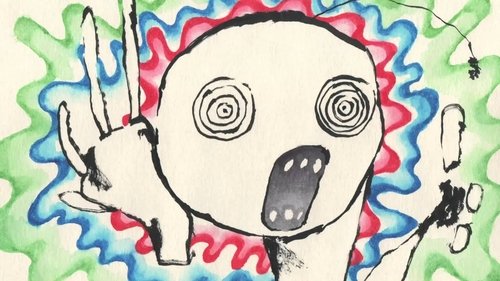
This piece takes 8 seconds, and creates intervals between the frames, and then makes them bigger. It's about expansion and enlargement, not the passage of time. 8 seconds becomes that much more luxuriant.
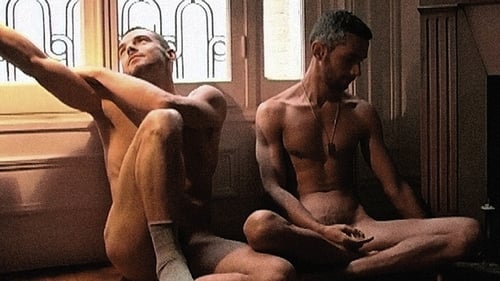
Claude Pérès pushes actor/director relationship to its breaking point by asking an actor to make love with him.
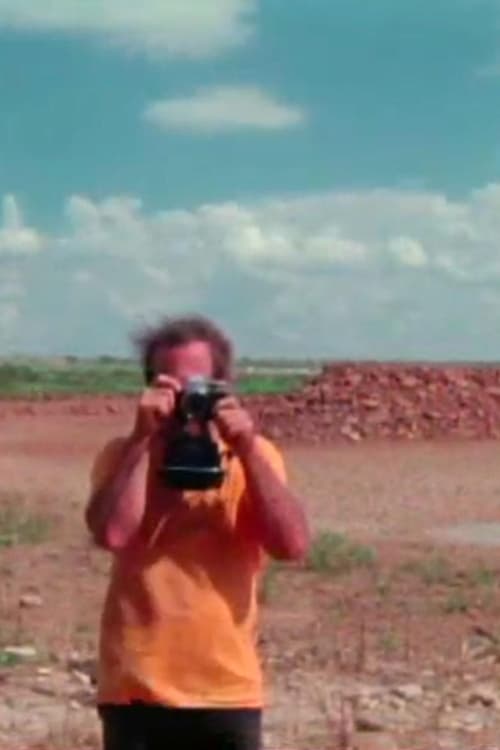
The Making of Amarillo Ramp documents the construction of Robert Smithson's earthwork Amarillo Ramp. At age thirty-five, while photographing the site of the earthwork in progress, Smithson died in a small airplane accident, along with pilot Gale Ray Rogers and photographer Robert E. Curtin. After Smithson's passing, Nancy Holt, Richard Serra, and Tony Shafrazi completed Amarillo Ramp according to Smithson's specifications. This film documents the sounds and actions of the powerful machinery necessary to create an earthwork of this scale, while underscoring the human skill and personal relationships that were integral to the completion of the work.
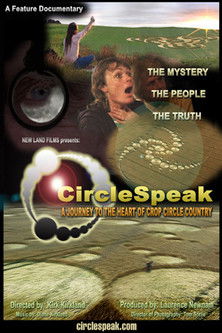
Shot in Southern England over the course of six weeks by a crew of three American filmmakers, CircleSpeak offers a nuanced look at the passions and beliefs of the people immersed in the crop circle phenomenon during the season of 2001. This feature-length documentary presents interviews with serious “researchers”, self-proclaimed “hoaxers”, local farmers and villagers who are all, in one way or another, involved in this strange and compelling summer spectacle taking place year after year.
No description available for this movie.