
Action
Adventure
Animation
Comedy
Crime
Documentary
Drama
Family
Fantasy
History
Horror
Music
Mystery
Romance
Science Fiction
Thriller
War
Western
Found 44 movies, 4 TV shows, and 3 people
Can't find what you're looking for?

The dramatic story of three great Russian avant-garde painters from the beginning of the last century – Kazimir Malevich, Pavel Filonov and Vladimir Tatlin – and their supporter, Nikolai Punin, the first post-revolution Commissar of the Hermitage and Russian Museums. They dedicated their lives to belief in the revolution and its connection to avant-garde art, but the communist regime betrayed them. The history depicted on the painted canvases reflects the tumultuous period of the 1920s and 30s in the Soviet Union, in Leningrad and in artistic circles of the time. Only with perestroika have the avant-garde paintings, stored in museum archives, again seen the light of day.
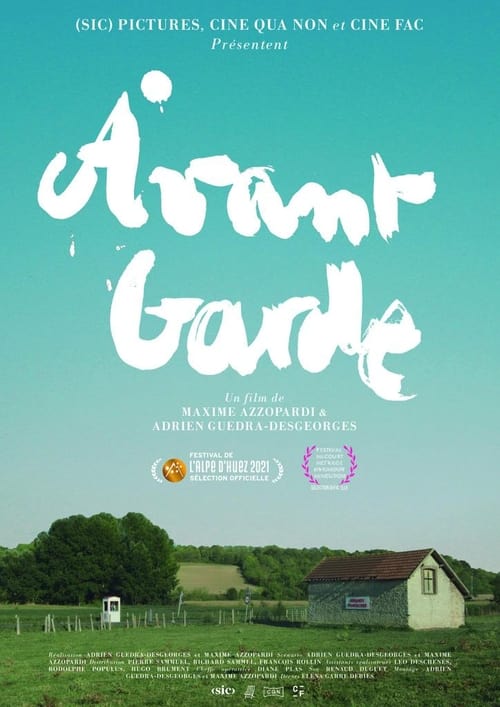
1984, Franco-German border. A Berlin gallery owner transports the flagship sculpture from his collection for a major exhibition. Faced with the object, the French customs officer hesitates: is it really a work of art?

This film is a supertemporal oeuvre. The support of the audience's participations is constitued by an image, which has varied several times during the course of many a projection. A projection by Maurice Lemaître, himself, in the soundtrack, clarifies the function of the session and finishes on a challenge thrown to the room.
Short documentary with English narration that was prepared for the Inside Out: New Chinese Art exhibition at Asia Society in New York City, which ran from September 15, 1998 to January 3, 1999.
An artist's self-portrait problematizing the choice between tradition and the avant-garde, between being free or being disciplined.
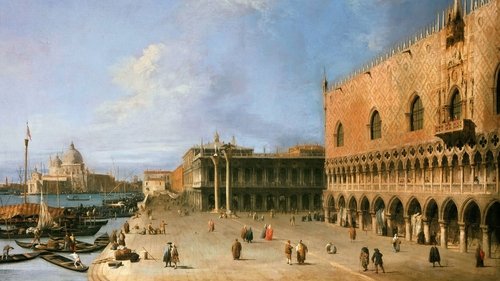
1600 years after its legendary foundation, Venice continues to be unique: the urban environment, made of stone, earth, and water, and for its legendary history. But, above all, Venice is unique for its identity as a city of oxymorons, holding together opposing DNA in a formidable contradiction: the allure of decadence, and the frenzy of the avant-garde. VENEZIA-INFINITA AVANGUARDIA is a labyrinth of stories, works of art, palaces, celebrities of social and cultural life, places, extravagances, and traditions. It's a sensory experience made of lights, water, and music. Beside connections and suggestions, testaments flow by of art historians, urbanists, sociologists, philosophers, curators, musicians, writers, journalists, artists, and our contemporaries.
Engines of the future. The true creators of the revolution. Revolutions of the spirit. The stars of the Russian avant-garde of the early 20th century managed to make a real world revolution. Their works, their ideas still influence the life of every modern person. The film will focus on the Russian avant-garde in art and literature. Vladimir Mayakovsky, Marc Chagall, Vasily Kandinsky, David Burliuk, Velimir Khlebnikov, Vladimir Tatlin and many others - they were called hooligans and rowdies from art, and they were looking for a new form for a new life. They changed everything - from painting and architecture to advertising and music. It was a challenge to the whole world, a rebellion and an attempt to create a man of the future. That is why modern young people should talk about the most revolutionary trend in art. They try on the roles of avant-gardists, evaluate situations and facts, looking into the past from the 21st century.
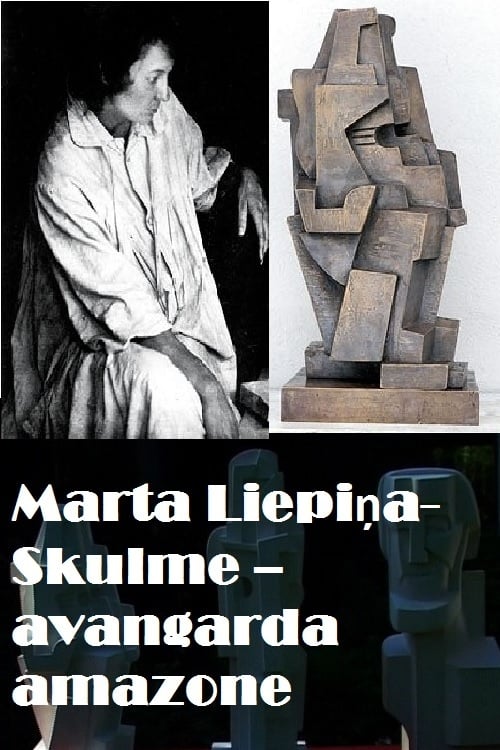
A film about the great 20th century sculptor whose work was inspired by the cubism of the 1920s, and her life story which contains all possible dramas for a creative person living in the previous century.
Thematic anthology of : Le retour a la Maison (1923) by Man Ray; Emak-Bakia (1926) by Man Ray; L'Etoile de Mer (1928) by Man Ray; Les Mysteres Du Chateau de Dé (1929) by Man Ray; Rhythmus 21 (1921) by Hans Richter; Vormittagsspuk (1928) by Hans Richter; Anemic Cinema (1926) by Marcel Duchamp; Ballet Mecanique (1924) by Fernand Léger; Le Tempestaire (1947) by Jean Epstein; Romance Sentimentale (1930) by Grigori Aleksandrov and Sergei M. Eisenstein; La Coquille et le Clergyman (1928) by Germaine Dulac; Regen (Rain) (1929) by Joris Ivens and Mannus Franken
A unique film in which an elderly man creates miracles in his daily life by playing the leading role himself. The film depicts the process of creating a mysterious world that transcends reality through the act of filming and leads to a surrealistic conclusion.
The film about Nam June Paik, the pioneer of video art, provides insight into his multifaceted artistic work and at the same time paints a biographical portrait of the Korean artist.
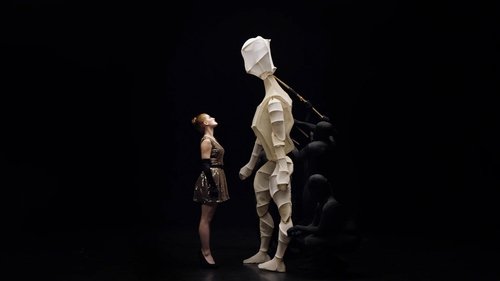
Inspired by the music of Lindsay Katt, The Avant-Gardener follows the colorful life of an artist discovering her voice. As she learns from the mistakes of her parents, she struggles to find the balance between self-expression, commitment to her lovers, and the intense drive to further her creative passion. We follow her journey as she delves deep into her subconscious, an often terrifying place, to find the answers she seeks.
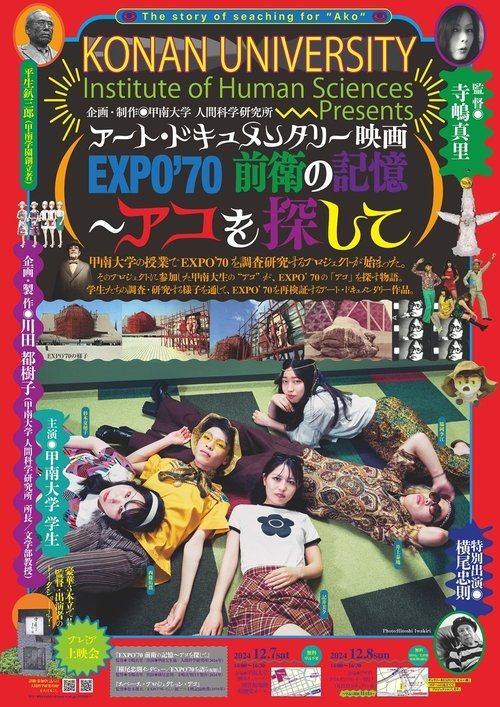
A documentary made in collaboration with students at Konan University, retracing the history of EXPO '70 and attempting to track down the actress who performed in Toshio Matsumoto's installation in the Textiles Pavilion, "Space Projection Ako." Featuring interviews with historians, scholars and artists including Yokoo Tadanori, Norio Imai, and more
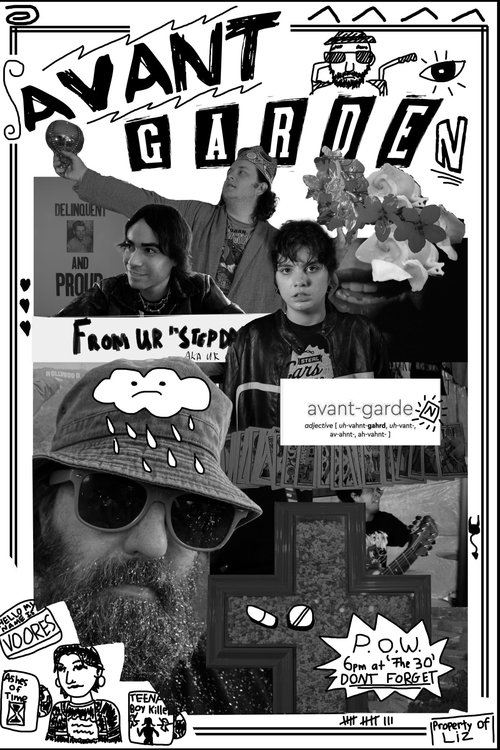
A girl returns to a town of punks and burn-outs, seeking help to cure her vegetative, elderly friend.
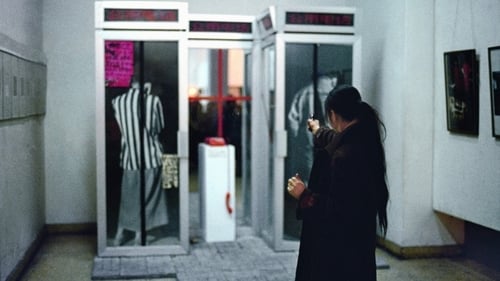
In 1989, a group of avant-garde artists who had collaborated in private for years received permission to organize their own exhibition at the National Art Museum of China. However, one of the terms was to exclude performance artists from participating. The seven artists who were left out took action. At the opening ceremony, their lives changed as the sounds of gunfire rang out.
In her three-part series VALIE EXPORT takes a look at the themes of "staged space - staged time", "real movement - movable reality", and "structural film", a genre which no longer exists on public-service television. Using numerous examples from films prepared for the specific media, for example by Wojciek Bruszewski, Malcolm LeGrice, Sergey Eisenstein, Maya Deren, Kurt Kren, Yvonne Rainer, Anne Severson, Alfred Hitchcock, Linda Christanell, Gary Beydler and Marc Adrian, narrative and non-narrative forms of story-telling are examined and compared. Adrian appears in a live interview, and he attempts to explain the conditions of production, methods and Zeitgeist through his own work, including his first computer film, Random (1963). The advanced level of this film is also indicated by the high density of theoretical quotes from Christian Metz, Charles S. Peirce, Vsevolod I. Pudovkin and Ferdinand de Saussure.
Short Experimental - Art - Film discovers the French Revolution and its values and expressing abstractly its dissemination via body, materials, and history. Thoughts, Secrets, and even Evils of Marie Antoinette and the Rebels are reflected.
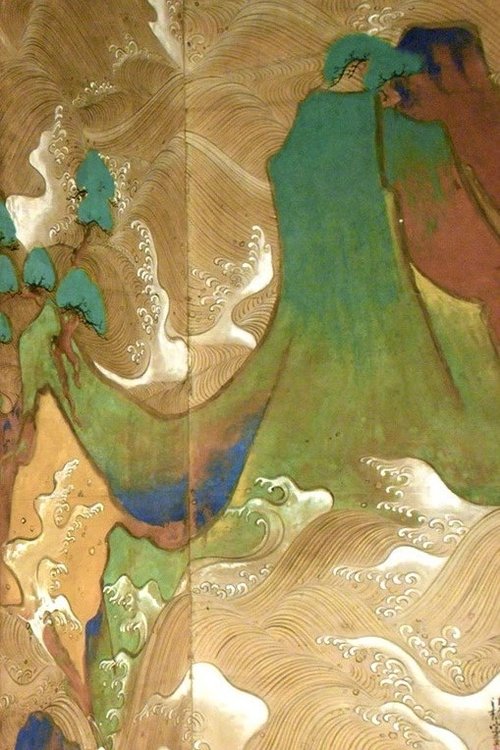
Edo Avant-Garde reveals the pivotal role Japanese artists of the Edo era (1603 – 1868) played in setting the stage for the “modern art” movement in the West. During the Edo era, while a pacified Japan isolated itself from the world, audacious Japanese artists innovated stylization, abstraction, minimalism, surrealism, geometric composition and the illusion of 3-D. Their elegant originality is most striking in images of the natural world depicted on folding screens and scrolls by Sotatsu, Korin, Okyo, Rosetsu, Shohaku and many others who left their art unsigned.
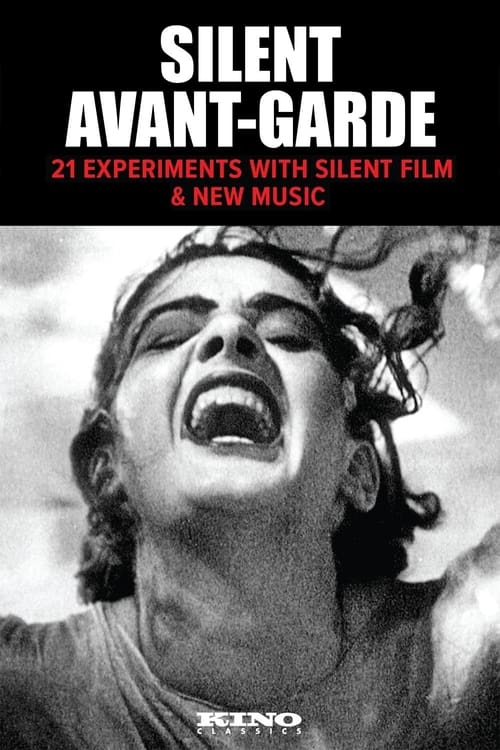
SILENT AVANT-GARDE offers an essential collection of 21 short art film experiments in HD to 5K scans made from 35mm and 16mm picture elements. Highlights include brand new digital restorations of classic experimental films, The Enchanted City (1922), Return to Reason (1923), Ballet Mechanique (1924, 1931), The Twenty-Four Dollar Island (1925), Eisenstein Mexican Footage (1930), Escape, Synchromy No. 4 (1938), The Eclipse (1936-1949), Look Park (1973), and Tenga fe (2022). Each film features a brilliant accompaniment of original silent film music specially prepared, composed, improvised and/ or performed by a master of experimental new music. SILENT AVANT-GARDE desires to focus on the creative possibilities of image, sound, and silence used in American-made experimental films of the 20th century.
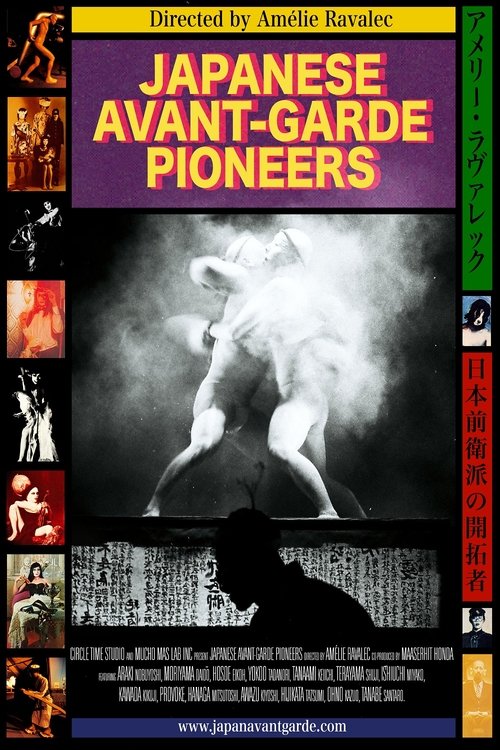
Amidst the profound social change and political turmoil of post-war Japan, a bold generation of avant-garde artists and photographers emerged in the 1960s, forever transforming the global art landscape.
In support of experiences that are essentially common, but to which language does not easily adhere, the video passes through places that are both themselves, and stand-ins for others. The title is taken from Aleister Crowley’s 1918 translation of the "Tao Te Ching."
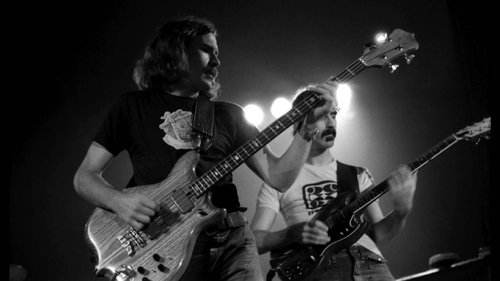
This episode focuses on Zappa's early 70s albums, Overnight Sensation (1973) and Apostrophy (') (1974). Together they encapsulate Zappa's extraordinary musical diversity and were also the 2 most commercially successful albums that he released in his prolific career. Included are interviews, musical demonstrations, rare archive & home movie footage, plus live performances to tell the story behind the conception and recording of these groundbreaking albums. Extras include additional interviews and demonstrations not included in the broadcast version, 2 full performances from the Roxy in 1973 and Saturday Night Live in 1976, and new full live performance done specially for these Classic Albums.
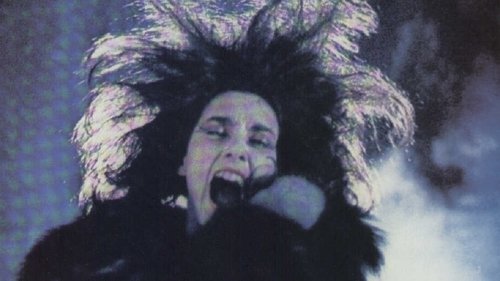
Rock musical adaptation of William Shakespeare's "A Midsummer Night's Dream".
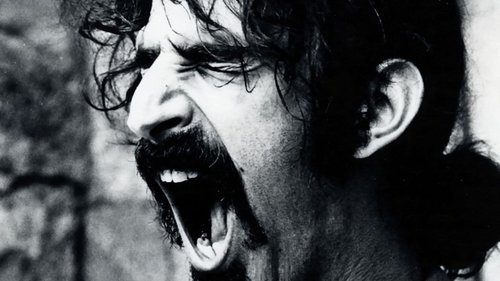
Frank Zappa and his band in a digitally recorded live performance at "The Pier" in New York, NY on August 26, 1984.

SEELE orders an all-out attack on NERV, aiming to destroy the Evas before Gendo can advance his own plans for the Human Instrumentality Project. Shinji is pushed to the limits of his sanity as he is forced to decide the fate of humanity.
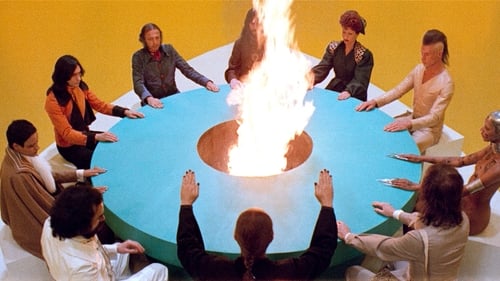
The Alchemist assembles together a group of people from all walks of life to represent the planets in the solar system. The occult adept's intention is to put his recruits through strange mystical rites and divest them of their worldly baggage before embarking on a trip to Lotus Island. There they ascend the Holy Mountain to displace the immortal gods who secretly rule the universe.
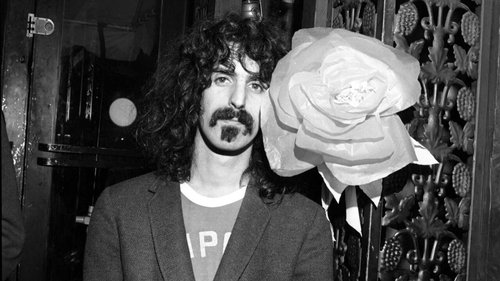
Utilizing potent TV interviews and many forgotten performances from his 30-year career, we are immersed into Frank Zappa’s world while experiencing two distinct facets of his complex character. At once Zappa was both a charismatic composer who reveled in the joy of performing and, in the next moment, a fiercely intelligent and brutally honest interviewee whose convictions only got stronger as his career ascended.
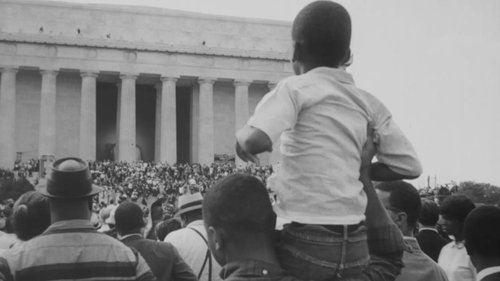
"This film explores how freedom of speech — including dissent — is afforded to all Americans, and shows freedom of expression in art, music, dance, architecture, and science. The film also emphasizes the importance of the individual’s contribution to the whole of society and demonstrates how a productive and creative society is formed by the open and respectful exchange of ideas. The film was written, produced, and directed by William Greaves" (National Archives).
Frank Zappa: Phase Two is a 2002 documentary about Frank Zappa. It features a lot of footage from Scheffer's previous film, but new material from Malcolm McNab's private achive.
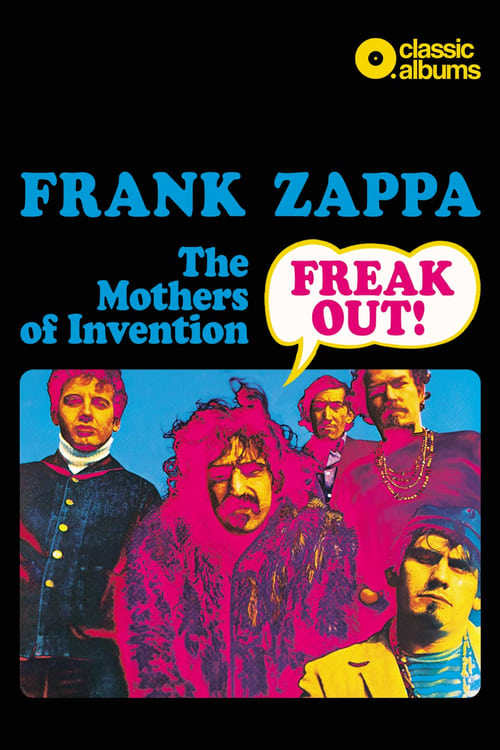
This programme tells the story behind the conception, recording and release of this groundbreaking album. By use of interviews, musical demonstration, performance, archive footage and returning to the multi tracks with Ahmet Zappa and Joe Travers we discover how Frank Zappa and The Mothers of Invention created the album with the help of legendary African- American producer Tom Wilson.
The intense and twisted relationship between a man and a woman in a bizarre wilderness, as a seductress accompanies a gunslinger fleeing from a posse.
A quasi-sequel to Michel Houellebecq's novel The Possibility of an Island, Masbedo's short presents a post-apocalyptic landscape overseen by a distant mother nature or perhaps mother of nature portrayed by French icon Juliette Binoche.
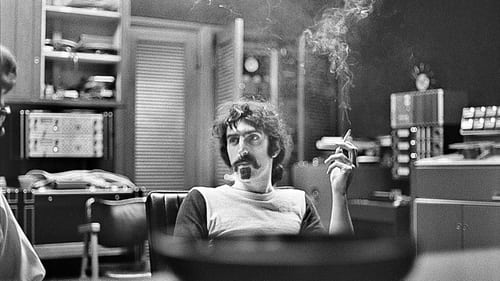
After disbanding the original Mothers of Invention in '69, Frank Zappa unleashed a second incarnation of the band by '70. This film focuses on the sophomore Mothers and this often-overlooked period in Zappa's career. Featuring rare footage, exclusive interviews, and contributions from many who worked with him, which all at once provide for the first film to tackle this phase in the Zappa legend

Tracklisting: 1. Pound for a Brown 2. Baby Snakes 3. Deathless Horsie 4. Dancin' Fool 5. Easy Meat 6. Honey Don't You Want A Man Like Me 7. Keep It Greasey 8. Why Does It Hurt When I Pee? 9. Sofa #2 10. Vinnie's Seal Call Fusion Music 11. Bobby Brown 12. Conehead 13. Dead Air/I'm On Duty 14. St. Alphonzo's Pancake Breakfast 15. Father Oblivion 16. Rollo 17. Bamboozled Outro
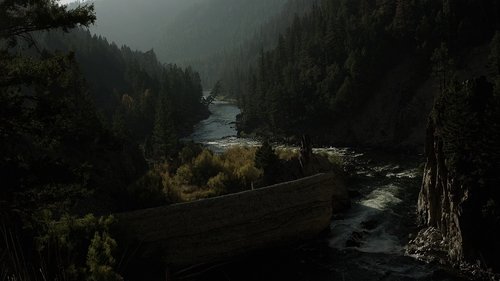
Visionary artist Matthew Barney returns to cinema with this 3-part epic, a radical reinvention of Norman Mailer’s novel Ancient Evenings. In collaboration with composer Jonathan Bepler, Barney combines traditional modes of narrative cinema with filmed elements of performance, sculpture, and opera, reconstructing Mailer’s hypersexual story of Egyptian gods and the seven stages of reincarnation, alongside the rise and fall of the American car industry.
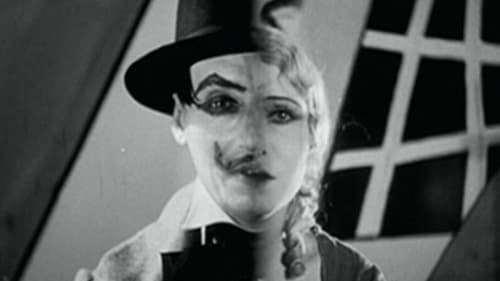
While playing his trombone one Sunday, the enthusiastic Zero sees Beatrix and falls in love. He returns the next week to express his feelings, and it's mutual. Over the next few months, they spoon, kiss, and find happiness. Then, she receives a letter from Kabul, demanding that she return to the palace of the Grand Vizier. The lovers part, heartbroken. Zero tries expressing himself to a woman on the street. He meets derision. Then, news of Beatrix. Does this romance end in smiles or tears?
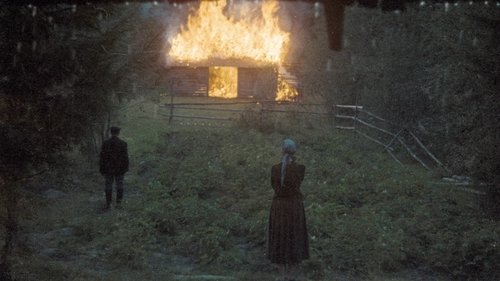
A dying man in his forties recalls his childhood, his mother, the war and personal moments that tell of and juxtapose pivotal moments in Soviet history with daily life.
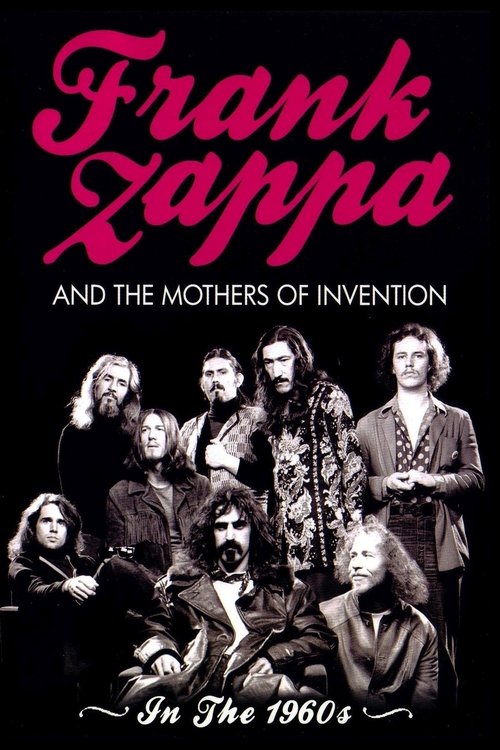
Here's the most detailed, informative, fascinating Zappa & the Mothers doc yet! Their restless experimentation and agitated social satire come into sharper focus as music journalists and Zappa biographers chime in with Zappa's bandmates and as you watch rare '60s performances and interviews.
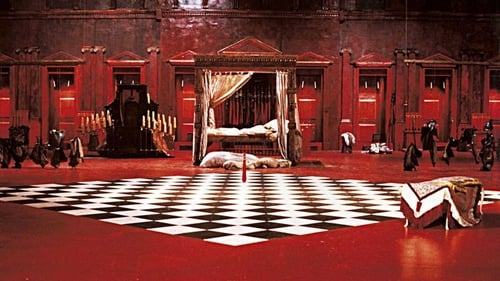
Set halfway through the 17th century, a church play is performed for the benefit of the young aristocrat Cosimo. In the play, a grotesque old woman gives birth to a beautiful baby boy. The child's older sister is quick to exploit the situation, selling blessings from the baby, and even claiming she's the true mother by virgin birth. However, when she attempts to seduce the bishop's son, the Church exacts a terrible revenge.
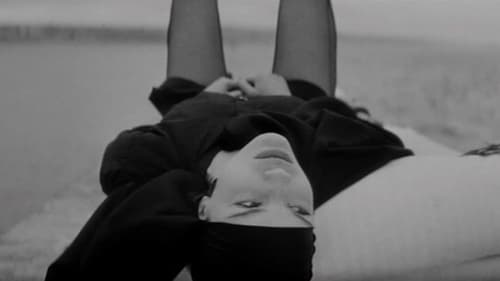
30 year old child enters the new city, riding on a donkey. He says he is the Savior. He has spent no time among men. He is trembling with cold. His clothes are soaked. His mother was overprotective ; his father conspicuously absent. He knows that he must face the mockery, refusal, ignorance and blindness of the men around him. They travel in gangs, in large numbers : soldiers, mercenaries or the like, on majestic, imposing horses. Everything is out of proportion to his thin, bewildered, innocent body ; he is the madman of the new city...
With the core members Shin Sasakubo and Daisuke Aoki, as well as a revolving set of members depending on the contents of the work, the CHICHIBU AVANT-GARDE art collective engages in expressive activities such as music, film, art, photography, writing, and theater. Filmed in 8 mm film there is a distinctive color and texture, and a seemingly nostalgic impression from the land pattern of Chichibu that is the stage, but it has an unknown sense of apprehension. A variety of emotions and scenes come to light, such as a sense of frustration, relief or fear, some kind of madness, or warmth.
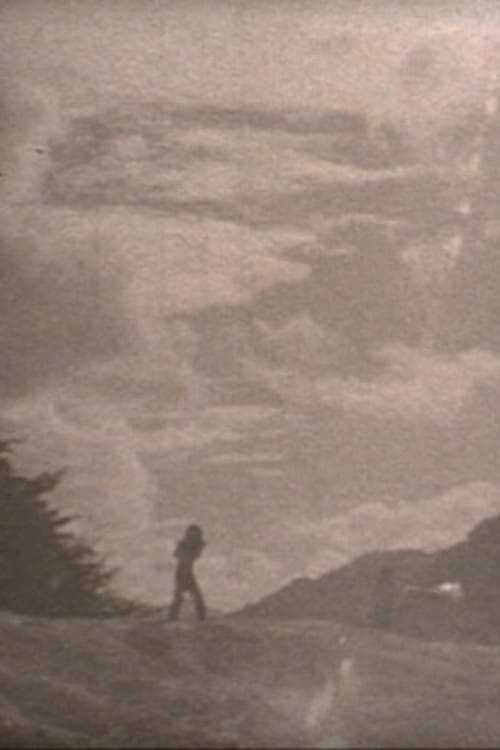
With the core members Shin Sasakubo and Daisuke Aoki, as well as a revolving set of members depending on the contents of the work, the CHICHIBU AVANT-GARDE art collective engages in expressive activities such as music, film, art, photography, writing, and theater. Filmed in 8 mm film there is a distinctive color and texture, and a seemingly nostalgic impression from the land pattern of Chichibu that is the stage, but it has an unknown sense of apprehension. A variety of emotions and scenes come to light, such as a sense of frustration, relief or fear, some kind of madness, or warmth.

Irene, grieving the loss of her parents and yearning for their affection, begins a journey filled with life lessons. Along the way, she meets Andi, who teaches her the importance of self-reliance as the ultimate source of support in life.
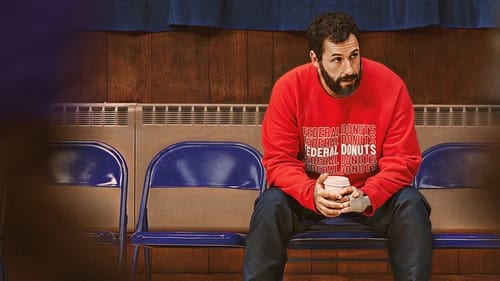
After discovering a once-in-a-lifetime player with a rocky past abroad, a down on his luck basketball scout takes it upon himself to bring the phenom to the States without his team's approval. Against the odds, they have one final shot to prove they have what it takes to make it in the NBA.