
Action
Adventure
Animation
Comedy
Crime
Documentary
Drama
Family
Fantasy
History
Horror
Music
Mystery
Romance
Science Fiction
Thriller
War
Western
Found 42 movies, 2 TV shows, and 5 people
Can't find what you're looking for?
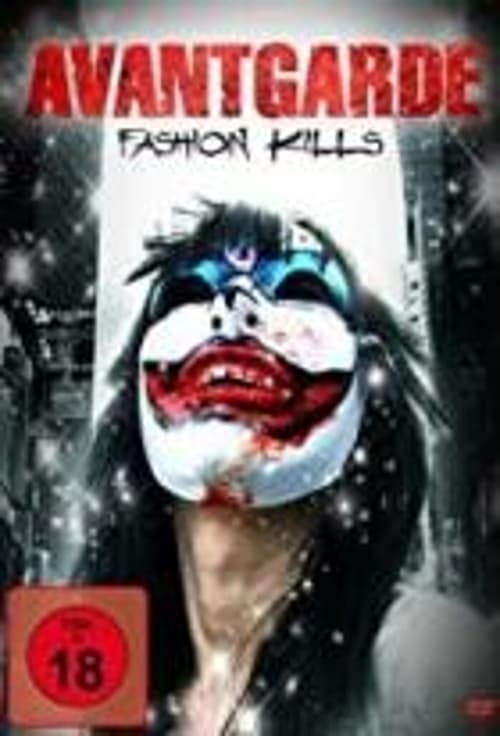
High Society darling and world famous fashion designer Donna Sciavelli knows no boundaries when it comes to new ways of extending her own fame through pleasing her spoiled clients with new "groundbreaking shows, ideas and creations" and New York's high society follows her blindly - not willing or not capable of realizing the true extent of Donna's self staging frenzy.
1984, Franco-German border. A Berlin gallery owner transports the flagship sculpture from his collection for a major exhibition. Faced with the object, the French customs officer hesitates: is it really a work of art?

After the fall of the Berlin wall, much changed in Yugoslavia, that is now ex-Yugoslavia; a post industrial, post modern, post national, post colonial, post structural society, that can be perhaps summarized in the concept of post socialism? The disintegration of the concept of ideology means that notions are no longer clear. Because we think that we are outside an ideological context, but perhaps we ourselves are the centre of the ideology. It is this idea that corresponds with the thoughts about post socialism in the nineties, and probably the post ideological society of late capitalism as well. The end of the ideological period then perhaps seems imminent. These thoughts are considered in this philosophical media reflection, based on documentary fragments, statements by Peter Weibel and Slavoj Zizek and the works of three artists: Mladen Stilinovic (Zagreb), "Kasimir Malevich" (pseudonym, Belgrade) and IRWIN (Ljubljana).
Recorded live at the König Pilsner Arena Oberhausen, 2007

The dramatic story of three great Russian avant-garde painters from the beginning of the last century – Kazimir Malevich, Pavel Filonov and Vladimir Tatlin – and their supporter, Nikolai Punin, the first post-revolution Commissar of the Hermitage and Russian Museums. They dedicated their lives to belief in the revolution and its connection to avant-garde art, but the communist regime betrayed them. The history depicted on the painted canvases reflects the tumultuous period of the 1920s and 30s in the Soviet Union, in Leningrad and in artistic circles of the time. Only with perestroika have the avant-garde paintings, stored in museum archives, again seen the light of day.
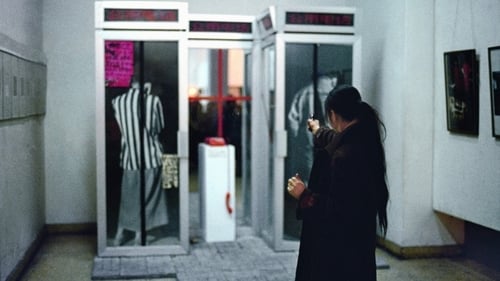
In 1989, a group of avant-garde artists who had collaborated in private for years received permission to organize their own exhibition at the National Art Museum of China. However, one of the terms was to exclude performance artists from participating. The seven artists who were left out took action. At the opening ceremony, their lives changed as the sounds of gunfire rang out.
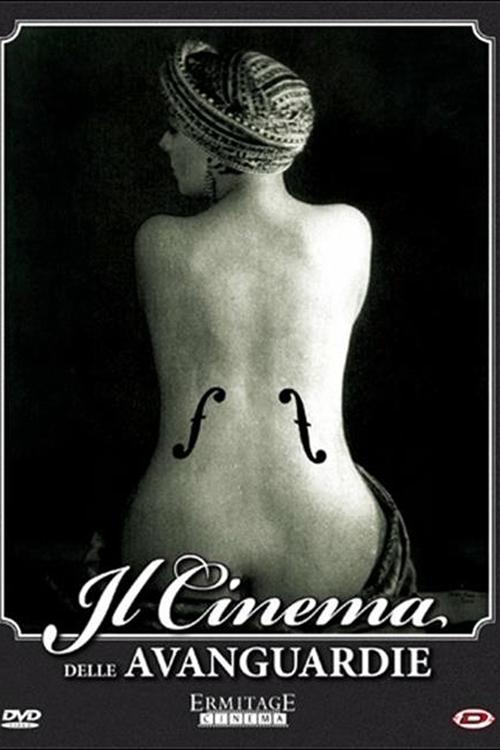
Thematic anthology of : Le retour a la Maison (1923) by Man Ray; Emak-Bakia (1926) by Man Ray; L'Etoile de Mer (1928) by Man Ray; Les Mysteres Du Chateau de Dé (1929) by Man Ray; Rhythmus 21 (1921) by Hans Richter; Vormittagsspuk (1928) by Hans Richter; Anemic Cinema (1926) by Marcel Duchamp; Ballet Mecanique (1924) by Fernand Léger; Le Tempestaire (1947) by Jean Epstein; Romance Sentimentale (1930) by Grigori Aleksandrov and Sergei M. Eisenstein; La Coquille et le Clergyman (1928) by Germaine Dulac; Regen (Rain) (1929) by Joris Ivens and Mannus Franken
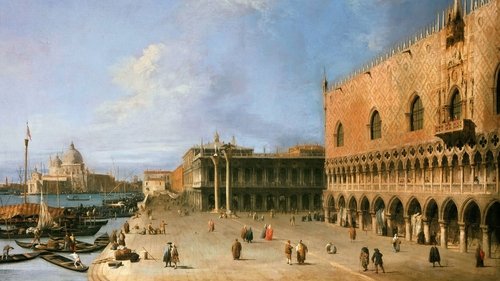
1600 years after its legendary foundation, Venice continues to be unique: the urban environment, made of stone, earth, and water, and for its legendary history. But, above all, Venice is unique for its identity as a city of oxymorons, holding together opposing DNA in a formidable contradiction: the allure of decadence, and the frenzy of the avant-garde. VENEZIA-INFINITA AVANGUARDIA is a labyrinth of stories, works of art, palaces, celebrities of social and cultural life, places, extravagances, and traditions. It's a sensory experience made of lights, water, and music. Beside connections and suggestions, testaments flow by of art historians, urbanists, sociologists, philosophers, curators, musicians, writers, journalists, artists, and our contemporaries.
This film is a supertemporal oeuvre. The support of the audience's participations is constitued by an image, which has varied several times during the course of many a projection. A projection by Maurice Lemaître, himself, in the soundtrack, clarifies the function of the session and finishes on a challenge thrown to the room.

A documentary made in collaboration with students at Konan University, retracing the history of EXPO '70 and attempting to track down the actress who performed in Toshio Matsumoto's installation in the Textiles Pavilion, "Space Projection Ako." Featuring interviews with historians, scholars and artists including Yokoo Tadanori, Norio Imai, and more
Short documentary with English narration that was prepared for the Inside Out: New Chinese Art exhibition at Asia Society in New York City, which ran from September 15, 1998 to January 3, 1999.
In her three-part series VALIE EXPORT takes a look at the themes of "staged space - staged time", "real movement - movable reality", and "structural film", a genre which no longer exists on public-service television. Using numerous examples from films prepared for the specific media, for example by Wojciek Bruszewski, Malcolm LeGrice, Sergey Eisenstein, Maya Deren, Kurt Kren, Yvonne Rainer, Anne Severson, Alfred Hitchcock, Linda Christanell, Gary Beydler and Marc Adrian, narrative and non-narrative forms of story-telling are examined and compared. Adrian appears in a live interview, and he attempts to explain the conditions of production, methods and Zeitgeist through his own work, including his first computer film, Random (1963). The advanced level of this film is also indicated by the high density of theoretical quotes from Christian Metz, Charles S. Peirce, Vsevolod I. Pudovkin and Ferdinand de Saussure.
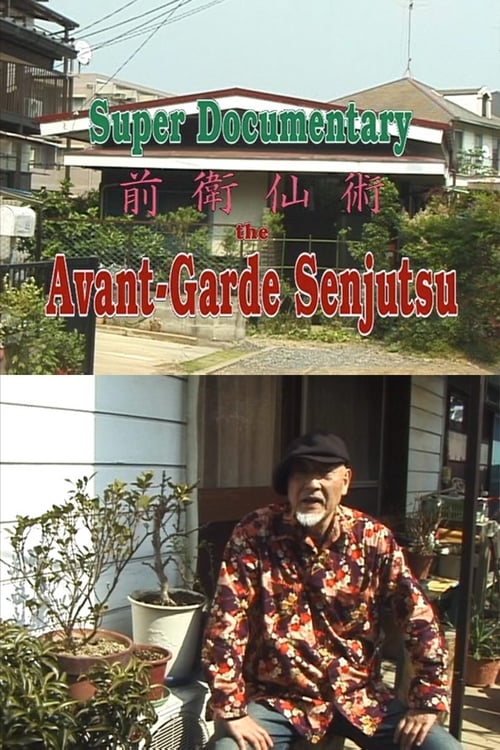
A unique film in which an elderly man creates miracles in his daily life by playing the leading role himself. The film depicts the process of creating a mysterious world that transcends reality through the act of filming and leads to a surrealistic conclusion.
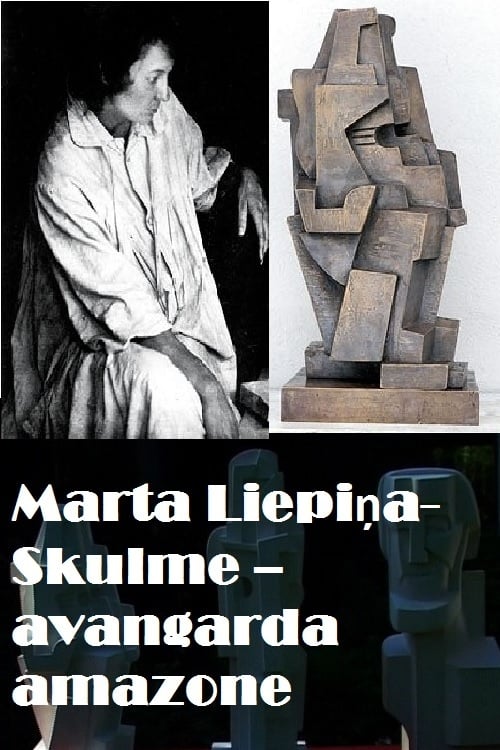
A film about the great 20th century sculptor whose work was inspired by the cubism of the 1920s, and her life story which contains all possible dramas for a creative person living in the previous century.
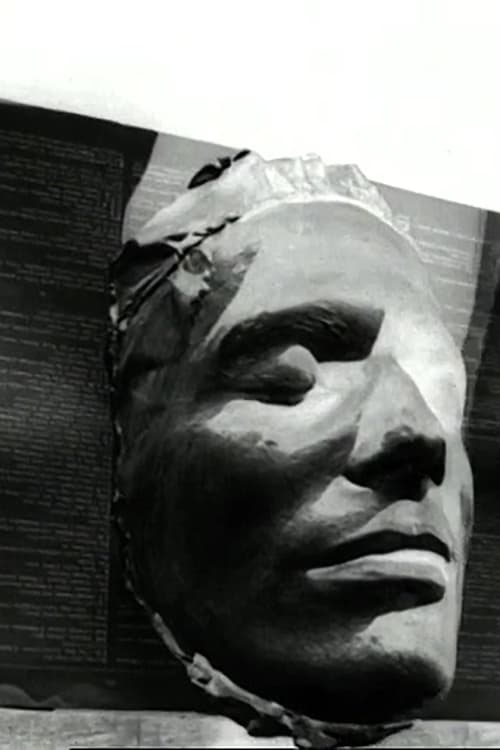
An artist's self-portrait problematizing the choice between tradition and the avant-garde, between being free or being disciplined.
Engines of the future. The true creators of the revolution. Revolutions of the spirit. The stars of the Russian avant-garde of the early 20th century managed to make a real world revolution. Their works, their ideas still influence the life of every modern person. The film will focus on the Russian avant-garde in art and literature. Vladimir Mayakovsky, Marc Chagall, Vasily Kandinsky, David Burliuk, Velimir Khlebnikov, Vladimir Tatlin and many others - they were called hooligans and rowdies from art, and they were looking for a new form for a new life. They changed everything - from painting and architecture to advertising and music. It was a challenge to the whole world, a rebellion and an attempt to create a man of the future. That is why modern young people should talk about the most revolutionary trend in art. They try on the roles of avant-gardists, evaluate situations and facts, looking into the past from the 21st century.
The Making of an Avant-Garde presents the creation and existence of the IAUS in the architectural, cultural, and political climate of the time, from the anti-War riots, the Women's Movement to the Paris May '68 revolution and the crime ridden and the bankrupt New York City of the 70's, through rich and abundant footage. The Institute, founded in 1967 with close ties to The Museum of Modern Art, made New York the global center for architectural debate and redefined architectural discourse in the United States. A place of immense energy and effervescence, its founders and participants were young and hardly known at the time but would ultimately become some of the most influential figures in the field shaping architectural practice and theory for decades. The Institute became the most significant and energetic crossroad in the path of rethinking architecture and the city and it's influence is still felt today.
With participation of John Cage, Earle Brown, David Tudor, Gordon Mumma, David Behrman, Max Neuhaus, Morton Subotnik, Phil Corner, Joe Jones, Alvin Lucier, Steve Reich, Philip Glass, Ben Patterson, Wolf Rosenberg In 1971 we produced, in association with West German Television, a documentation on New York’s musical avant-garde. It was broadcast only in Germany at the time. By 2010, after nearly 40 years, it seemed desirable to recycle the performances and interviews with the composers and to create a revealing look back to those years for English-speaking New Music fans. The film offers valuable insights into the nature and issues of advanced composition at the beginning of the 1970s.
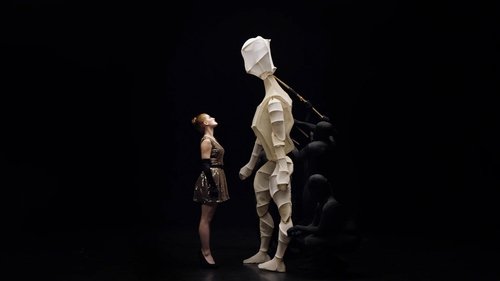
Inspired by the music of Lindsay Katt, The Avant-Gardener follows the colorful life of an artist discovering her voice. As she learns from the mistakes of her parents, she struggles to find the balance between self-expression, commitment to her lovers, and the intense drive to further her creative passion. We follow her journey as she delves deep into her subconscious, an often terrifying place, to find the answers she seeks.
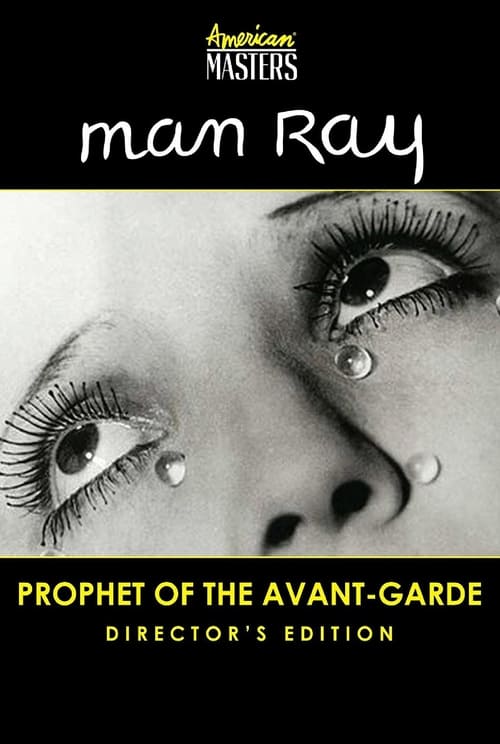
Man Ray, the master of experimental and fashion photography was also a painter, a filmmaker, a poet, an essayist, a philosopher, and a leader of American modernism. Known for documenting the cultural elite living in France, Man Ray spent much of his time fighting the formal constraints of the visual arts. Ray’s life and art were always provocative, engaging, and challenging.

Alexander Scriabin (1872–1915) born in Moscow, was an innovative, mystical, avant-garde Russian pianist and composer. This film explores Scriabin’s profound vision of art's unity — where music, movement, light and colour merge to create transcendent experiences. Some claim Scriabin pioneered atonality before Schoenberg. Key works: Poème, Op. 32 No. 1 (1903) and Vers la flamme, Op. 72 (1914). Featuring commentary from esteemed musicians like Eduard Artemyev, Vladimir Ashkenazy and Vladimir Horowitz, Artist: Hermann Nitsch, conductor Mikhail Pletnev and insights from Scriabin’s daughter: Marina Scriabine, this documentary offers a unique glimpse into the life and works of one of music’s most enigmatic figures. Shot across stunning locales in Switzerland, Italy and Russia, enriched with Scriabin’s own writings and rare archival materials. The highlight includes a historic recording of Scriabin himself, playing his Poem Op. 32 No. 1 on a Welte Mignon player-piano, recorded in 1908.
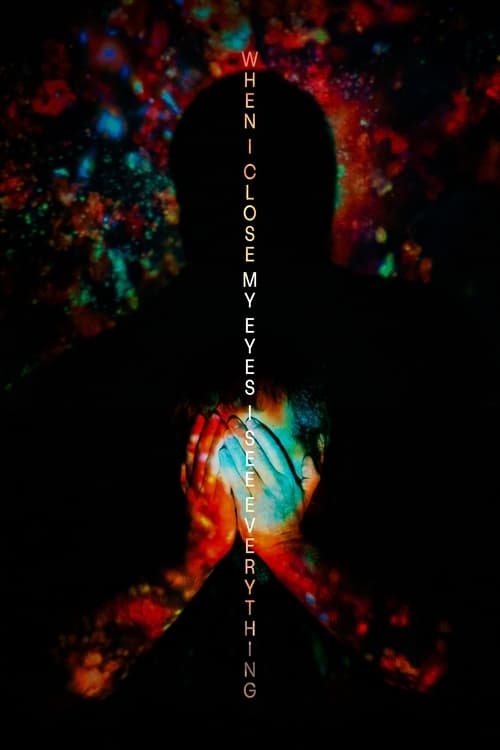
A Sunday walk in a forest turns into a poetic journey on perception.
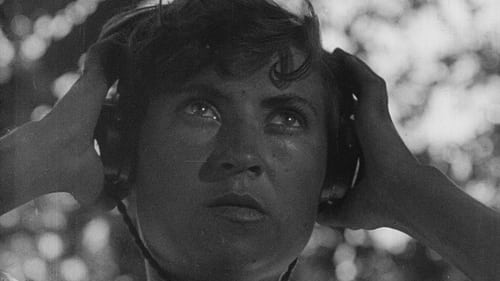
An audiovisual symphony that delves into the industrial, agrarian, and cultural fabric of the Donbas region during the inaugural Soviet Five Year Plan. It spotlights anti-religious campaigns, propagandistic marches, and the vibrant athletic culture of its time
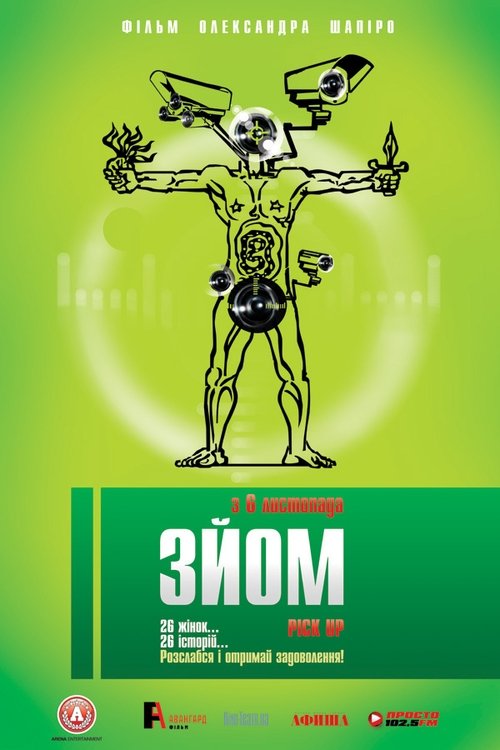
A series of 26 short stories, each featuring a protagonist intent on meeting someone at a Kyiv nightclub. These stories depict a real-life scenario of club encounters, where the goal is to “pick up” - achieve sexual satisfaction swiftly for the thrill of it - all captured by a hidden camera.

A ritual of grids, reflections and chasms; a complete state of entropy; a space that devours itself; a vertigo that destroys the gravity of the Earth; a trap that captures us inside the voids of the screen of light: «That blank arena wherein converge at once the hundred spaces» (Hollis Frampton).
My Weekend features sophisticated techniques of film tape processing and a creative poetic narrative about freedom.
No description available for this movie.
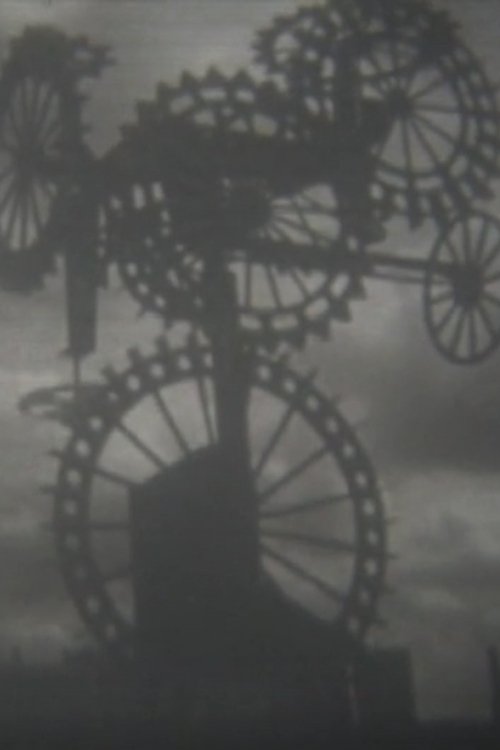
Sky and walls, a liana of water pipes, dilapidated backyards, cracks in walls, cracked walls full of lost, enigmatic children's signs, rusty railway station grounds, deserts, within them the figures, not conformed to the environment in their sightlessness and obsessive deformation to themselves. clinging to legalities of mechanisms that had become senseless and fused with them, that had perhaps once served them, hovering as if in a dream of condensed emptiness, without moving from the spot, they stumbled and rolled with the machines through sun-hardened, burnt-down landscapes, deflected only by objects, by congealed meteorites.
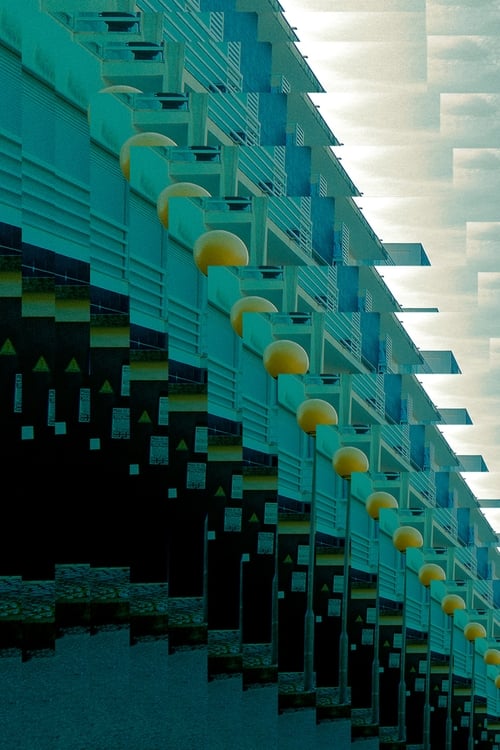
The corner of a street is matched and mixed with the chant of a bird recorded on that same street. A symbiotic relationship is triggered: the rapid and successively repetitive montage cuts between the image of the street and the corners of the video frame itself produce new textures and shapes in our brain, whilst the sound follows the same rhythmic movements by emphasizing different “corners” (frequencies) from the bird’s singing. The energetic potency stemming from the junction of these elements creates a new image that is almost tactitle, maleable and rippling. The result is a somewhat humorous operation of the portuguese word "corner" throughout the different stages of making the piece, finally unveiling a piercing physical and kinetic experience for all the corners of our eyes and ears.
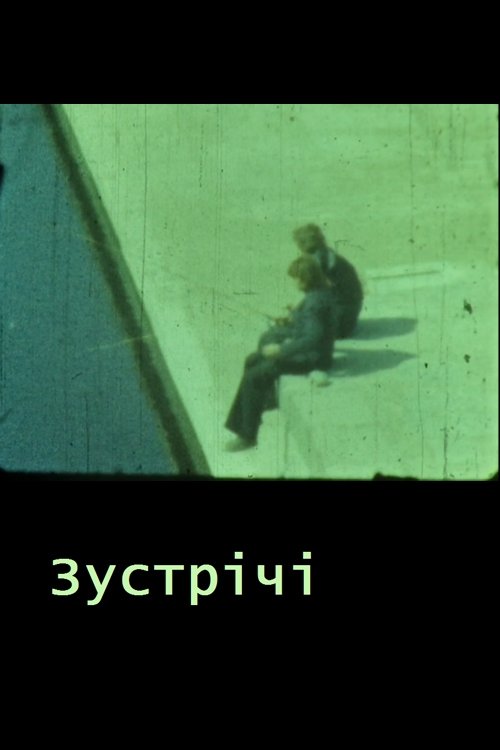
A spy film, which resulted from shooting a friends’ meeting with a hidden camera. Having persuaded his acquaintances to play a trick on his friends he was supposed to meet at the railway station in Vilnius, the filmmaker hires a taxi to film his experiment from the car.

An adventure detective film by Orest Bachmaha, a person with multiple characteristics. He is a creator in many senses. A film amateur, an artist, a photographer, a poet, and a master trying to create on his own the things he uses. He was born and lives in Vynnyky. Most of his life, he has worked as a photographer and a decorator for exhibitions in Lviv Art Gallery. At some point in time, Orest Bachmaha got enthusiastic about filmmaking and developed an 8mm camera. However, he failed to complete it as the cinefilm changed the format to Super8. Also, he built several modifications for film projects, with all the details and the incorporated audio block.

A careful observation of changes in the life cycles of flora and fauna that occur in the garden near his house in Vynnyky. The structure of the film is based on the change of seasons. Accordingly, filming and work lasted all year round. Originally silent, in 2020, Regina Zheleznyakova (Regina Collage) and Pavlo Olefirenko (Pilikayu) wrote music for it.

Poetic and romantic amateur footage of a young couple in a garden, as well as their travels — several spliced films with different plots were stored on one reel. The film includes the author's audio commentary.

An Imperial Message is a 1975 Hungarian experimental film directed by László Najmányi. The 'story' was based on Franz Kafka's short story Eine kaiserliche Botschaft.
Amateur footage of a young couple on a trip.
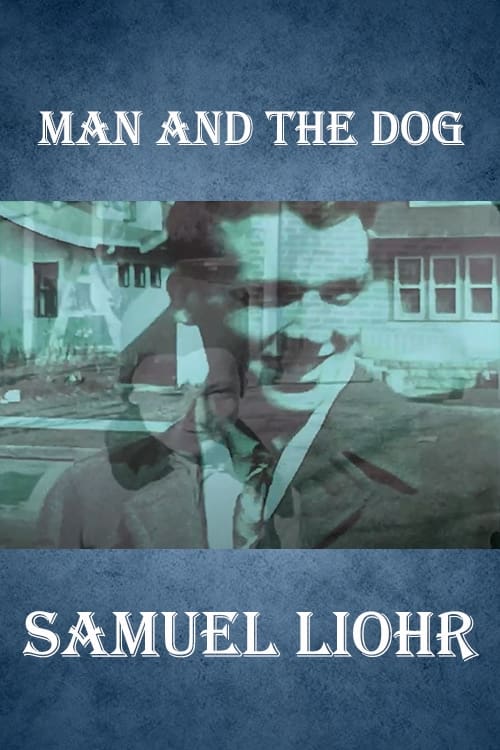
Man and the Dog (2022) is a British neo avant-garde short film that plays around with the concept of speed. The pace is being constantly increased, decreased, reversed and manipulated.
A documentary about the historic porn cinema of Ferrara, housed in a deconsecrated church dating from the 10th century.
With the core members Shin Sasakubo and Daisuke Aoki, as well as a revolving set of members depending on the contents of the work, the CHICHIBU AVANT-GARDE art collective engages in expressive activities such as music, film, art, photography, writing, and theater. Filmed in 8 mm film there is a distinctive color and texture, and a seemingly nostalgic impression from the land pattern of Chichibu that is the stage, but it has an unknown sense of apprehension. A variety of emotions and scenes come to light, such as a sense of frustration, relief or fear, some kind of madness, or warmth.
With the core members Shin Sasakubo and Daisuke Aoki, as well as a revolving set of members depending on the contents of the work, the CHICHIBU AVANT-GARDE art collective engages in expressive activities such as music, film, art, photography, writing, and theater. Filmed in 8 mm film there is a distinctive color and texture, and a seemingly nostalgic impression from the land pattern of Chichibu that is the stage, but it has an unknown sense of apprehension. A variety of emotions and scenes come to light, such as a sense of frustration, relief or fear, some kind of madness, or warmth.
After discovering a once-in-a-lifetime player with a rocky past abroad, a down on his luck basketball scout takes it upon himself to bring the phenom to the States without his team's approval. Against the odds, they have one final shot to prove they have what it takes to make it in the NBA.
No description available for this movie.
No description available for this movie.