
Action
Adventure
Animation
Comedy
Crime
Documentary
Drama
Family
Fantasy
History
Horror
Music
Mystery
Romance
Science Fiction
Thriller
War
Western
Found 26 movies, 0 TV shows, and 0 people
Can't find what you're looking for?
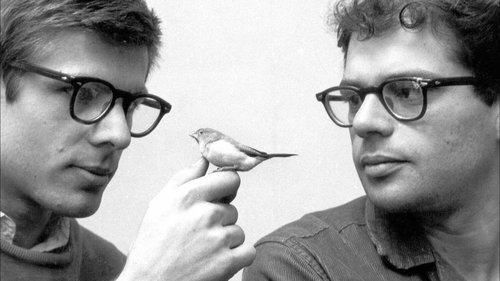
Tells the story of the wonderful and long-lasting friendship between Jack Kerouac, Allen Ginsberg and William Burroughs that gave birth to the Beat Generation movement.
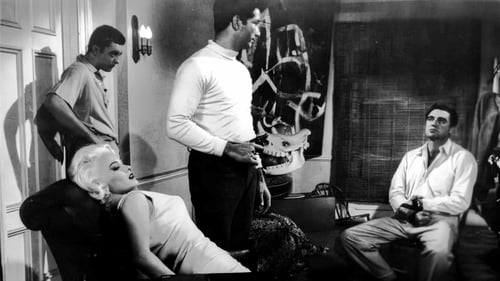
A group of beatniks unwittingly harbor a serial rapist. A cop goes after him after his wife is attacked.
In the monochrome world of 1960, pretentious Alan, violent Kix and sex-mad Eleanor are part of a colony of beat poets, living a hedonistic, unreal existence in a large villa overlooking the sea. Dumped by his girlfriend Jeremy is anxious to be part of their circle until two girls from the outside world and a wild party open his eyes to what really matters.
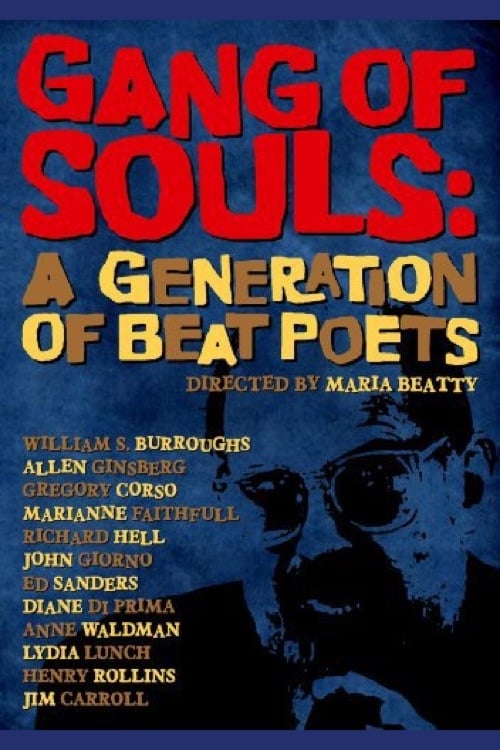
Maria Beatty's documentary exploring the insights and influences of the American Beat Poets. The film conveys their consciousness and sensibility through interviews with William Burroughs, Allen Ginsberg, Diane Di Prima, among others. Also weaves in additional commentary from contemporary musicians, poets and writers such as Marianne Faithfull, Richard Hell, Lydia Lunch and Henry Rollins. Also expands upon how the poets reached new levels of creativity and inspired social change.

Using original film clips and interviews, this film illustrates the 1950s social movement termed the Beat Generation. Disillusioned with post-World War II America, Beat Generation writers and painters came together because they felt mainstream America was becoming out of touch with humanity and the individual. In their interviews, characters such as Allen Ginsberg, Neal Cassady, Jack Kerouac, and Gregory Corso express their disdain for a society that defines success and happiness in terms of superior technology, cars, and clothing. Those individuals discuss the false conventionality of society and the dangerous world of shock treatments and conformity in which they found themselves. Their goal is to redefine this world to reflect the endless possibilities that characterize America.
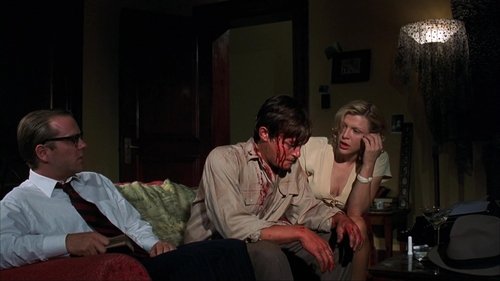
The true story of two murders that shaped the lives of several college students who went on to become some of the most influential writers of the "Beat Generation."
No description available for this movie.
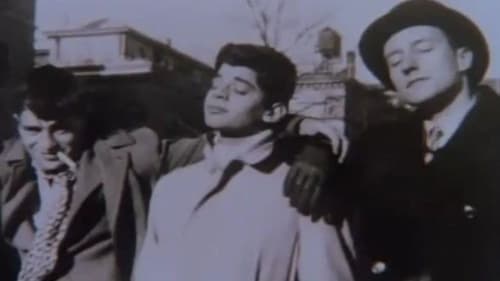
Traces the Beats from Allen Ginsberg and Jack Kerouac's meeting in 1944 at Columbia University to the deaths of Ginsberg and William S. Burroughs in 1997. Three actors provide dramatic interpretations of the work of these three writers, and the film chronicles their friendships, their arrival into American consciousness, their travels, frequent parodies, Kerouac's death, and Ginsberg's politicization. Their movement connects with bebop, John Cage's music, abstract expressionism, and living theater. In recent interviews, Ginsberg, Burroughs, Kesey, Ferlinghetti, Mailer, Jerry Garcia, Tom Hayden, Gary Snyder, Ed Sanders, and others measure the Beats' meaning and impact.
No description available for this movie.
A new documentary, exploring the Chelsea Hotel's role in the cultural and artistic movements of the 20th century, from the Beat Generation to the Punk Rock scene. Delving into the history of the hotel, as a home and gathering place for some of the most influential artists and cultural icons of the past century, including Mark Twain, Arthur Miller, Jack Kerouac, William S. Burroughs, Bob Dylan, Iggy Pop, Leonard Cohen, Madonna and a possible spirit or two. Including historical footage of some of the residents and regulars who made the glorious Chelsea Hotel so legendary.
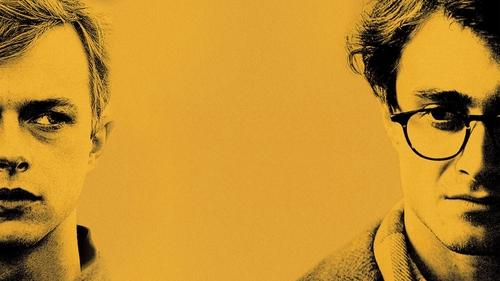
A murder in 1944 draws together the great poets of the beat generation: Allen Ginsberg, Jack Kerouac and William Burroughs.
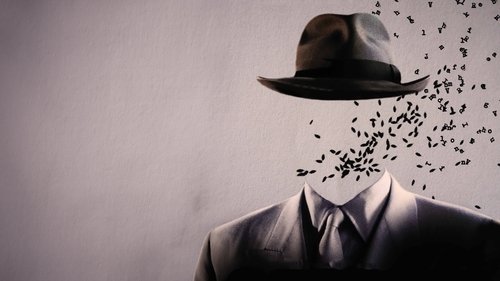
Blank-faced bug killer Bill Lee and his dead-eyed wife, Joan, like to get high on Bill's pest poisons while lounging with Beat poet pals. After meeting the devilish Dr. Benway, Bill gets a drug made from a centipede. Upon indulging, he accidentally kills Joan, takes orders from his typewriter-turned-cockroach, ends up in a constantly mutating Mediterranean city and learns that his hip friends have published his work -- which he doesn't remember writing.
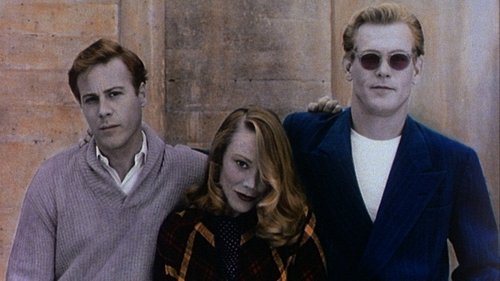
An exploration of the relationship between Beat Generation writers Jack Kerouac and Neal Cassady, and Cassady's wife, Carolyn.
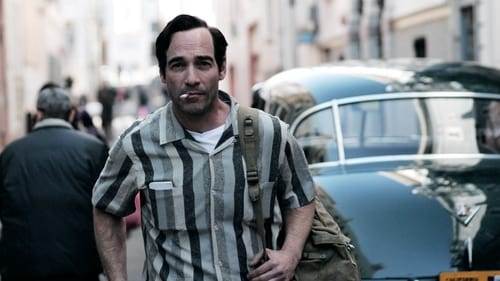
Big Sur is a film adaptation of the Jack Kerouac autobiographical novel of the same name.
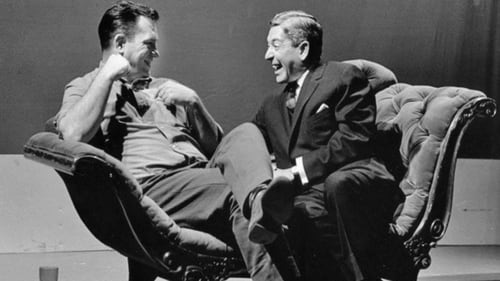
Part documentary, part drama, this film presents the life and work of Jack Kerouac, an American writer with Québec roots who became one of the most important spokesmen for his generation. Intercut with archival footage, photographs and interviews, this film takes apart the heroic myth and even returns to the childhood of the author whose life and work contributed greatly to the cultural, sexual and social revolution of the 1960s.
After World War II a group of young writers, outsiders and friends who were disillusioned by the pursuit of the American dream met in New York City. Associated through mutual friendships, these cultural dissidents looked for new ways and means to express themselves. Soon their writings found an audience and the American media took notice, dubbing them the Beat Generation. Members of this group included writers Jack Kerouac, William Burroughs, Allen Ginsberg. a trinity that would ultimately influence the works of others during that era, including the "hippie" movement of the '60s. In this 55-minute video narrated by Allen Ginsberg, members of the Beat Generation (including the aforementioned Burroughs, Anne Waldman, Peter Orlovsky, Amiri Baraka, Diane Di Prima, and Timothy Leary) are reunited at Naropa University in Boulder, CO during the late 1970's to share their works and influence a new generation of young American bohemians.
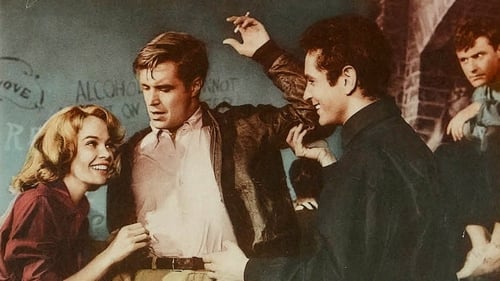
A disillusioned writer explores the subterranean depths of San Francisco's North Beach district.
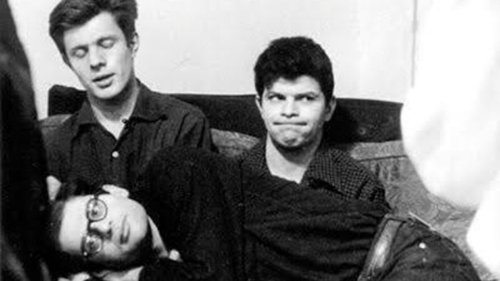
Based on an incident in the life of Beat icon Neal Cassady and his wife, the painter Carolyn, the film tells the story of a railway brakeman whose wife invites a respected bishop over for dinner. However, the brakeman's Bohemian friends crash the party, with comic results. Pull My Daisy is a film that typifies the Beat Generation. Directed by Robert Frank and Alfred Leslie, Daisy was adapted by Jack Kerouac from the third act of his play, Beat Generation; Kerouac also provided improvised narration.

Beatnik mice are chased by a square cat.

Jack Kerouac's life is examined through interviews with his contemporaries and friends including Allen Ginsberg, Lawrence Ferlinghetti and William S. Burroughs. The film also employs dramatic recreations of Kerouac's life beginning with his early childhood.
Diane di Prima (1934-2020) was a poet, writer, publisher and playwright whose work has been associated with the Beat movement. Born and raised in New York City, she associated with poets such as Amiri Baraka, Jack Kerouac and Frank O’Hara, co-editing The Floating Bear magazine with Baraka in the 60s and co-founding the Poets Press and the New York Poets Theatre. Throughout her life in New York and later out West, both her sense of anarchic limitlessness and her zeal for collaboration guided her work.
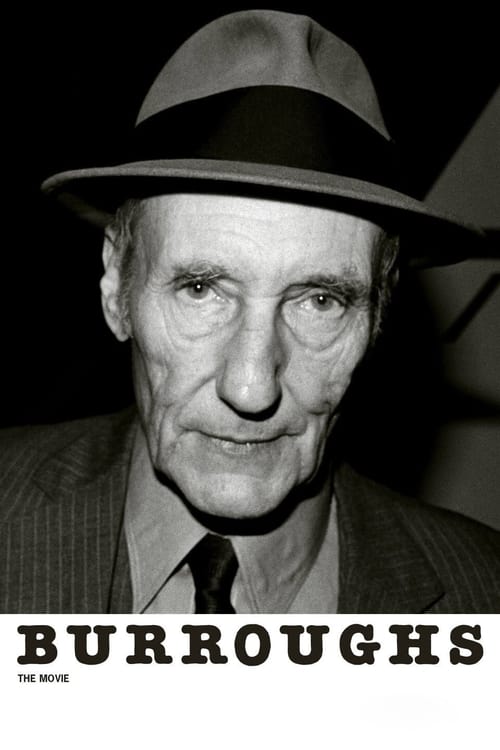
An exploration of Burroughs’ life story, as told by Burroughs himself along with many of his contemporaries, including Allen Ginsberg, Brion Gysin, Francis Bacon, Herbert Huncke, Patti Smith, Terry Southern, and William Burroughs Jr.
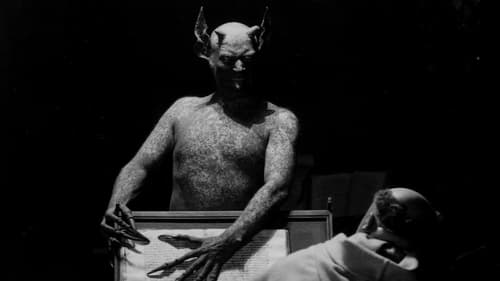
A seventy-six-minute version of Häxan, re-edited and re-released in the United States by Metro Pictures Corporation in 1968. It is narrated by author William S. Burroughs, with a jazz score and soundtrack featuring violinist Jean-Luc Ponty.
Diane di Prima (1934-2020) was a poet, writer, publisher and playwright whose work has been associated with the Beat movement. Born and raised in New York City, she associated with poets such as Amiri Baraka, Jack Kerouac and Frank O’Hara, co-editing The Floating Bear magazine with Baraka in the 60s and co-founding the Poets Press and the New York Poets Theatre. Throughout her life in New York and later out West, both her sense of anarchic limitlessness and her zeal for collaboration guided her work.
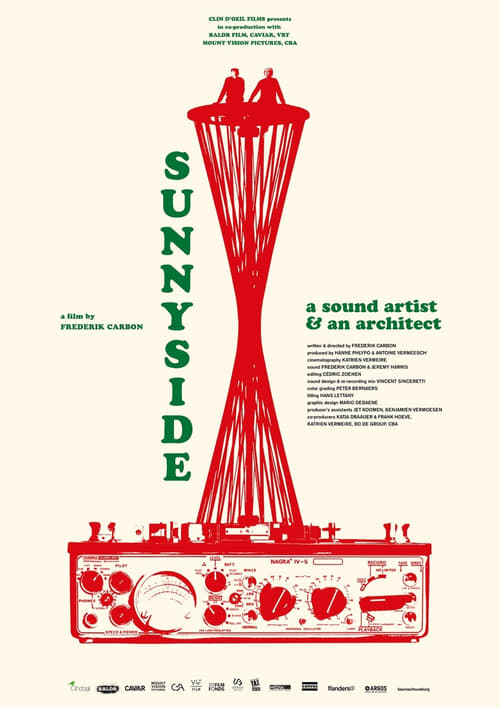
Ninety-year-old sound artist and comedian Henry “Sandy” Jacobs lives a quirky existence at the end of Sunnyside Drive, a steep and winding dirt road washed by fog from the Pacific Ocean. Sixty feet down the hill lives his eccentric 84-year-old friend and neighbor, architect and former Frank Lloyd Wright collaborator Daniel Liebermann. These extraordinary old men, influential artists in the 1950s and ’60s, continue, each in their own way, to search the world for perfection. Sunnyside takes us to an extraordinary place, a microcosm with its own distinctive rhythm and remarkable inhabitants. It is a film about creativity, the capacity to dream and, ultimately, the transience of life.
Diane di Prima (1934-2020) was a poet, writer, publisher and playwright whose work has been associated with the Beat movement. Born and raised in New York City, she associated with poets such as Amiri Baraka, Jack Kerouac and Frank O’Hara, co-editing The Floating Bear magazine with Baraka in the 60s and co-founding the Poets Press and the New York Poets Theatre. Throughout her life in New York and later out West, both her sense of anarchic limitlessness and her zeal for collaboration guided her work.