
Action
Adventure
Animation
Comedy
Crime
Documentary
Drama
Family
Fantasy
History
Horror
Music
Mystery
Romance
Science Fiction
Thriller
War
Western
Found 25 movies, 4 TV shows, and 0 people
Can't find what you're looking for?

Fuel For The Fire is a film about resiliency and transformation . It tells the inspiring personal stories of people from populations in the Black Community mostly affected by HIV, (cisgendered and transgendered women and gay men), and how their lives were impacted by HIV-related stigma. After going through a journey of self-discovery they recover their strength to move on with their lives.
A compelling documentary about lesbians who discriminate against other lesbians based on gender roles. Director Nneka Onuorah takes an in-depth look at the internalized hetero-normative gender roles that have become all too familiar within the African American lesbian and bisexual community. This film features many queer celebrities, including actress Felicia “Snoop” Pearson from the critically acclaimed HBO drama The Wire, and Lea DeLaria from Orange Is the New Black, living daily with opinions about how identity should be portrayed. Onuorah's engaging documentary shines a light on the relationships and experiences within the queer black female community, intersecting race, gender and sexuality.
About the black community in Ladbroke Grove and Notting Hill which grew up in the 1950s. “No Irish, no coloured, no dogs" read the rooms-to-let signs in what was already a decaying inner area of London. In the Grove black people had to face the brunt of a crude and brutal racism and a grassroots defence was organised against white racist attacks in 1958, to become part of the more general community resistance. And that strength was reflected in the emergence of several major 'Black Power' organisations. Since the 1960s the vital sense of black community which developed in the Grove has resisted attempts to disperse and weaken the community and in particular the attempt to suppress the annual Carnival - the major Afro-Caribbean event in Britain.
A record of the unity and continuity of black struggle in Britain. Underlines the fact that the 'new' black communities consist of workers from different countries in Asia and the Caribbean joined in the same struggles against racism in Britain since World War Two. The film focuses on discrimination in employment against black workers, looking particularly at the 1974 dispute at Imperial Typewriters in Leicester. Here black workers faced opposition not only from the bosses, but from some Trade Unions as well as fellow white workers. And the film demonstrates that the outrage of young black people (many born in Britain) as seen in the dramatic events of Summer 1981, is related to the disappointed hopes of their migrant-worker parents.

Looks at Southall, one of the major Asians centres in Britain, and shows how this community organised to resist fascist attacks from 1976 to 1981. Southall's militancy goes back to the community organisations of the 1950's which were created to help black workers combat racism at the workplace and deal with discrimination in the community. As racism increased, the community has fashioned and forged new weapons of struggle.
Made in Butetown, Cardiff, shows that black communities have been developing since the 1850s. Whereas in the 20th century the 'new' communities are made up of black industrial labour, in the 19th century they began with black colonial seamen. The Tiger Bay community faced official, as well as everyday physical harassment which culminated in the 1919 race riots and a scheme for repatriation. The people of Butetown lived through the Depression in the 1930s and many of them served and died in World War Two. Since the 1950's they have come to share the broader experience of the newer black communities.
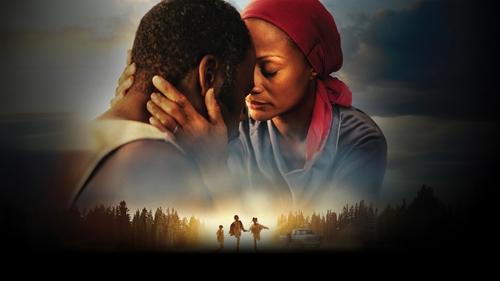
Led by Donna and Reverend W.C. Martin, 22 families from a rural Black church in the small East Texas town of Possum Trot adopt 77 of the most difficult-to-place kids in the foster system and kickstart a movement in the process.
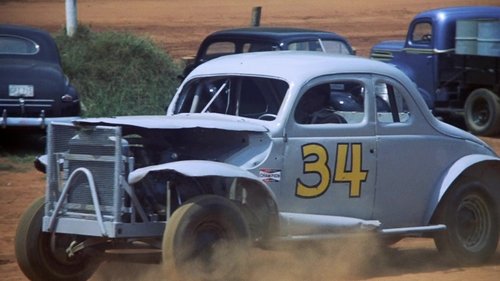
The true life story of Wendell Scott, the first black stock car racing driver to win an upper-tier NASCAR race.
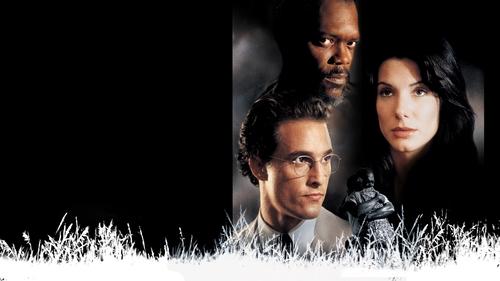
A young lawyer defends a black man accused of murdering two white men who raped his 10-year-old daughter, sparking a rebirth of the KKK.
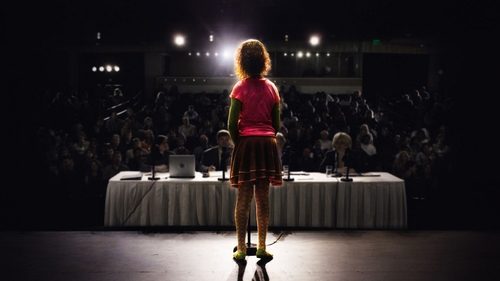
11-year-old Akeelah Anderson has a way with words. After winning her schoolwide spelling bee, she decides to enter the competition, despite her classmates' derision and the antipathy of her mother Tanya. Thanks to the efforts of her teacher Dr. Larabee, she reaches the finals. As she gets to know her fellow competitors, Akeelah realizes that coming first isn't everything in life.
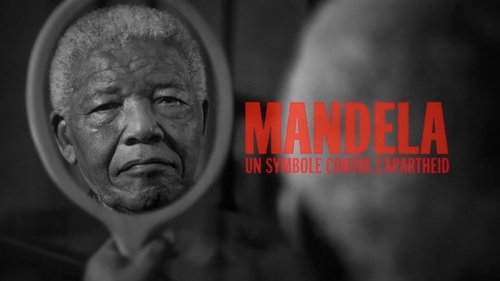
Mandela’s legend is built on his absence, during his 27- year incarceration. In 1990, when Nelson Mandela is released, South Africa is waiting for their Messiah. But he doesn’t know it yet, he is the most famous political prisoner of the Planet. Will he be up to the challenge?
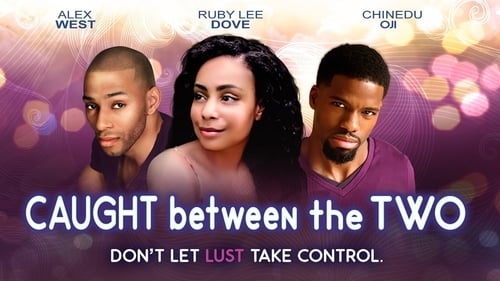
An educated woman finds her world going in circles when she falls in love with a man then soon realizes that she is not finished with her past relationship. She gets confused and is caught between the two. Who will she choose, her past or her present?

The peaks, the valleys, and all the moments in between. Being a father is an extraordinary privilege that transforms your perspective on the world. "A Letter from the Fathers" is a touching, captivating, and emotive movie that presents the audience with the fatherhood journeys of four men. Gear up to experience laughter, tears, and reflection as these dads share insights from their parenting adventures. It's a profound, insightful exploration of how fatherhood doesn't just mould the children but also profoundly influences the men themselves.
This documentary was produced by Citizen Film and Young Community Developers, in collaboration with a coalition of organizations, enterprises, city agencies, and community partners. To create the documentary, Citizen Film’s Tamara Walker facilitated and captured constructive dialogue between African American officers and the communities they police, helping officers understand how they are perceived by the community, and how the community is perceived by them.
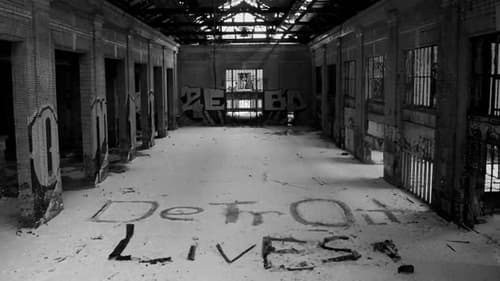
Before its economic decline, Detroit was a major metropolis. Now, in the 2000s, the young people of the Motor City are making it their own DIY paradise where rules are second to passion and creativity. Johnny Knoxville tours the city to meet some of the people who are creating a new Detroit on their own terms, against real adversity.
Buchanan Mall is five consecutive blocks of public parkland in the heart of San Francisco’s Western Addition. 7,000 low-income residents who live adjacent to Buchanan Mall face acute challenges: recent, rapid gentrification and decades-long cycles of unemployment and mass incarceration. Against this backdrop, a remarkable new story has unfolded. This predominantly African-American community has come together to re-imagine and reclaim Buchanan Mall as connective tissue, repairing the neighborhood’s fractured social fabric, celebrating local culture, creating small businesses, and advocating for safe, affordable housing.
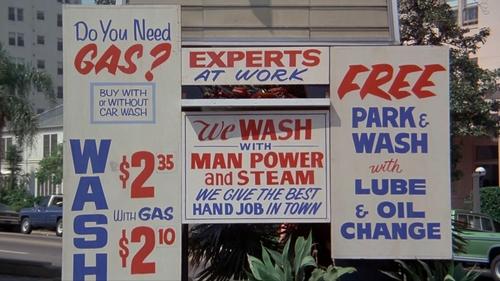
This day-in-the-life cult comedy focuses on a group of friends working at Sully Boyar's Car Wash in the Los Angeles ghetto. The team meets dozens of eccentric customers -- including a smooth-talking preacher, a wacky cab driver and an ex-convict -- while cracking politically incorrect jokes to a constant soundtrack of disco and funk. Some of the workers find romance as the day moves along, but most are just happy to get through another shift.
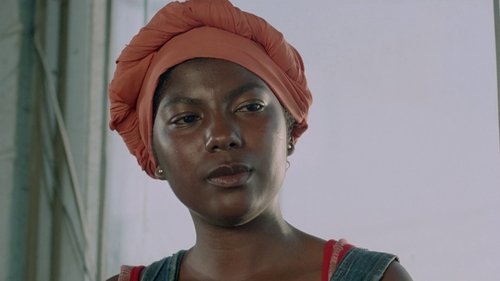
A naive young woman moves from the South to stay with her aunt and uncle in Compton. As an outsider, she struggles at first to find her footing, but soon falls into the middle of a community of rebellious youth. She soon becomes more and more aware of the social injustices of the big city.
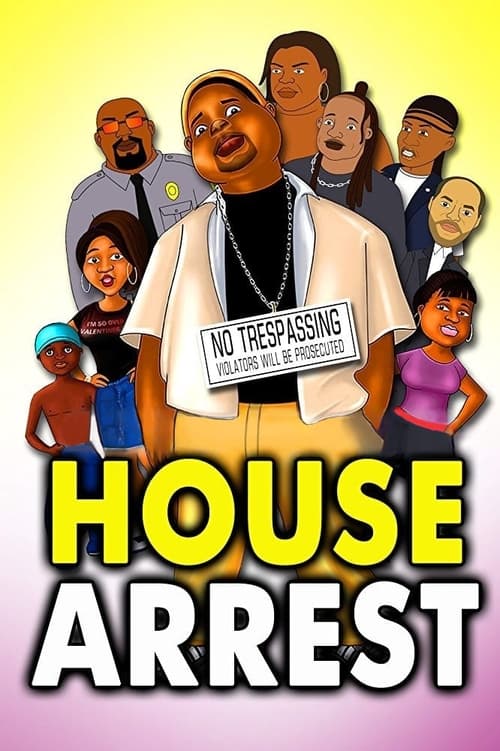
Life gets hectic when JB is put on House Arrest. In this Outrageous Adult Animated Comedy, JB's situation quickly turns into mayhem with baby mama drama, unwarranted neighbors, and a self made parole officer. JB soon realizes that it was better to serve time in jail than to be on House Arrest.
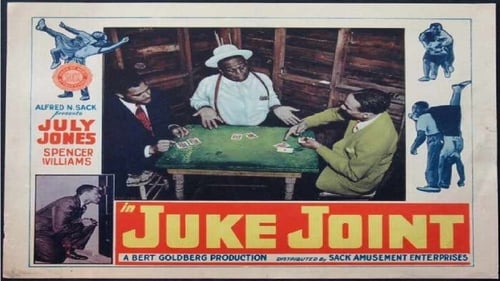
Bad News Johnson, a con artist from Memphis, Tennessee, arrives in Dallas, Texas, accompanied by his dim sidekick July Jones with only twenty-five cents between them. The duo arrange to become boarders at the home of Louella "Mama Lou" Holiday, who is fooled into believing Johnson is an acting teacher from Hollywood. Mrs. Holiday agrees to give the men free room and board if they will provide poise lessons to her daughter, an aspiring beauty queen named Honey Dew.
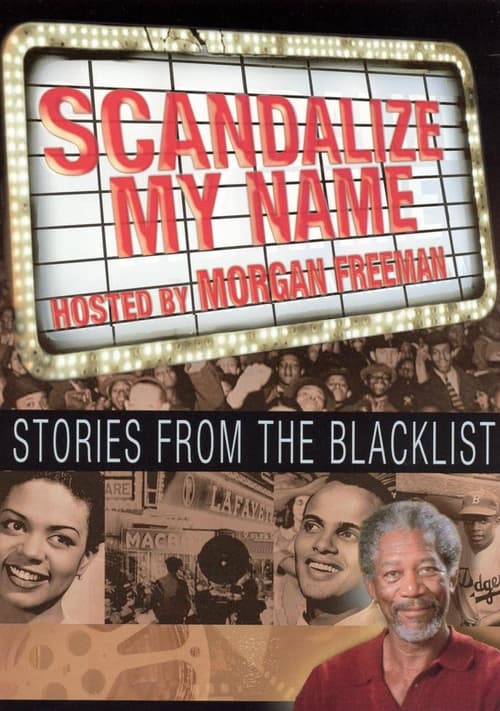
A look at the confluence of the Red Scare, McCarthyism, and blacklists with the post-war activism by African Americans seeking more and better roles on radio, television, and stage. It begins in Harlem, measures the impact of Paul Robeson and the campaign to bring him down, looks at the role of HUAC, J. Edgar Hoover and of journalists such as Ed Sullivan, and ends with a tribute to Canada Lee. Throughout are interviews with men and women who were there, including Dick Campbell of the Rose McLendon Players and Fredrick O'Neal of the American Negro Theatre. In the 1940s and 1950s, anti-Communism was one more tool to maintain Jim Crow and to keep down African-Americans.
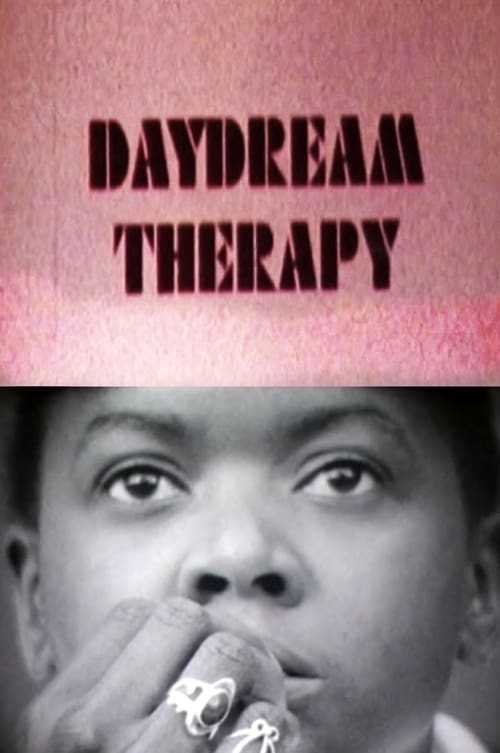
Daydream Therapy is set to Nina Simone’s haunting rendition of “Pirate Jenny” and concludes with Archie Shepp’s “Things Have Got to Change.” Filmed in Burton Chace Park in Marina del Rey by activist-turned-filmmaker Bernard Nicolas as his first project at UCLA, this short film poetically envisions the fantasy life of a hotel worker whose daydreams provide an escape from workplace indignities. —Allyson Nadia Field
An aspiring dancer and her two wicked sisters resent their mother's love for a foster daughter.

Black Santas are local heroes, spreading joy and love to children and families at a bustling mall during the Christmas season. But even during this special time, the ugly shadow of bigotry falls on the season's true spirit.

The teenage daughter of a Brooklyn beauty-parlor owner blossoms under the influence of her recently-returned show-biz aunt.