
Action
Adventure
Animation
Comedy
Crime
Documentary
Drama
Family
Fantasy
History
Horror
Music
Mystery
Romance
Science Fiction
Thriller
War
Western
Found 23 movies, 10 TV shows, and 0 people
Can't find what you're looking for?
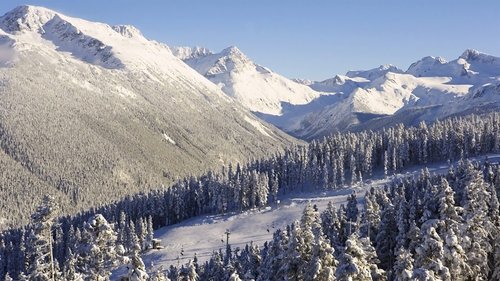
Graham Bell and Ed Leigh journey southwards through the frozen province of British Columbia, Canada, towards the home of the 2010 Winter Olympic Games. En route, they travel through remote communities cut off from civilisation through the winter, learning how the locals survive off the land. Leigh and Bell experience this harsh life for themselves alongside miners, loggers and hunters, and find out what it is like to function and work in such harsh conditions. Their journey ends with a gruelling trek on foot through the spectacular Coast Range Mountains into Whistler, one of the Olympic venues.
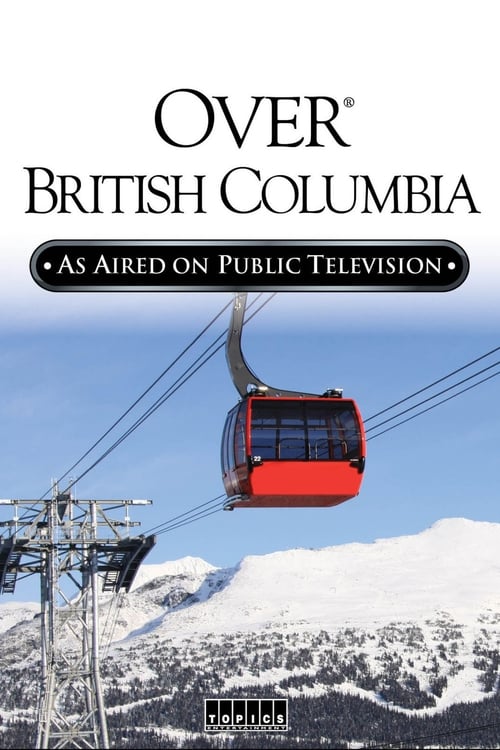
Over Beautiful British Columbia is a spectacular scenic tour of Canada's Pacific province. Savor the grandeur of British Columbia as you join a helicopter adventure from elegant Victoria to rugged Fort Nelson, from the ski slopes of Whistler to the sun-drenched Okanagan shores, from the razor spine of Mount Robson to the primeval coast of the Queen Charlotte Islands.
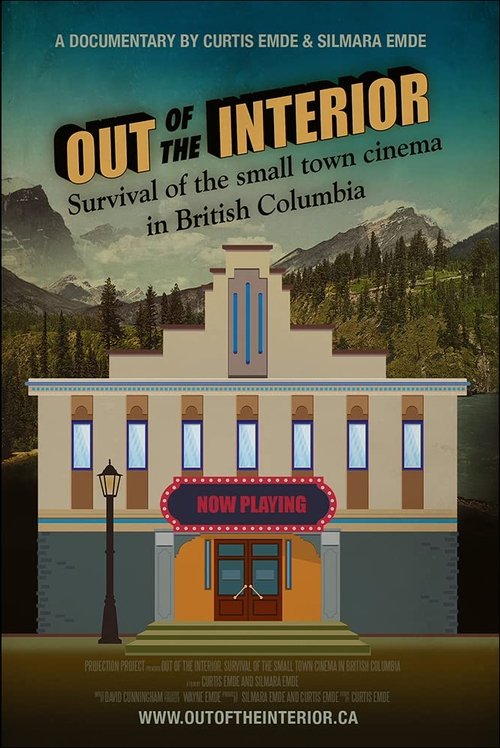
The hard-working cinema owners and operators of the small towns found in BC's southern interior are doing more than showing movies and selling popcorn––they are bringing their communities together.
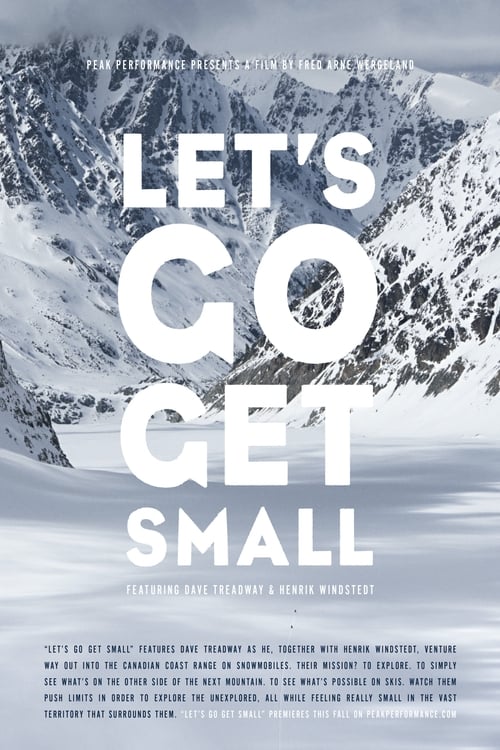
The Canadian Coast Range is a humbling place. The range dwarfs both exceptionally large human beings and egos with its foreboding size. Norseman Productions follows Dave Treadway and Henrik Windstedt as they push into the range on snowmobiles in pursuit of big lines the Coast Range is never short of.

Over the course of a year, film follows Vancouver Pride Society president Ken Coolen to various international Pride events, including Poland, Hungary, Russia, Sri Lanka and others where there is great opposition to pride parades. In North America, Pride is complicated by commercialization and a sense that the festivals are turning away from their political roots toward tourism, party promotion and entertainment. Christie documents the ways larger, more mainstream Pride events have supported the global Pride movement and how human rights components are being added to more established events. In the New York sequence, leaders organize an alternative Pride parade, the Drag March, set up to protest the corporatization of New York Pride. A parade in São Paulo, the world's largest Pride festival, itself includes a completely empty float, meant to symbolize all those lost to HIV and to anti-gay violence.
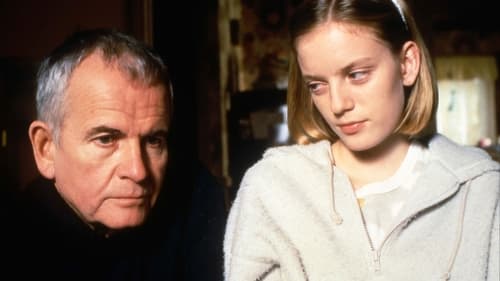
A small mountain community in Canada is devastated when a school bus accident leaves more than a dozen of its children dead. A big-city lawyer arrives to help the survivors' and victims' families prepare a class-action suit, but his efforts only seem to push the townspeople further apart. At the same time, one teenage survivor of the accident has to reckon with the loss of innocence brought about by a different kind of damage.

In the late 1990s, some officers at Vancouver Police Department made a documentary film (THROUGH A BLUE LENS) about the everyday lives of six drug addicts in Vancouver's skid row, the Downtown Eastside. TEARS FOR APRIL reintroduces us to these six people; with footage shot over a period of nearly ten years, it continues their biography.
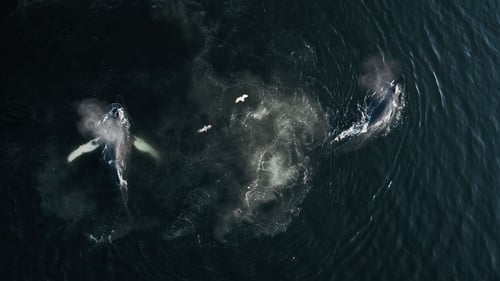
Director Mirjam Leuze’s The Whale and The Raven illuminates the many issues that have drawn whale researchers, the Gitga’at First Nation, and the Government of British Columbia into a complex conflict. As the people in the Great Bear Rainforest struggle to protect their territory against the pressure and promise of the gas industry, caught in between are the countless beings that call this place home.
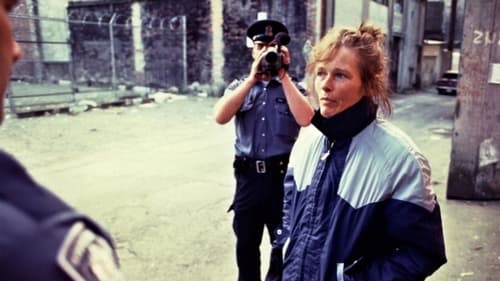
This documentary, set in the Lower East End of Vancouver's downtown core, is a pretty honest account of life on the streets in urban Canada. It is aimed at educating high school kids on the dangers of addiction to hard drugs and is the brainchild of a group of city police officers who videotape their interactions with local homeless personalities.
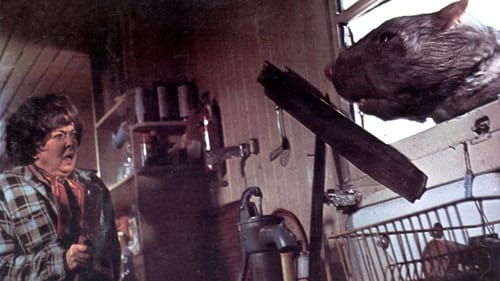
Morgan and his friends are on a hunting trip on a remote Canadian island when they are attacked by a swarm of giant wasps. Looking for help, Morgan stumbles across a barn inhabited by an enormous killer chicken. After doing some exploring, they discover the entire island is crawling with animals that have somehow grown to giant size. The most dangerous of all of these, however, are the rats, who are mobilizing to do battle with the human intruders.
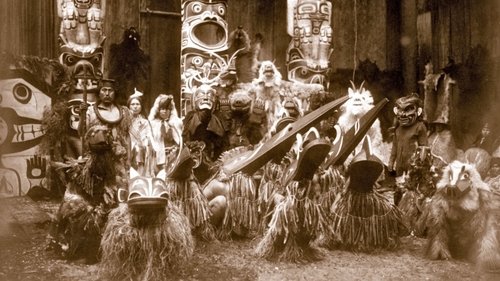
In the Land of the Head Hunters is a 1914 silent film fictionalizing the world of the Kwakwaka'wakw (Kwakiutl) peoples of the Queen Charlotte Strait region of the Central Coast of British Columbia, Canada, written and directed by Edward S. Curtis and acted entirely by Kwakwaka'wakw natives. It was the first feature-length film whose cast was composed entirely of Native North Americans; the second, eight years later, was Robert Flaherty's Nanook of the North.
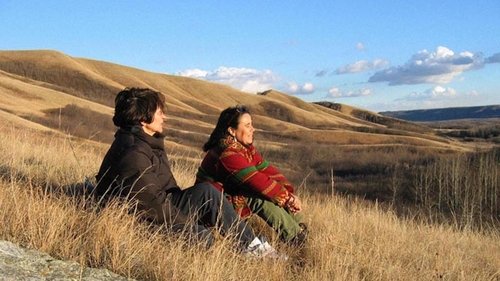
Métis filmmaker Christine Welsh puts a human face on a national tragedy: the murders and disappearances of an estimated 500 Aboriginal women in Canada over the past 30 years. Explores the deep historical, social, and economic factors that contribute to this epidemic of violence against Native women.

In 1926, a young couple set off into the British Columbia wilderness in search of an undiscovered mountain. A century later a group of would-be adventurers tries to retrace their steps. They soon find they've bitten off more than they can chew and it will take everything they've got to avoid disaster.
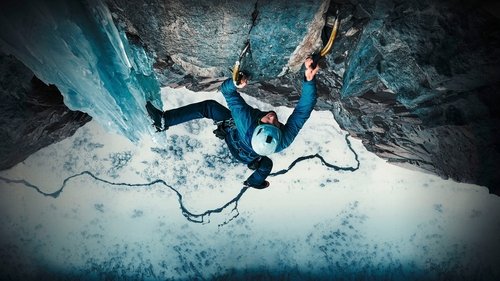
Marc-André Leclerc, an exceptional climber, has made solo his religion and ice his homeland. When filmmaker Peter Mortimer begins his film, he places his camera at the base of a British Columbia cliff and waits patiently for the star climber to come down to answer his questions. Marc André, a little uncomfortable, prefers to return to the depths of the forest where he lives in a tent with his girlfriend Brette Harrington. In the heart of winter, Peter films vertiginous solos on fragile ice. He tries to make appointments with the climber who is never there and does not seem really concerned by this camera pointed at him "For me, it would not be a solo if there was someone else" . Marc-André is thus, the "pure light" of the mountaineers of his time, which marvel Barry Blanchard, Alex Honnold or Reinhold Messner, interviewed in the film. An event film for an extraordinary character.
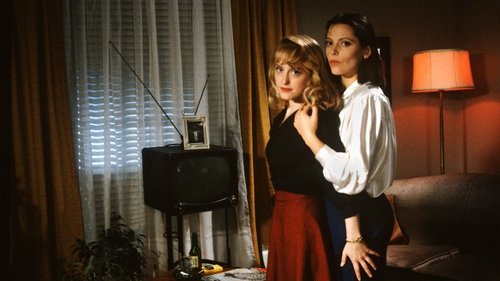
Ten women in Canada talk about being lesbian in the 1940s, 1950s, and 1960s: discovering the pulp fiction of the day about women in love, their own first affairs, the pain of breaking up, frequenting gay bars, facing police raids, men's responses, and the etiquette of butch and femme roles. Interspersed among the interviews and archival footage are four dramatized chapters from a pulp novel, "Forbidden Love".
Twenty-three years after her brother mysteriously disappeared, a documentary filmmaker sets out to solve his missing person's case. But when a disturbing piece of evidence is revealed, she comes to believe that her brother might still be alive.
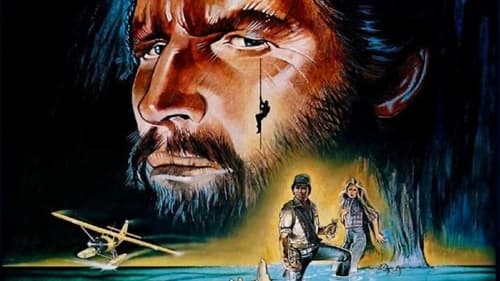
A couple of young adventurers go into the wilderness of British Columbia in search of a lost colleague. Their plane crashes and they find themselves at the mercy of a crazed old Scottish miner, who has lived in isolation for many decades searching the mountain caves for a chamber of long lost gold. He is prepared to do anything - including murder - to keep his gold for himself.
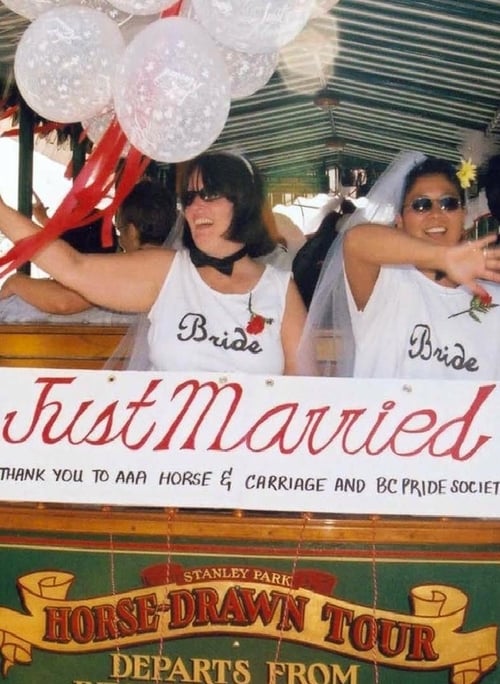
This documentary profiles the eight couples who challenged marriage laws in British Columbia in court until same-sex marriage was recognized in 2003. As controversy swirls around this issue worldwide, Why Thee Wed? offers surprising and diverse perspectives on what it means for gay and lesbian couples to walk down the aisle and to fight for the right to do so under the law.

Filmed on the island of Haida Gwaii, this documentary depicts the ongoing resistance and resurgence of the Haida people and their culture against the different manifestations and trauma of colonization.
"A documentary film which looks at the issue of British Columbia Native land claims and how the aboriginals link their culture to the land, which has been stolen by the dominant white culture of North America. In the film, the argument is presented that the lands have been taken from the Natives without any clear treaty agreements and how attempts had been made to wipe out Native culture through the Residential School system. " Produced by the Union of BC Indian Chiefs in 1975.
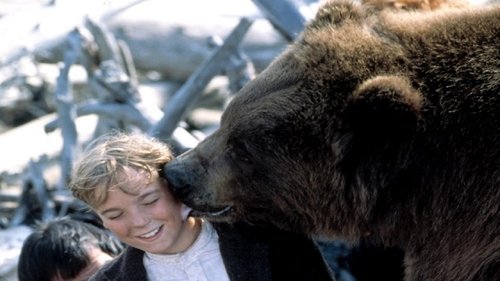
When a young boy is captured by a grizzly bear, he begins the most incredible journey of a lifetime, full of breathtaking excitement, harrowing danger and thrilling surprises.

This documentary short introduces us to the Caravan Stage Company, the world's only horse-drawn open-air theater. Every summer it tours British Columbia and Alberta, bringing live entertainment to communities where television is often the main diversion. In a montage of short sketches, the film shows the troupe on the road and in performance. Hard work and laughter are basic ingredients of this unconventional lifestyle.
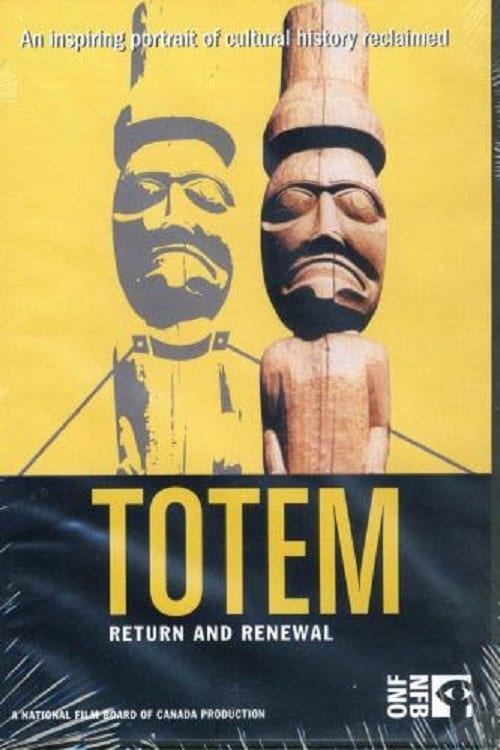
In this follow-up to his 2003 film, Totem: the Return of the G'psgolox Pole, filmmaker Gil Cardinal documents the events of the final journey of the G'psgolox Pole as it returns home to Kitamaat and the Haisla people, from where it went missing in 1929.