
Action
Adventure
Animation
Comedy
Crime
Documentary
Drama
Family
Fantasy
History
Horror
Music
Mystery
Romance
Science Fiction
Thriller
War
Western
Found 21 movies, 5 TV shows, and 0 people
Can't find what you're looking for?
The early history of Canadian film making before the establishment of the National Film Board of Canada.

Phil Comeau shines a spotlight on the Ordre de Jacques-Cartier, a powerful secret society that operated from 1926 to 1965, infiltrating every sector of Canadian society and forging the fate of French-language communities. Through never-before-heard testimony from former members of the Order, along with historically accurate dramatic reconstructions, this film paints a gripping portrait of the social and political struggles of Canadian francophone-minority communities.
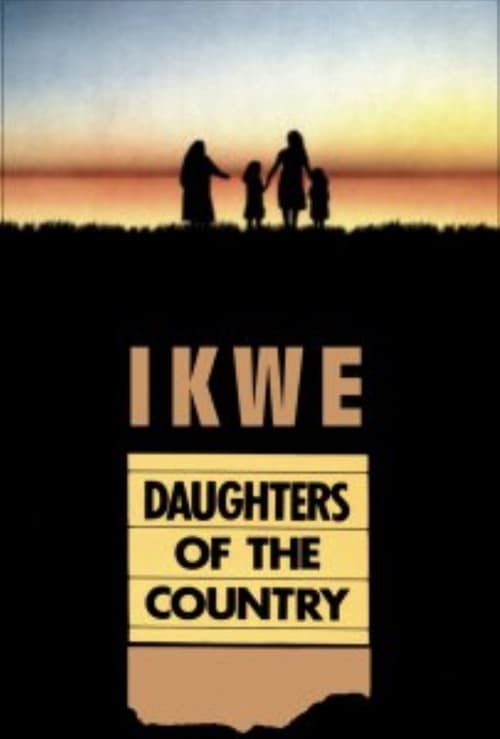
A young Ojibwa girl from 1770 marries a Scottish fur trader and leaves home for the shores of Georgian Bay. Although the union is beneficial for her tribe, it results in hardship and isolation for Ikwe. Values and customs clash until, finally, the events of a dream Ikwe once had unfold with tragic clarity.
The world knows the image of the good Canadian. But what if there was a dark secret behind a national identity? THE GOOD CANADIAN exposes the truth behind the idea of a True North strong and free. In this unflinching and eye-opening documentary, directors Leena Minifie and David Paperny move us through the corridors of systemic inequity, from the Indian Act to residential schools, to modern-day family separation. Fusing shocking footage with detailed interviews with experts, advocates, whistleblowers and politicians, THE GOOD CANADIAN challenges national myth-making, while offering Canadians the chance to forge a new identity from the truth.

This film explores how Canada wavers between rejection and acceptance of closer ties with the United States, tracing the historical precedents of current issues between the two nations. Canada continues to question her identity despite the influence of a powerful neighbour.
What does it actually mean to be Canadian? This humorous documentary, featuring interviews with a who's-who of famous Canadians, hopes to find the answer.
No description available for this movie.
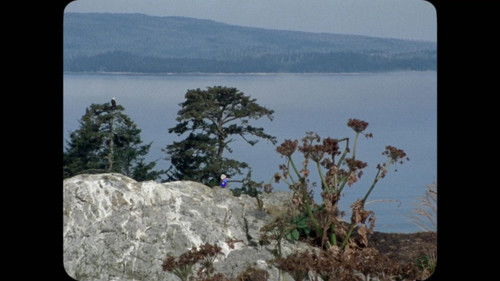
On a misty morning in the fall of 1985, a small group of Haida people blockaded a muddy dirt road on Lyell Island, demanding the government work with Indigenous people to find a way to protect the land and the future. In a riveting new feature documentary drawn from more than a hundred hours of archival footage and audio, award-winning director Christopher Auchter (Now Is the Time) recreates the critical moment when the Haida Nation’s resolute act of vision and conscience changed the world.
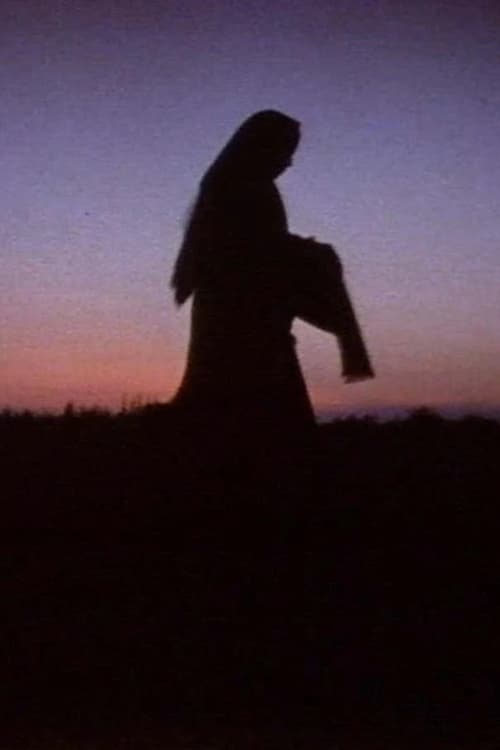
Filmed on location in Saskatchewan from the Qu'Appelle Valley to Hudson Bay, the documentary traces the filmmaker's quest for her Native foremothers in spite of the reluctance to speak about Native roots on the part of her relatives. The film articulates Métis women's experience with racism in both current and historical context, and examines the forces that pushed them into the shadows.
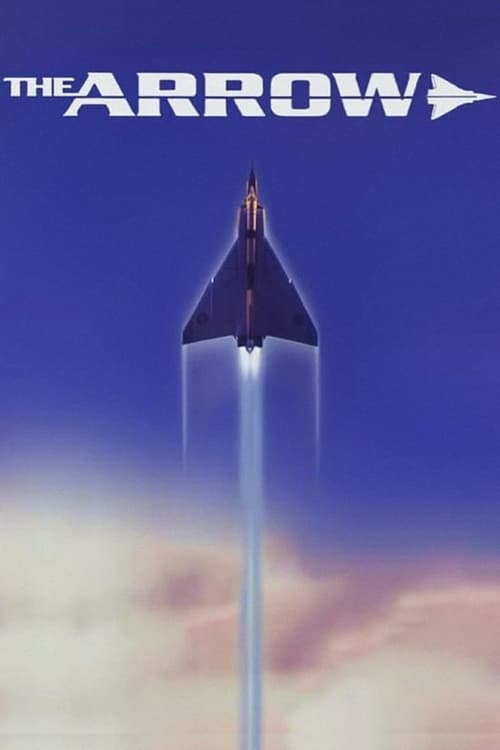
The story of the Avro Arrow, the world's fastest fighter plane built in 1950's Canada, and how the project was dropped due to political pressure from the United States.

Documentary on the Canadian career of train robber Billy Miner, who became a folk hero in British Columbia. Locations near Kamloops and Mission are explored in present day.
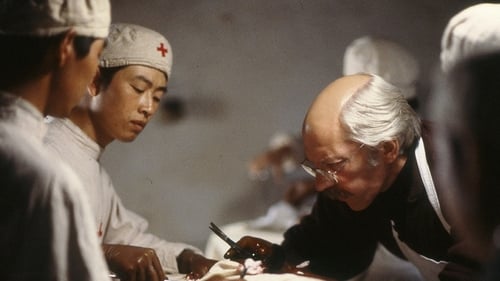
True story of Norman Bethune, a medical doctor who fought for justice in China during Mao's rise to power.
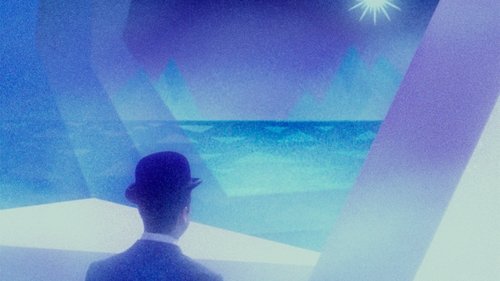
Toronto, Canada, 1899. William Lyon Mackenzie King (1874-1950) fervently believes that he is destined to become Prime Minister, but to do so he will first have to fight his personal obsessions and overcome the many obstacles he will encounter on his tortuous path to power.

This film presents the historical development of lighthouses in Canada, and shows the conversion from keeper-maintained lights to automated equipment.

An expedition to climb British Columbia's highest mountain goes awry in the face of bad weather, a series of comic mishaps and the stubborn insistence of its leader on using antique climbing equipment.
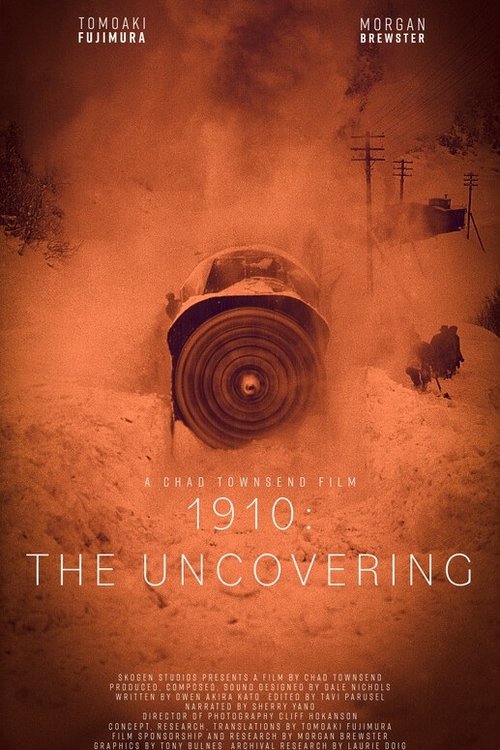
For many years the only transportation link across Canada was one railway line. This tenuous, nation-building ribbon of steel was built through high, snowy, and unpredictable mountains. The tragic avalanche that occurred at the Rogers Pass summit in March of 1910 remains Canada's deadliest. 58 railway workers, majority Japanese died while attempting to clear a snow slide from the tracks when another larger avalanche struck from the other side in the middle of the dark night. This documentary project also delves into the lives of two unlikely friends today, a downtown Vancouver businessman, and a Japanese-born ski guide brought together by their need for purpose, healing, and a shared passion for researching the mysteries and injustices of this event. During production, the team was surprised with a visit by a 1910 victim’s great grandson from Tokyo.
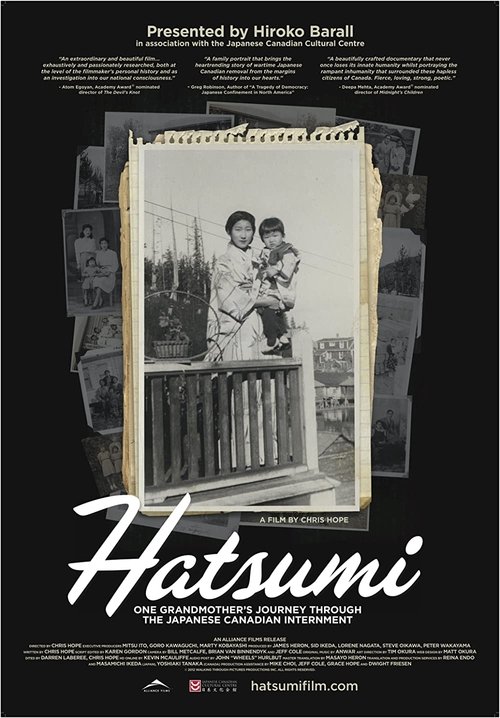
In Japanese, “shi kata ga nai” means “it can't be helped”. As a phrase, it represents the philosophical basis of the Japanese cultural reserve, through which adversity is never acknowledged. Nancy Okura is a Canadian of Japanese decent. During the Second World War, she was involuntarily removed from her home and relocated to an internment camp by the Government of Canada. Shi kata ga nai prevented Nancy Okura from ever speaking about her internment.
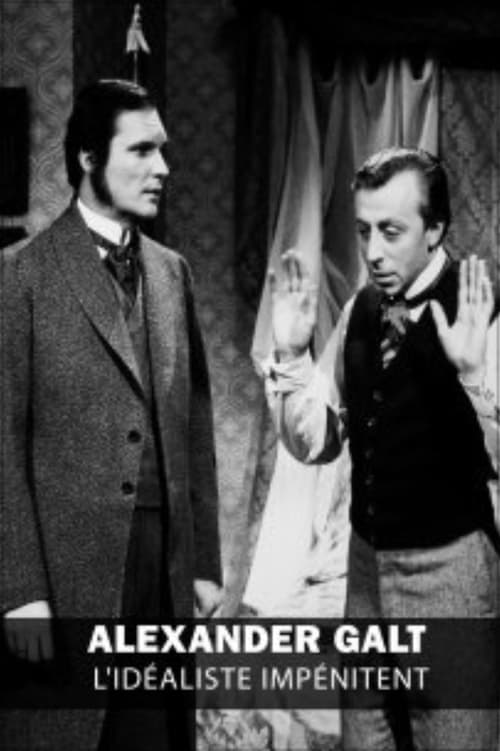
For Alexander Galt it was the middle of the road, until he saw some hope for his dream of a united Canada. What was he like, this stubborn idealist? How did he measure up to other political strongmen of his time? In this film you sense the personal clashes and the interplay of political ambitions that left their mark on history.
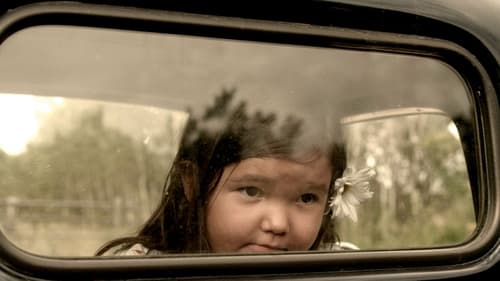
For over 130 years till 1996, more than 100,000 of Canada's First Nations children were legally required to attend government-funded schools run by various Christian faiths. There were 80 of these 'residential schools' across the country. Most children were sent to faraway schools that separated them from their families and traditional land. These children endured brutality, physical hardship, mental degradation, and the complete erasure of their culture. The schools were part of a wider program of assimilation designed to integrate the native population into 'Canadian society.' These schools were established with the express purpose 'To kill the Indian in the child.' Told through their own voices, 'We Were Children' is the shocking true story of two such children: Glen Anaquod and Lyna Hart.
Canada: A People's History - Episode 14: 1940 to 1946 CE. Canada comes of age in the anguish of World War II, with soldiers on the beaches at Dieppe and women in the industrial work force back home. The country's military role, and the domestic, social and political consequences of the war are traced through poignant stories of Canadians on both sides of the Atlantic. The horrific global conflict steals the innocence of a generation... but brings hope for a new future.
Surviving Eugenics is a documentary about the history and ongoing significance of eugenics. Anchored by survivor narratives from the province of Alberta in Canada, which had eugenic sterilization actively in place until 1972, Surviving Eugenics provides a unique insiders' view of life in institutions for the 'feeble-minded', and raises broader questions about disability, human variation, and contemporary social policies.