
Action
Adventure
Animation
Comedy
Crime
Documentary
Drama
Family
Fantasy
History
Horror
Music
Mystery
Romance
Science Fiction
Thriller
War
Western
Found 23 movies, 2 TV shows, and 0 people
Can't find what you're looking for?
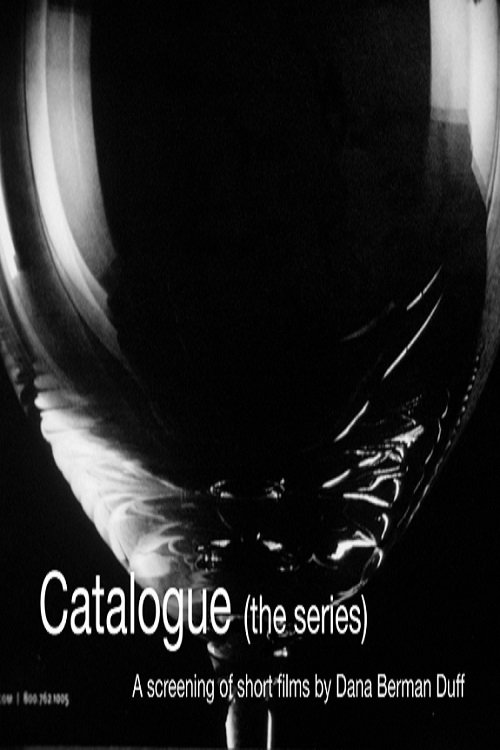
Dana Berman Duff uses black-and-white 16mm to heighten the staged romanticism of a commercial catalogue's dreamily desaturated photos of designer furniture knock-offs.
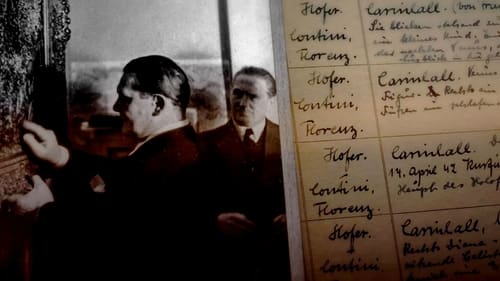
For more than a decade, Reichsmarschall Hermann Goering, Adolf Hitler's right-hand man during the infamous Third Reich, assembled a collection of thousands of works of art that were meticulously catalogued.

The 3D audio video documentation shows new recordings by Kraftwerk from 2012 to 2016 in breathtaking HD 3D visuals and state-of-the-art audio, including in the Museum of Modern Art New York, the Tate Modern London and of the New National Gallery Berlin. Worldwide there were fantastic reactions from audiences and critics and unanimous enthusiasm for the multimedia performances by Ralf Hütter, Henning Schmitz, Fritz Hilpert and Falk Grieffenhagen.
A married couple is confronted by their respective scruples as they face the biggest decision of their lives.
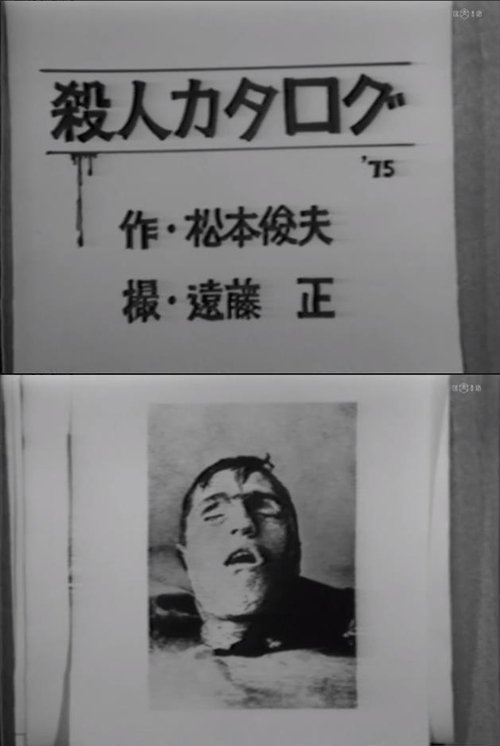
Matsumoto's early video work Murder Catalogue, but there were few opportunities to be screened at that time since it dealt with a grotesque image. Digitized a half-inch videotape he had kept in his studio. It is a work that shows the original form of a mysterious narrative that later appears well in Matsumoto's work, as it is constructed to repeat an event through long-term filming of a video and monologues by a cassette tape recorder. A photograph is placed in front of the video camera by one by one and the camera zooms in mechanically towards the images. Also, in Matsumoto's voice, a short monologue about the photos recorded on the tape is played. However, the voice is suddenly cut off by the sounds of hitting and the screams of the terminal, followed by the camera starting to expand the different images in the same way, and the voice of the recorder is played over and over again. - Ex-Is
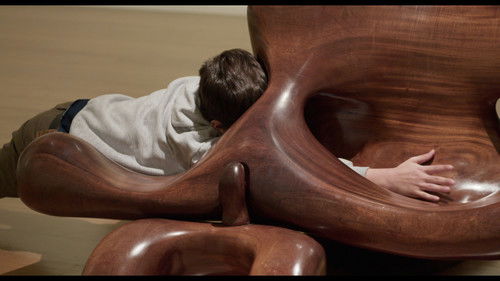
The grandson of sculptor Jorge Michel reconstructs the life and legacy of the grandfather he never met. He visits warehouses and collections on his trail. While he looks for the misplaced work, he assembles his own identity.

100 film loops for 100 film-viewers. Each loop deals with one basic aspect of repetition in life and film. The essential characteristics of each aspect become evident by endless repetition in the loop. "With the Pocket Cinema project I want to trace the repetitions in life and film as an attempt at the essential elements of film - motion and time.

HOLE_AID presents Up the Catalogue, an ambitiously small film set in a fictional shopping channel by the name of 4QTV. Tasked with flogging a seemingly endless cycle of questionable products, star presenter, Hailey Cartin, is starting to fear she might be trapped in live television. When a rival product demonstrator eventually forces Hailey to confront her own quest-defying reality, will she ever be able to climb out of the hole she’s now in? Maybe. But maybe not. (And certainly not without the generous help of the film’s sponsors, HOLE_AID.) A story for the ages, Up the Catalogue boldly takes the shopping channel film genre away from cult classic territory and straight into the mainstream.

No description available for this movie.

A young filmmaker named Julian stumbles on a hidden book tied to a vanished art forger and the perfect mystery for his next film pitch. But as coincidences mount and paranoia sets in, he begins to question what’s real, who’s watching him, and whether he’s directing the story or being directed by it.

Filmed during the exhibition of the painter Dali at Beaubourg.
No description available for this movie.

Each film frame is a different image from the Sears Roebuck mail order catalogue. The film places pictures of the objects sold by Sears to the consumer society side by side with pictures of female models
A lyrical fusion of hypnotic images, original music and spoken narrative text, The Water Catalogue is a meditation on the power and poetry of water. In this impressionistic "video album," Seaman explores the mythic and everyday connotations of water, establishing its erotic kinship with the human body and representing it as a symbol for emotional, psychological and physical states. Shot in Super-8 film and video, Seaman's processed, slowed and otherwise altered visuals take on metaphorical life. Through his fluid, sensual manipulation of sound and visuals, Seaman distills water to its most elemental form.
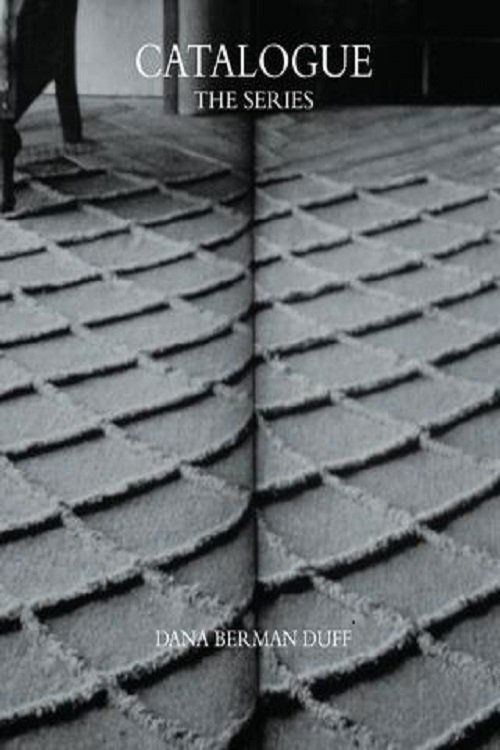
Catalogue Vol. 6 was shot using a furniture catalogue while audio clips from a horror movie that mention the word “house” or names of rooms, or parts of the house, such as “upstairs,” played in the studio so that each shot acquired a random soundtrack. The lm clips were then organized as a “tour” through the rooms of a house: foyer, living room, dining room, kitchen, study, bath, ending at the bedroom.
Catalogue is a series of 16mm films and videos that consider the time it takes to look at desirable objects, in this case, the objects for sale in a mainstream furniture catalogue of knockoff designs. Catalogue Vol. 4 takes the “Lighting” catalogue as its subject and uses a pulse of electronic sound and light to rep- resent each fixture, shot in the order that they were found in the original catalogue. The intervals of black were derived by a matter of taste: items that the filmmaker found less appealing were excised from the sequence.
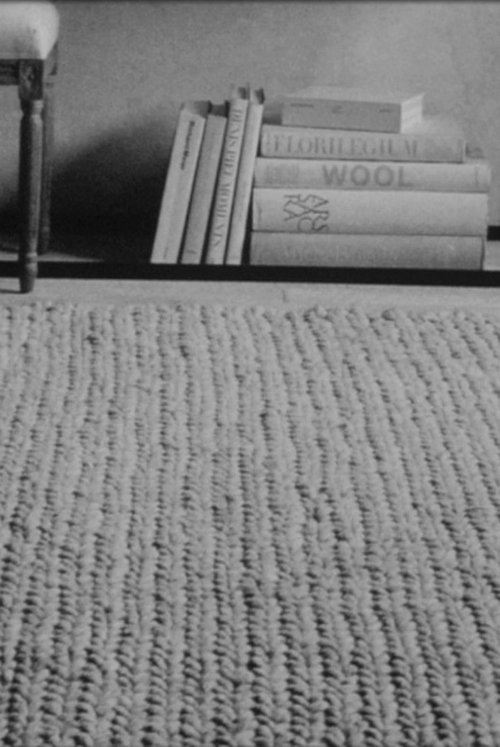
Takes as its subject the "Rugs" volume of the commercial catalogue and uses diegetic sound (actual sound in the space) to expose, in contrast to the silent images of constructed rooms, the room behind the camera. In addition, the center fold of the catalogue takes on importance as a visual clue as to the true dimensionality of the image.

In The Catalogue Chris Oakley presents the scenario of a perfect world of consumption, where a video surveillance system films the interior of a department store in which the individuals, together with their data, become entities-identities traceable and transparent thanks to their personal data. The individuals are followed through the crowd by motion tracking and are given graphical labels that list their purchase habits and general information regarding themselves.
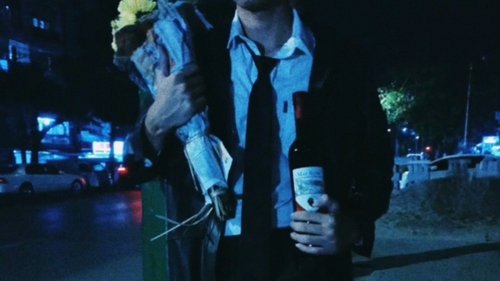
Within the chapters of a midnight theatrical piece, a painting process must be continued, and a tale about chess must be told under the moonlight.
A visual interpretation of Olivier Messiaen’s music for piano. The imagery and music evoke the habitat and song of these nocturnal birds. Filmed in black and white, symbolic of the cycle of life and death, the owl is a harbinger of transformation, mediating between two worlds – the seen and the unseen, the physical and the spiritual. From the terror of night, the forest opens to grassland and we hear in the music, the transcendent song of the lark.
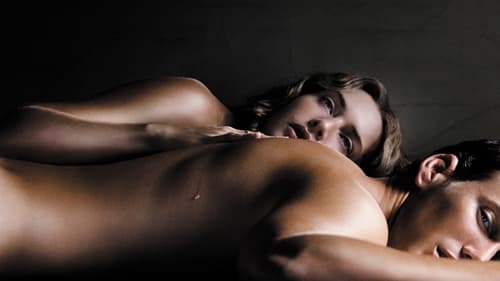
The lives of two lovelorn spouses from separate marriages, a registered sex offender, and a disgraced ex-police officer intersect as they struggle to resist their vulnerabilities and temptations.
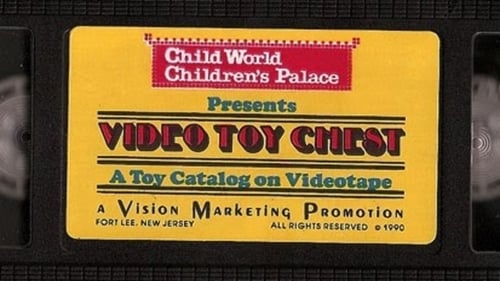
Promotional video that came from local Child World/Children's Palace toy store chains in a box that included a bag of Krunchers potato chips. The video features a mild plot involving mostly all children who are running a video production studio. It also includes a curly haired rapping man named "Robo-T". The video is a giant commercial with live skits in between as a fun bit until the next commercial.
DUMP_out through the mouth_ , a video work from artist Tako Taal for Tramway TV, borrows its form from image dumps, slideshows, and ‘catch-up’ or ‘previously on’ segments at the start of TV dramas. Using a bank of images taken on her camera phone over the past five years, Taal's work speaks to feelings of being at capacity, and of fatigue and frustration. ‘Dump’ is a word that imitates a sound, as well as a form of back-up after a system failure, something that Taal identifies through her work as a ‘catalogue of what could be lost.' (source, Tramway TV, Instagram)