
Action
Adventure
Animation
Comedy
Crime
Documentary
Drama
Family
Fantasy
History
Horror
Music
Mystery
Romance
Science Fiction
Thriller
War
Western
Found 44 movies, 18 TV shows, and 4 people
Can't find what you're looking for?
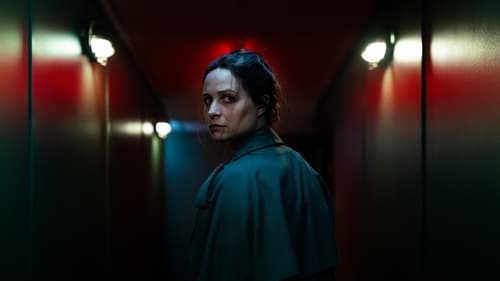
A screener at the British Board of Film Classification (BBFC), who has earned an unsavory reputation for being the strictest censor of violent films, begins to spiral out of control after viewing a low-budget horror with similarities to the disappearance of her sister.
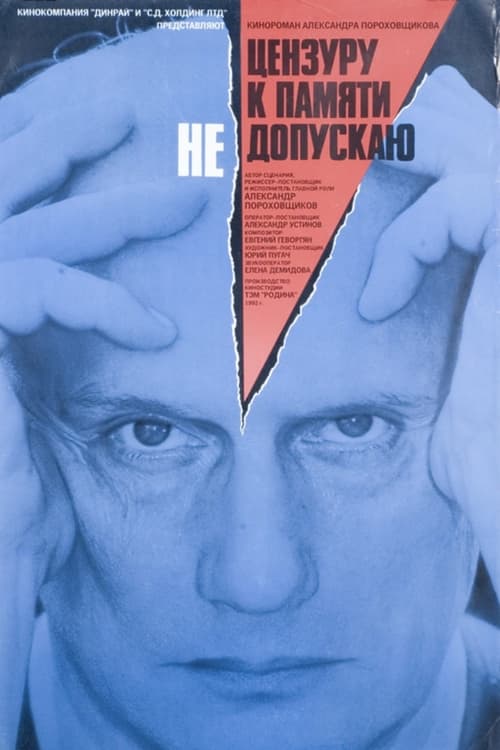
The protagonist spent a significant part of his life burdened by painful memories of his grandfather, who died during Stalin's repressions. And now the time has come when he could avenge his grandfather. This is one storyline, presented in the form of a flashback. The second unfolds in our time, which the author also sees as nothing good.
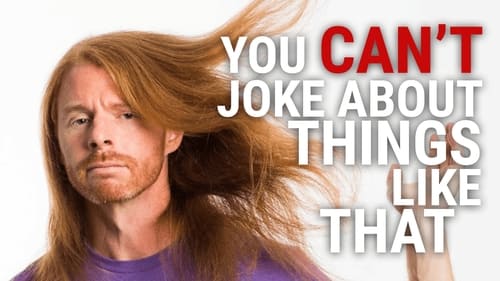
This full length special is fully uncensored and is created for freedom lovers. I've put my heart and soul into developing this stand-up special and hope you love it! Available for pre-sale today @ http://pleasecensorthis.locals.com/ & premieres October 25th.

In 1938 private Arnold Joseph, a German Jew from Saarbrücken, managed to escape from the Nazis to the USA. From 1945 till 1946, he served in the U.S. Army and acted as a censor of mail to and from Nazi prisoners at the Nuremberg Trials. After the trials, Joseph succeeded as a humanities scholar and an educator - he settled in Columbus, Ohio, graduated from The Ohio State University, and taught French at Denison University until his retirement in 1990. But the past is not forgotten: Arnold talks about his unique experience of distant contact with the minds of people who were accused of war crimes against his own people.
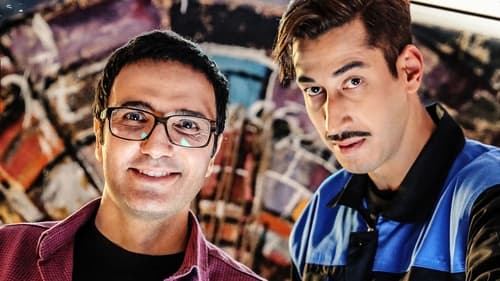
An author who couldn't get his book printed due to censorship, gets an opportunity to write a bestseller after a chance meeting.
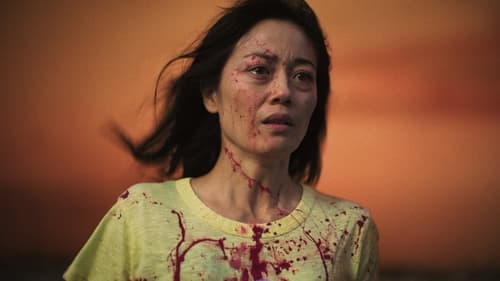
Night after night The Censor and his team mould Yoko's memories into fantastical dreams. Tonight nothing happens as planned.
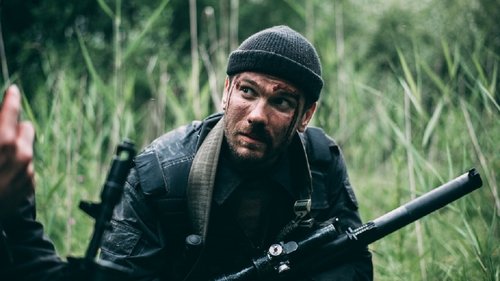
In the not-so-distant future the computer game industry reaches its fullest flower. Virtual reality is indistinguishable from real life. The government launches Department C to control the game space. Censors secretly delve into games. Their mission is to take sex and violence beyond the forbidden level. A game that would let them do that must be banned. One of the Censors is a good guy who hates his bloody job. The other one is a creep. But even the Censors lose their ability to tell the game from the real world.
A conversation between 20-somethings Jakartans about sex and relationships.
Through the conversation with Yugoslav film authors and excerpts from their films, this documentary film tells a story of a film phenomenon and censorship, and its focus is, in fact, a painful epoch of Yugoslav film called “a Black Wave”, which was the most important and artistically strongest period of Yugoslav film industry, created in the sixties and buried in the early seventies by means of ideological and political decisions. The film tells a great “thriller” story of the ideological madness which characterised the totalitarian psychology having left multiple consequences felt up to our very days. It stresses similarities between totalitarian regimes defending their taboos on the example of the persecution of the most important Yugoslav film authors. Those film authors have, however, made world careers and inspired many later authors. The film is the beginning of a debt pay-off to the most significant Yugoslav film authors.
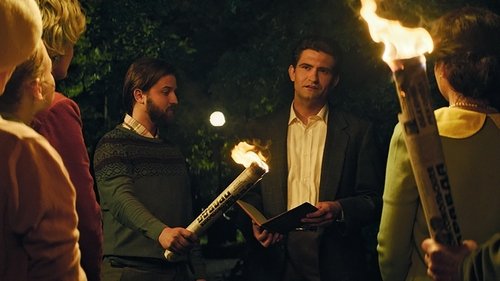
This is a metaphorical story about the tragic and mysterious death of the most powerful poet of 1960s, human rights activist, hero of Ukraine Vasyl Stus and his struggle with the Soviet system. The events of the film unfold during the last attempt by the KGB to seduce the poet with a whimsical "freedom".
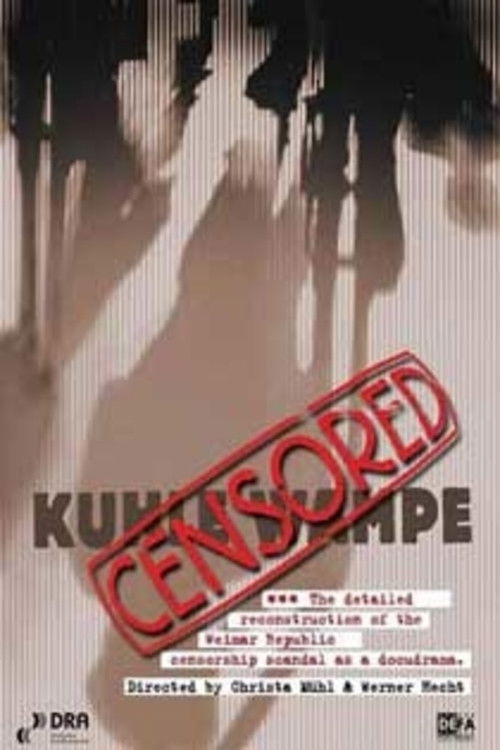
A detailed reconstruction of the censorship case against the landmark Weimar-era communist film, Kuhle Wampe, or Who Owns the World? (1932). Directed by Slatan Dudow, the crew and cast included left-wing luminaries, such as playwright Bertolt Brecht, composer Hanns Eisler and balladeer Ernst Busch. The film was the subject of vehement disputes and was banned twice for revolutionary and communist tendencies that were perceived to threaten the state. About 230 meters of the original film fell victim to the censor’s shears. This historic censorship case was argued over the course of three sessions. Censored: Kuhle Wampe re-enacts the censorship hearings, based on original minutes and documents, as well as personal records of the case. In addition to footage from the original film, this docudrama includes original clips of Berlin in the 1920s and '30s and short testimonies, filmed in the 1970s, with some of the actors involved in the original Kuhle Wampe film production.
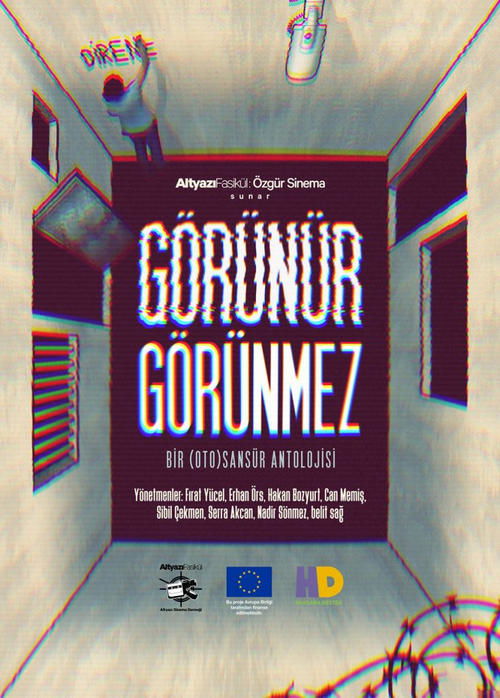
Desktop images, letters, text messages, interviews and CCTV footage, this aesthetically eclectic, politically daring collection of films by Altyazı Fasikül: Free Cinema stresses the need for criticality in times of censorship and repression.
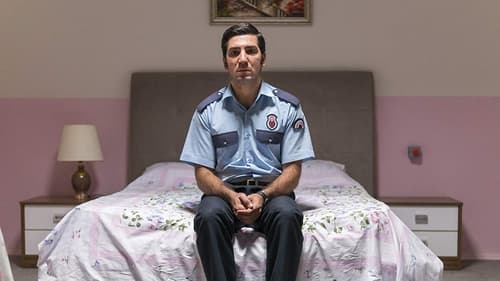
In the heart of Istanbul's prison, Zakir controls the letters prisoners receive. His average day is spent between the censorship office, his colleagues and his evening writing class. For a writing assignment, he steals a photo from one of the letters, in which appears Selma, an inmate's wife. More than an inspiration, she becomes an obsession for Zakir. He observes her, makes up stories, and imagines the worst to the extent that he puts himself at great risk.
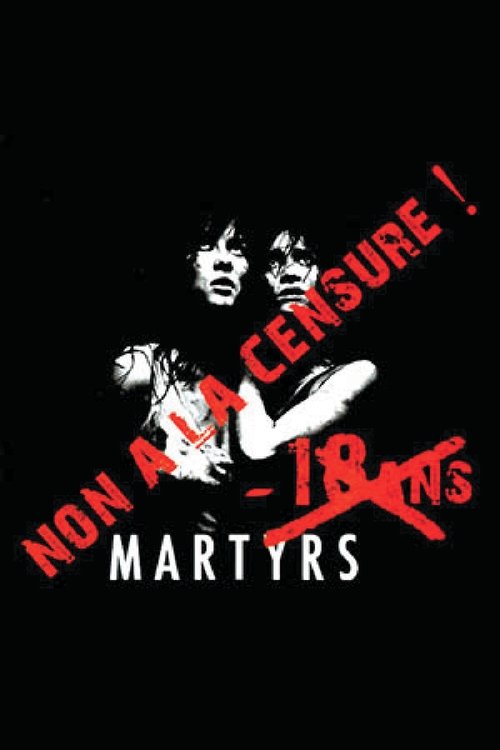
After being delayed for a few months because of a 18+ rating due to its extreme violence, the French horror thriller Martyrs was finally released a few months later in the local theaters, with a 16+ rating with warning. This video was shot in June 2008, during a manifestation organised to protest against the first rating decision.

Before the G, PG and R ratings system there was the Production Code, and before that there was, well, nothing. This eye-opening documentary examines the rampant sexuality of early Hollywood through movie clips and reminiscences by stars of the era. Gloria Swanson, Mary Pickford, Marlene Dietrich and others relate tales of the artistic freedom that led to the draconian Production Code, which governed content from 1934 to 1968. Diane Lane narrates.
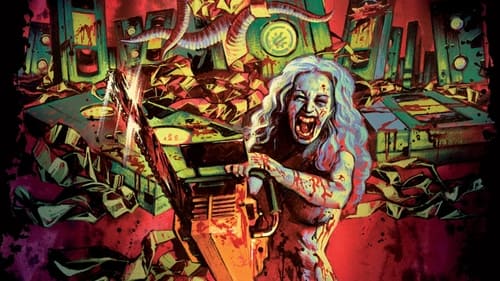
A documentary analyzing the furore which so-called "video nasties" caused in Britain during the 1980s.
A cameraman chases a white rabbit and comes upon police brutality. Recording it and screening the footage will result in immediate censorship. Is this the end?

This thought-provoking documentary explores how the Chinese government limits freedom in Hong Kong and Taiwan. Through extraordinary cases from the arrest of Beijing-based artist HUA Yong and the disappearances of five booksellers in Hong Kong’s Causeway Bay to controversial scandals involving celebrities CHOU Tzu-yu and Leon DAI, director Kevin H.J. LEE and Lulu LU argue that even ordinary Taiwanese citizens may not be as politically and economically free from Beijing’s influence as they like to believe.
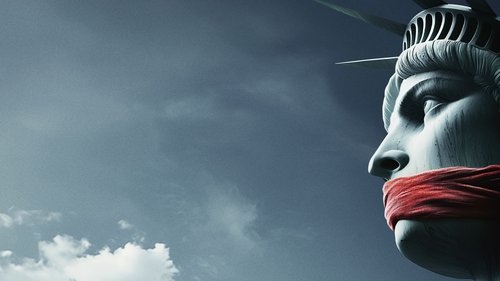
For decades, the United States stood as a global symbol of free speech. But what if that legacy is being quietly rewritten? Through expert testimony and firsthand accounts, the film raises unsettling questions about the future of truth and invites you to see what few have dared to expose.
Explores sexuality and censorship over a hundred years of motion pictures.
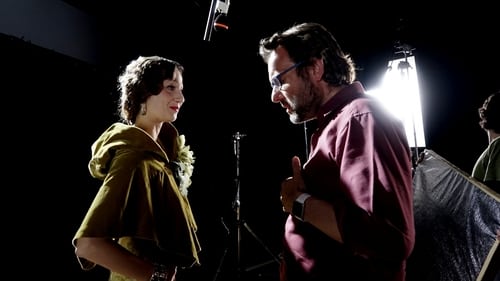
The story of Italian cinema under Fascism, a sophisticated film industry built around the founding of the Cinecittà studios and the successful birth of a domestic star system, populated by very peculiar artists among whom stood out several beautiful, magnetic, special actresses; a dark story of war, drugs, sex, censorship and tragedy.
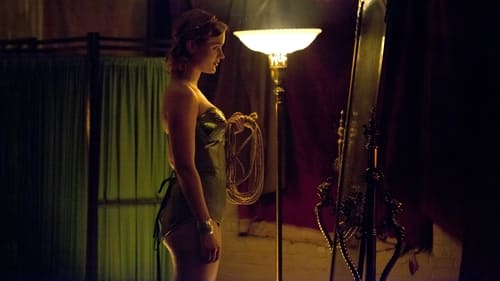
The unconventional life of Dr. William Marston, the Harvard psychologist and inventor who helped invent the modern lie detector test and co-created Wonder Woman in 1941.
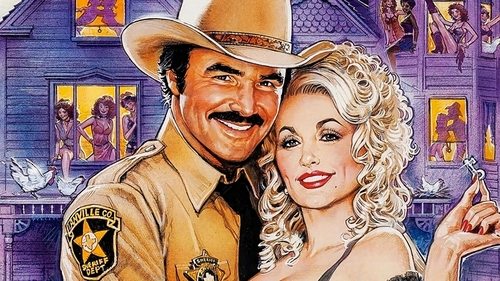
When a Conservative TV crusader threatens to shut down beloved brothel, the Chicken Ranch, proprietress Miss Mona Stangley and her girls won't go down without a fight.

As local newsrooms vanish, "News Without a Newsroom" explores journalism's uncertain future in the digital age. Through powerful stories and expert insights, the film examines the collapse of traditional media, the rise of misinformation, and the fight to preserve truth, trust and accountability in an era of disruption.
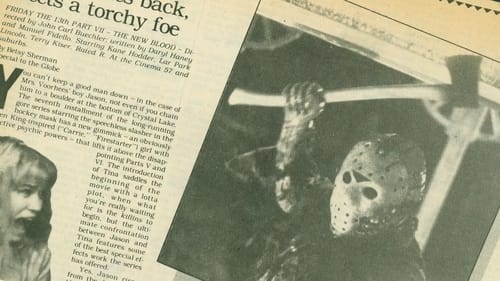
Taking inspiration from Peter M. Bracke's definitive book of the same name, this seven-hour documentary dives into the making of all twelve Friday the 13th films, with all-new interviews from the cast and the crew.
A New York University professor returns from a rescue mission to the Amazon rainforest with the footage shot by a lost team of documentarians who were making a film about the area's local cannibal tribes.
In 1996, brash L.A. detective John Spartan and maniac killer Simon Phoenix are both sentenced to decades in a cryogenic prison as punishment for a rescue mission gone wrong. When Phoenix escapes 36 years later to wreak havoc on the future, Spartan is awakened to capture his nemesis the old-fashioned way.
The Lecturer, leader of the Feminine League Against Frivolity, tells the history of eroticism and censorship from the beginning of time until the late 1960s.
Hell on Earth is a documentary about Ken Russell's 1971 film, The Devils. Film critic Mark Kermode chats to Russell as well as two of the film’s stars, Georgina Hale and Murray Melvin. Also included are scenes that were cut from the released film for being too controversial.
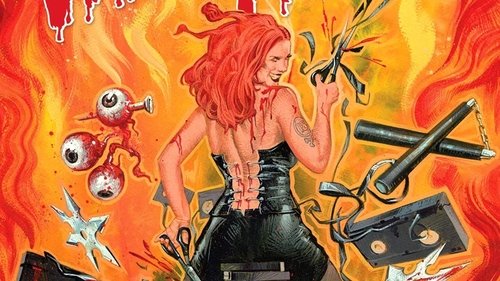
The highly anticipated follow-up to their critically acclaimed VIDEO NASTIES: MORAL PANIC, CENSORSHIP & VIDEOTAPE documentary, director Jake West and producer Marc Morris continue uncovering the shocking story of home entertainment post the 1984 Video Recordings Act. A time when Britain plunged into a new Dark Age of the most restrictive censorship, where the horror movie became the bloody eviscerated victim of continuing dread created by self-aggrandizing moral guardians. With passionate and entertaining interviews from the people who lived through it and more jaw dropping archive footage, get ready to reflect and rejoice the passing of a landmark era.
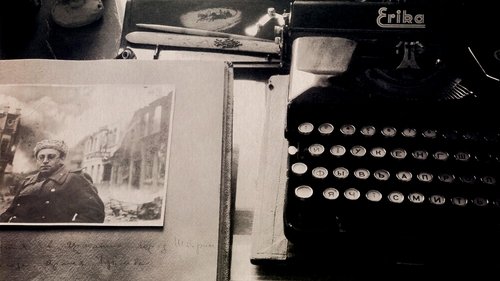
The convoluted and moving story of Russian writer Vassili Grossman (1905-64) and his novel Life and Fate (1980), a literary masterpiece, a monumental and epic account of life under Stalin's regime of terror, a defiant cry that the KGB tried to suffocate.
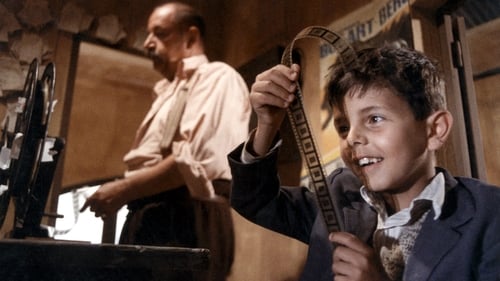
A filmmaker recalls his childhood, when he fell in love with the movies at his village's theater and formed a deep friendship with the theater's projectionist.
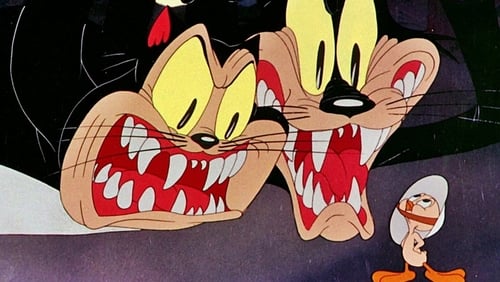
Two alley cats, Babbitt and Catsello, decide to make a meal out of Orson as he sleeps in his nest atop a telephone pole. The gullible (and loud) Catsello is repeatedly gulled into trying to "get the bird," earning a variety of thrashings from the casually murderous little canary. Catsello finally resorts to an air strike (with a pair of wooden boards for wings), but it's wartime, and Orson has the cat blasted out of the sky by anti-aircraft guns.

In 2001, Jimmy Wales published the first article on Wikipedia, a collaborative effort that began with a promise: to democratize the spreading of knowledge, monopolized by the elites for centuries. But is Wikipedia really a utopia come true?
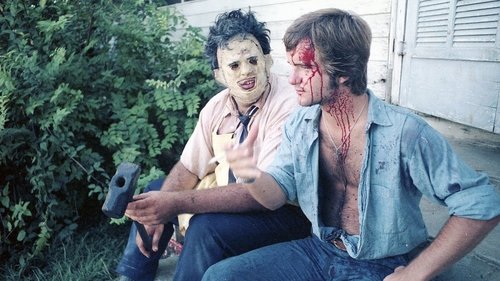
A documentary primarily focusing on the filming and release of the original Texas Chainsaw Massacre.
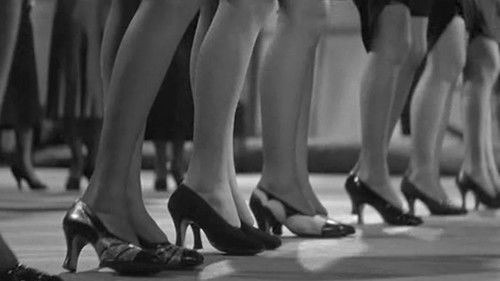
A look at the forces that shaped Pre-Code Hollywood and brought about the strict enforcement of the Hays Code in 1934.
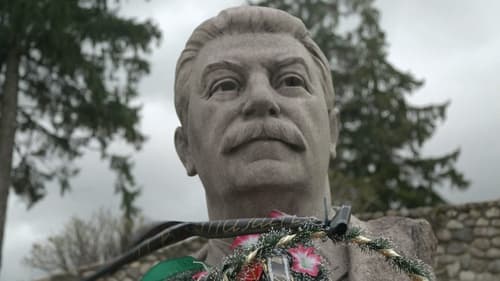
It’s the last dictatorship of Europe, caught in a Soviet time-warp, where the secret police is still called the KGB and the president rules by fear. Disappearances, political assassinations, waves of repression and mass arrests are all regular occurances. But while half of Belarus moves closer to Russia, the other half is trying to resist…
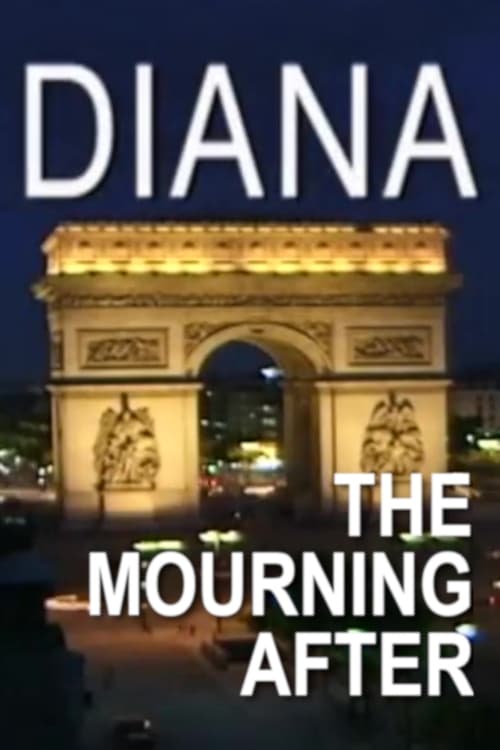
In "Diana: The Mourning After" Christopher Hitchens sets out to examine the bogusness of "a nation's grief", tries to uncover the few voices of sanity that cut against the grain of contrived hysteria. His findings suggested that the collective hordes of emotive Dianaphiles sobbing in the streets were not only encouraged but emulated by the media. In the aftermath of Diana's death a three-line whip was enforced on newspapers and on TV, selling the sainthood line wholesale. The suspicion was that journalists, like the public, greeted the death as a chance to wax emotional in print, as a change from the customary knowing cynicism, to wheel out all those portentous phrases they'd been saving up for the big occasion. Sadly, they just seemed to be showboating; the eulogies, laments and tear-soaked platitudes ringing risibly hollow.

Kirby Dick's provocative documentary investigates the secretive and inconsistent process by which the Motion Picture Association of America rates films, revealing the organization's underhanded efforts to control culture. Dick questions whether certain studios get preferential treatment and exposes the discrepancies in how the MPAA views sex and violence.
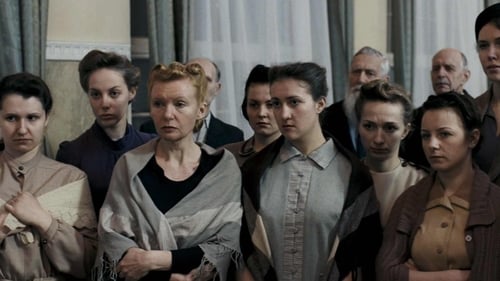
Nazi POWs suspected of heinous acts are locked up in a Soviet women's prison run by vengeful female guards. To weed out the guilty, the innocent must pay. Can supposed enemies turn into great loves? Based on a true post-World War II story, this drama stars Thomas Kretschmann, John Malkovich and Vera Farmiga in a bitter game of cat and mouse and a battle between hate and humanity, mercy and revenge.
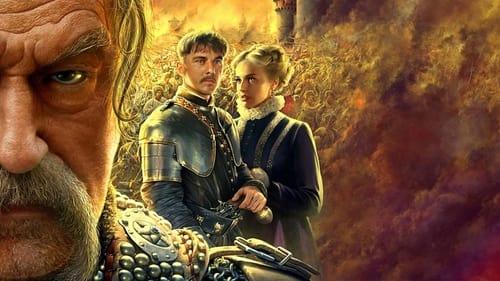
Set in the 16th century, this is a story about Ukraine's Cossack warriors and their campaign to defend their lands from the advancing Polish armies.

In 1889, mounted on a small gray horse named Serko, Dimitri leaves his garrison on the Asian borders of the Russian Empire on the banks of the Amur River. After extraordinary adventures, they both arrive in St. Petersburg, at the court of the Tsar. Having covered more than 9000 kilometers in less than 200 days, this young rider has achieved the most fantastic equestrian feat of all time.
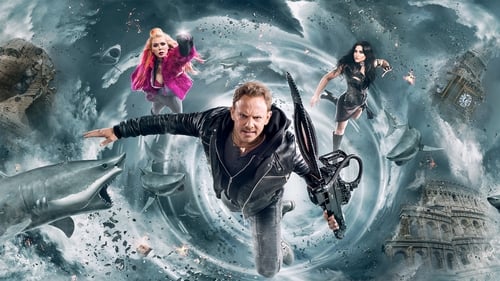
Fin and his wife April travel around the world to save their young son who's trapped inside a sharknado.

Commodore 64 demoscene short film that showcases computer animation, art and music. Made in modern times on old Commodore 64 computers.