
Action
Adventure
Animation
Comedy
Crime
Documentary
Drama
Family
Fantasy
History
Horror
Music
Mystery
Romance
Science Fiction
Thriller
War
Western
Found 38 movies, 7 TV shows, and 3 people
Can't find what you're looking for?
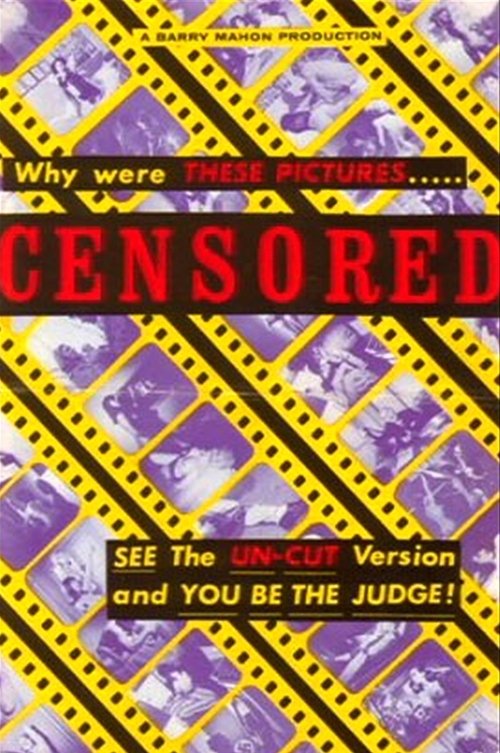
A collection of clips that had reputedly been scissored from various films on account of their content being too racy. (None of them actually were - in fact, it's all footage shot for this film by Barry Mahon - but why get in the way of a good story?)
A successful stand-up comic finds himself in danger when he gets stranded in a town with heavy laws against humor.
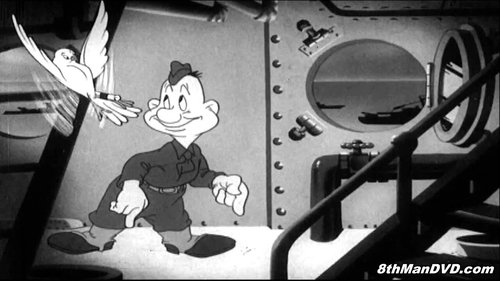
Private Snafu wants to tell his sweetheart, Sally Lou, that he thinks his unit will be sent to the South Pacific. But every effort he makes to get his letter through uncensored is thwarted by a resourceful (and unseen) censor with an array of contraptions and booby traps. Not even Snafu's carrier pigeon can avoid the censor -- not when he has a hawk for an assistant. Technical Fairy, First Class, comes to the rescue and agrees to deliver the letter -- but he has good reason to say that he'll hate himself in the morning.

A documentary about the cultural effect of film censorship, focusing on the tumultuous times of the teens and early 1920s in America.
No description available for this movie.
Klaus is trying to send a love letter to his girlfriend, now studying aboard. However, since the country is at war, all of his letters are censored. Maybe the only way to fix this situation is to become the letter inspector himself.
Anti-gay/pro-conversion therapy documentary.

Iconoclast Candela Capitán re-releases her transgressive dance piece for The 1975’s banned visualizer
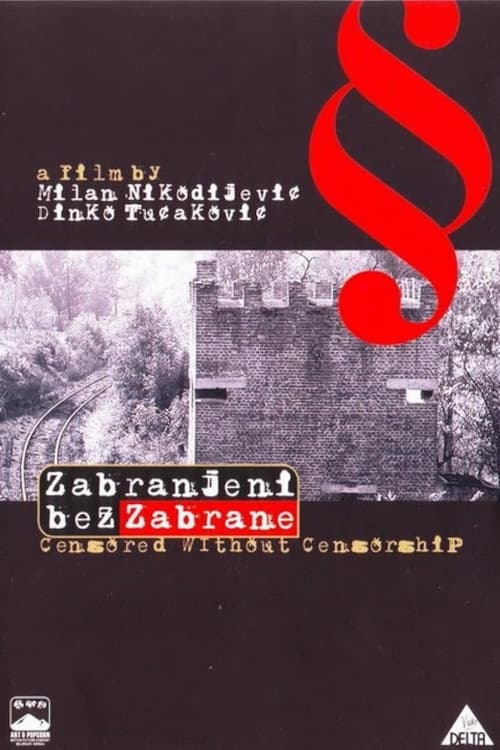
Through the conversation with Yugoslav film authors and excerpts from their films, this documentary film tells a story of a film phenomenon and censorship, and its focus is, in fact, a painful epoch of Yugoslav film called “a Black Wave”, which was the most important and artistically strongest period of Yugoslav film industry, created in the sixties and buried in the early seventies by means of ideological and political decisions. The film tells a great “thriller” story of the ideological madness which characterised the totalitarian psychology having left multiple consequences felt up to our very days. It stresses similarities between totalitarian regimes defending their taboos on the example of the persecution of the most important Yugoslav film authors. Those film authors have, however, made world careers and inspired many later authors. The film is the beginning of a debt pay-off to the most significant Yugoslav film authors.
This is a metaphorical story about the tragic and mysterious death of the most powerful poet of 1960s, human rights activist, hero of Ukraine Vasyl Stus and his struggle with the Soviet system. The events of the film unfold during the last attempt by the KGB to seduce the poet with a whimsical "freedom".
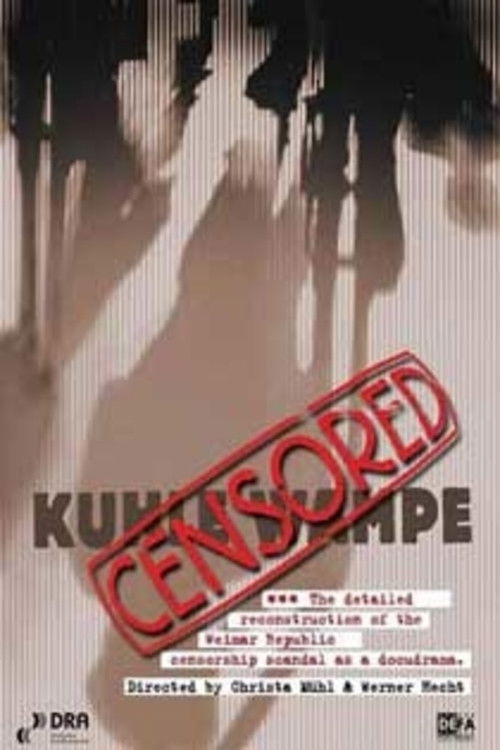
A detailed reconstruction of the censorship case against the landmark Weimar-era communist film, Kuhle Wampe, or Who Owns the World? (1932). Directed by Slatan Dudow, the crew and cast included left-wing luminaries, such as playwright Bertolt Brecht, composer Hanns Eisler and balladeer Ernst Busch. The film was the subject of vehement disputes and was banned twice for revolutionary and communist tendencies that were perceived to threaten the state. About 230 meters of the original film fell victim to the censor’s shears. This historic censorship case was argued over the course of three sessions. Censored: Kuhle Wampe re-enacts the censorship hearings, based on original minutes and documents, as well as personal records of the case. In addition to footage from the original film, this docudrama includes original clips of Berlin in the 1920s and '30s and short testimonies, filmed in the 1970s, with some of the actors involved in the original Kuhle Wampe film production.
A cameraman chases a white rabbit and comes upon police brutality. Recording it and screening the footage will result in immediate censorship. Is this the end?
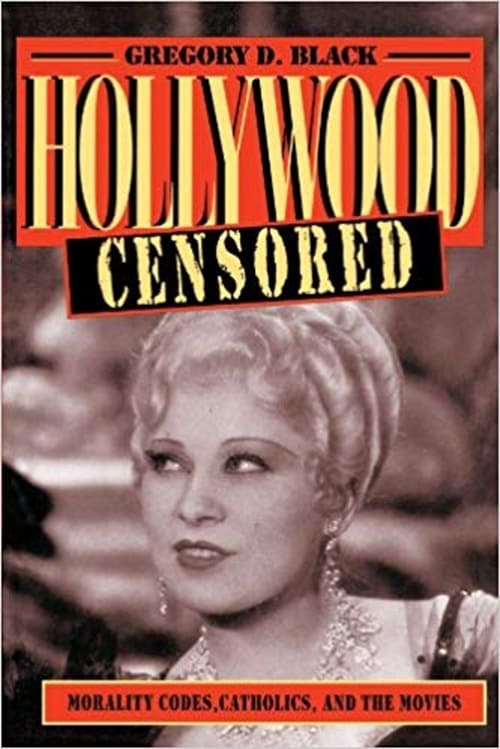
This documentary by Clara and Julia Kuperberg examines how a set of moral guidelines known as the Hays Code influenced movie-making in Hollywood from the 30s through to the late 60s.
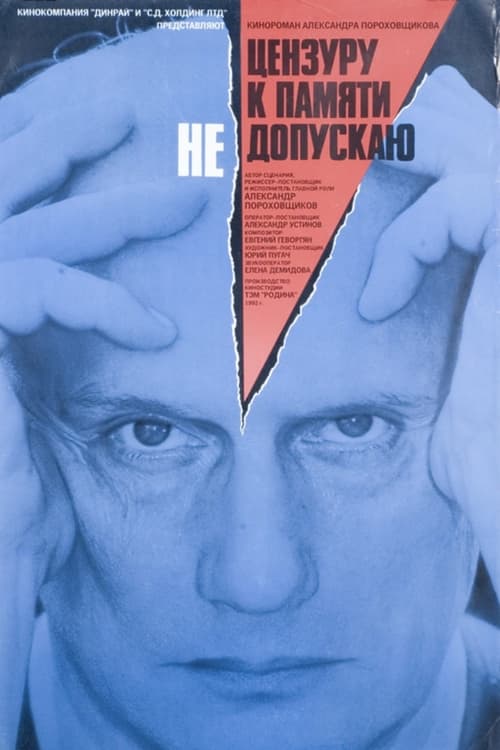
The protagonist spent a significant part of his life burdened by painful memories of his grandfather, who died during Stalin's repressions. And now the time has come when he could avenge his grandfather. This is one storyline, presented in the form of a flashback. The second unfolds in our time, which the author also sees as nothing good.
An author who couldn't get his book printed due to censorship, gets an opportunity to write a bestseller after a chance meeting.
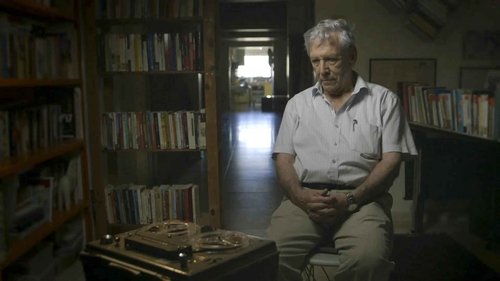
The 1967 'Six-Day' war ended with Israel's decisive victory; conquering Jerusalem, Gaza, Sinai and the West Bank. It is a war portrayed, to this day, as a righteous undertaking - a radiant emblem of Jewish pride. One week after the war, a group of young kibbutzniks, led by renowned author Amos Oz, recorded intimate conversations with soldiers returning from the battlefield. The recording revealed an honest look at the moment Israel turned from David to Goliath. The Israeli army censored the recordings, allowing the kibbutzniks to publish only a fragment of the conversations. 'Censored Voices' reveals the original recordings for the first time.
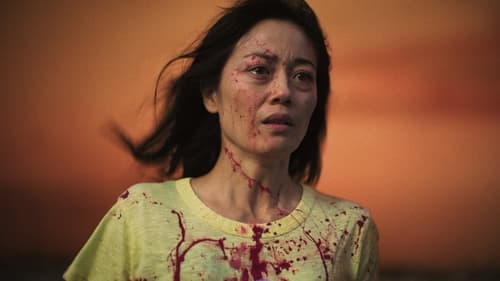
Night after night The Censor and his team mould Yoko's memories into fantastical dreams. Tonight nothing happens as planned.
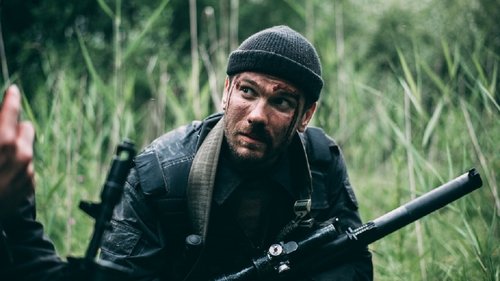
In the not-so-distant future the computer game industry reaches its fullest flower. Virtual reality is indistinguishable from real life. The government launches Department C to control the game space. Censors secretly delve into games. Their mission is to take sex and violence beyond the forbidden level. A game that would let them do that must be banned. One of the Censors is a good guy who hates his bloody job. The other one is a creep. But even the Censors lose their ability to tell the game from the real world.
![[CENSORED]](https://image.tmdb.org/t/p/w500/joW7MYfY3uXKsG4KcBAg8aiVCcK.jpg)
An essay film by filmmaker and archivist Sari Braithwaite, [Censored] offers an overview of film censorship in Australia, told through an ever-changing collage of images compiled from the footage that was cut from films released domestically between 1958 and 1971.

This short PSA, produced with the help of Irish Hip Hop band Kneecap, compiles information from numerous sources to showcase the scale of atrocities carried out by the Israeli government and military against the people of Gaza.
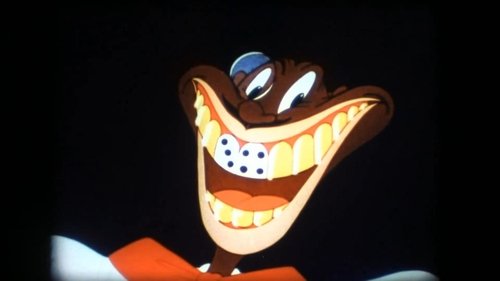
Spoof of Snow White and the Seven Dwarfs (1937) with an all-black cartoon cast. One of the “Censored 11” banned from TV syndication by United Artists in 1968 for racist stereotyping.
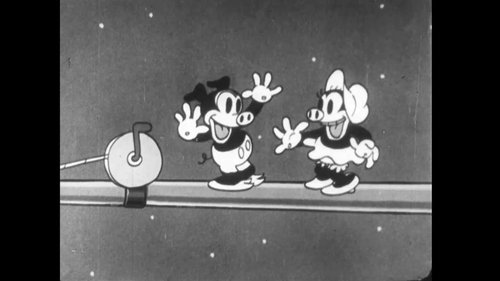
Piggy and Fluffy, which is the ripoff of Mickey and Minnie, have adventures on a riverboat and Uncle Tom is chased by skeletons promising to take him to Hallelujah Land. One of the "Censored Eleven" banned from TV syndication by United Artists in 1968 for racist stereotyping.
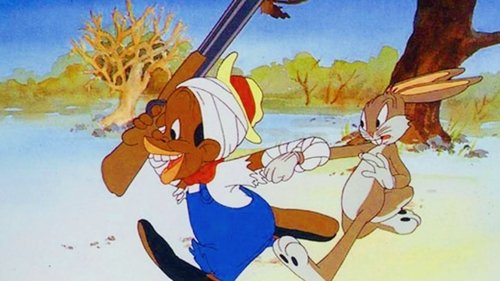
Bugs Bunny heckles a black hunter and escapes from a bear. One of the “Censored 11” banned from TV syndication by United Artists in 1968 for racist stereotyping.
For a long time, Natalie, an Australian architect living in New York City, had always believed that what she had seen in rom-coms is all fantasy. But after thwarting a mugger at a subway station only to be knocked out while fleeing, Natalie wakes up and discovers that her life has suddenly become her worst nightmare—a romantic comedy—and she is the leading lady.
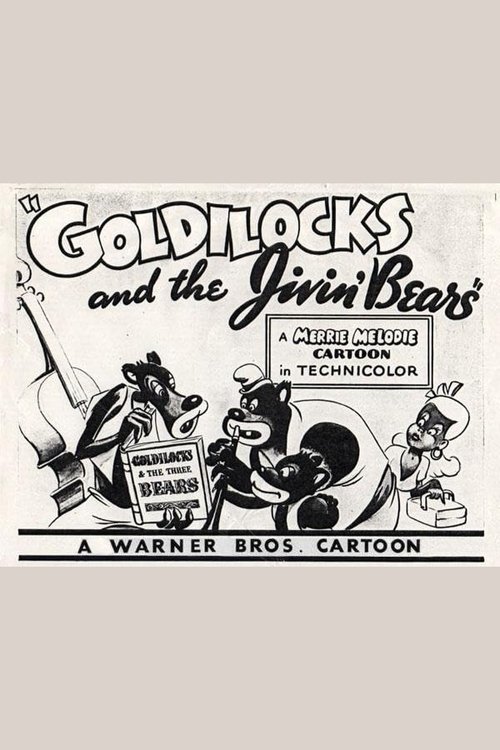
The stories of "Goldilocks" and "Little Red Riding Hood" collide with the world of jazz, resulting in three jiving bears and a jitterbugging Big Bad Wolf. One of the “Censored 11” banned from TV syndication by United Artists in 1968 for racist stereotyping.
Warner Bros. cartoon parody of Uncle Tom's Cabin. One of the “Censored 11” banned from TV syndication by United Artists in 1968 for racist stereotyping.
The Lord sees that the stock value of "Pair-o-dice" is dropping on the exchange so he dispatches a slow-witted and slow-talking angel to sinful Harlem to recruit new customers. When this fails, God finds success sending a group of musical angels with a little more swing in their style, so much so that even the Devil wants to join up! One of the “Censored 11” banned from TV syndication by United Artists in 1968 for racist stereotyping.
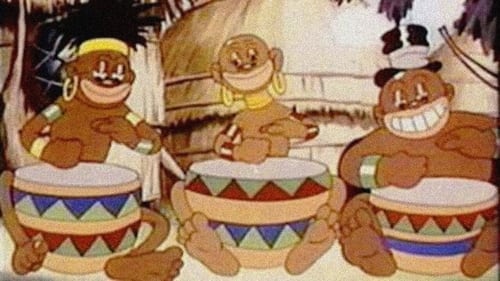
Starts out with a tribe of African cannibals imitating Native Americans. After this, they do the new Warner Bros. Looney Tunes theme "The Merry-Go-Round Broke Down." Then a sloppy stuttering salesman knocks on their doors, and they bring him in and put him in a pot of boiling water. The queen of the tribe wants to see the man. She falls in love with him. They get married, but when the salesman sees he has to kiss the bride, he decides he'd be better off being dinner for a tribe of hungry cannibals. One of the “Censored 11” banned from TV syndication by United Artists in 1968 for racist stereotyping.
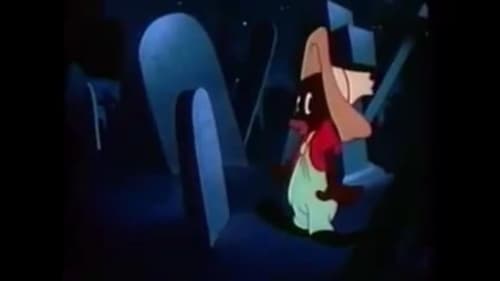
A little black boy is hired to kill a cat, but the feline escapes and proceeds to play tricks on the kid, pretending he's a ghost come back to haunt his "killer". One of the “Censored 11” banned from TV syndication by United Artists in 1968 for racist stereotyping.
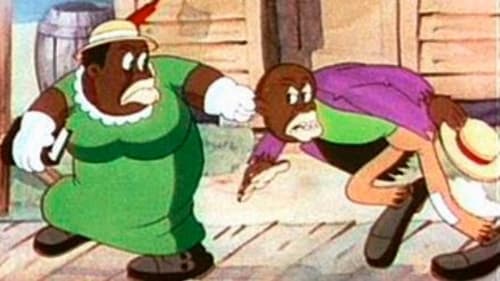
A Black man sneaks out of church and tries to steal a chicken, but gets a taste of Hell when he's accidentally knocked unconscious. One of the "Censored 11" banned from TV syndication by United Artists in 1968 for racist stereotyping.
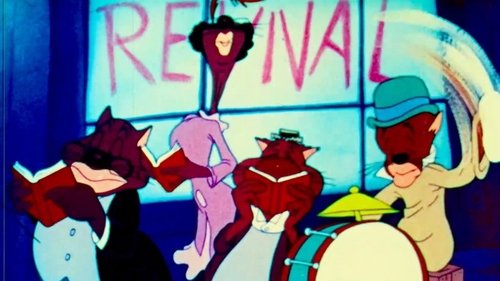
A jazz cartoon involving a "Fats Waller"-like cat who leaves the "Uncle Tomcat Mission" for the local jazz club. One of the “Censored 11” banned from TV syndication by United Artists in 1968 for racist stereotyping.

A travelogue spotlights the tropical island of Pingo Pongo, showing the unusual flora and fauna and the lives of the happy natives. One of the “Censored 11” banned from TV syndication by United Artists in 1968 for racist stereotyping.

Excellent in his conduct and academic achievement Yun Yize and wild, unruly and mediocre student Ding Chen dislike each other, but because of an accident Yize finds out that Ding Chen's secret identity is actually Ding Chen illustrating the funny anecdotes on youth of life on campus.
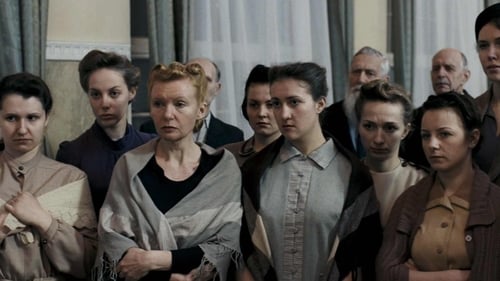
Nazi POWs suspected of heinous acts are locked up in a Soviet women's prison run by vengeful female guards. To weed out the guilty, the innocent must pay. Can supposed enemies turn into great loves? Based on a true post-World War II story, this drama stars Thomas Kretschmann, John Malkovich and Vera Farmiga in a bitter game of cat and mouse and a battle between hate and humanity, mercy and revenge.
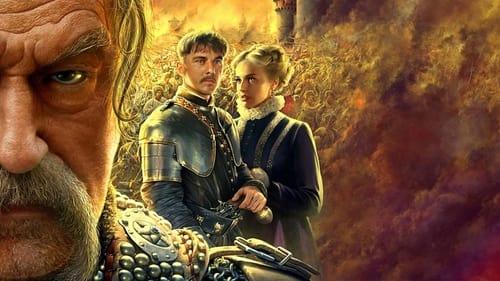
Set in the 16th century, this is a story about Ukraine's Cossack warriors and their campaign to defend their lands from the advancing Polish armies.

In 1889, mounted on a small gray horse named Serko, Dimitri leaves his garrison on the Asian borders of the Russian Empire on the banks of the Amur River. After extraordinary adventures, they both arrive in St. Petersburg, at the court of the Tsar. Having covered more than 9000 kilometers in less than 200 days, this young rider has achieved the most fantastic equestrian feat of all time.
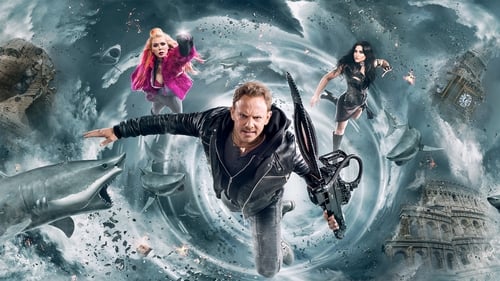
Fin and his wife April travel around the world to save their young son who's trapped inside a sharknado.
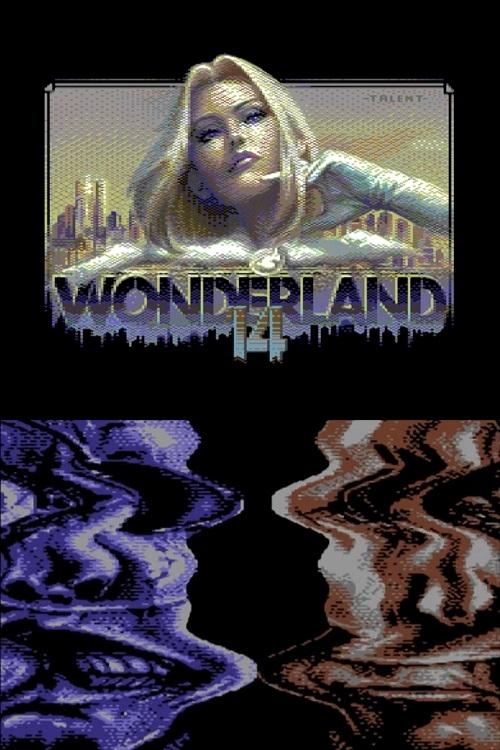
Commodore 64 demoscene short film that showcases computer animation, art and music. Made in modern times on old Commodore 64 computers.