
Action
Adventure
Animation
Comedy
Crime
Documentary
Drama
Family
Fantasy
History
Horror
Music
Mystery
Romance
Science Fiction
Thriller
War
Western
Found 40 movies, 18 TV shows, and 0 people
Can't find what you're looking for?

History of a Committed Cinema is a primer for the Nicaraguan audience to what they are watching on the screen. A critique of Western & Hollywood cinema, it outlines the difficult technical, cinematic, and political tasks confronting INCINE (Instituto Nicaragüense de Cine) as it strives to build a native film industry.

A documentary about the first century of pornographic cinema, including extracts from pornograhic films and animated movies. In order to show the evolution of this genre, the film is divided in several parts: "Une préhistoire clandestine" ('a clandestine prehistory'), "Le temps de la libération" ('freedom time'), "L'age d'or du X" ('heyday of porno'), "L'explosion de la vidéo" ('the multiplication of videos') and "Les nouvelles tendances" ('the new tendancies').
Covering over 100 years of cinema, this is a journey of discovering and exploring the magic of cinema from a personal perspective. Looking at the changes and developments of cinema Thomas explains how film has deeply affected his life as a person and a filmmaker.
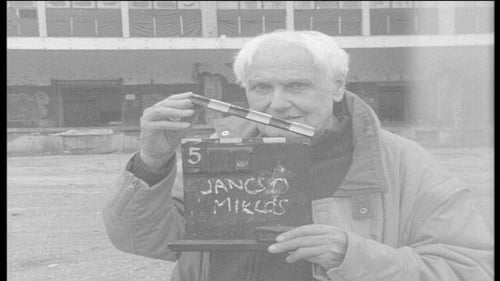
Reconstructions of unrealized Hungarian films in cooperation with the greatest Hungarian film directors.
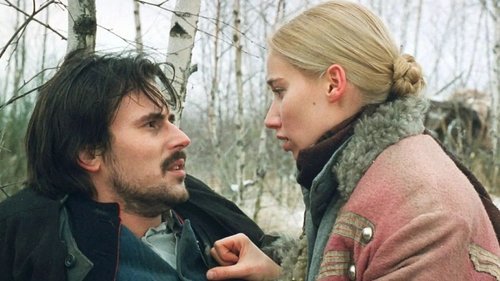
No description available for this movie.
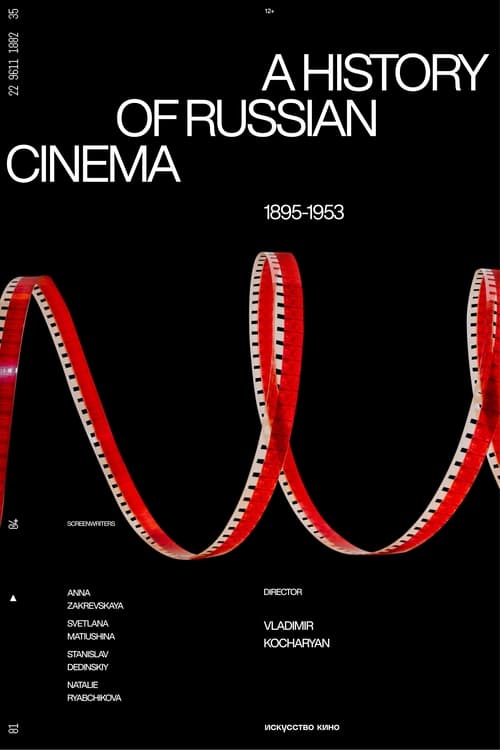
A two part documentary about the first five decades of Russian cinema: from its birth to 1953 - the death of Stalin and the first seedlings of the thaw. The film covers the most important milestones of cinema. Its introduction as a lowbrow entertainment, the impact of WWI and revolutions on the film process. The principal masters - Kuleshov, Vertov, Eisenstein - and their discoveries in film language at the turn of the 1920-30s. The arrival of sound. The evacuation of the Soviet film industry during WWII and the heroic work of the wartime documentary crews. Restricted film production and early signs of the thaw in the late 1940s - early 1950s. Film historians and art critics, directors and screenwriters put the history of cinema in a broader context, considering the path that the country took from Tsarist Russia to the totalitarian state under the rule of Stalin.
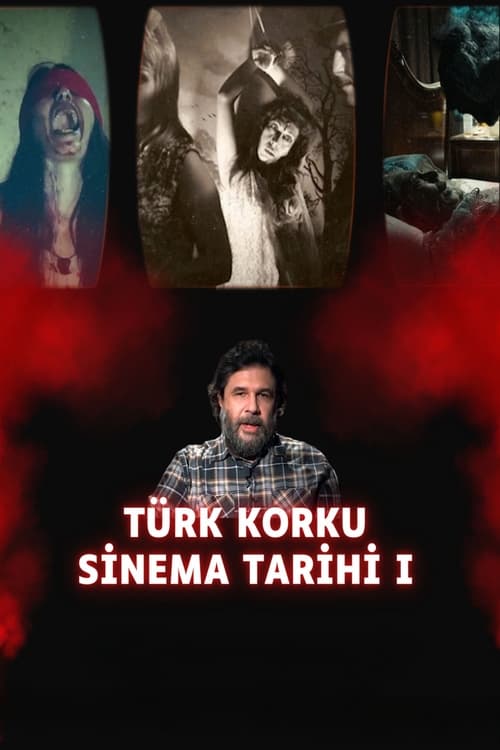
History of Turkish Horror Cinema tries to take the first step in explaining how horror cinema started in Turkey, what prejudices it strives to break, and how film directors, producers and screenwriters see horror cinema.
A satirical video for the History of Cinema course at A.U.Th.

They have no experience, no resources, no knowledge, but when has this stopped sincere enthusiasts? A portrait of Russian pioneers of low-budget thrash horror — a genre that rarely comes into the focus of the general public's attention, which director Maxim Poltavchenko lovingly shows in all their grotesque and inventive variety.

A History of Israeli Cinema is the result of years of researches, studies, documentation, screening, interviews, some recorded, some to learn, to understand, to unfold. Actors, thinkers, producers, filmmakers, professors, critics negotiated to build a narrative that remains fragile and incomplete. It is the process rather than the result that is shared here.
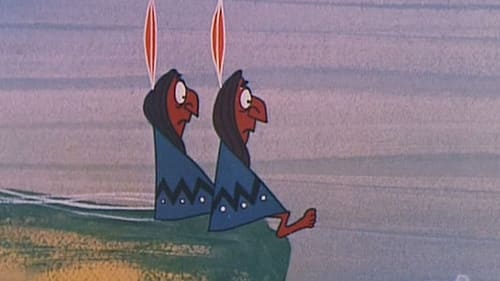
A humorously semi-factual account of the history of cinema.
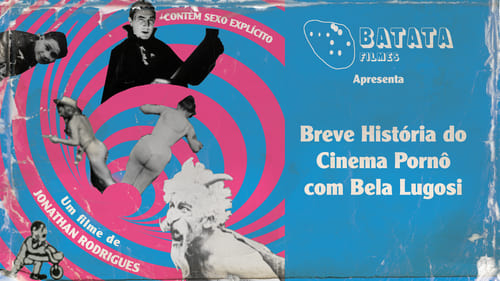
Bela Lugosi returns from beyond to present this documentary that investigates the origins of erotic and pornographic cinema, with uncensored images of surviving films, the first erotic films, explicit sex filmed in clandestinity, where they came from and who watched. A curious and interesting work of collages that is very informative.
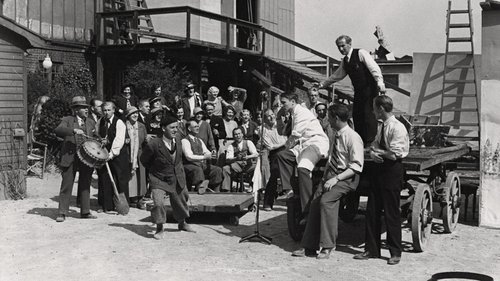
Documentary on the rise and fall of the Danish silent film industry.

French Animation has become the 3rd largest animation industry in the world. Inventors of a worldwide recognised technique, French artists have managed to stand out thanks to their perseverance and creativity.
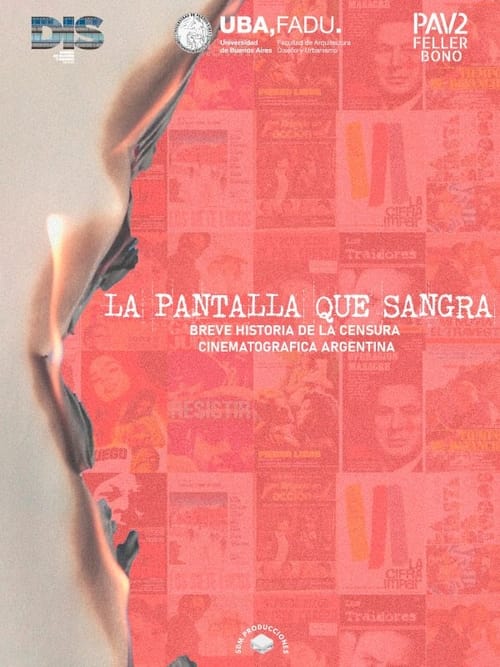
Based on a research process on the Entity of Film Rating, The Bleeding Screen: Brief History Of Argentinian Cinema Censorship explores Miguel Paulino Tato’s interventions in cinema and audiovisual media during his time as intervener in the 1960s and 1970s.
Explores how representations of transgender characters on screen often lack positive approaches.
An anthology of Marathi Cinema from 1885 to 1980.
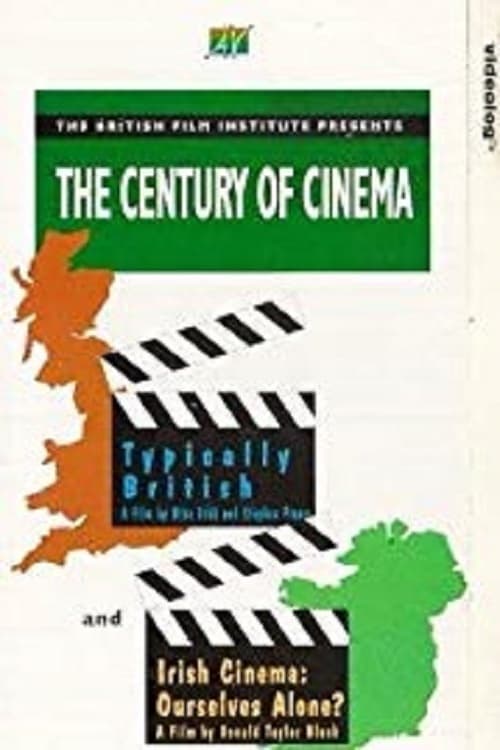
Stephen Frears and a quartet of film industry notables - representing different cinematic periods - drink tea and discuss ups and downs of British cinema.
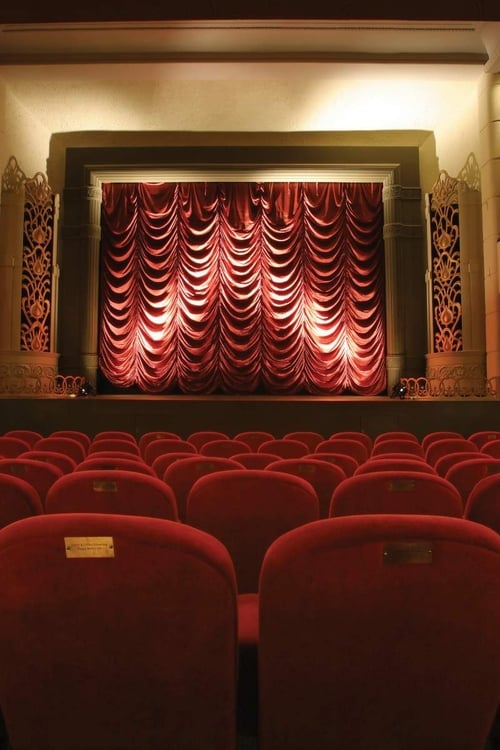
In 2017 Tyneside Cinema turned 80.
The Magic History Of Cinema is an international documentary showcasing magic and movies long continued history and explores how the origins of cinema are closely linked to the conjurors and illusionists of the early 20th century and how those ties continue with todays top filmmakers and magicians.

Born in Berlin in 1896, Lotte Eisner became famous for her passionate involvement in the world of both German and French cinema. In 1936, together with Henri Langlois, she founded the Cinémathèque Française with the goal of saving from destruction films, costumes, sets, posters, and other treasures of the 7th Art. A Jew exiled in Paris, she became a pillar of the capital's cultural scene, where she promoted German cinema.
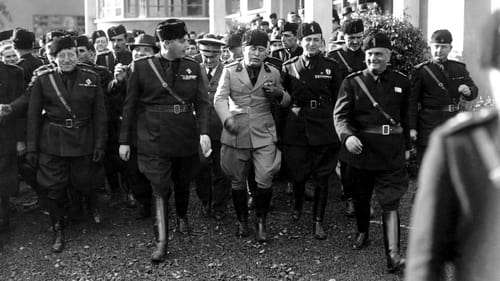
Cinecitta is today known as the center of the Italian film industry. But there is a dark past. The film city was solemnly inaugurated in 1937 by Mussolini. Here, propaganda films would be produced to strengthen the dictator's position.

The history of cinematic sound, told by legendary sound designers and visionary filmmakers.

An enchanting making-of story told through all-new in-depth interviews and cast conversations, inviting fans on a magical first-person journey through one of the most beloved film franchises of all time.
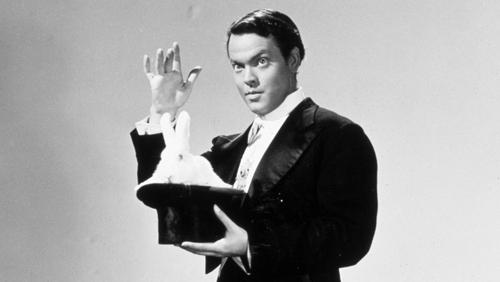
The extraordinary life of Orson Welles (1915-85), an enigma of Hollywood, an irreducible independent creator: a musical prodigy, an excellent painter, a master of theater and radio, a modern Shakespeare, a magician who was always searching for a new trick to surprise his audience, a romantic and legendary figure who lived only for cinema.

The definitive documentary on the history of nudity in feature films from the early silent days to the present, studying the changes in morality that led to the use of nudity in films while emphasizing the political, sociological and artistic changes that shaped that history. Skin will also study the gender inequality in presenting nude images in motion pictures and will follow the revolution that has created nude gender equality in feature films today.

The history of the comic book superhero, Superman, in his various media incarnations.
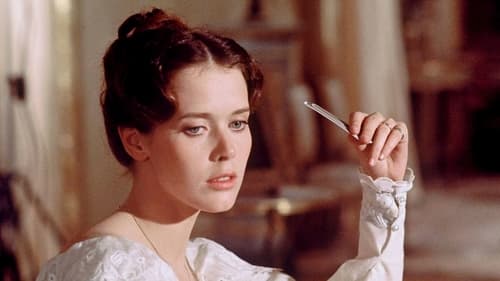
France, 1974. The erotic film Emmanuelle, directed by Just Jaeckin, breaks all records for cinema attendance: the story of the creation of a sensual epic that marked a turning point in the struggle for sexual emancipation.

A documentary concerning the violent Italian 'poliziotteschi' cinematic movement of the 1970s which, at first glance, seem to be rip-offs of American crime films like DIRTY HARRY or THE GODFATHER, but which really address Italian issues like the Sicilian Mafia and red terrorism. Perhaps even more interesting than the films themselves were the rushed methods of production (stars performing their own stunts, stealing shots, no live sound) and the bleed-over between real-life crime and movie crime.
Jack L. Warner, Harry Warner, Albert Warner and Sam Warner were siblings who were born in Poland and emigrated to Canada near the turn of the century. In 1903, the brothers entered the budding motion picture business. In time, the Warner Brothers moved into film production and would open their own studio in 1923.

The greatness, fall and renaissance of Hammer, the flagship company of British popular cinema, mainly from 1955 to 1968. Tortured women and sadistic monsters populated oppressive scenarios in provocative productions that shocked censorship and disgusted critics but fascinated the public. Movies in which horror was shown in offensive colors: dreadful stories, told without prejudices, that offered fear, blood, sex and stunning performances.
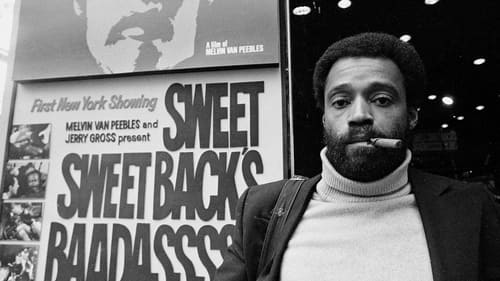
In 1971, director Melvin Van Peebles turned the figure of the black hero in US cinema upside down with Sweet Sweetback's Baadasssss Song: the story of the making of a seminal movie that initiated the Blaxploitation movement, a short-lived but highly influential sub-genre in the years that followed.
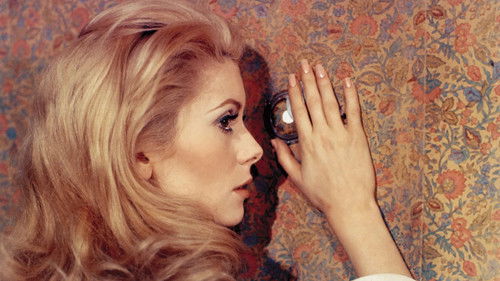
She worked with the world’s greatest actors and directors: Buñuel, Mastroianni, Lellouche, Depardieu... The film guides us throughout her career with the filmmakers with whom she invented herself not to be a “cold blonde actress”, thanks to great interviews of many artists who crossed her path.
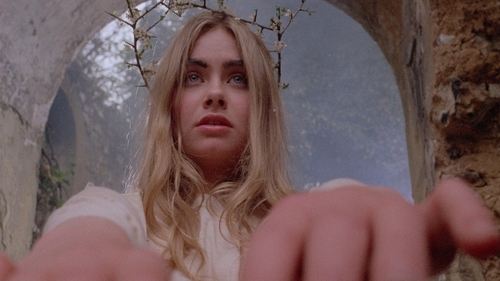
An exploration of the cinematic history of the folk horror, from its beginnings in the UK in the late sixties; through its proliferation on British television in the seventies and its many manifestations, culturally specific, in other countries; to its resurgence in the last decade.
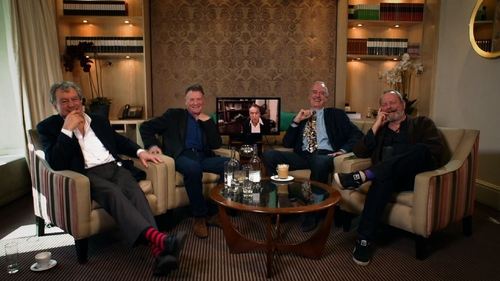
A discussion between John Cleese, Michael Palin, Eric Idle, Terry Gilliam and Terry Jones about their film The Meaning of Life

From Murnau to Herzog, and until modern incarnations, a mischievous exploration of a cinematographic legendary character, with Nosferatu himself as a guide...
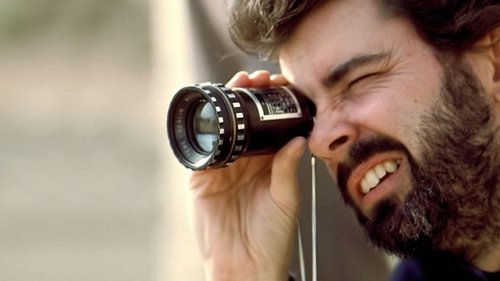
From the earliest versions of the script to the blockbuster debuts, explore the creation of the Star Wars Trilogy.
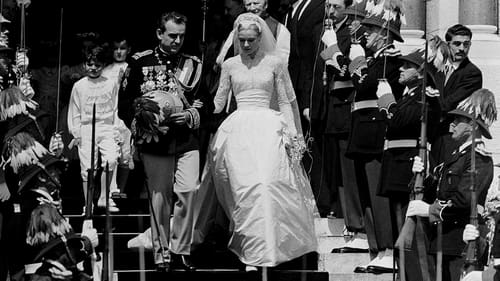
In 1956, actress and Hollywood star Grace Kelly (1929-82), then at the height of her film career, unexpectedly dropped everything to marry Prince Rainier III of Monaco. Jinx, an American journalist and friend of the future princess, accompanied her on her journey to the wedding and covered the sensational event.
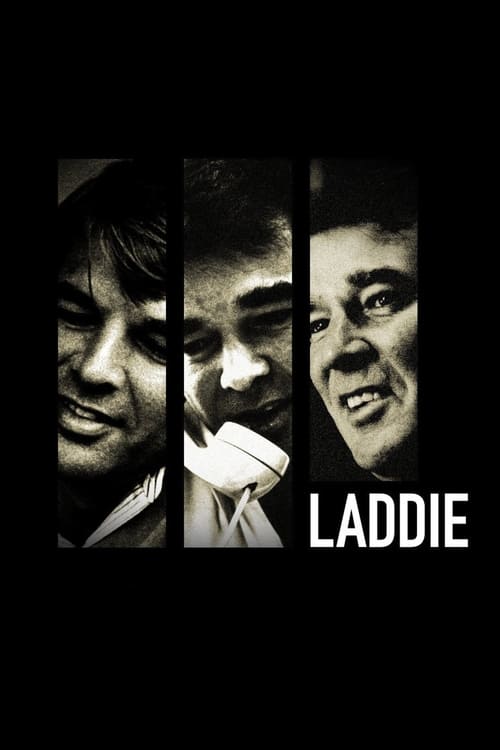
Profile of the producer and former studio head of 20th Century Fox in the 1970s, Alan Ladd Jr.

The untold origin story behind Ridley Scott's Alien - rooted in Greek and Egyptian mythologies, underground comics, the art of Francis Bacon, and the dark visions of Dan O'Bannon and H.R. Giger. A contemplation on the symbiotic collaborative process of movie-making, the power of myth, and our collective unconscious.